Wafer Handling and Insulator Parts in PEEK and Ultem
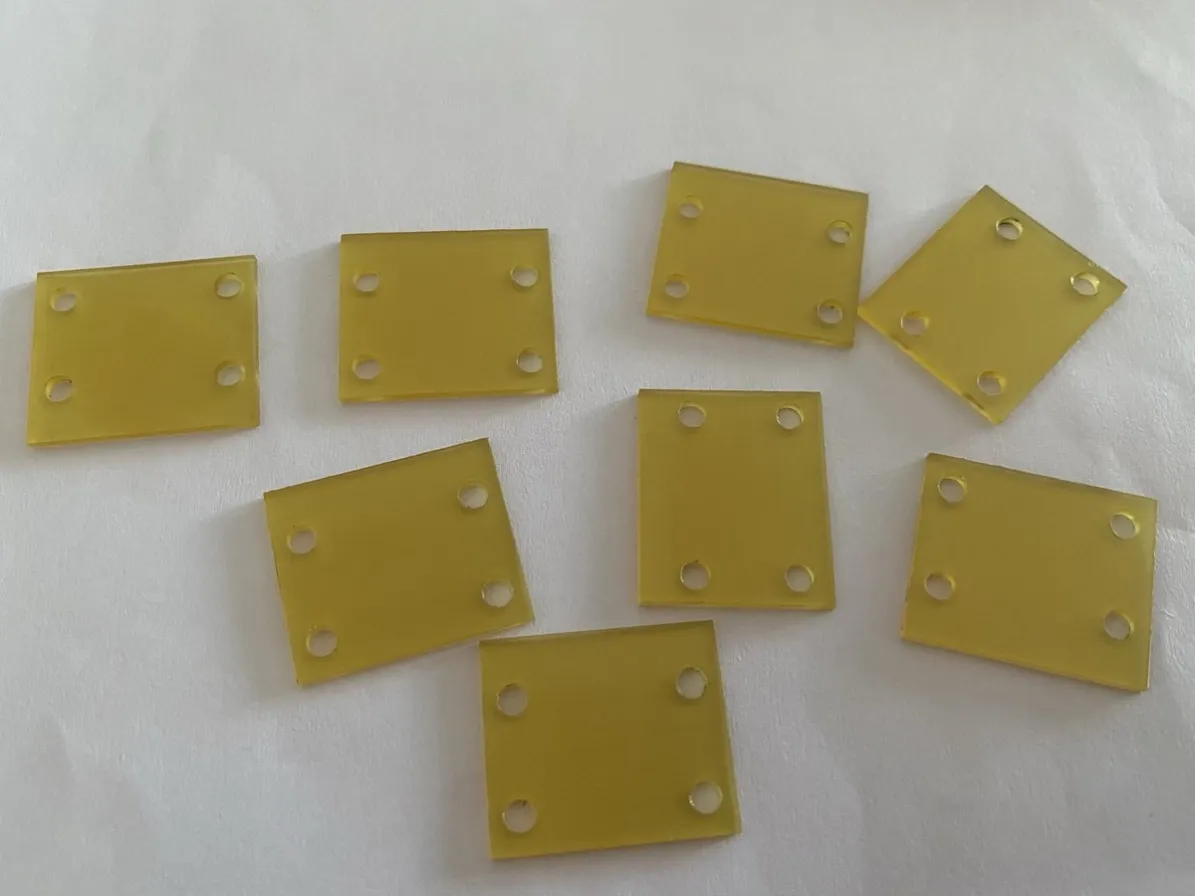
Wafer handling and insulator parts machined in PEEK and Ultem: carriers, brackets and locating parts, stress relieved so thin sections stay flat and true.
Yes — we machine wafer handling and insulator parts in PEEK and Ultem (PEI): carriers and handling fixtures, insulator blocks and bushings, brackets and locating parts for the equipment that moves and processes wafers. Send the drawing or the 3D model and we will quote the parts as drawn — most of this work sits alongside the semiconductor equipment parts we already machine.
The parts we make
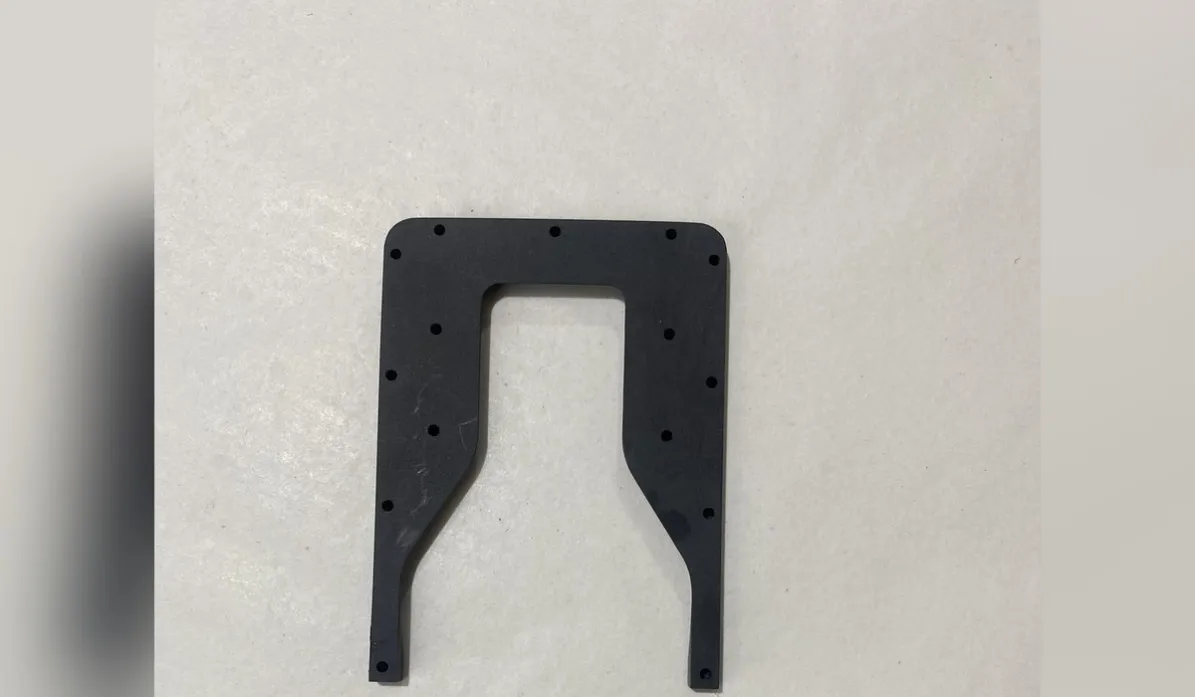
- Wafer carriers and handling fixtures. The frames, nests and supports a wafer sits in or travels on between process steps. Flatness and clean edges matter more than looks: the wafer has to sit the same way every time, with nothing sharp or shedding anywhere near its surface.
- Insulator parts. Blocks, bushings, spacers and standoffs that electrically isolate one part of the tool from another. This is the main reason these parts are plastic at all — PEEK and Ultem insulate where a metal part would conduct.
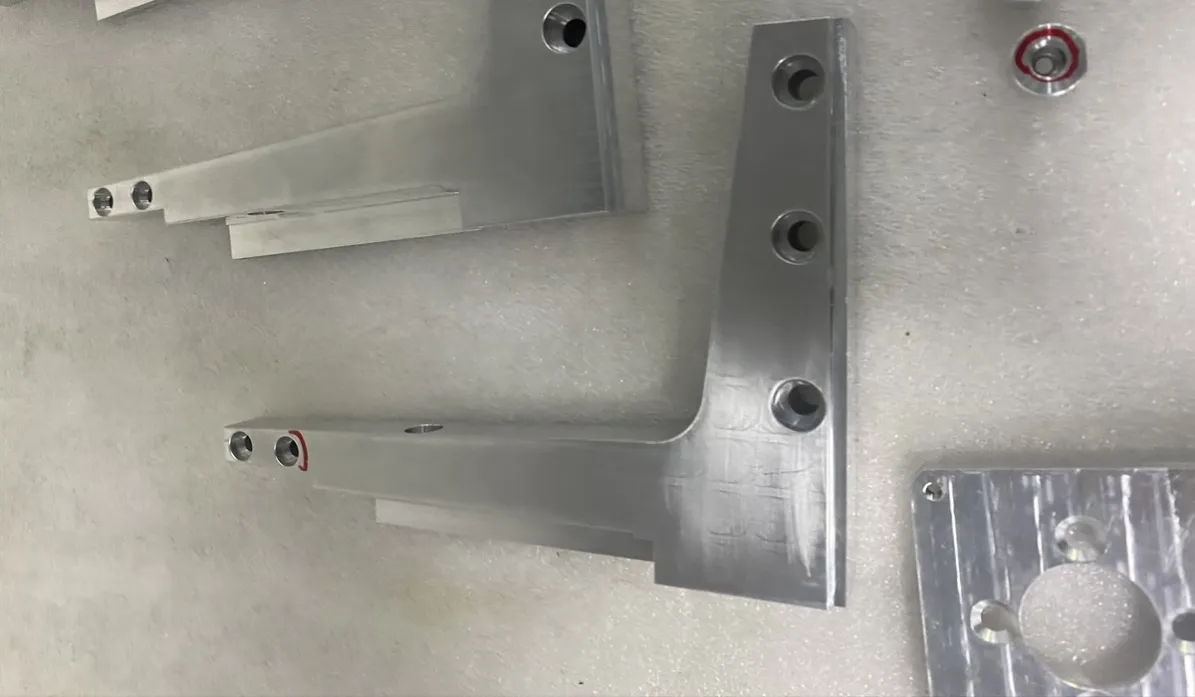
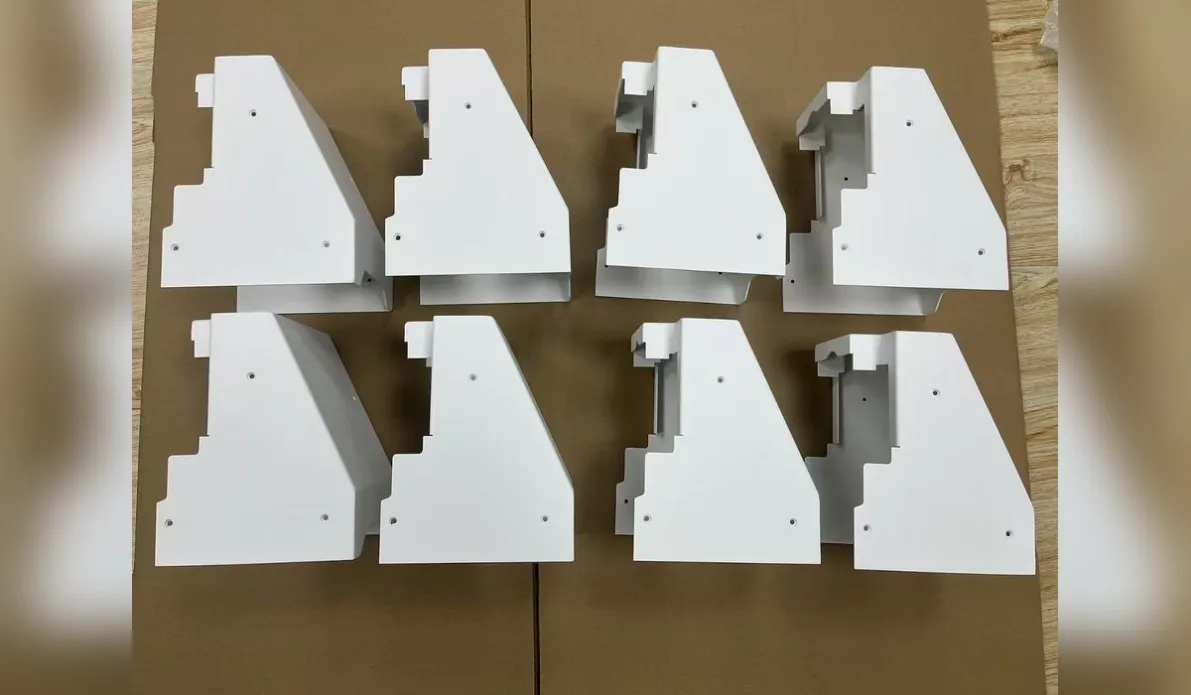
- Brackets and supports. Structural plastic brackets inside the tool, where metal is too heavy, too conductive, or would shed particles.
- Locating parts. Pins, nests, guides and stops that position the wafer or the carrier repeatably, cycle after cycle.
Why PEEK and Ultem
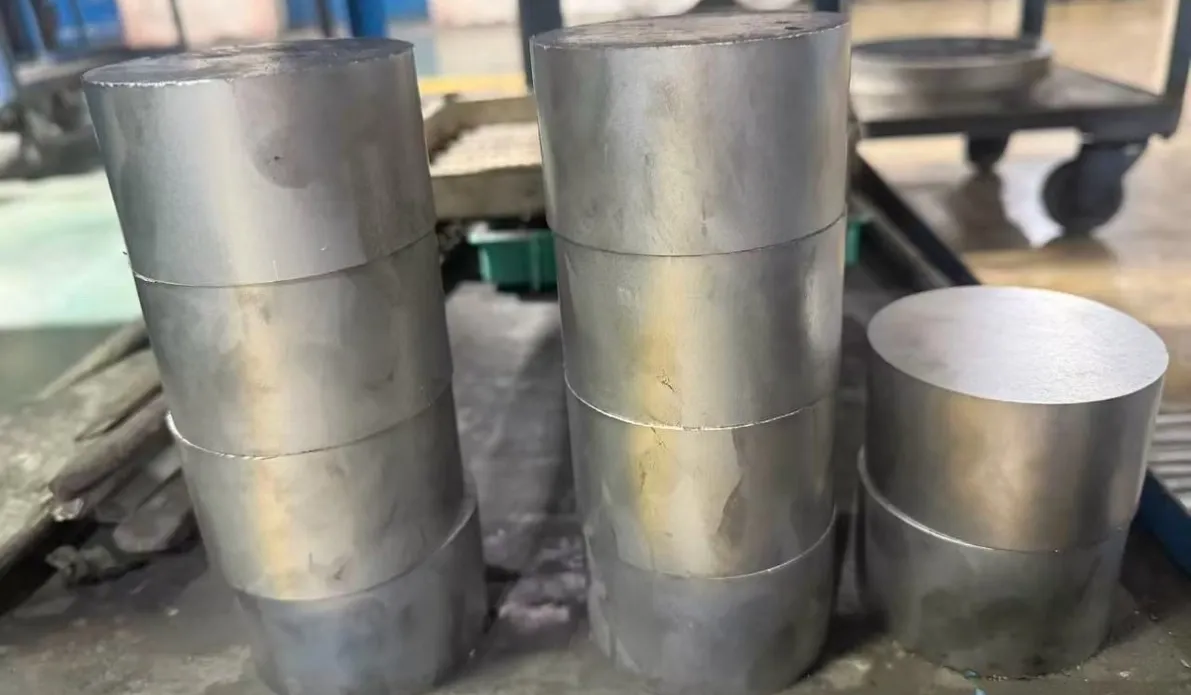
Both are engineering plastics that hold their shape and their insulating properties in a working tool, and both machine cleanly when they are handled right. PEEK is the usual choice where the part sees more heat, more chemical exposure, or more mechanical load. Ultem (PEI) — in its natural amber color or black — is chosen for insulator parts and brackets where its stiffness and insulation do the job at a lower material cost. Neither contains metal filler, and both are machined with the same contamination discipline as the part itself: no metal chips from another job, no dirty handling. Our broader guide to machining PEEK, Ultem and PTFE covers how the three materials compare on the machine.
The real problem with these parts: they move
Plastic plate and rod carry stress inside the material. Machine one face hard, or cut a thin section free, and the part relaxes into a new shape — a carrier that measured flat on the machine is bowed by the time it is inspected. This is the failure mode that matters on wafer handling parts, because a bowed carrier or a twisted insulator does not announce itself; it just quietly misaligns everything downstream.
The fix is process, not luck. Material-heavy parts are machined in stages: rough out the bulk, let the part take a stress-relief anneal (stress relief and annealing are two names for the same step on plastics), then finish machine to size. Thin sections are left for last, supports are kept under the part as long as possible, and both faces are worked evenly where the design allows it. Standard tolerance on our plastic parts is ±0.1 mm (±0.004"), and the features that locate the wafer get the attention — and the inspection time — first.
Keeping metal out of a plastic part
A plastic insulator that arrives with metal contamination has failed at its one job. So these parts are machined, cleaned and packed as a clean stream: ultrasonic cleaning after machining, gloves for handling and inspection from that point on, and clean packing — double-bagged, with vacuum sealing available — the same routine described in our packing guide. If your specification calls out a particular cleanliness or packing requirement, tell us at enquiry stage and it goes into the route from the start.
Inspection and packing
Locating faces and the dimensions the wafer actually touches are recorded against the drawing; cosmetic surfaces get a visual check. A first article inspection report, material certificate and certificate of conformance can travel with the shipment on request — say so when you enquire, not after the parts are packed.
What to send for a quote
The drawing or model, the material (PEEK, or Ultem and which color), the quantity, and a note on which faces locate the wafer or carry the insulation duty — those are the faces we will plan the machining around. Send your drawing / sample for a quote via our contact page — enquiries are answered within 8 hours and quotes usually come back within 24 hours. Small batches of parts like these typically run 3–5 days.
FAQ
Why PEEK or Ultem instead of a cheaper plastic? Because these parts have to insulate electrically, hold their shape in a working tool, and not shed or contaminate. PEEK and Ultem are the standard choices for wafer-area parts for exactly those reasons; a general-purpose plastic saves money on material and loses it on behavior.
How do you stop thin PEEK parts from warping? By machining in stages: roughing, a stress-relief anneal so the material settles, then finish machining — with thin sections cut last and the part supported as long as possible. It is slower than cutting the part in one pass, and it is why the part stays flat.
What tolerance can you hold on PEEK and Ultem parts? ±0.1 mm (±0.004") is our standard for plastic parts, held on the dimensions that matter — locating faces, bores and the features the wafer or mating part touches. Tell us on the drawing which dimensions are critical and they are inspected and recorded individually.
How are the parts kept free of metal contamination? They are machined and then ultrasonically cleaned, handled with gloves through inspection and packing, and double-bagged (vacuum sealing on request). The point of an insulator part is that nothing conductive reaches it, and the process is built around that.
Can you machine both the plastic parts and the metal parts of the same tool? Yes — carriers, insulators and brackets in PEEK and Ultem, alongside the aluminum and stainless parts of the same assembly, from one drawing package and in one shipment.
What do you need to quote? The drawing or 3D model, the material and color, and the quantity. A note on which faces locate the wafer or carry the insulation duty helps us plan the machining sequence — and the price — properly.