How Lead Time Is Estimated: From Drawing to Shipment
How CNC lead time is estimated: drawing review, material, machining, finishing and inspection - why simple parts ship in 24-48 hours and others take weeks.
Short answer: lead time is not one number pulled from a table. It is the sum of several steps — reviewing the drawing, getting the material, machining, surface treatment, inspection and packing — and each step has its own driver. A simple part in a common material can ship in 24–48 hours. A part that needs special material, a slow finish or full inspection documents takes longer. This article explains what drives the clock, what the typical ranges look like, and what you can do on your side to keep a job moving.
What drives lead time
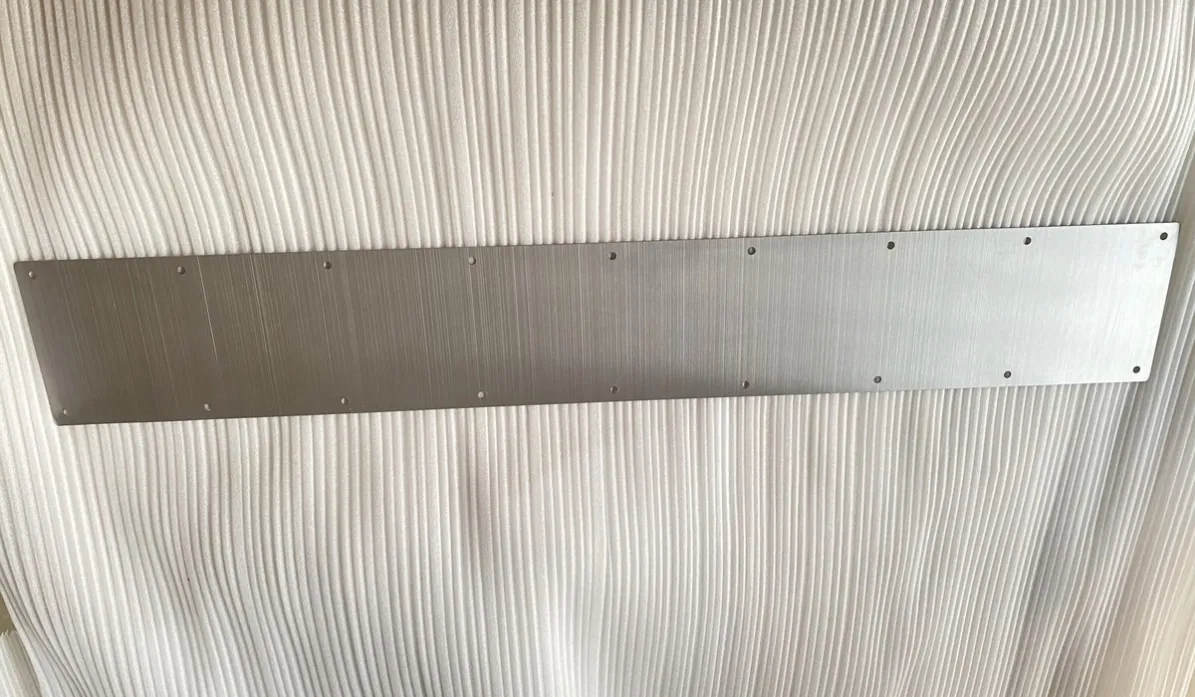
Part complexity. A flat plate with drilled holes is a short job. A part with deep pockets, thin walls, several setups or tight tolerances takes longer to program, longer to machine, and longer to inspect. Complexity is the single biggest factor, and it is why two parts of similar size can have very different lead times.
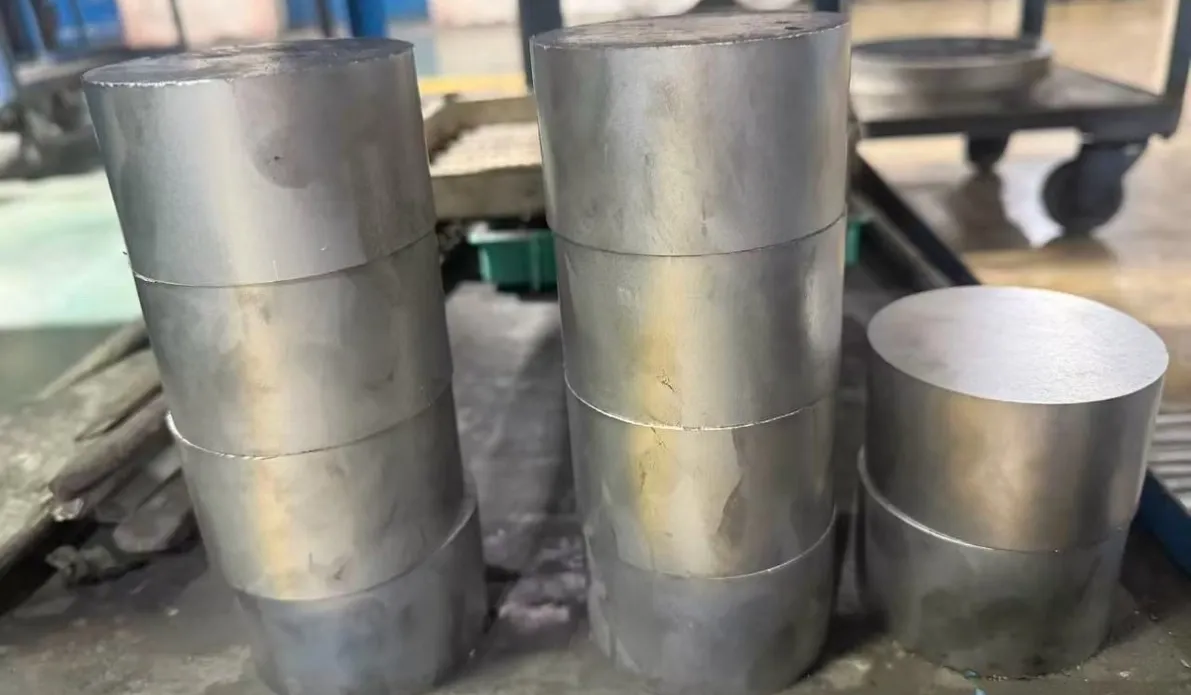
Material availability. Common grades — the everyday aluminum, stainless and plastic grades — are usually on hand or a day away. Unusual grades, large sizes and special materials have to be ordered in, and that wait goes straight onto the schedule before machining can even start. If your part is in a hurry, the material question matters as much as the machining question.
Surface treatment. Finishing adds days, not hours. A part that ships as-machined or with a simple treatment moves fast. Finishes such as hard anodizing add days, because the parts go through a separate process with its own queue. Decorative and multi-step finishes take longer again. When a drawing carries several finishes on one part, the lead time follows the slowest one.
Quantity. Ten parts and five hundred parts are different jobs. Larger quantities need more machine time, and for bulk orders there is an approval step in the middle (see below) that is built into the schedule on purpose.
Inspection documents. A first article inspection, dimensional reports and material certificates take real time to produce properly. If your order needs them, they are part of the lead time, not an afterthought.
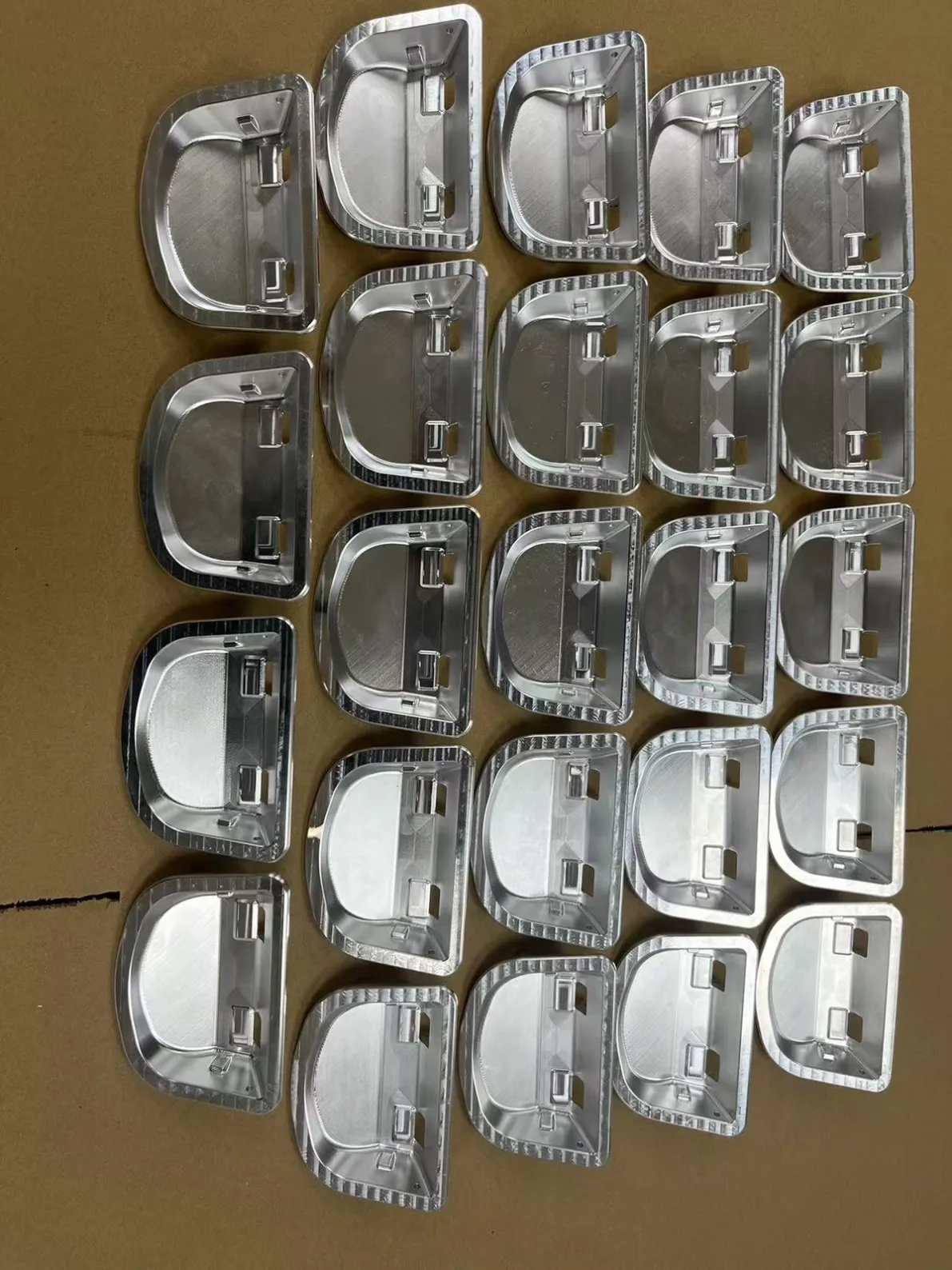
The typical lead-time picture
With those drivers in mind, here is how the ranges usually look:
- Simple parts: usually ship in 24–48 hours, depending on complexity — a straightforward part in a stock material, with no slow finish.
- Regular small-batch prototypes: typically 3–5 days. This covers most prototype and low-volume work: a few setups, standard tolerances, a normal finish.
- Parts with special finishes or documents: longer than the ranges above, because the finish queue and the inspection work sit on top of the machining time.
- Tungsten carbide parts: about 20–30 days. Carbide is worked by EDM and grinding rather than normal milling and turning, and it is simply a slower process from start to finish.
These are working ranges for planning, not promises for every part. When we quote, we confirm the lead time for your specific part — its material, finish and quantity — so the date you get is based on the actual job, not on a table like this one. If a part falls outside the usual ranges, the quote says so and says why.
For a fuller picture of how ordering works end to end, see our guide to ordering CNC parts from China.
Bulk orders: samples first, then production
For bulk orders, the schedule includes a step that is worth the time it takes: samples first. Before mass production starts, we make samples and send them to you for confirmation, together with an inspection report. You check the parts against your drawing — dimensions, finish, fit — and approve them.
Only after that approval does the full run go ahead. This feels slower than going straight into production, but it protects the whole order: a problem found on a sample costs a few days, while the same problem found on a full run costs the run. When planning a bulk order, build the sample step into your timeline — machining, shipping and your approval time all count.
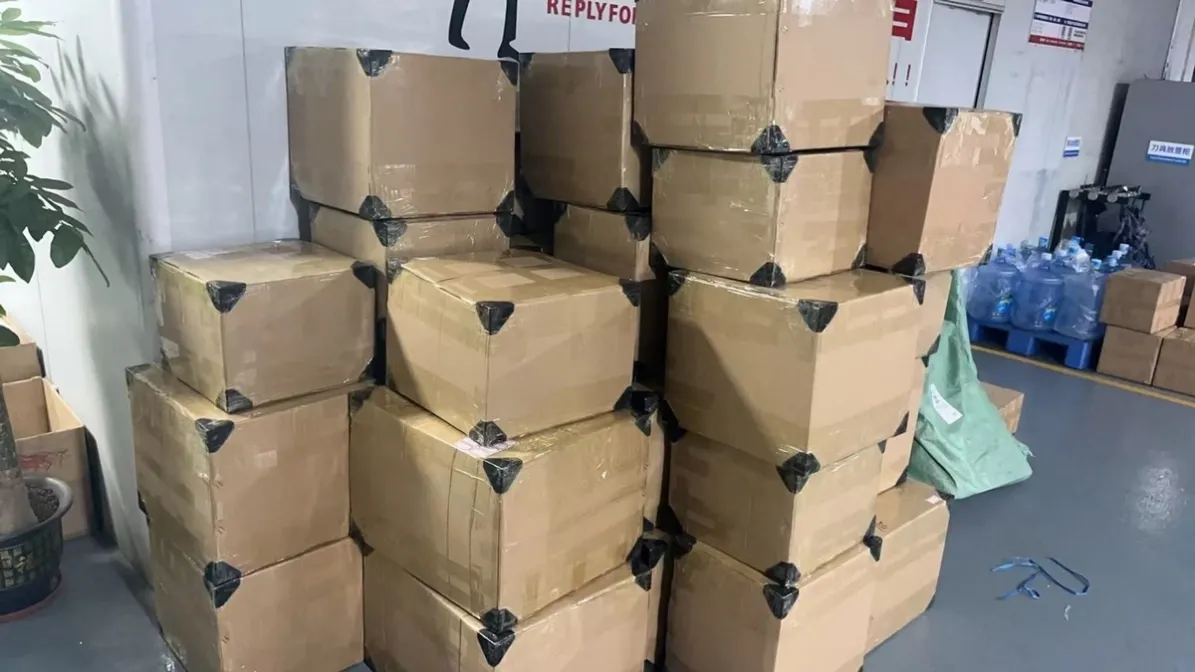
How you can speed things up
Some of the clock is on our side. Some of it is on yours, and it is the part buyers most often underestimate.
Send complete drawings. A drawing with all dimensions, tolerances, threads, material and finish called out can go straight to review and quoting. A model with no drawing, or a drawing with missing callouts, starts a round of questions — and every round costs a day. If some dimensions genuinely do not matter, mark them as reference; that is still complete information.
Make tolerances clear. Tight tolerances in the right places are fine and we hold them — ±0.01 mm (±0.0004") where a dimension needs it, against our standard ±0.1 mm (±0.004"). What slows a job down is ambiguity: conflicting dimensions, tolerance blocks that contradict the notes, or callouts nobody can interpret. A clean tolerance scheme quotes faster and machines faster.
Approve quickly. Quotes, sample parts and any drawing questions all wait on a reply at some point. On a 3–5 day prototype job, a two-day wait for approval doubles the real elapsed time. If a project is urgent, tell us — and if you can, name someone who can approve samples and answer questions without a long chain.
Flag the deadline early. If parts must arrive by a fixed date — a trade show, a build slot, a customer delivery — say so in the first enquiry, not after the quote. Knowing the deadline changes how a job is planned: material can be ordered ahead, and the finish can be chosen with the clock in mind. We answer enquiries within 8 hours and usually quote within 24 hours, and a stated deadline gets factored in from the start.
Keep quantities realistic. If you will need more parts shortly after the first batch, saying so helps. It can be faster overall to run a sensible quantity once than to run a small batch twice.
FAQ
How fast can a simple part ship? Simple parts usually ship in 24–48 hours, depending on complexity, provided the material is a common grade and no slow finish is involved.
What is the normal lead time for small-batch prototypes? Typically 3–5 days for regular small-batch prototype work. Parts with special finishes, unusual materials or full inspection documents take longer.
Why do tungsten carbide parts take 20–30 days? Carbide cannot be machined like metal. It is shaped by EDM and grinding, which are slow processes, and the work is done carefully to avoid chipping and cracking. The 20–30 day range reflects that process.
Why do bulk orders start with samples? So you can confirm the part — dimensions, finish and fit — before the full run is made, with an inspection report to check against. It adds a few days to the schedule and removes the risk of a whole production run being wrong.
What is the fastest way to shorten my lead time? Send a complete drawing with clear tolerances, state your deadline in the first enquiry, and approve quotes and samples quickly. Most avoidable delay sits in missing information and waiting time, not in machining.