Semiconductor Equipment Parts Machining
CNC machining for semiconductor equipment parts: 6061-T6 aluminum, 316L stainless steel and PEEK, controlled finishes, ultrasonic cleaning, clean packing and full traceability.
Semiconductor equipment parts are a regular part of our workload, and they are specified differently from general machinery parts. The drawings come with tighter cleanliness expectations, fuller documentation, and materials chosen for vacuum, plasma or chemical environments rather than for strength alone. This page is the overview our semiconductor customers work from: the materials we machine for this industry, the finishes and cleanliness options that go with them, and the paperwork that travels with the parts. The detail pages for plastics, hard anodizing, cleaning and passivation link out from here.
The materials buyers specify
Five material families cover most semiconductor equipment work we see:
| Material | Where it appears | Notes |
|---|---|---|
| 6061-T6 aluminum | Chamber hardware, brackets, plates, frames | The default: light, stable, anodizes well |
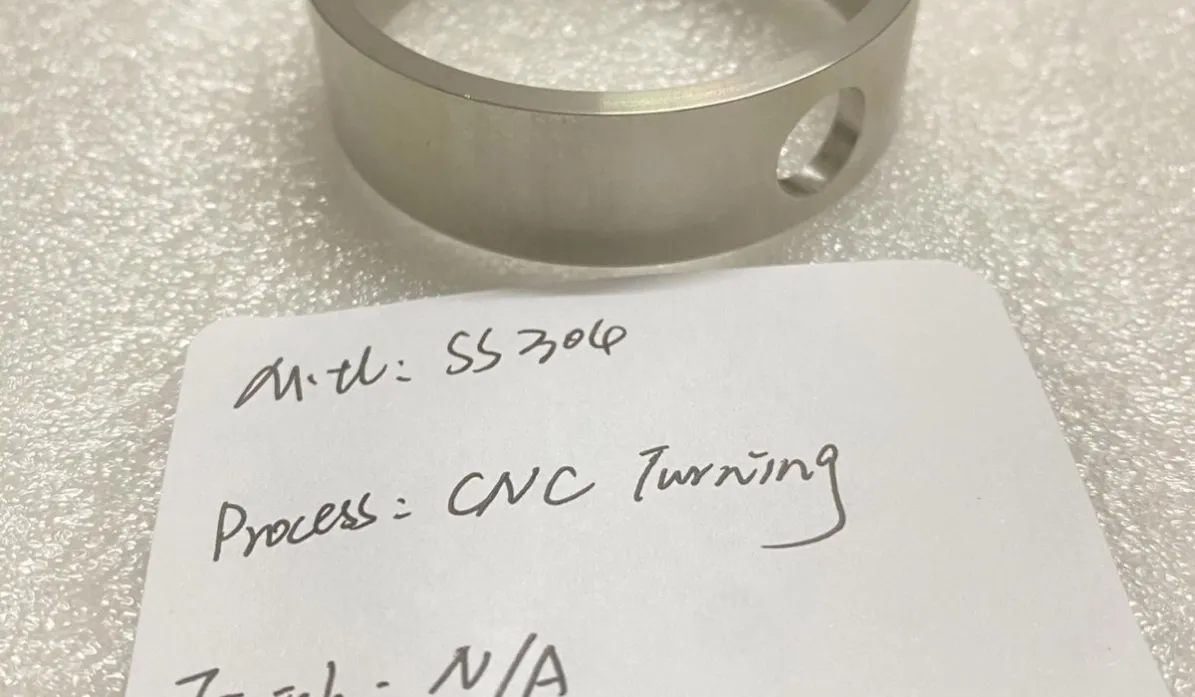
| 316L stainless steel | Gas and fluid handling, vacuum hardware | Low carbon for welding; passivated or electropolished |
| PEEK | Insulators, wafer handling, seals and seats | High temperature, low outgassing grades available |
| Ultem (PEI) | Insulators, manifolds, covers, high-temperature fixtures | Amber (natural) and black; flame-retardant, holds strength at temperature |
| Engineering plastics (POM, PC, nylon and others) | Covers, guides, non-critical fixtures | Chosen per chemical and temperature exposure |
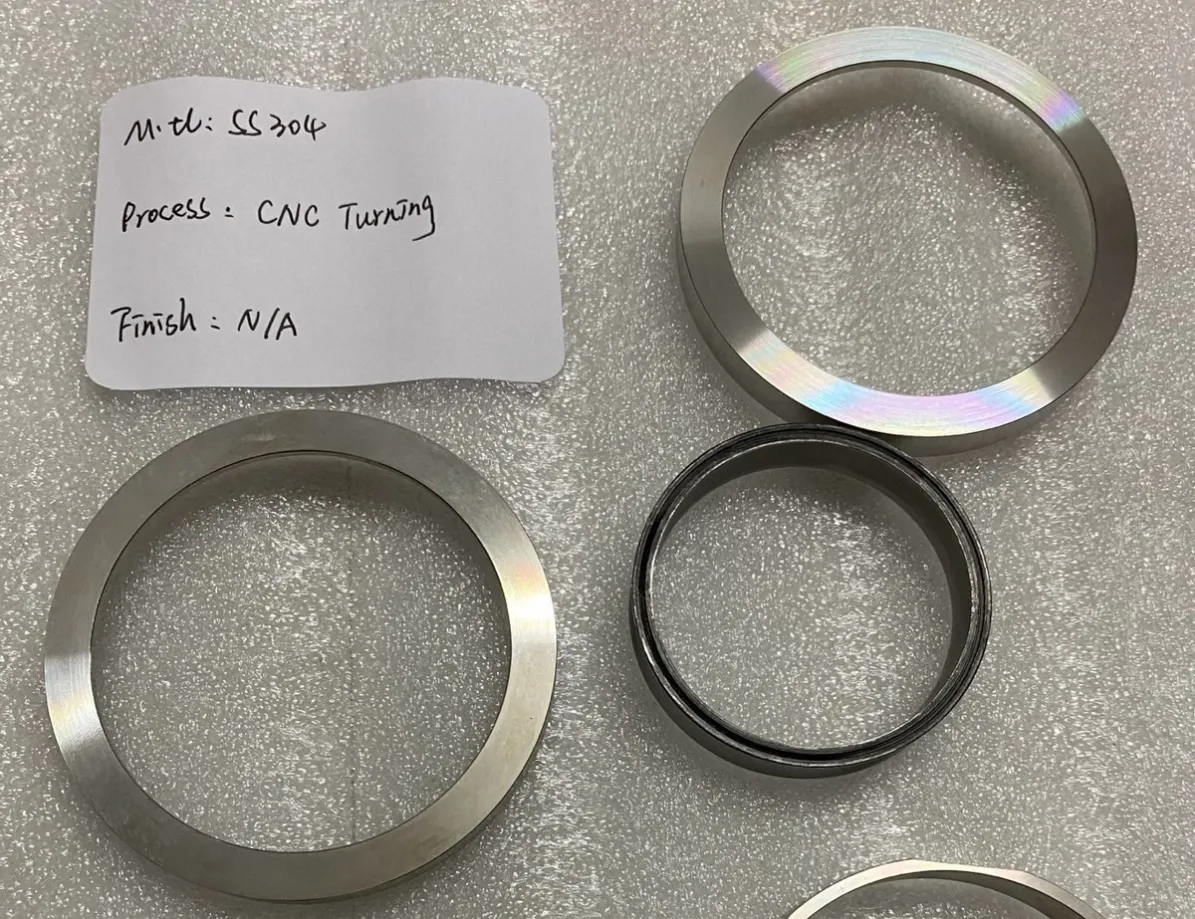
Aluminum is usually specified as 6061-T6 aluminum with the temper stated — the full grade matters, as our materials guide keeps repeating. Stainless is normally 316L stainless steel rather than 304 stainless steel where the part sees process chemicals or welded construction; the grade comparison in our stainless steel grades piece covers why the L grade and the molybdenum content matter. For new materials or unusual grades, the achievable specification is confirmed at quote stage from your drawing, before you commit.
Tolerances and surfaces
Equipment parts mix ordinary features with a few critical ones: sealing faces, alignment bores, and flatness on mounting plates. Our standard machining tolerance is ±0.1 mm (±0.004"), with ±0.01 mm (±0.0004") available on the features that need it — the working rule is to spend the tight tolerance only where function demands it. Surface finish is specified by Ra: Ra 3.2 µm (125 µin) for general faces, Ra 1.6 µm (63 µin) for fitting faces, and Ra 0.8 µm (32 µin) for sealing surfaces. Inch drawings are worked to directly — title-block defaults and ASME Y14.5 GD&T callouts are read as written.
Finishes for equipment service
The finish on a semiconductor part is functional, not cosmetic:
- Anodizing (MIL-PRF-8625, formerly MIL-A-8625) — Type II for general aluminum hardware; Type III hard anodize where a surface slides, wears or must insulate. We machine with the coating build in mind, so precision bores and threads finish in tolerance after coating, and masking is available for grounding or contact surfaces.
- Passivation (ASTM A967) — the standard finish for 316L stainless steel fluid-path parts.
- Electropolishing — where a smoother, easier-to-clean stainless surface is required.
- Bead blasting — 120 mesh glass beads before anodizing as standard, for a uniform matte surface.
Cleanliness and packing
Machined parts for this industry are not packed like general hardware. Ultrasonic cleaning is available before packing, and clean packing options — parts double-bagged, or vacuum sealed, with labels — are planned into the job when you specify them at enquiry stage. Our general packing practice (one part per tray cell, finished surfaces separated) applies underneath: clean parts are also protected parts, and the two requirements are handled together rather than traded off.
Traceability and documents
Every job runs on material sourced against the drawing specification, with the supplier's material certificate held on file. First article inspection reports, material certificates and certificates of conformance are supplied as agreed at quote stage, and third-party verification (for example an SGS report on material or coating) can be arranged at additional cost. The full explanation of each document is in our guide to FAI reports, material certificates and CofC. If your quality system needs a specific document format, tell us at enquiry stage so it is planned into the job from the start.
What to send us
The 3D model (STEP, X_T or IGES) and the 2D drawing with tolerances, thread details and finish callouts — plus your cleanliness and documentation requirements, stated up front. We respond within 8 hours and normally quote within 24 hours. Send the drawing through our contact page and mark it for semiconductor equipment use, and the quote will come back with the finishes, cleaning and documents built in rather than added later.
FAQ
Which plastics do you machine for semiconductor equipment? PEEK and Ultem (PEI) are the common performance grades, alongside POM, PC, nylon and other engineering plastics. Grades for low outgassing or specific chemical resistance are sourced against your specification and confirmed at quote stage.
Can you hard-anodize equipment parts? Yes — Type III hard anodize to MIL-PRF-8625 (formerly MIL-A-8625) is available, planned with the coating build allowed for in the machining. Masking for grounding or contact faces is available on request.
Do you offer cleanroom-grade packing? Ultrasonic cleaning, double-bagging and vacuum sealing are all available. State the level your specification requires at enquiry stage and it is planned into the job.
What documents come with the parts? As agreed at quote stage: first article inspection report, material certificates and a certificate of conformance, with third-party reports available at additional cost.
Can you work from inch drawings? Yes. Inch dimensions, title-block default tolerances and ASME Y14.5 GD&T callouts are worked to directly, without conversion errors at our end.