Test Fixtures and Assembly Jigs: Machined Fixtures for Inspection and Assembly
Machined test fixtures and assembly jigs in aluminum and steel: locating faces, repeatability, wear parts and the details that keep inspection honest.
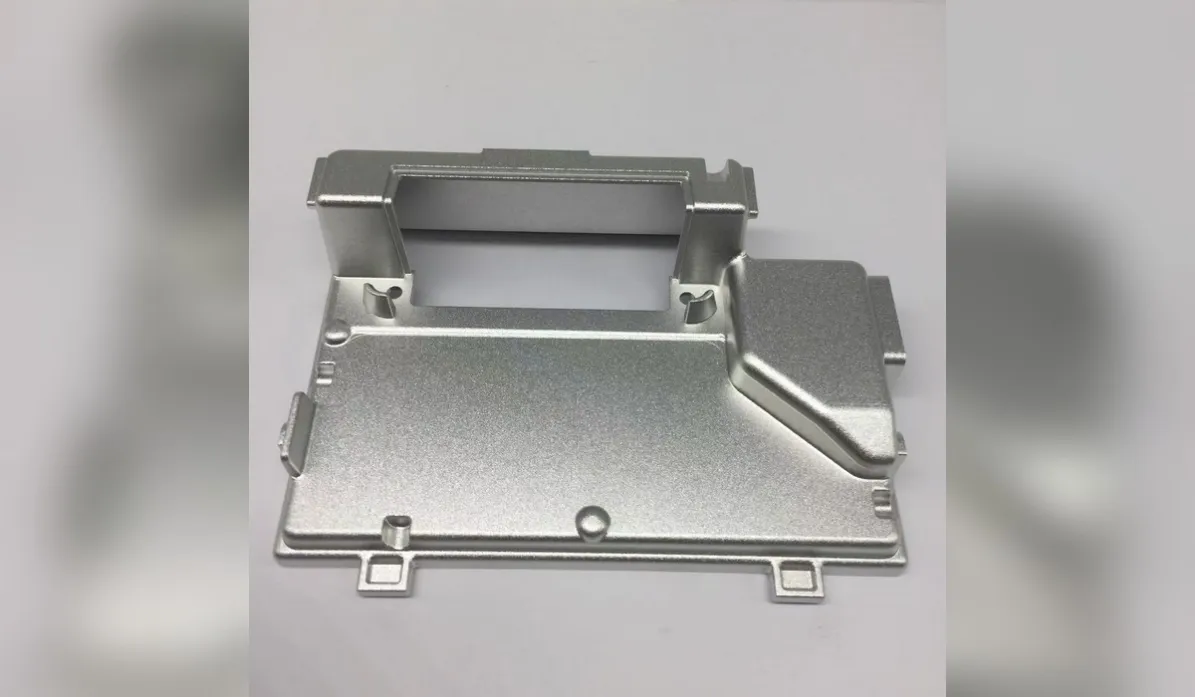
A fixture has one job: hold the part in the same place, the same way, every time. If it does that, your inspection results mean something and your assembly line keeps moving. If it does not, operators start compensating by hand and the fixture becomes decoration. We machine inspection fixtures, assembly jigs and locating tooling for equipment makers, and the parts below are the ones that come up again and again.
Typical parts
- Inspection fixtures and check gauges that hold a part against its datums for measurement
- Assembly jigs that position two or more components while they are fastened, bonded or soldered
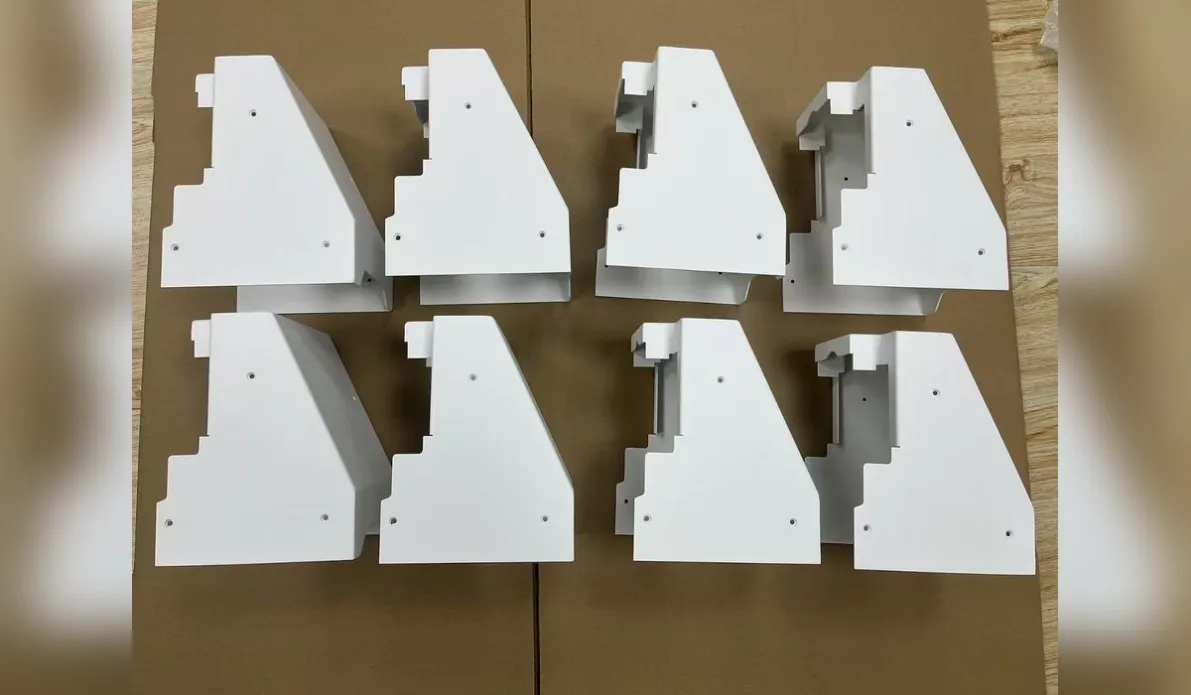
- Locating blocks, nests and cradles shaped to a specific part profile
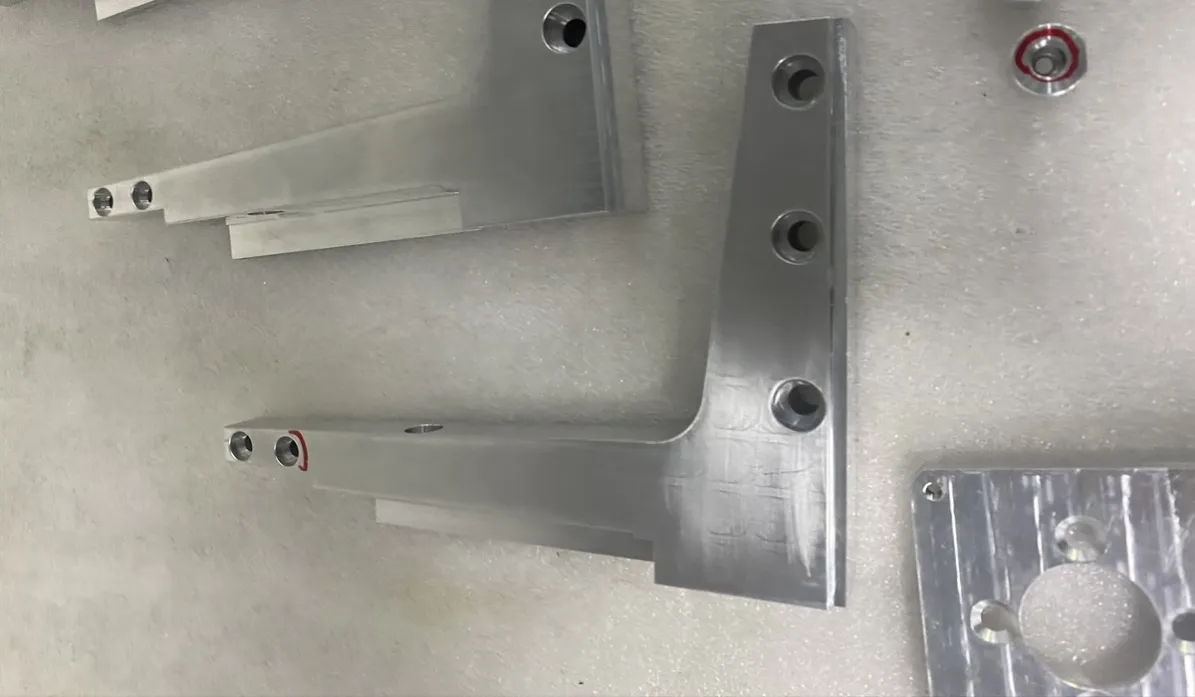
- Robot end-effector tooling: gripper fingers, vacuum pickup plates and tool changers' mounting faces
- Calibration plates and setting masters used to check instruments and sensors
- Drill and trimming guides for repeatable secondary operations
Most fixtures are one-offs or very small batches, which suits CNC machining well. The profile of a nest can be cut straight from the CAD model of the part it holds, so the cradle matches the product instead of being filed to fit by hand. When a product changes, the same applies in reverse: send the sample or the updated model and the fixture can be re-cut to match, the same approach we describe in reverse engineering machined parts.
Materials
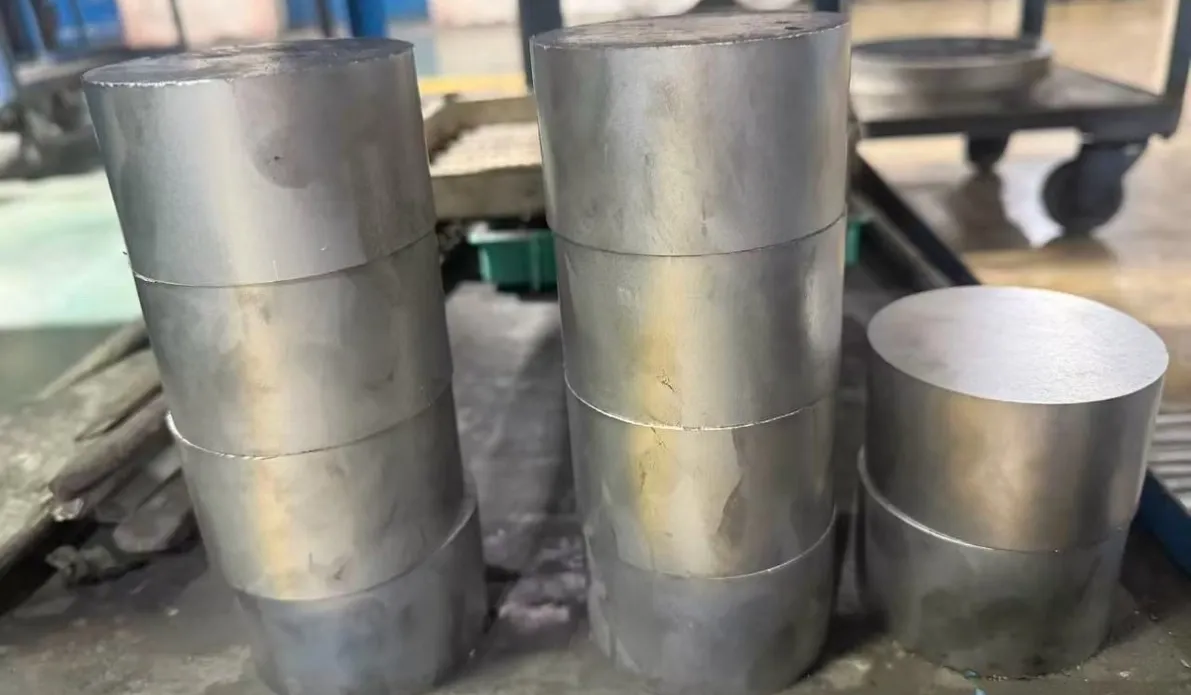
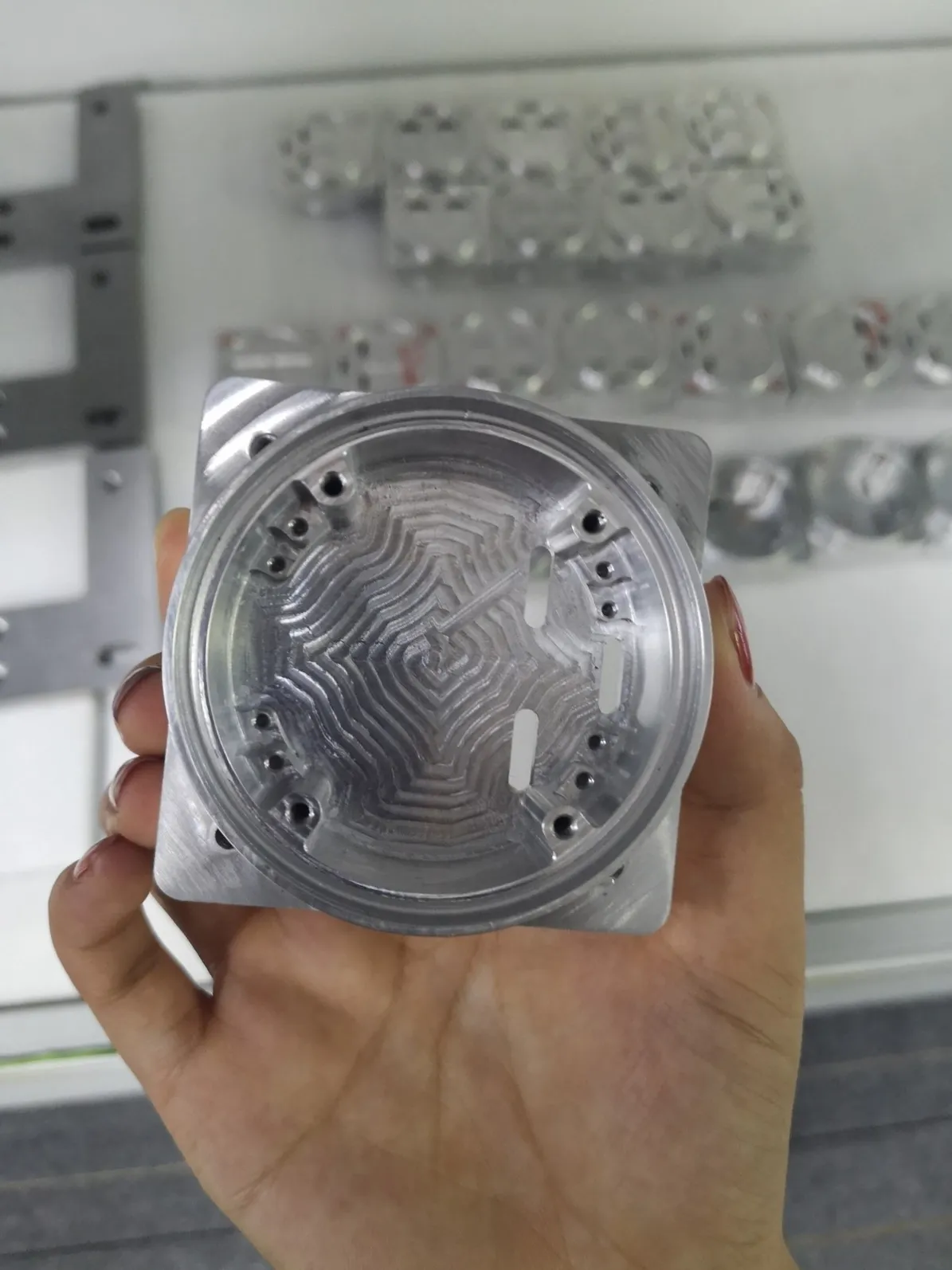
6061-T6 aluminum is the workhorse for fixture bodies and plates. It is light enough to move around a bench, stiff enough for most locating duties, and anodizes well. Large base plates, frames and nests are usually aluminum unless there is a reason otherwise.
POM is used where the fixture touches a finished surface. It is kind to painted and polished parts, slides instead of scratching, and is cheap enough to treat as a replaceable wear insert. Locating pads, cradles and guide blocks are often POM even when the rest of the fixture is metal.
PEEK takes the jobs POM cannot: higher temperatures, cleaning chemicals, or repeated sterilization. It costs more, so it tends to appear as inserts and small contact parts rather than whole fixture bodies.
303 stainless steel and 304 stainless steel are used for pins, bushings and wear faces — the parts that get touched, clamped and knocked all day. Hardened or ground locating pins in steel outlast aluminum ones many times over, and they can be replaced without scrapping the fixture.
Key requirements
Repeatable locating. The fixture is only as good as its datum scheme. We machine locating faces and pin bores in the same setup wherever possible, so their positions relate to each other rather than to a re-clamped edge. Standard tolerance is ±0.1 mm (±0.004"), and locating bores and datum faces can be held to ±0.01 mm (±0.0004") where the design needs it. If you have a 3-2-1 locating scheme in mind, mark it on the drawing; if not, send the part model and we will suggest one.
Wear surfaces. Contact points wear. Good fixture design puts the wear on small, replaceable pieces: steel pins, bushings and pads that can be swapped in minutes. Tell us which faces will see the most cycles and we will build those as inserts rather than as part of the main body.
Weight and handling. A fixture that needs two people to lift gets used less. Pocketing the back of base plates and using aluminum instead of steel where loads allow keeps fixtures bench-friendly. Handles, lifting points and clearance for clamps are worth adding at the design stage; we can help with that if you want a second pair of eyes — design assistance is part of the service.
Identification. Engraved labels, part numbers and orientation marks stop operators loading a fixture backwards. Laser marking or engraving can be added to plates and bodies so the tooling is self-explanatory on a busy line.
Surface treatments
Black anodize is the standard finish on aluminum fixtures used around cameras, sensors and optical checks, because a matte black surface cuts reflections that confuse vision systems — the same reason it is used on the parts in lab automation parts machining. Hardcoat (Type III hard anodizing) goes on sliding and clamping faces that would wear through a standard anodize layer. POM and PEEK parts are left as machined; steel pins are usually supplied ground and unfinished, or black oxide where corrosion is a concern.
What to send for a quote
The fixture drawing or model, plus the model of the part it holds, is the ideal package. If the fixture design does not exist yet, send the product part and a short description of the operation — what gets checked, what gets assembled, how it is loaded — and we will come back with a design direction before quoting the machining. Enquiries are answered within 8 hours and quotes usually within 24 hours. A single fixture typically takes 3–5 days in small batches once the design is settled, and simple plates and blocks can ship in 24–48 hours. FAI and material certificates are available on request, and we can work under NDA.
FAQ
Can you help design the fixture, or do I need a finished drawing? Either works. A finished drawing gets the fastest quote, but if you only have the part and the process requirement, we can propose the locating scheme and structure first, then machine it once you approve the design.
How accurate are the locating features? Locating bores and datum faces can be held to ±0.01 mm (±0.0004") where needed; the rest of the fixture is machined to our standard ±0.1 mm (±0.004"). Repeatability in use depends on the locating scheme as much as on tolerance, which is why we like to see the part model.
What finish should I choose for a fixture used with a camera system? Black anodize. The matte black surface reduces glare and stray reflections around lenses and sensors. For sliding faces in the same fixture, hardcoat gives better wear resistance.
Can worn parts of a fixture be replaced later? Yes, if they were designed as inserts. Pins, bushings and contact pads are normally made as separate pieces, so a worn set can be re-ordered and swapped without remaking the whole fixture.
Do you make fixtures for one-off prototypes? Yes. Most fixture work is one-off or small batch by nature, and that fits our normal prototype workflow.