Reverse Engineering Parts from a Sample
No drawing, one worn sample? How reverse engineering a machined part works — measuring, material checks, a confirmation drawing, then a first article.
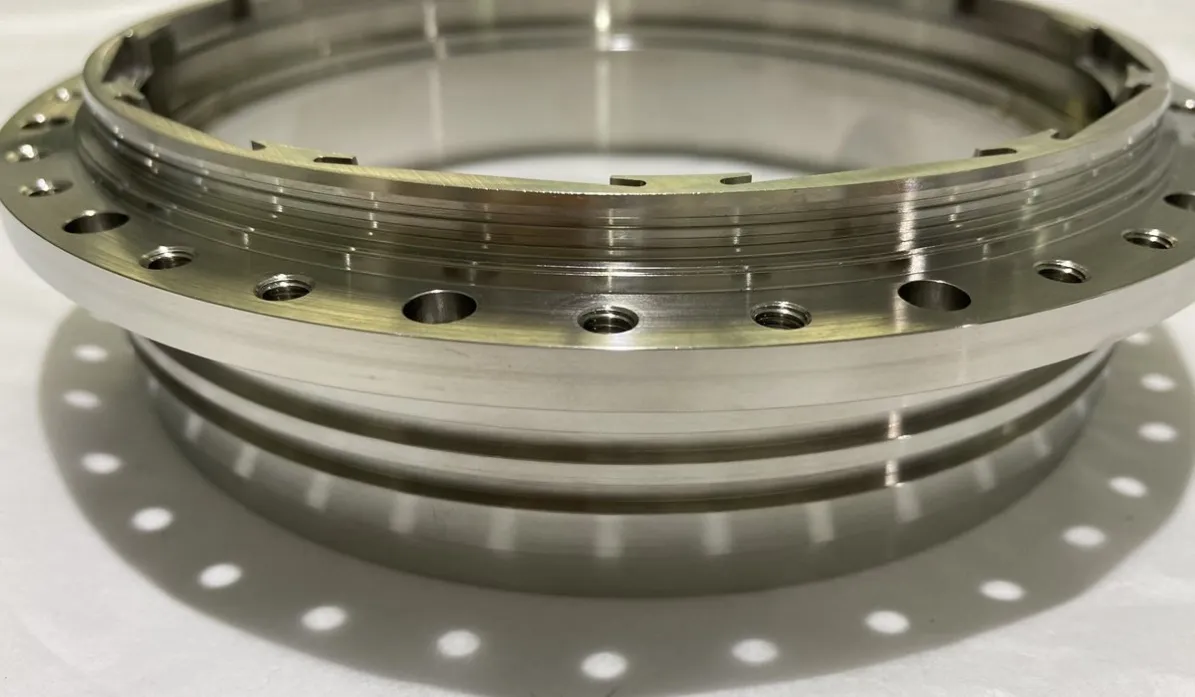
Yes — if all you have is the part itself, we can work from the sample. The service runs in one direction: you send the sample, we measure it and produce a drawing, you confirm the drawing, and only then do we machine new parts to it. Nothing is cut from a measurement you have not seen. Send a photo of the sample with its overall size to start, via our contact page, and we will tell you what we can recover from it before you ship anything.
When this is the right route
- A machine is down or at risk because a part has worn, cracked or broken, and the original supplier or drawing is gone.
- Equipment was bought second-hand or inherited with no documentation for its wear parts.
- A part works and you want spares or a second source, but it was only ever made, never drawn.
- A prototype was adjusted by hand until it worked, and the working version now exists only as that one physical part.
How it runs
1. The sample arrives. Courier the part to us — it does not have to be in good condition, but the more complete it is, the more the drawing can recover. Photographs of the part in place, and whatever it mates with, help more than people expect.
2. Measurement. The sample is measured feature by feature: overall dimensions, bores, hole patterns, threads — identified, not guessed, including whether a thread is metric or imperial — wall thicknesses, and the faces that locate against other parts. Measuring runs on the same equipment our inspection uses: a coordinate measuring machine (CMM), a measuring projector, calipers and micrometers. Threads, fits and sealing faces get the closest attention, because those decide whether the new part works.
3. The drawing. Measurements become a proper drawing with tolerances. This is where judgement shows: a worn bore measures oversize because it is worn, not because it was made that way. Where a dimension is ambiguous — worn, damaged or corroded — the drawing says so, and the decision about what the new part should measure is yours, made with our reading of the evidence in front of you.
4. Your confirmation. You check the drawing against everything we cannot see: the mating parts, the machine, what the part has to do. Nothing proceeds until you confirm. If a feature cannot be recovered from the sample at all — a section broken away, an internal passage that cannot be reached — it is flagged at this stage, not discovered after machining.
5. Machining and first article. Parts are made to the confirmed drawing like any other job, and a first article inspection against that drawing can travel with the first shipment, the same paperwork described in our FAI and certificates guide.
The material question
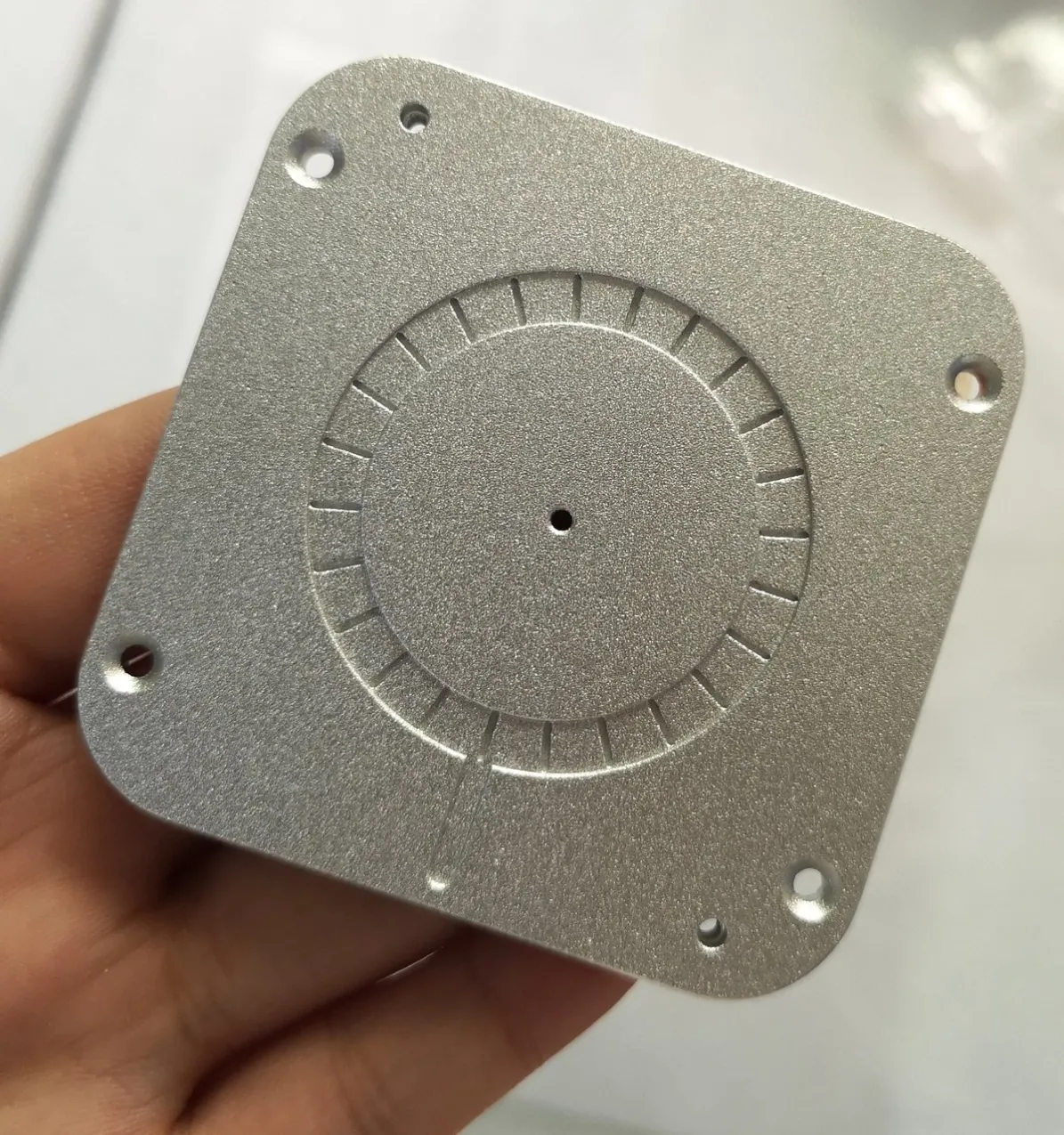
A sample tells you its shape; it does not always tell you its material. Three ways to handle it:
- You know the grade. Tell us, and the new parts are made in it.
- It can be narrowed down. Weight, hardness, magnetism and how the part has behaved narrow most metals to a small family, and for many parts that is enough to choose a sensible equivalent.
- It has to be certain. A sample can go to SGS for laboratory material analysis, at additional cost, before the drawing is finalised. Worth it when the part is load-bearing, pressure-carrying or fails expensively.
What we will not do is quietly guess a grade on a part where the grade matters. If it matters and it is unknown, the options above are the conversation we will have with you.
What reverse engineering cannot do
Honesty saves money here. A sample cannot give back a feature that has worn or broken away completely, the original designer's tolerances where wear has eaten the evidence, or internal passages that no probe or section can reach without destroying the sample. It also produces a drawing of the part as it was made — if the original part itself was wrong, the copy will be faithfully wrong. Where the check at drawing stage shows a feature that looks like a manufacturing problem rather than a design choice, we raise it the same way we do in a manufacturability check — and the decision stays yours.
What to send to start
A photo of the sample, its overall size, roughly what it does and what it mates with, and how many new parts you need. That is enough for a first answer on feasibility and cost; the sample itself follows once you decide to go ahead. The drawing stage is quoted as part of the job, so the full route — sample in, confirmed drawing, finished parts out — is priced before you commit, in the same way as the jobs described in our guide to a fast, accurate quote. Enquiries are answered within 8 hours.
FAQ
Do I get the drawing, or only the parts? You get the drawing — it is produced for your confirmation, and it is yours to keep for future orders, with us or anywhere else.
My sample is worn. Can the new parts still be right? Usually, yes. Wear follows patterns, and unworn reference faces usually survive somewhere on the part. Where a dimension has to be inferred, it is marked as inferred on the drawing and you confirm it before machining — you are never handed parts built on a silent guess.
Can you copy a part exactly, including someone else's design? We measure and redraw the sample you send. If the part is a proprietary design belonging to someone else, that is a question you need to be comfortable answering before sending it — we make parts to order and do not advise on design ownership.
How long does it take? The measuring and drawing stage depends on the part's complexity — a simple turned part is quick, a housing with many features takes longer. Regular small batches then run about 3–5 days once the drawing is confirmed. Both stages are quoted up front, so the timeline is known before you commit.
What if the material cannot be identified? Then we say so, and lay out the options: a sensible equivalent grade chosen with you, or laboratory analysis through SGS at additional cost. The one thing we will not do is pick a grade silently on a part where it matters.
Can you sign an NDA before I send the sample? Yes. NDAs are routine, and samples and drawings are used only for your job.