Lab Automation Parts: Plate Nests, Grippers and Robot Fixtures
Microplate nests to the ANSI/SLAS footprint, gripper fingers, robot end fixtures, teach plates and calibration fixtures — machined in anodized aluminum, POM, PEEK and stainless.
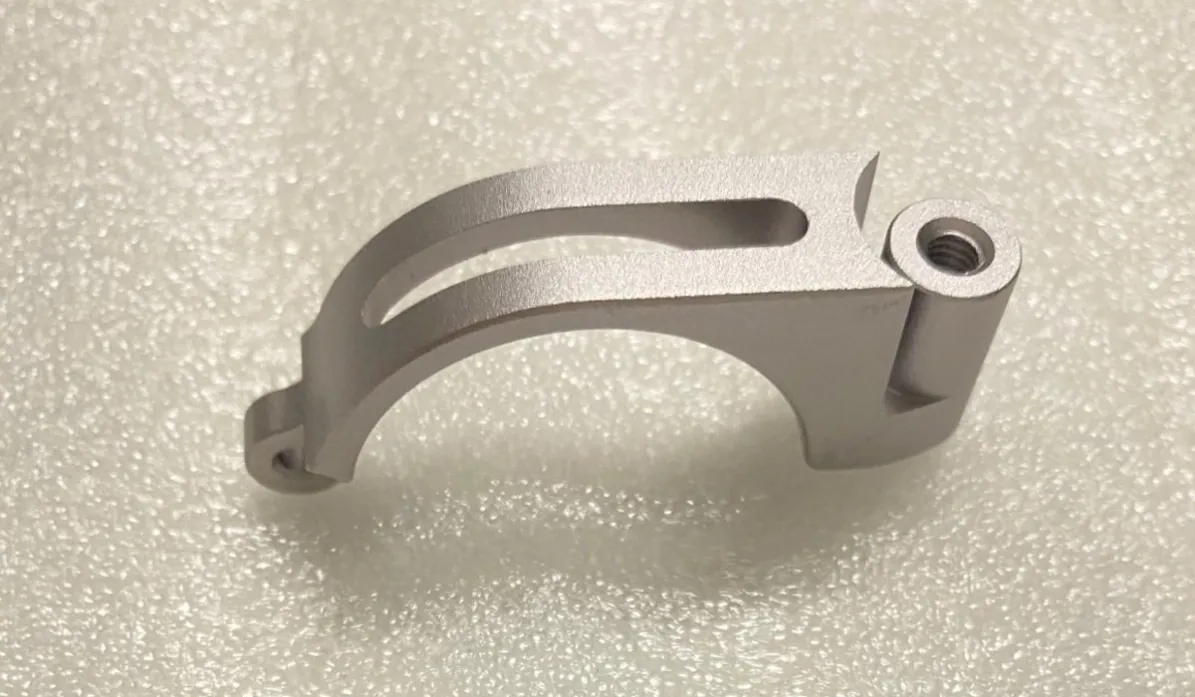
Yes — we machine the mechanical parts lab automation runs on: microplate nests and carriers, gripper fingers, robot end-of-arm fixtures, teach plates and calibration fixtures. Send the drawing, the model, or the plate and deck dimensions the part has to mate with, and we will quote from that. These are repeat-position parts, and they are quoted and inspected that way.
The parts we make
- Microplate nests and carriers. Nests built to the ANSI/SLAS microplate footprint (formerly the SBS standard), 127.76 × 85.48 mm (5.03 × 3.37 in), with the lead-in and locating features your handler needs.
- Grippers and gripper fingers. Fingers and jaws that pick plates, tubes and caps without marking or cracking them.
- Robot end-of-arm fixtures. Lightweight end fixtures that carry a nest, a gripper or a sensor at the end of a robot arm, where every gram counts against the payload.
- Teach plates and calibration fixtures. The reference parts used to teach robot positions and verify a deck — simple geometry, but the datums have to be exactly where the drawing says.
- Mounting brackets and adapters. The brackets that tie nests, sensors and feeders into a deck, including adapter plates between different footprints.
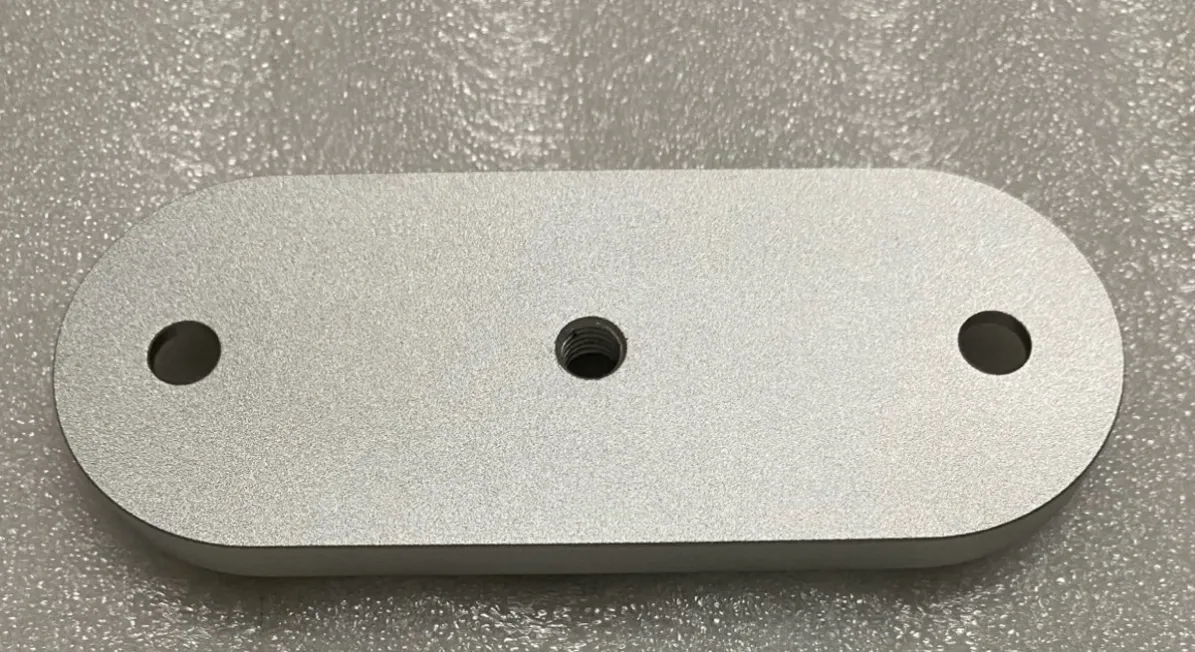
Materials: light, kind to plates, easy to keep clean
Most structural parts are 6061-T6 aluminum with black anodizing. The black finish is not just cosmetic in a lab: it cuts reflections, which keeps barcode scanners and vision cameras from misreading under bright deck lighting — one of the main reasons black anodize is specified on automation parts. POM is the usual choice for gripper fingers and wear surfaces: low friction, forgiving when it touches a plate, and quiet. PEEK covers the parts that need more temperature or chemical resistance. Stainless steel is used where the part is wiped down constantly — anodized aluminum shrugs off 70% alcohol wipes, but long-term exposure to chlorine-based or alkaline disinfectants damages the anodized layer, and in those areas stainless or PEEK is the safer specification. These parts are close cousins of the medical and lab instrument parts we machine, and they follow the same inspection routine.
What makes a nest work: the locating details
A plate nest has one job — put the plate in exactly the same place, every cycle, tens of thousands of times. Three details do most of the work:
- Lead-in chamfers. Generous chamfers at the entry guide the plate in as the robot sets it down, so a small placement error corrects itself instead of hanging up on an edge.
- A datum corner, and a spring to push the plate into it. Nests are located off one corner: fixed stops on two sides, and a spring-loaded pusher on the other two that seats the plate against the datum corner after every placement. That spring corner is what turns a loose fit into a repeatable position.
- Edges that do not bite. Every edge a plate can touch is broken or radiused, so plates slide instead of shaving plastic into the deck.
For end-of-arm fixtures, the same thinking applies to weight: pockets and thin sections keep the fixture stiff where it mounts and light where it reaches. Laser marking is available for part numbers and orientation marks, so a fixture goes back together the same way it came apart.
Inspection and packing
Critical dimensions are recorded against the drawing — on a nest, that means the locating faces and the datum corner, checked against the ANSI/SLAS footprint the plate will bring with it. Locating faces are protected in packing: parts are separated and wrapped individually so the surfaces that position your plates do not arrive with dings in them. First article reports, material certificates and certificates of conformance can travel with the parts on request, as they do on our semiconductor equipment work.
What to send for a quote
The drawing or model; if the part mates with a plate, a deck or a robot, the interface dimensions (or the mating part itself); the material and finish; and the quantity. If you only have a sample of the part you need remade, send the sample — we can work from it. Send your drawing / sample for a quote via our contact page — enquiries are answered within 8 hours and quotes usually come back within 24 hours.
FAQ
Do you build nests to the ANSI/SLAS standard? Yes. Nests and carriers are machined to the ANSI/SLAS microplate footprint (formerly SBS), 127.76 × 85.48 mm (5.03 × 3.37 in), with the locating features your handler uses — datum corner, spring pusher, lead-in chamfers.
Why black anodizing on lab automation parts? Two reasons: it is a hard, wear-resistant finish on a part that is handled constantly, and the matte black surface cuts reflections that interfere with barcode scanners and vision cameras on the deck.
What material should gripper fingers be? POM, in most cases — low friction, gentle on plates and tubes, and it gives a little instead of cracking what it grips. PEEK where heat or chemicals rule POM out, and aluminum where the finger is also a structural part.
Can you make a complete end-of-arm fixture, not just the pieces? Yes — the mounting plate, nest or gripper interface and brackets as one set, machined to the same datums, so it assembles without shimming.
The part gets disinfected daily. What survives that? Alcohol-based wipes are fine on anodized aluminum. If the protocol uses chlorine-based or alkaline disinfectants, specify stainless steel or PEEK for the exposed parts — anodizing degrades under long-term exposure to them.
How fast can you turn lab automation parts around? Small batches of straightforward parts typically run 3–5 days; simple parts can ship in 24–48 hours depending on complexity. Send the drawing and the quote will carry a real lead time.