Small Parts in Bulk: Turning Runs That Arrive Counted, Sorted and Undamaged
Small turned parts by the tray and by the thousand — 304 stainless steel and 6061-T6 aluminum runs where consistency, counting and tray packaging matter as much as the machining.
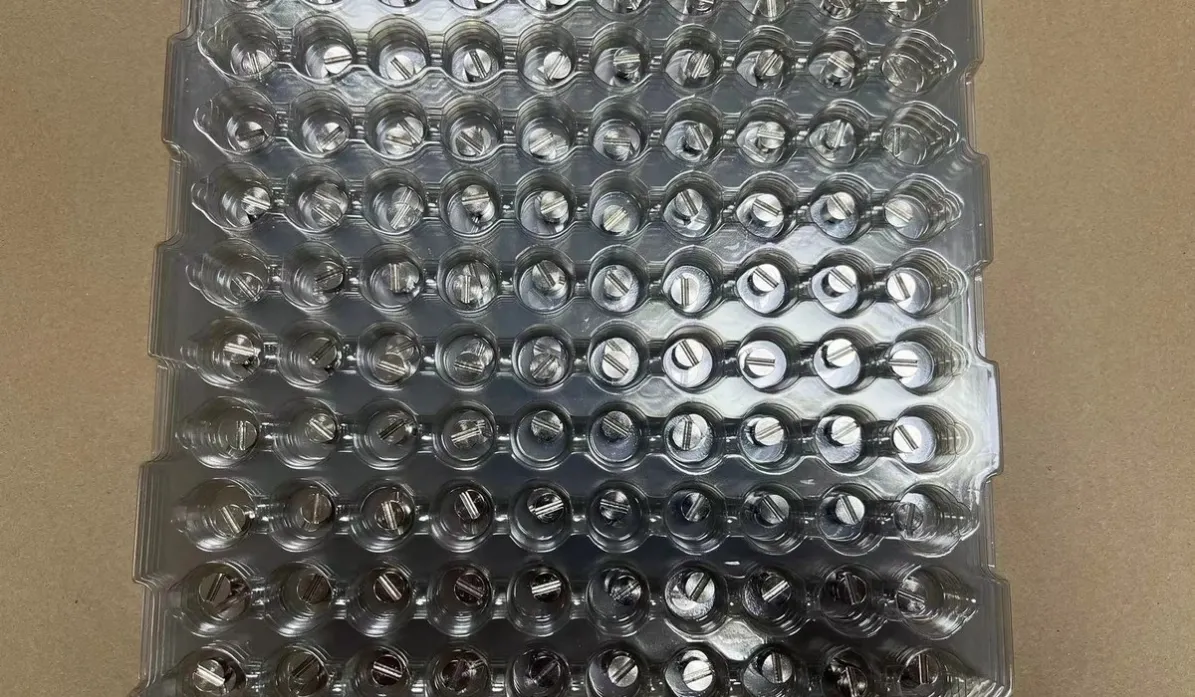
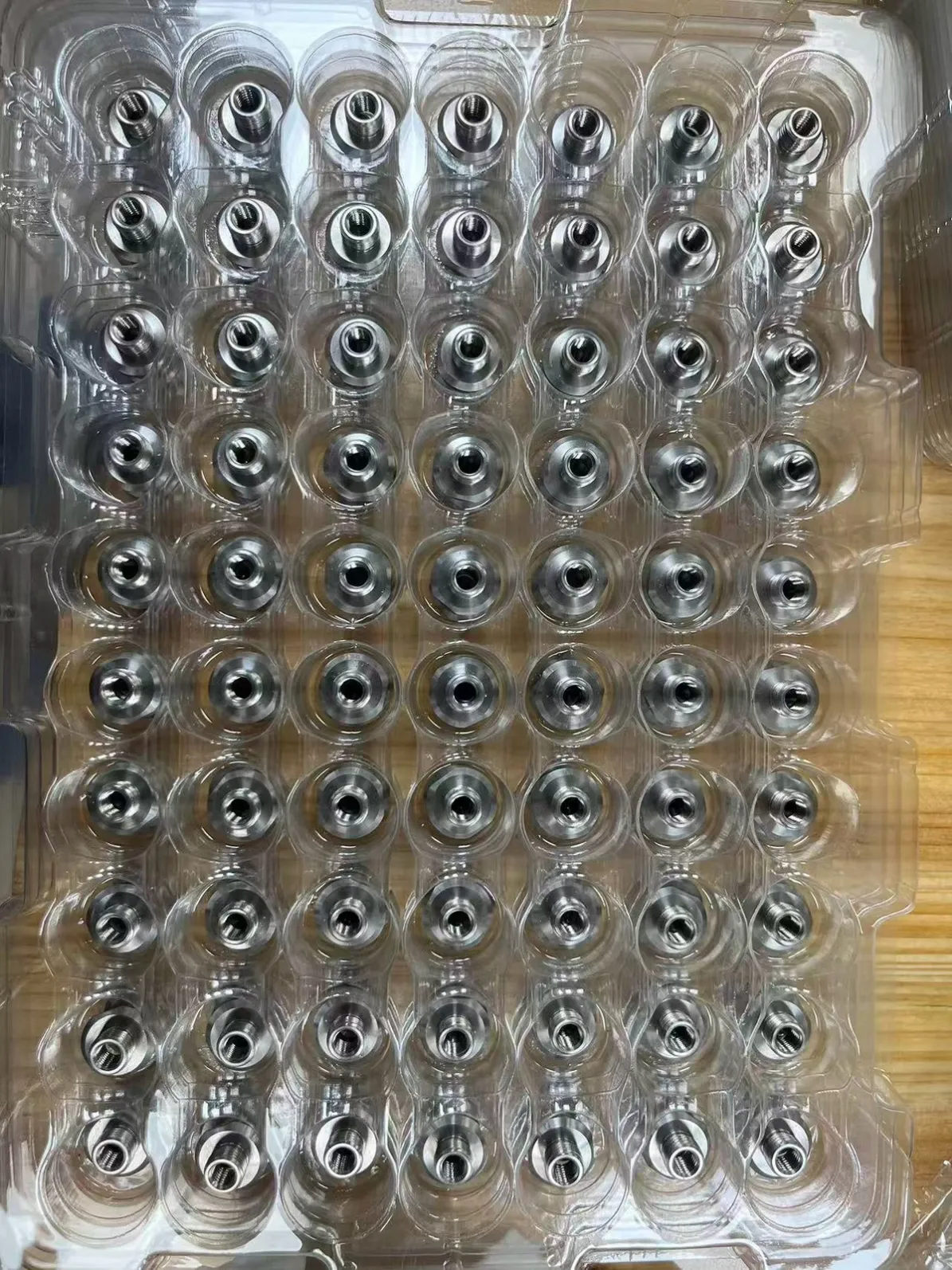
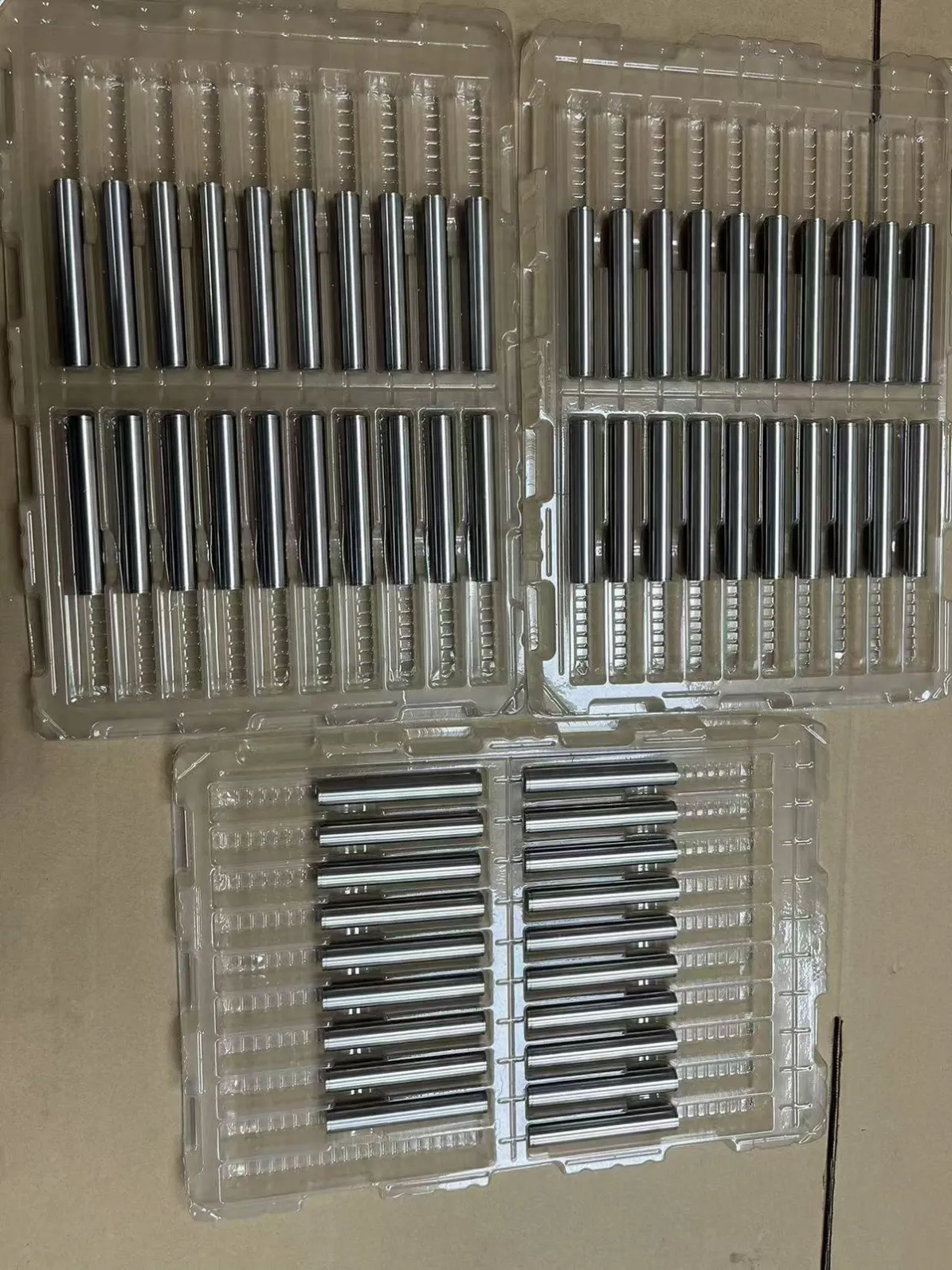
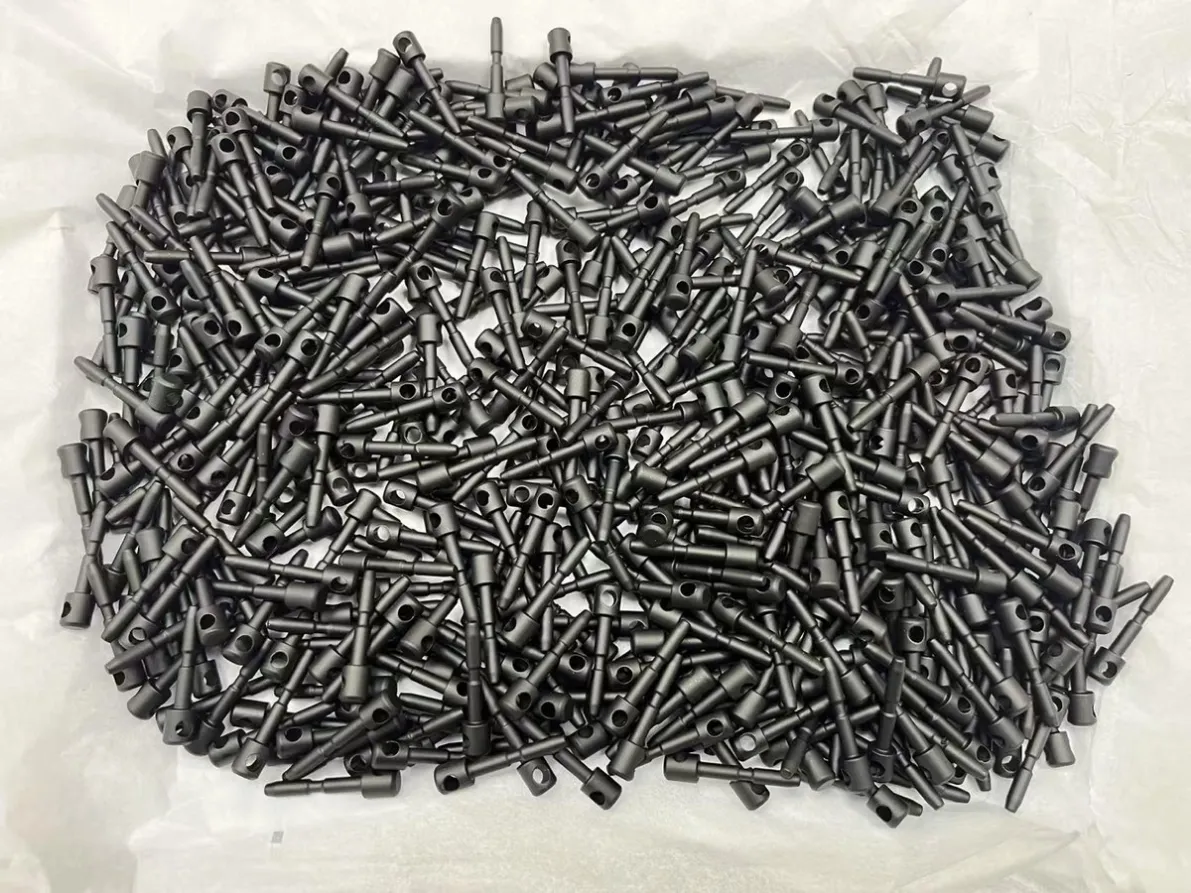
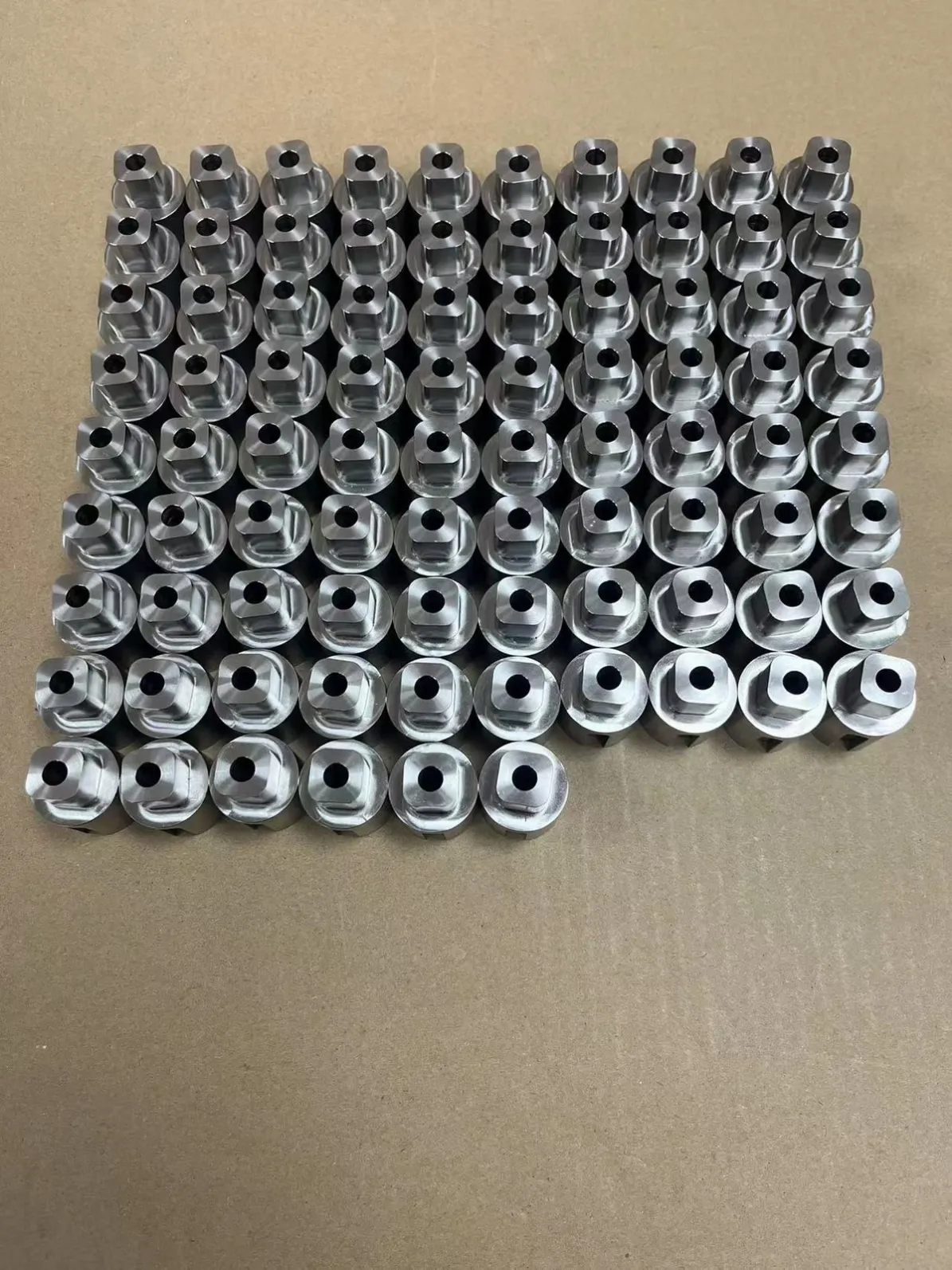
Small turned parts live a double life. Individually they are simple — a ring, a pin, a small shaft, a square-head fitting. In bulk they become a logistics problem: thousands of near-identical pieces that must all match the first one, arrive counted rather than approximate, and reach the assembly line without the dings and tangles that loose small parts collect. The trays in our photos are how these runs actually ship, and they say more about bulk small-part work than any single part could.
Consistency is the product
A prototype proves a part can be made; a bulk run proves it can be made the same way a thousand times. On runs like the 304 stainless steel and 6061-T6 aluminum parts pictured, the discipline is process discipline: bar-fed turning with the program, tooling and offsets settled on the first articles, tool changes made on schedule rather than on failure, and checks through the run so a drifting dimension is caught at part fifty rather than part five hundred. The materials help — 304 stainless steel and 6061-T6 aluminum are both well-behaved turning materials — but the batch quality comes from the routine, not the alloy. Where a small part also carries a milled feature, the same runs move to turn-mill machining without changing the logic.
Why trays, not bags
Loose small parts damage each other. Threads peen threads, sharp edges mark finished faces, and long thin parts arrive tangled like wire. Tray packaging — each part in its own cell, trays stacked for the carton — solves four problems at once:
- Protection. Parts never touch each other, so turned finishes and threads arrive as they left the machine.
- Counting. A full tray is a known quantity; a run is verified by trays, not by weighing and hoping.
- Handling at your end. Trays go straight to the assembly bench and present parts in order — no decanting, no sorting.
- Inspection. A tray is a visible sample of the run; a problem shows itself across a tray face instead of hiding in a bag.
For parts that ship loose by design — bulk fasteners and the like — the packing changes, but the principle does not: our packing article covers how the method is chosen per part.
Finishes on bulk small parts
Small parts take the finishes their material and service call for — black oxide on steel batch parts (the subject of our batch turning piece), anodizing on aluminum runs, passivation on stainless. Bulk finishing is its own discipline: parts are processed in baskets or barrels sized to the part, so coverage is even and edges survive. A finish that works on a one-off housing can destroy a tray of small parts if it is run the wrong way, which is why the finish route is settled with the quote, not after the machining.
What to tell us for a bulk quote
Quantity — and the quantity range, if it may grow. The per-part price of a turning run is set by cycle time and setup spread across the batch, so a quote for 500 and a quote for 5,000 are different animals. Add the material, the finish, and how you want the parts packed (trays, bags, or your own packaging spec), and the quote comes back with the packing included rather than improvised. Send it to our CNC turning team with the drawing; small parts are quoted fast because the questions are few and known.
FAQ
What quantities count as a bulk run? There is no hard line — the economics shift gradually from tens (setup dominates) through hundreds and thousands (cycle time dominates). Tell us the quantity and the likely repeat pattern; repeat runs of the same part are priced with the setup already proven.
Why do the parts come in trays instead of bags? Protection, counting and handling. Tray cells keep finished surfaces and threads apart, a full tray is an exact count, and your assembly bench can work straight from the tray. For parts where loose packing is safe and preferred, we pack loose — the drawing or the enquiry decides.
Can bulk small parts be finished as well as machined? Yes — anodizing for aluminum, black oxide and passivation for steel and stainless, plating where specified. The finishing method is matched to the part size so small features and threads survive the process.
How do you keep a long run consistent? Settled programs and tooling from approved first articles, scheduled tool changes, and in-run checks against the drawing's key dimensions. A drifting dimension is caught early in the run, not discovered at final inspection.
Can you supply the same part on a repeating schedule? Yes — repeat orders of a proven part are the normal pattern for bulk small parts. The program, tooling and inspection routine are kept with the job, so batch twelve matches batch one.