Silver Plating for Electrical Contacts
Silver is the best electrical conductor of any metal, and its surface film stays conductive — which is why power contacts are silver plated. Silver or gold? How to choose.
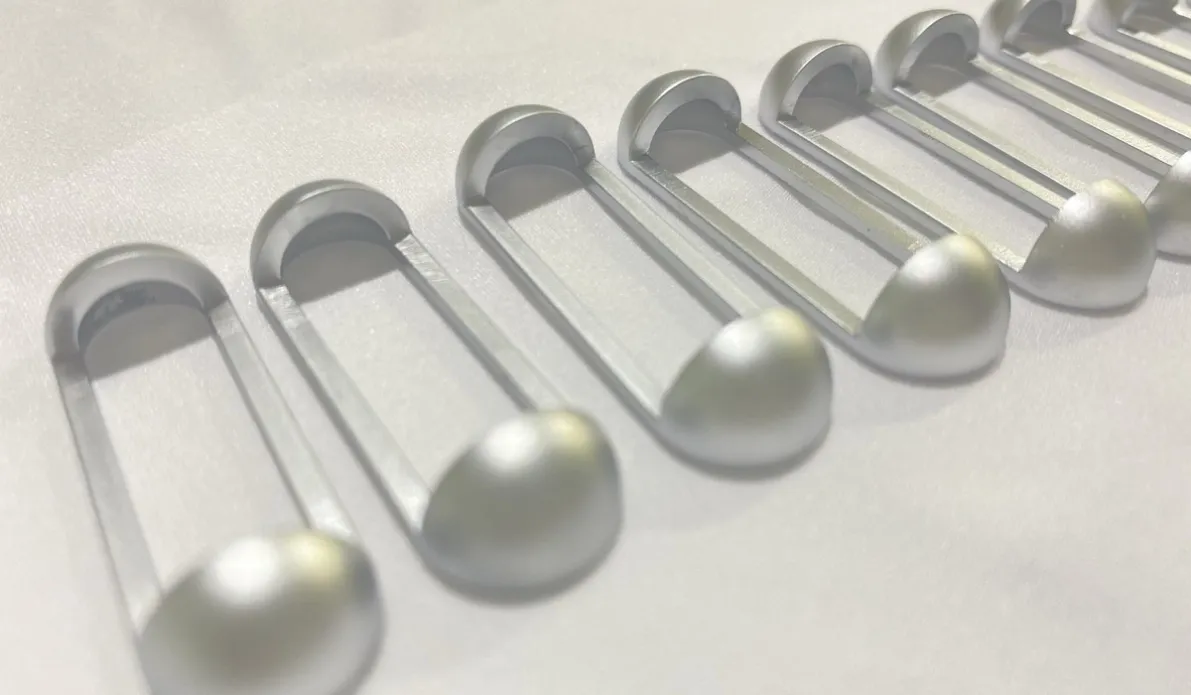
Yes — we supply silver plating on electrical contacts, terminals and busbar parts, on copper, brass and beryllium copper. We plate in gold as well, and the two get confused often enough that this page exists: silver and gold are both "precious metal contact finishes", but they suit different contacts. Silver is the power contact finish. Gold is the signal contact finish. Here is why, and how to pick.
Why silver: the best conductor there is
Silver conducts electricity better than any other metal — better than copper, better than gold. On a contact, what matters is the resistance where the two faces meet, and a silver-plated face keeps that contact resistance as low as it can go. That is why silver is the standard finish where real current flows: power contacts, switchgear parts, charger contacts, busbar joints.
Silver has a second property that matters just as much. Most metals grow a surface film in air, and most films are insulators — copper's oxides are the classic problem, a dull green-brown layer that a contact then has to punch through. Silver's surface film is different: it stays conductive, and it is soft, so ordinary contact pressure wipes through it and the faces meet metal to metal. A silver contact that has sat on a shelf for a year still makes a good connection when it is bolted or pressed together. Few other finishes forgive storage like that.
Silver also conducts heat better than any other metal, which helps a contact shed the heat its own resistance generates — one more reason it belongs on the high-current end of the range.
Silver or gold: how to choose
Gold's great virtue is that it does nothing. It does not tarnish, does not oxidize, does not react — a gold contact surface in ten years is the surface you plated. That makes gold the right finish where the electrical conditions are gentle and unforgiving at the same time: low voltages, low currents, low contact force, contacts that mate rarely and must work first time. Signal contacts, connector pins, test points. Gold is also expensive, and it is soft and thin in typical use, so it is not the finish for heavy current or frequent sliding wear.
Silver is the opposite profile:
- Current capacity. Silver wins outright. For power contacts, high-current terminals and busbar faces, silver is the default and gold is not really a candidate.
- Cost. Silver is far cheaper than gold per part, which matters on larger contact faces — a plated busbar in gold would be a painful line item.
- Tarnish. Silver darkens in air, especially air carrying sulfur (industrial areas, rubber and some packaging materials nearby). The darkening is mostly cosmetic on a working contact — the film stays conductive and wipes aside under pressure — but it looks like neglect, which leads to the storage notes below.
- Soldering. Fresh silver solders beautifully. Tarnished silver solders badly. If the part will be soldered, store it properly and plate it reasonably close to assembly, or tell us at quote stage so the packing protects it.
- Wear. A frequently mated or sliding contact wears any plating; silver handles power-duty wear well, and the plating thickness is set on the drawing to suit the duty.
Our article on beryllium copper stampings covers the spring-contact side — parts that are stamped, bent and gold plated — and the copper busbar article covers the heavy copper parts that usually carry the silver. The base metals themselves are compared in our copper and brass grades guide.
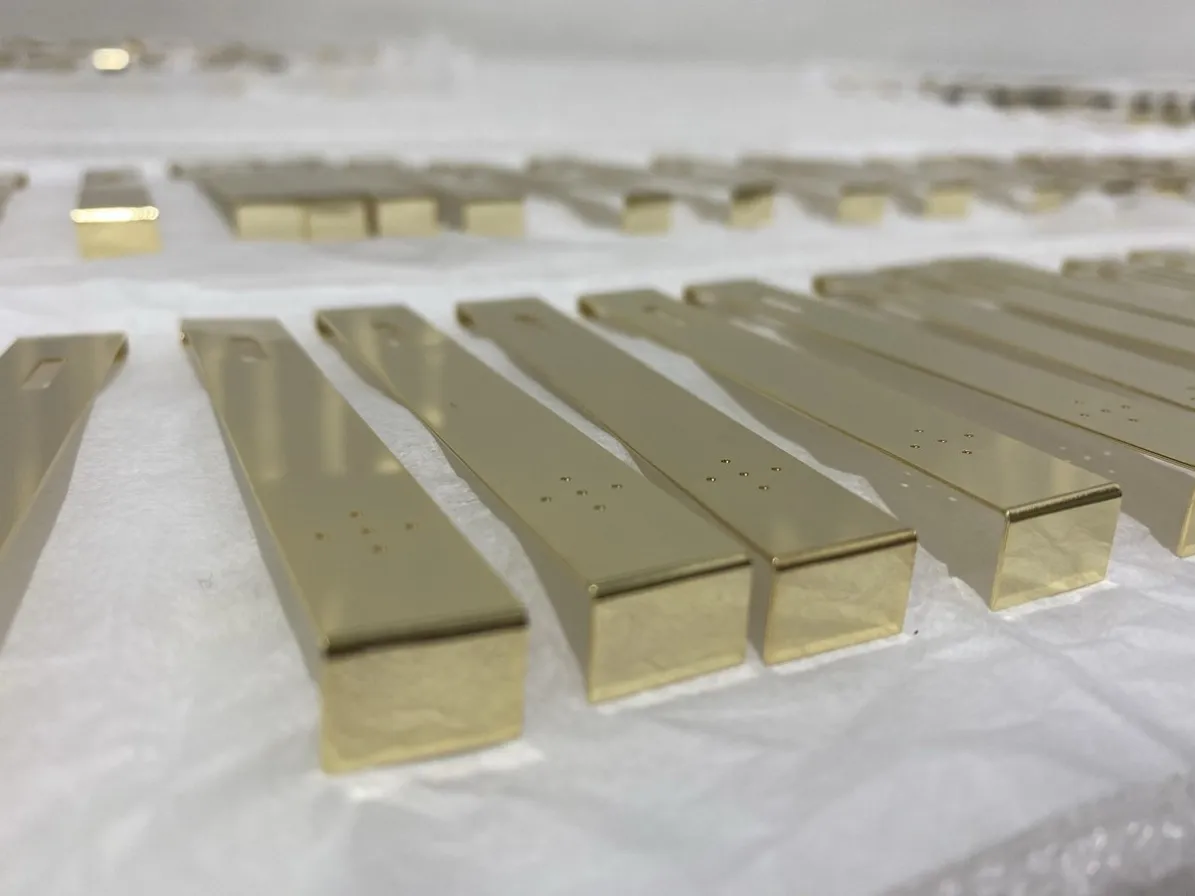
The darkening question, honestly
Silver tarnish is silver sulfide, formed with sulfur in the air. It ranges from a faint straw color to near black, and buyers sometimes reject a tray of contacts on sight because they look old. Electrically, a working contact does not care — under bolt pressure or spring force the film gives way and resistance stays low. Where it does matter: soldered joints (tarnish resists solder), sliding contacts at very low force, and any part whose appearance is inspected by your customer.
Storage is the control. Silver-plated parts should stay in their sealed bags until use, stored dry, away from rubber bands, sulfur-bearing cardboard and industrial fumes. We pack plated parts sealed as standard; if your stores area is not kind to silver, say so and we will pack accordingly. And if a batch will sit for a long time before assembly, gold — or a thicker silver plate accepted as a working surface — is the honest recommendation. We will tell you which way we would go at quote stage.
Thickness: on the drawing, not guessed
Plating thickness is a drawing callout. It follows the duty — current, mating cycles, environment, shelf life — and those are the designer's numbers, not ours to invent. State the thickness (and the standard you work to, if your quality system has one) on the drawing or in the enquiry, and we plate to it. If the callout is missing, we will ask rather than assume: too thin fails early, too thick wastes precious metal on every part.
What to send for a quote
The drawing with the plating callout — silver, the thickness, and which faces are plated (contact faces only, or all over). The base metal and quantity complete the picture. Send it via our contact page — enquiries are answered within 8 hours and quotes usually come back within 24 hours.
FAQ
Why plate a copper contact with silver at all — isn't copper conductive enough? Copper is a good conductor, but its surface oxidizes into a film that resists current, and contact resistance climbs. Silver conducts better than copper and its surface film stays conductive, so a silver face keeps contact resistance low and stable over time.
Does tarnished silver still work as a contact? Yes, for a pressed or bolted contact — the film is soft and conductive, and contact pressure wipes through it. Tarnish is a real problem for soldering and for very low-force contacts, which is why storage and timing matter for those.
Silver or gold for a connector pin? For a low-current signal pin that must work after years on a shelf, gold — it never tarnishes. For anything carrying real current, silver. If you are not sure which duty your part is in, send the drawing and the working conditions and we will recommend.
Can you silver plate busbars and larger parts, or only small contacts? Both. Silver goes on small stamped contacts and on machined copper parts like busbars, where the plated face is the joint face. Tell us which faces need plating on the drawing.
How should silver-plated parts be stored? Sealed in their bags, dry, away from rubber and sulfur-bearing materials. Open the bag when you are ready to assemble, not at goods-in inspection weeks earlier.