Stamping vs Laser Cutting Sheet Metal
Stamping wins on volume and formed features; laser cutting wins on flexibility. How the quantity and the part shape decide which process fits.
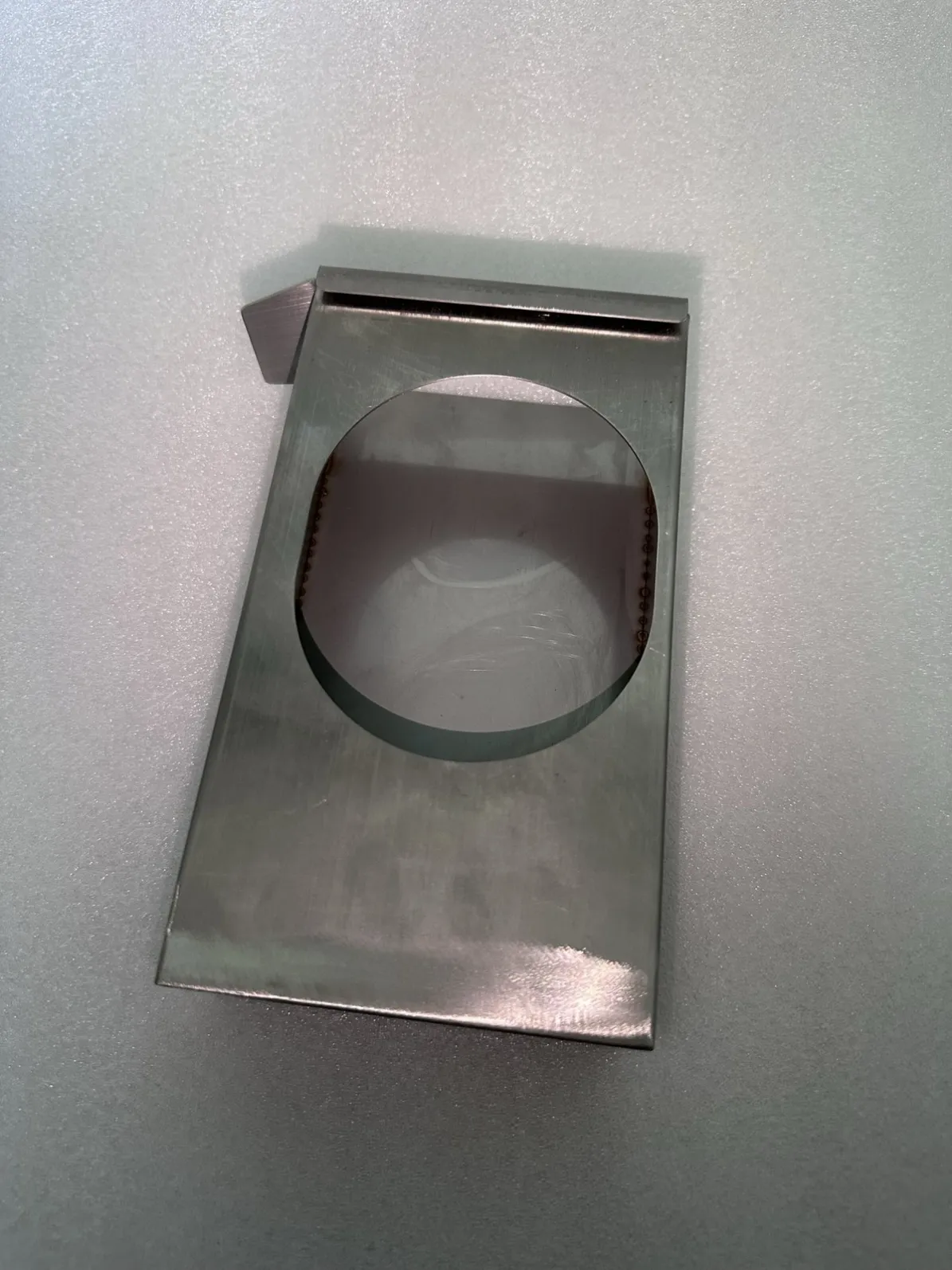
Flat sheet metal parts start life two ways: cut one at a time on a laser, or blanked and formed stroke after stroke in a stamping press. Plenty of parts could be made either way — the choice comes down to quantity, shape and how settled the design is. Stamping rewards volume and repetition; laser cutting rewards flexibility. Send us the drawing with an expected quantity and we will quote the route that fits — inquiries answered within 8 hours, quotes usually within 24 hours, shipped worldwide.
What each process actually does
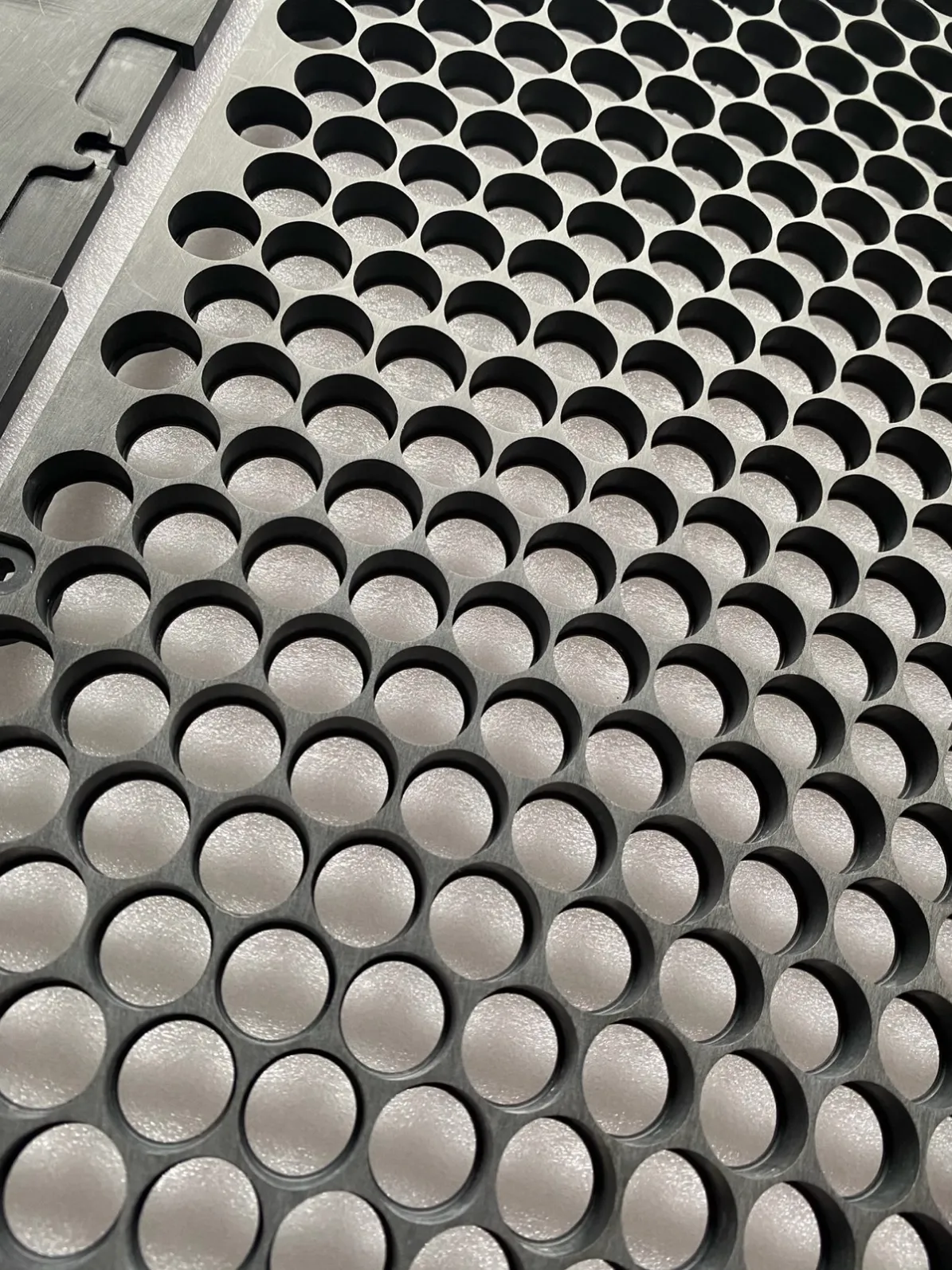
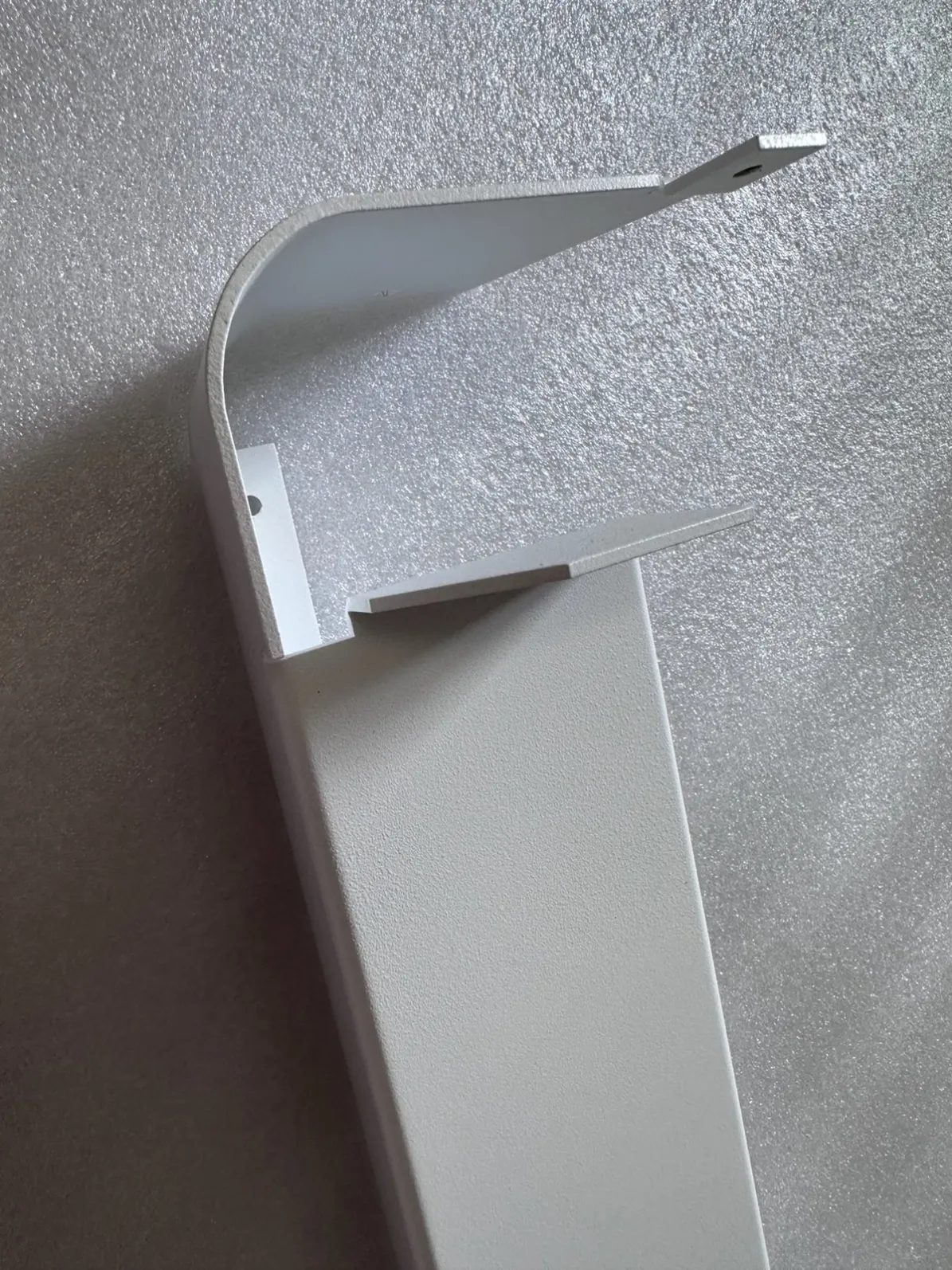
A laser cutter traces the part outline with a focused beam, cutting profile and holes in one program — no part-specific tooling: change the program and the next part off the table is a different part — the same flexibility we compare in laser cutting vs CNC milling. Flat parts still need bending afterward, on a press brake, to become brackets, covers or enclosures.
A stamping press drives a die — a hardened tool built for one specific part — through the sheet. Each stroke blanks the outline, pierces the holes, and can form features in the same hit: embosses, louvers, countersinks, drawn shapes and bends no flat cutting process can produce. Once the die is set up, parts come off far faster than any cutting process can match, and every part is identical — program versus dedicated tool drives everything else in this comparison.
Where stamping wins
- Volume and repeatability. The die is a one-time cost spread across the run, each stroke takes seconds, and a die does not drift — the ten-thousandth part matches the first.
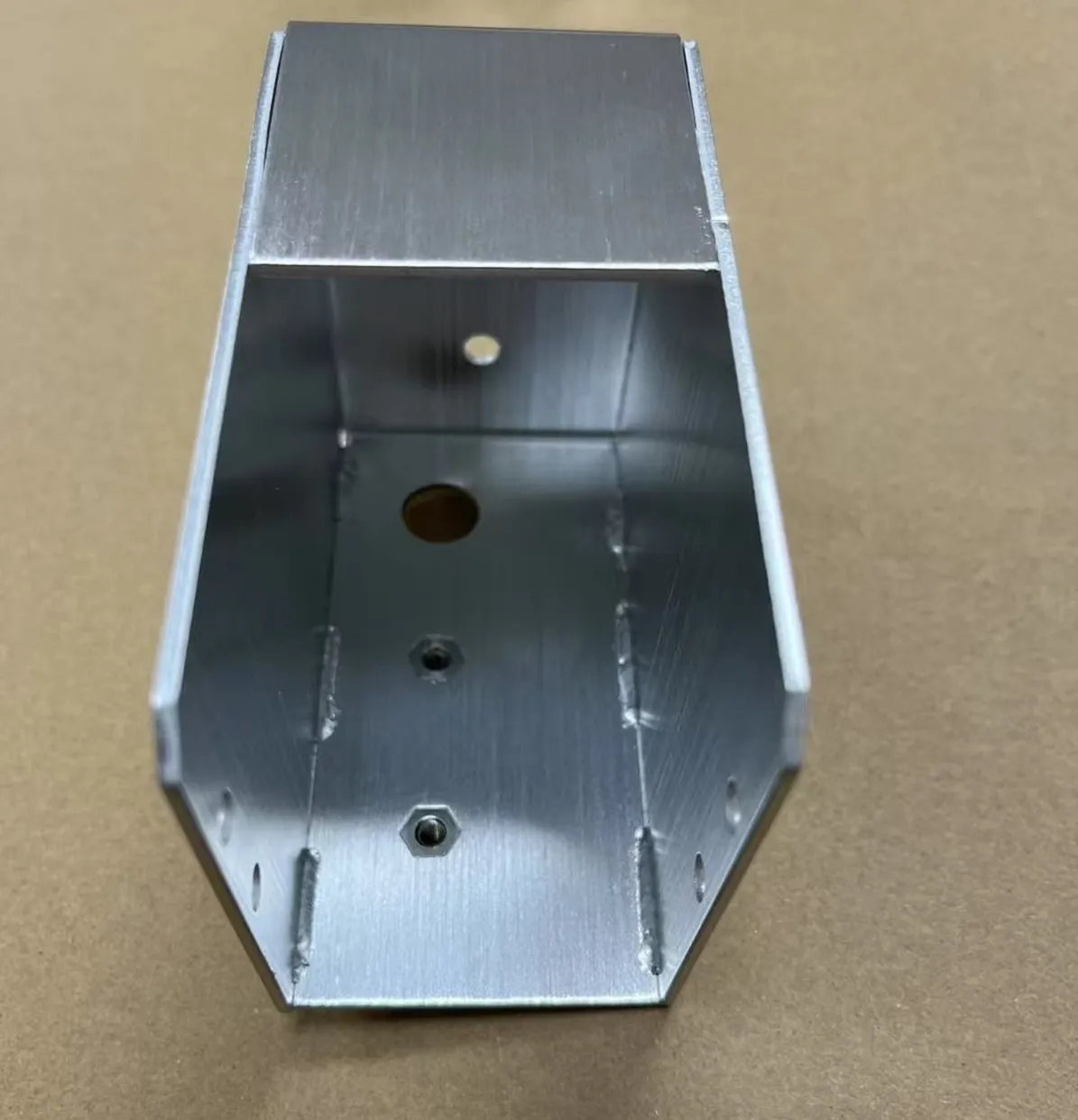
- Formed features. Anything pushed out of the flat plane — a drawn cup, an embossed rib, a louver, a coined seat — is natural die work and impossible for a laser. Parts needing forming beyond simple bends often have no choice.
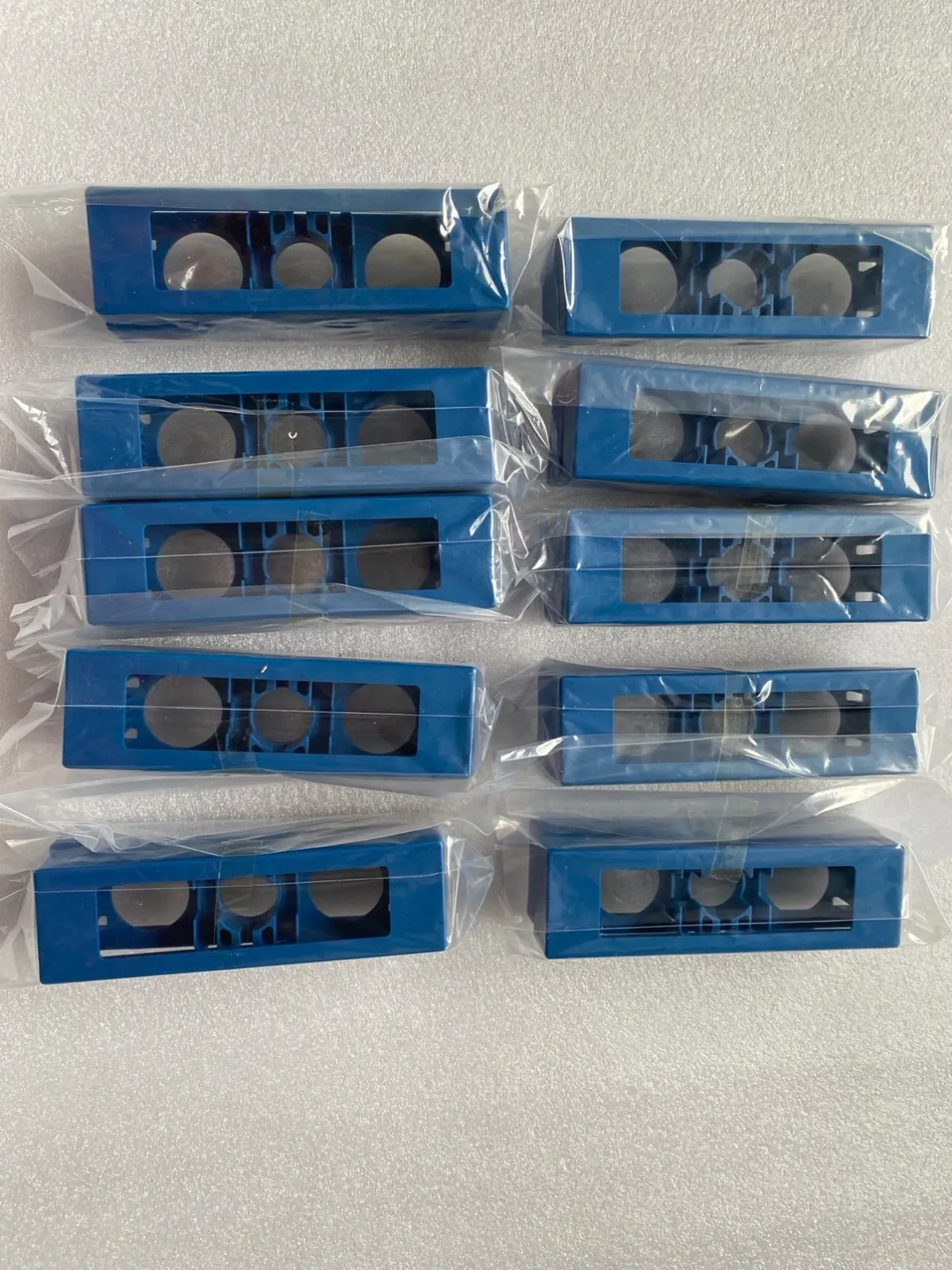
- Small parts in quantity. Contacts, clips, washers, shims and terminals are classic stamping work: small, flat or lightly formed, needed by the thousand.
Our stamping runs on three presses, best suited to exactly these parts.
Where laser cutting wins
- No tooling, no waiting. A laser part can be cut as soon as the program is made. For prototypes and design iterations, that head start matters more than per-part cost.
- Small and mixed batches. Ten of one bracket and fifty of another is ordinary laser work; on a press, each would need its own die, and tooling would dwarf the value of the parts.
- Designs that are still moving. Hole moved 2 mm (0.079")? Flange shortened? On the laser, a program edit; in a die, tool rework with cost and delay.
- Large parts in low numbers. Panels, equipment frames and covers — see our article on sheet metal equipment frames and panels — are cut and bent, not stamped.
Side by side
| Laser cutting | Stamping | |
|---|---|---|
| Tooling | None — program only | Dedicated die per part |
| Best quantity range | Prototypes to medium batches | Medium to high volume, repeat orders |
| Formed features | None — flat profile only, bends added later | Blanking, piercing and forming in one stroke |
| Design changes | Program edit, same day | Die rework — slower, costlier |
| Typical parts | Panels, covers, frames, prototype brackets | Clips, contacts, brackets in quantity |
The quantity question, without a magic number
Buyers often ask for the break-even quantity, and the honest answer is that there is no universal one. It depends on part size, die complexity, formed features and design stability. A small flat clip crosses over early; a large panel with no formed features may never cross over — the die would be big and expensive.
The practical way to decide is to quote both routes at your real quantity — and at next year's expected quantity. If the design is frozen and orders repeat, stamping usually pulls ahead quickly; if it is still changing, zero tooling beats a lower per-part price. We quote both ways on the same drawing, so the comparison uses your numbers.
Design points that matter for both
- Bend radii and flange lengths. Either way, the bending rules are the same: inside radius at least the sheet thickness, flanges long enough for the brake tooling, holes clear of the bend zone. Our article on sheet metal design tips covers these in detail.
- Hole positions relative to bends. A hole too close to a bend line pulls oval during forming in either process; if one must sit near a bend, say so — it can sometimes be pierced after bending.
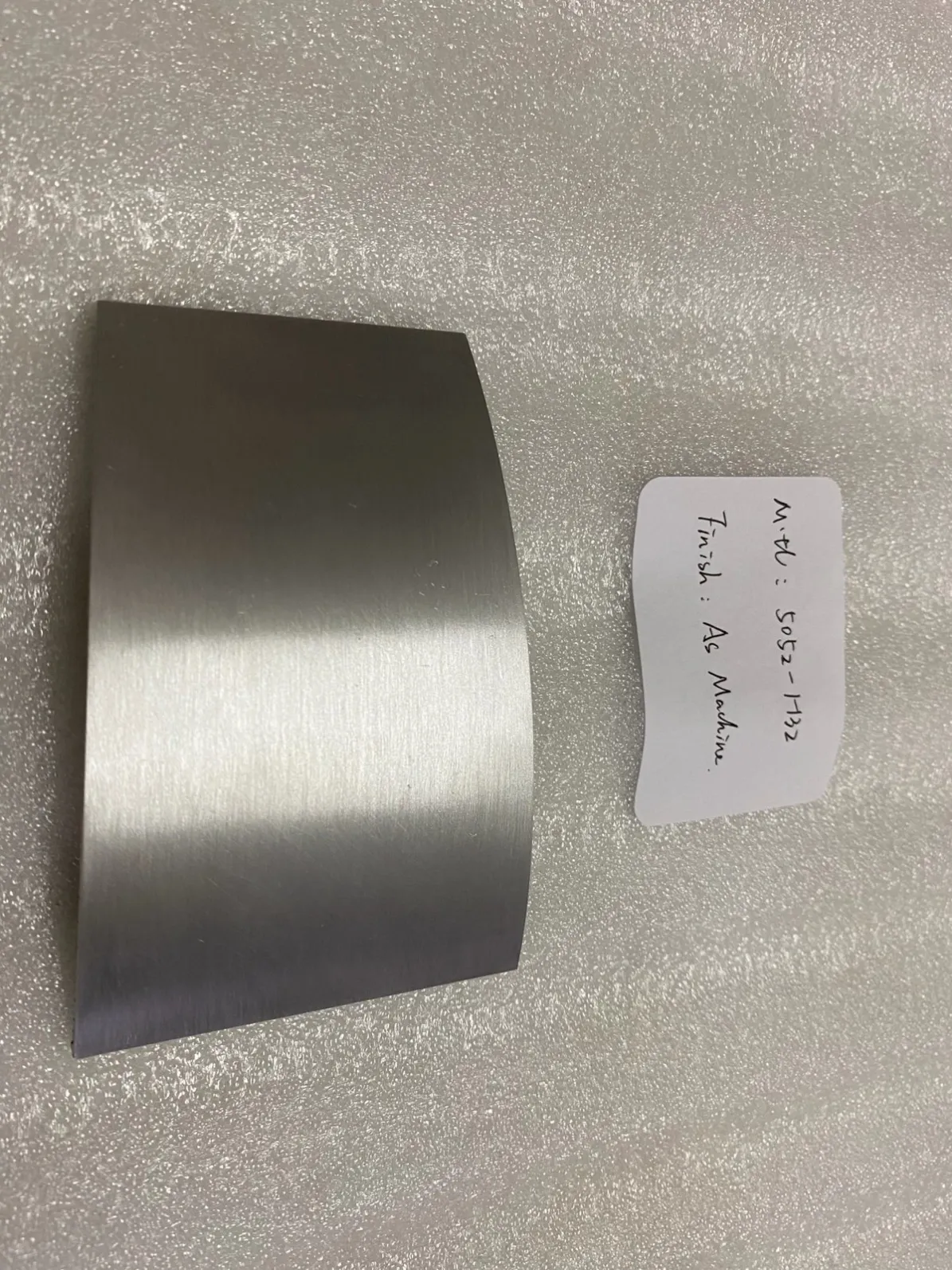
- Material in full. Write grade and temper on the drawing — 5052-H32 aluminum, 304 stainless steel, SPCC or SGCC steel — because springback and die clearances depend on it.
- Tolerances where they matter. Blanket tight tolerances push cost up in both processes; tolerance the hole patterns and mating edges, and let the rest follow general tolerances.
A common route: laser first, stamp later
Many parts take both roads in sequence: laser cut and brake-formed while the design settles, then a die once it freezes and volumes climb. Nothing about the part changes, and starting on the laser de-risks the die — the part has already been built, fitted and approved in final form.
At that decision point now? Send the drawing and quantities through our contact page — we will tell you which route we would run, and why.
FAQ
At what quantity does stamping become cheaper than laser cutting? No fixed number — it depends on part size, die complexity and formed features. Small parts cross over early; large panels may never justify a die. Quote both routes at your actual quantity to decide.
Can a laser-cut part be switched to stamping later without redesigning it? Usually yes — finished geometry stays the same, only the blanking method changes. The checks are hole-to-bend distances and formed features, so mention future volumes when quoting the first batch.
What features can stamping add that laser cutting cannot? Anything formed out of the flat plane: embosses, louvers, countersinks, drawn shapes and some bends, all in the same stroke as blanking and piercing. A laser cuts flat profiles only.
Do you make the dies? Stamping runs on dedicated dies built for the part; we arrange tooling as part of setting up the job, with die cost quoted up front so you can weigh it against laser cutting.
Which process is more accurate? Both hold normal sheet metal tolerances, and a well-made die is extremely repeatable. In practice, hole distortion near bends and springback matter more — both controlled by design and setup.