Laser Cutting vs CNC Milling for Flat Parts: Which Fits Your Part
Laser cutting vs CNC milling for flat parts: which process fits your profile, holes, pockets and tolerances, and where each one wins on cost.
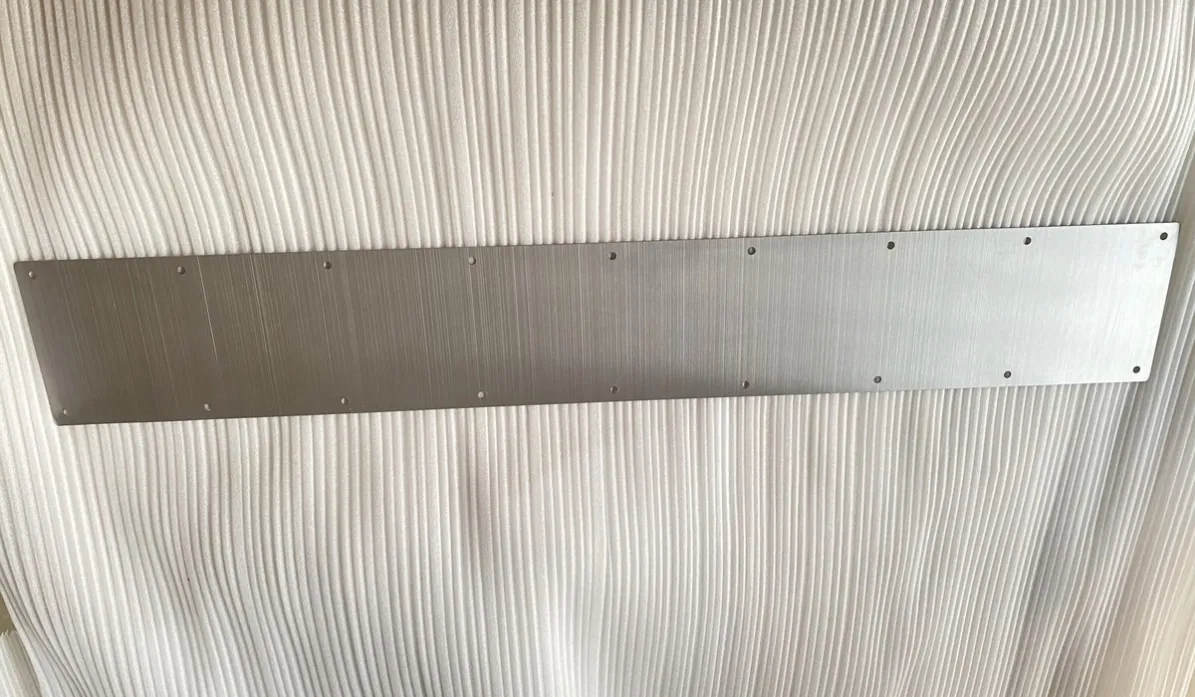
For a flat part, the choice between laser cutting and CNC milling comes down to one question: is the part really just a profile, or does it have features a cutting beam cannot make? If the part is a flat outline with holes and slots, all in one thickness, laser cutting is faster and cheaper. If it has pockets, steps, countersinks, tapped holes or a face that has to be flat and finished, it belongs on a mill. Many parts sit in between, and those are the ones worth a minute of thought before you order.
The Difference in One Paragraph
A laser cuts a profile through sheet or plate. It follows the outline and the internal cutouts, and what falls out is your part, at the full thickness of the sheet, with square edges and nothing machined on either face. A milling machine works from solid stock with a rotating cutter. It can cut the same profile, but it can also stop partway through: pockets, recesses, chamfers, counterbores and threads are all normal milling work. Laser cutting is a through-cut process; milling is a shaping process. Almost every difference in the table below follows from that.
Side by Side
| Laser cutting | CNC milling | |
|---|---|---|
| Shape capability | Flat profiles, holes, slots, cutouts | Profiles plus pockets, steps, 3D faces |
| Thickness | Sheet and plate, confirmed against the drawing | Solid stock, machined to any thickness on the drawing |
| Tolerance | ±0.1 mm (±0.004") | ±0.1 mm (±0.004") standard, ±0.01 mm (±0.0004") achievable |
| Edge quality | Clean cut edge, light oxide or dross on some materials | Machined edge, finish set by the cutter and feed |
| Face finish | The sheet's own surface, as supplied | Machined finish, can be specified |
| Threads and countersinks | No — holes only | Yes, tapped and countersunk in the same setup |
| Cost drivers | Cut length, number of pierces, sheet usage | Machining time, setups, tool changes |
| Lead time | Fast — simple parts can ship in 24–48 hours | Prototypes typically 3–5 days |
When Laser Cutting Wins
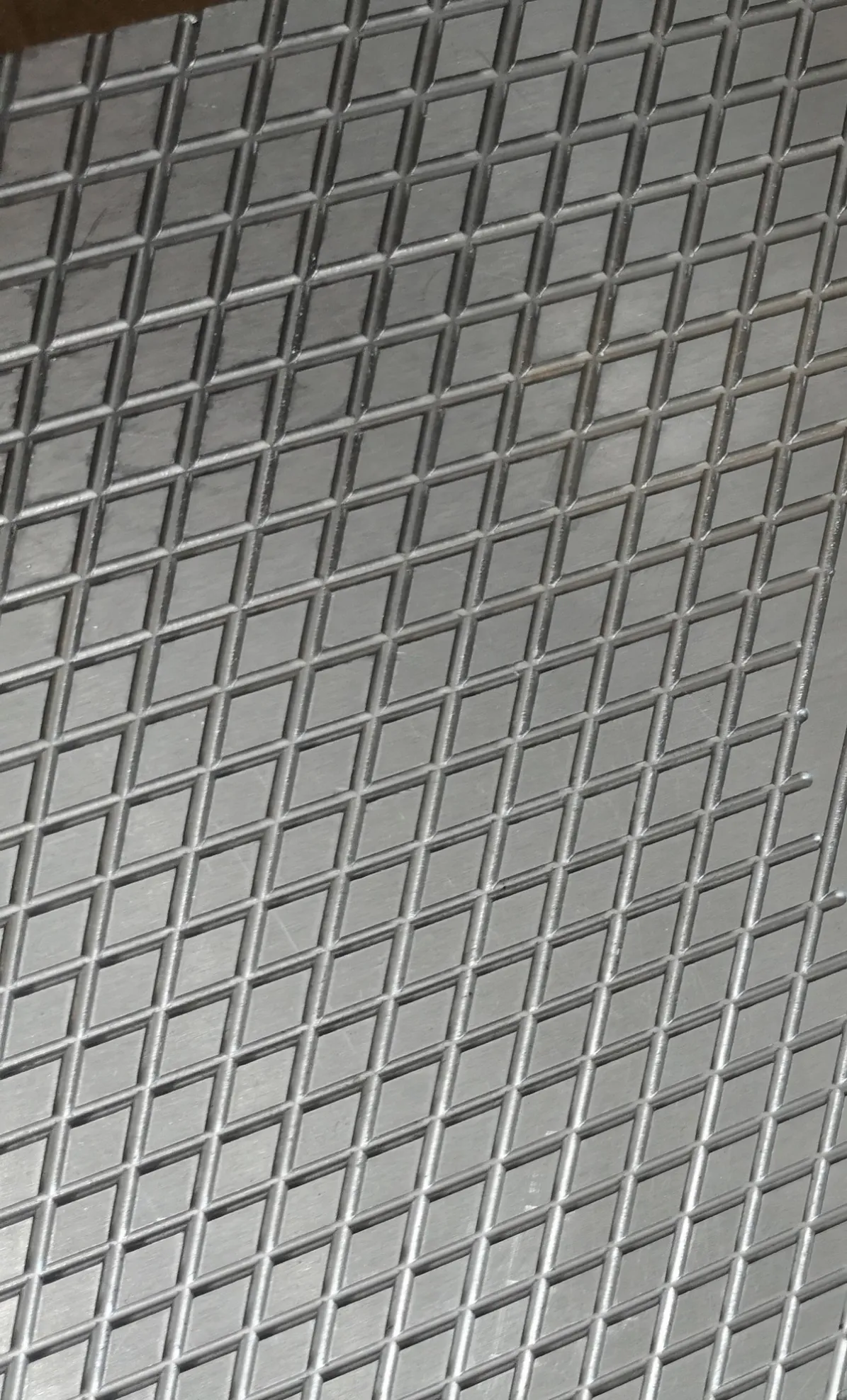
Choose the laser when the part is genuinely flat: mounting plates, cover plates, brackets before bending, gasket-style profiles, panels with ventilation slots, and blanks that will be bent afterwards. The whole geometry is made in one pass, holes included, so the cost per part is low and the lead time is short. Nesting many parts on one sheet also keeps material waste down, which matters on larger profiles.
Laser cutting is also the natural first step for sheet metal parts. If the part will be bent, welded or assembled into a frame, the flat pattern starts on the laser — see our sheet metal design tips for how bend allowances and hole positions are handled.
One caution: the cut edge is a heat-cut edge. On parts that will be anodized or need a perfect cosmetic edge, and on thick sections where edge taper starts to matter, ask before ordering — a milled edge may be the better call.
When Milling Wins
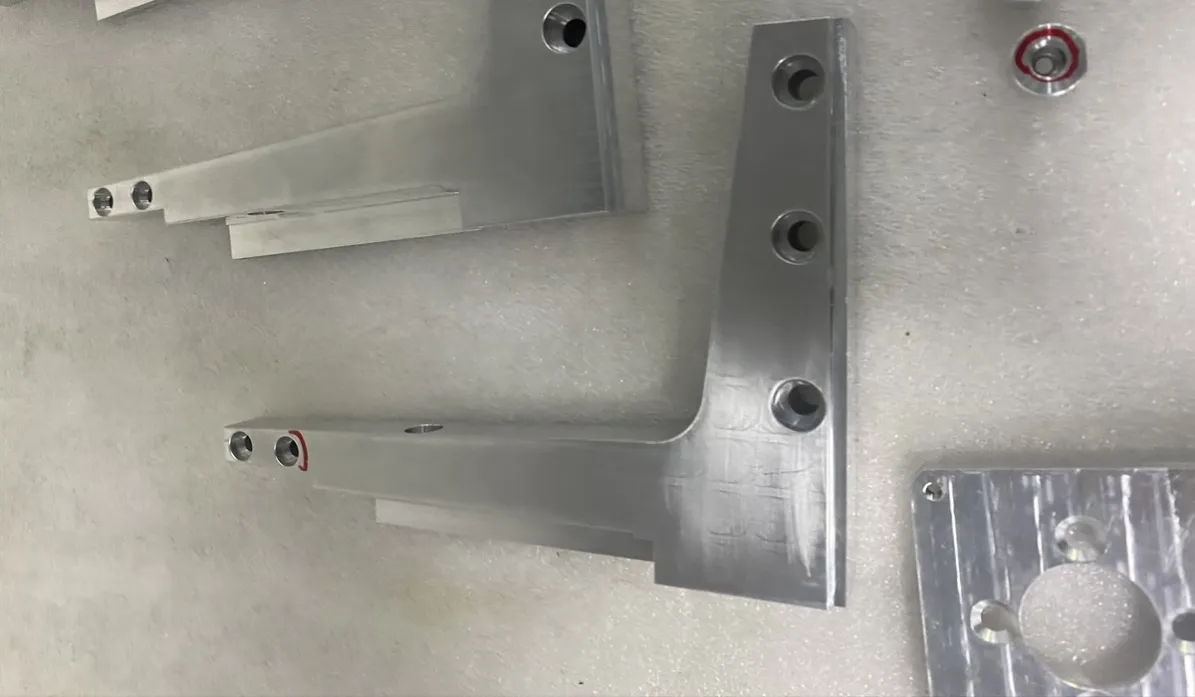
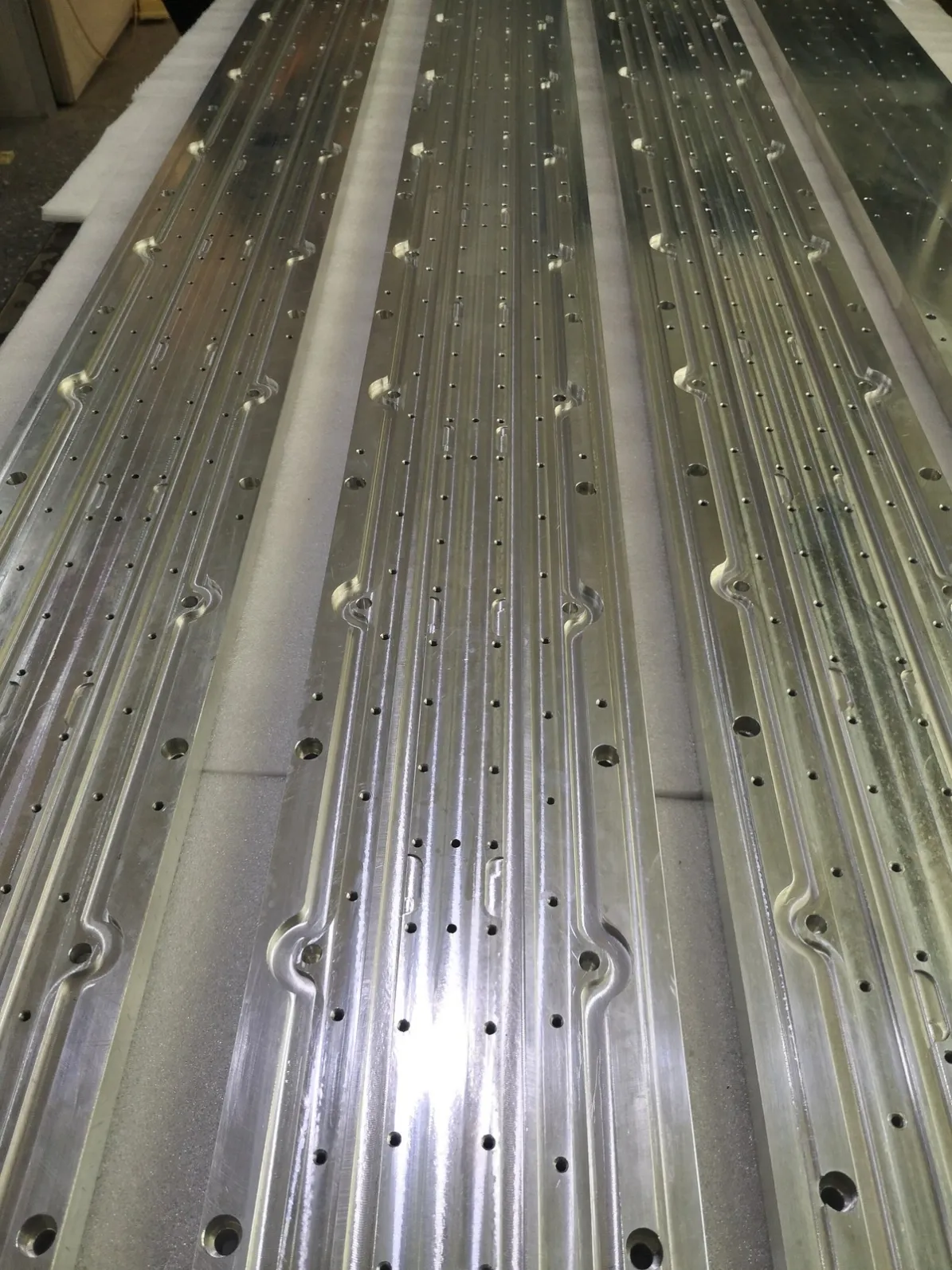
Choose milling when the part stops being a simple profile. Pockets for weight reduction or to clear components, stepped faces, a sealing face that must be flat, engraved markings, press-fit bores, threads — none of these exist in a laser's vocabulary. Milling also wins on tolerance: both processes hold ±0.1 mm (±0.004") routinely, but where a bore or a locating face needs ±0.01 mm (±0.0004"), that is milling work. Our article on CNC tolerances explains when that extra accuracy is worth paying for.
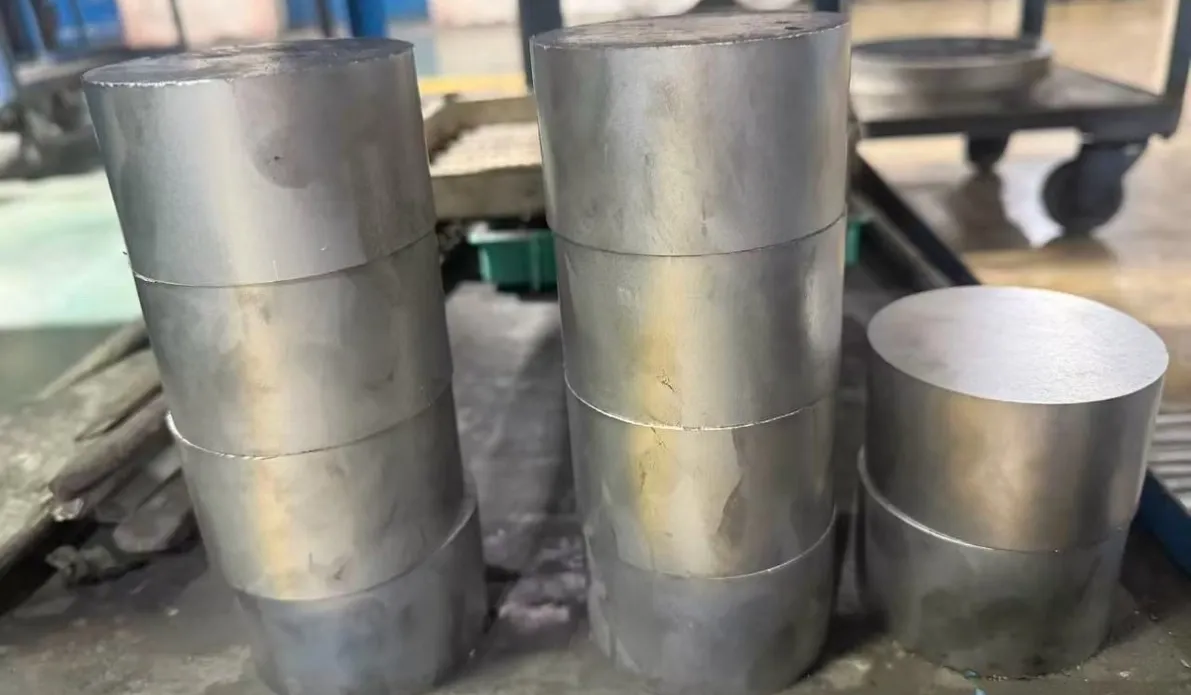
Milling is also the answer when the material is not a sheet product — a part machined from a thick plate or block, or a flat part in a material or grade that is only stocked as solid.
The Same Part, Both Ways
Take a typical mounting plate with four holes. As a laser part, it is cut in one pass, holes included, and it is done. As a milled part, it costs more and takes longer — unless the holes are threaded, or two of them are press-fit bores with a tight tolerance, or one face has a recess for a mating part. Then the laser cannot finish the job at all.
The middle ground is common: laser-cut the profile to save time, then mill the features that need it. That only makes sense when the extra handling is cheaper than milling the whole part from solid, and it is exactly the kind of call we will flag at quote stage if we see a better route.
A simple way to decide: count the features that are not through-cuts. If the answer is zero, laser. If the answer is one or more and they matter, milling — or a laser-plus-milling route, quoted as such.
What to Send for a Quote
A 3D model or a clean DXF of the profile is enough for laser parts; add a drawing where tolerances, threads or finishes matter. For milled parts, send the 3D model and the drawing. If you are not sure which process fits, send the files anyway and say so — we will quote the route that makes sense and tell you why. We reply to enquiries within 8 hours and quotes usually go out within 24 hours. FAI, material certificates and a certificate of conformity are available on request, and we can sign an NDA first if you need one.
FAQ
Is laser cutting accurate enough for mating parts? Usually, yes. Laser-cut parts hold ±0.1 mm (±0.004"), which covers most plates, brackets and panels. If a specific hole or face locates another component precisely, that feature may be better milled.
Can laser-cut holes be threaded afterwards? A laser-cut hole can be tapped as a second operation, but the hole is often cut slightly undersize for that. Tell us which holes are threaded and we will plan the sizes; where there are many threads, milling the part in one setup may be cheaper.
How thick can you laser cut? It depends on the material, so thickness is confirmed against the drawing rather than quoted as a single number. Send the file and we will confirm what can be cut and what should be milled instead.
Which process is cheaper? For a pure flat profile, laser cutting, almost every time. The gap closes as features are added — pockets, threads, tight bores — and milling can end up cheaper than a laser part with several secondary operations.
Can you do both processes on one part? Yes. Laser cutting the blank and milling the critical features is a normal route, and we will suggest it when it saves time or money without giving up accuracy.