Equipment Frames, Panels and Covers in Sheet Metal
Sheet metal equipment frames, panels and covers: laser cutting, bending, welding and finishing, and how frame, panels and base are quoted as one set.
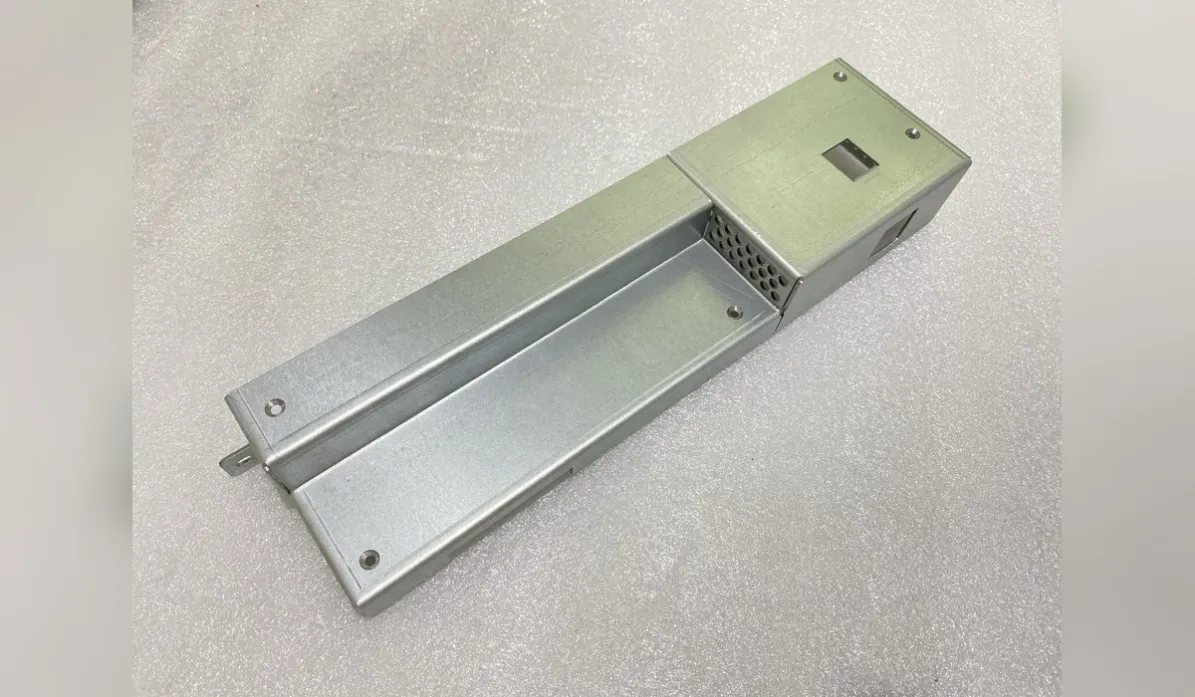
Most equipment is held together by sheet metal long before it is held together by anything else. The frame carries the load, the side panels close it off, the top cover keeps dust and fingers out, and the base ties everything to the floor or the bench. If you are sourcing these parts, the short answer is this: frames, panels and covers are routine sheet metal work — laser cutting, bending, welding and powder coating — and they hold ±0.1 mm (±0.004") without any special effort, as long as the design respects how sheet metal actually bends and welds.
This article is about structural parts, not enclosure boxes. A frame or a cover panel has a different job from a sealed housing: it has to be flat, square, and easy to assemble with everything that bolts onto it.
Typical Parts We Make
The parts that come up again and again on equipment builds:
- Equipment frames and chassis structures, welded from cut and bent sections
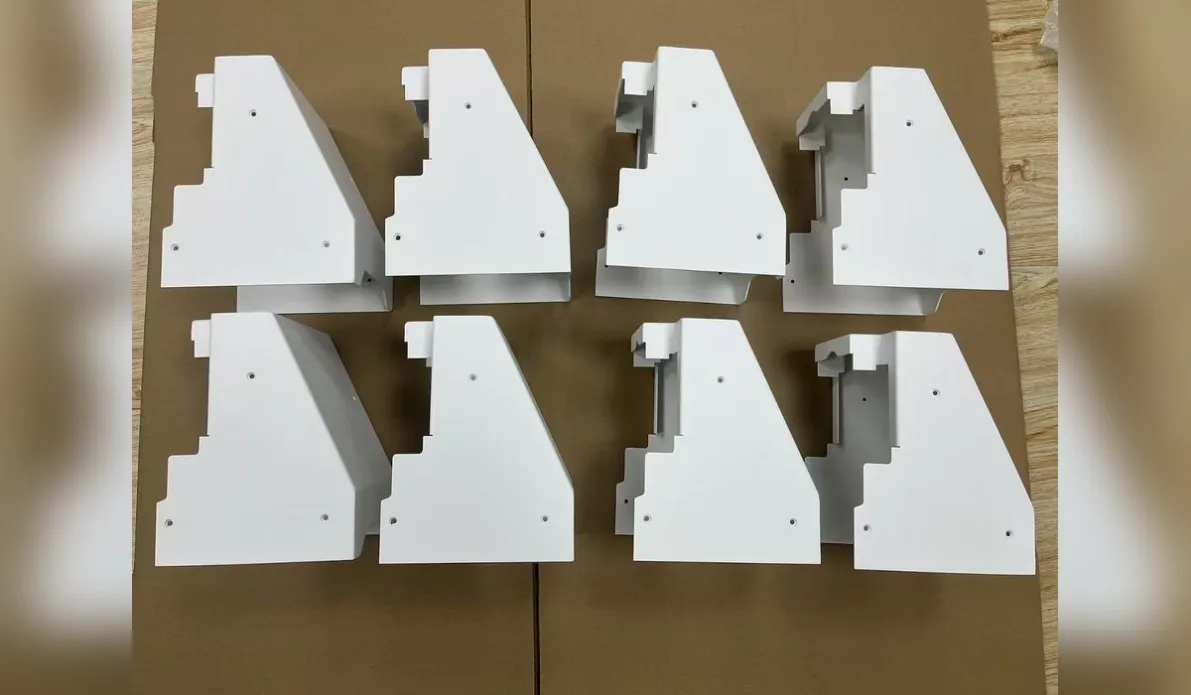
- Side panels and access panels, often with ventilation slots or louvers
- Top covers and inspection covers, sometimes hinged or fastened with quarter-turn locks
- Base plates and mounting feet that set the machine level
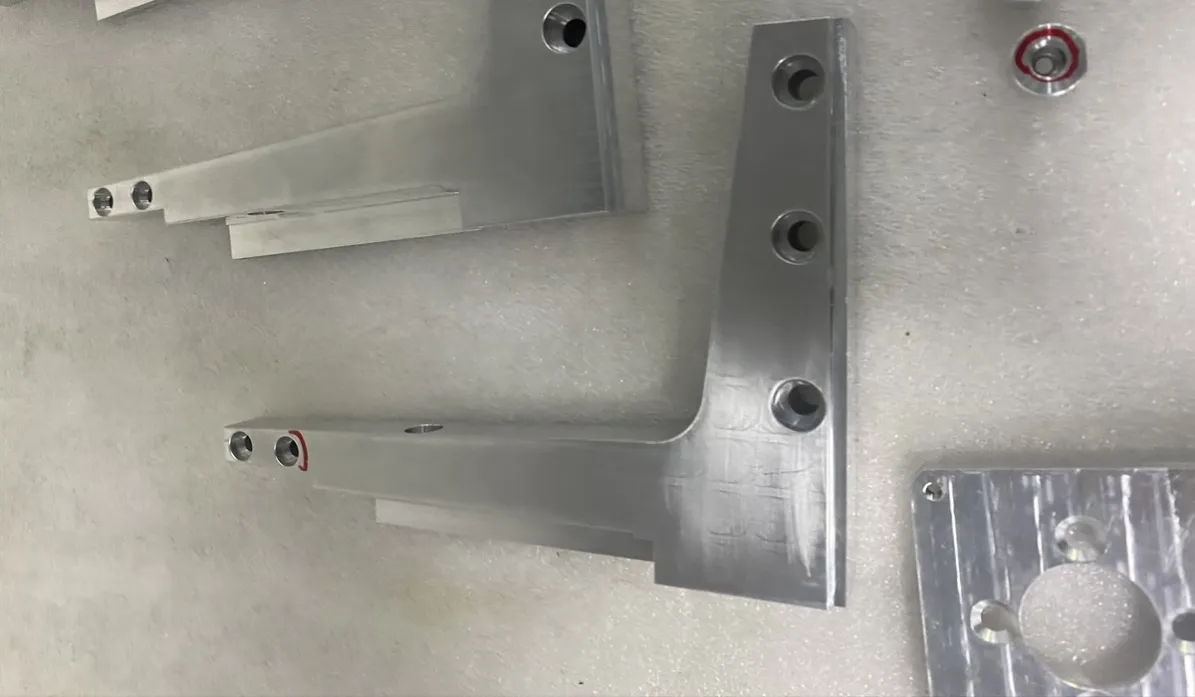
- Internal mounting plates and brackets that carry motors, boards and power supplies
- Front panels with cutouts for displays, switches and connectors
Materials are the usual sheet metal range: mild steel and SPCC for painted frames, SGCC where a galvanized surface is wanted, 304 stainless steel for food, medical and outdoor equipment, and 5052-H32 aluminum or 6061-T6 aluminum where weight matters. If you are still deciding, our guide to choosing sheet metal materials walks through the trade-offs.
The Process Chain
A frame or panel set normally goes through four steps.
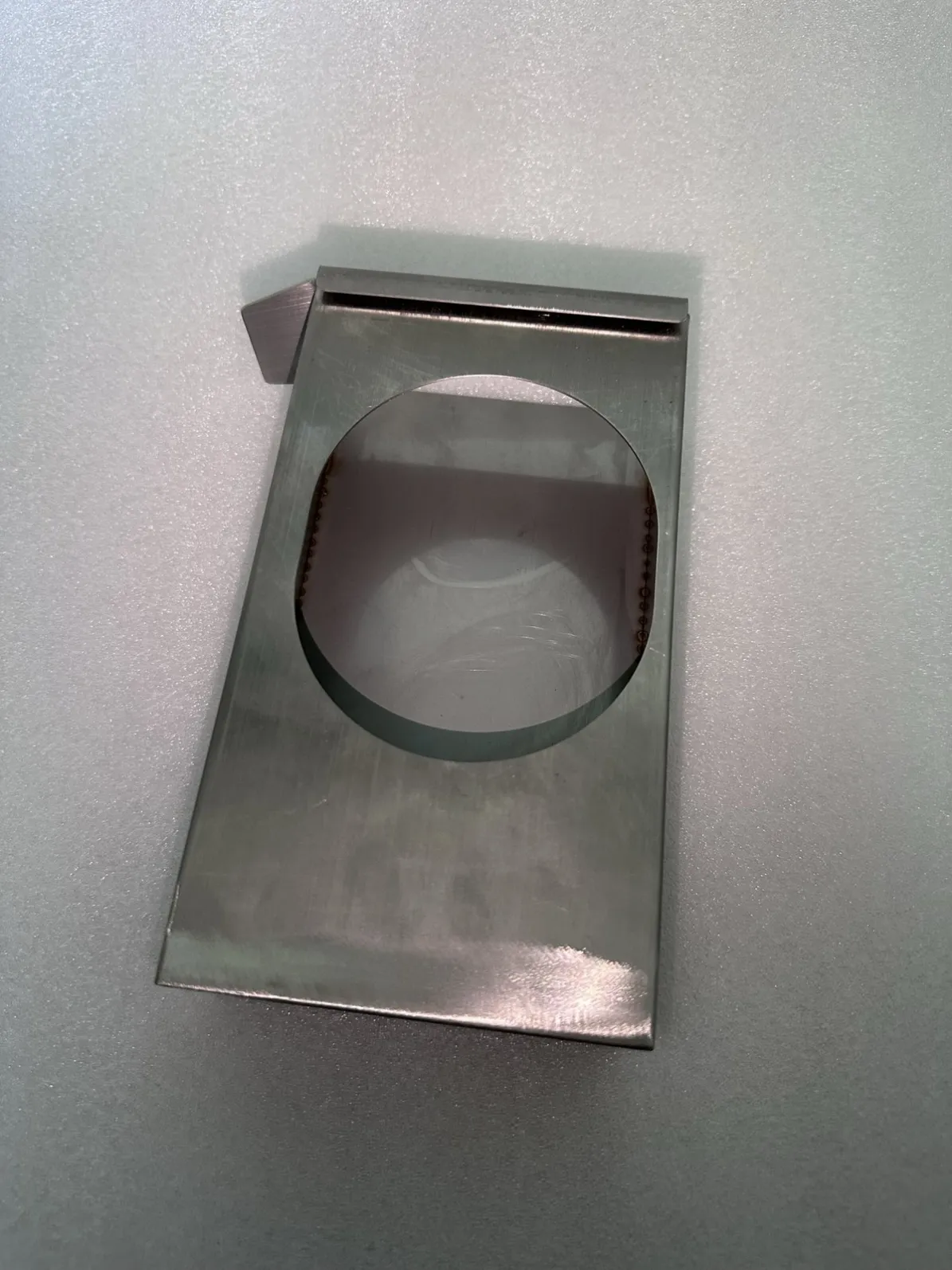
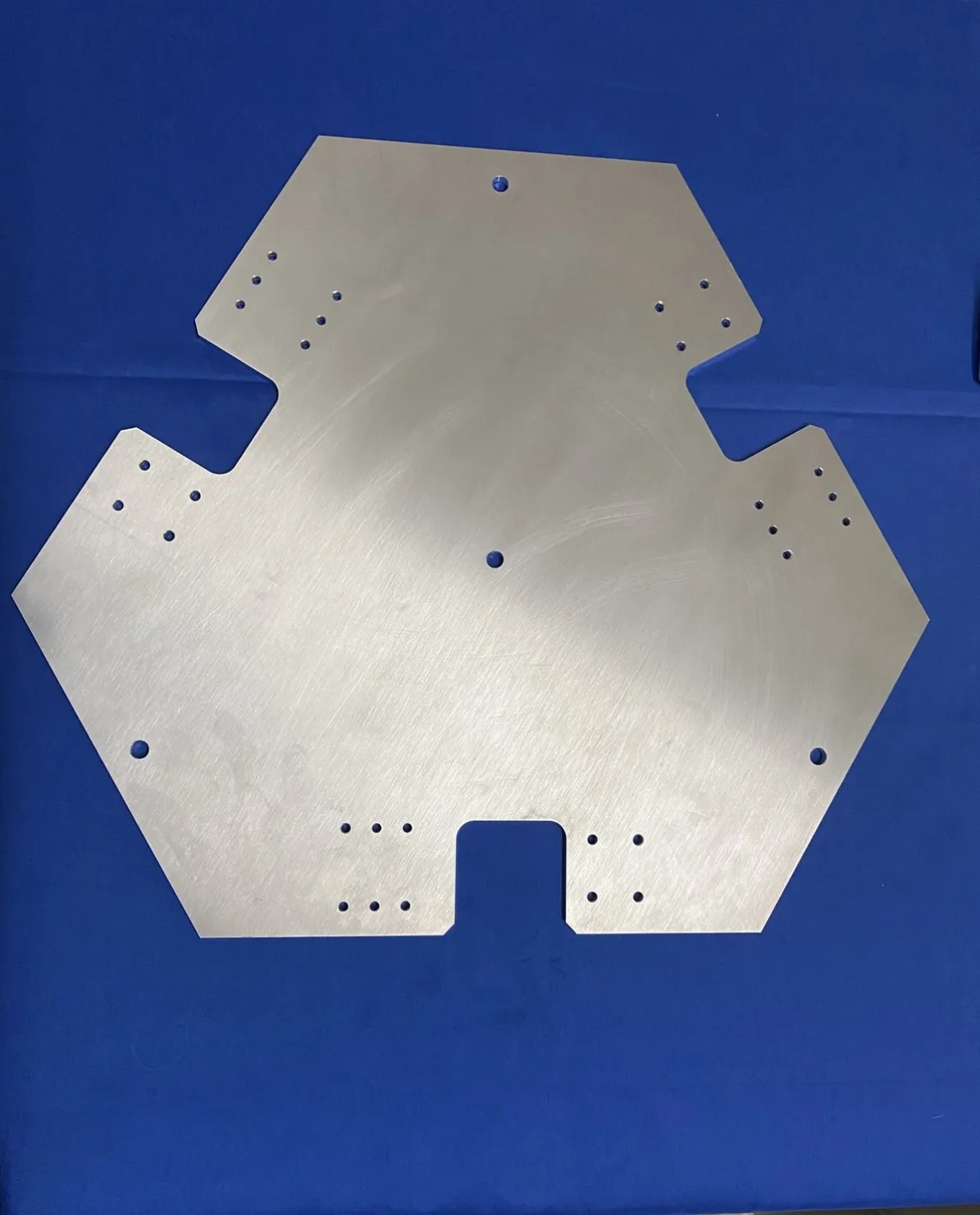
Laser cutting comes first. The flat pattern is cut from sheet, including all holes, slots and cutouts. Cutting the holes at this stage is faster and more accurate than drilling them later, and it means the bent part arrives with its hole pattern already in place.
Bending forms the flanges, returns and stiffening edges. A plain flat panel is floppy; a panel with a 15 mm return flange on each side is rigid. Most covers and side panels get at least two bent edges for exactly this reason.
Welding joins the frame members and closes corners. Frames are usually welded assemblies, tacked and checked for squareness before the final weld, because a frame that is out of square by a few millimetres will fight you at every later assembly step.
Powder coating or painting finishes the job. Powder coat is the default for steel and aluminum equipment parts — it is hard, even, and covers welds well. Stainless steel parts are usually left as brushed or bead-blasted metal, or passivated, rather than coated.
What Actually Matters on These Parts
Flatness. A large thin panel will oil-can and bow if it is all flat surface. Bent returns, ribs, or a slightly thicker sheet fix this. Tell us if a panel is a visible face on the machine, because that changes how we support it during cutting and coating.
Hole position. Panels rarely fail on their outside dimensions; they fail when the hole pattern does not line up with the frame or the component behind it. Hole positions are held to the same ±0.1 mm (±0.004") as the rest of the part, but the drawing has to dimension them from a sensible datum — ideally the same edges used at assembly.
Assembly fit. Frames, panels and covers are a set, not separate parts. Tabs, slots and self-locating features make the set go together without clamps and shims. Where two parts overlap, leave a small clearance; sheet metal bent on different days still has to fit.
Bend details. Inside bend radius, flange length and hole-to-bend distance decide whether a part can be made as drawn. Our article on sheet metal design tips covers the rules that cause the most quote-stage surprises.
Weld appearance. A structural weld inside a frame can stay as welded. A weld on a visible corner gets ground and blended before coating. Say which is which on the drawing or in the enquiry — grinding every weld on a large frame adds real time.
Surface Finishes
Powder coating is the standard finish for painted frames and panels, in the colour and texture on your drawing. Wet painting is used where a specific paint system is specified. Aluminum parts can be anodized instead, and stainless parts can be brushed, bead blasted or electropolished. Edges are deburred as standard; nobody should cut a hand on a cover panel.
What to Send for a Quote
Send the 3D model and a 2D drawing for welded assemblies — the drawing is where weld notes, finish and critical dimensions live. Note the material and thickness for each part, which parts are visible faces, and the quantity per set and per order. We reply to enquiries within 8 hours and quotes usually go out within 24 hours. Small-batch prototype sets typically take 3–5 days, and simple flat parts can ship in 24–48 hours depending on complexity. FAI, material certificates and a certificate of conformity are available on request, and we are happy to sign an NDA before you send files.
FAQ
What tolerance can you hold on frames and panels? ±0.1 mm (±0.004") on cut and bent dimensions. On long welded frames, overall squareness matters more than any single dimension, and that is checked on the assembly, not just on the parts.
Can you supply the frame and panels as one set? Yes. Making the full set in one place is the safest way to get holes and edges to line up, and it ships as one package instead of several.
Which material should I pick for an outdoor equipment frame? Galvanized steel or 304 stainless steel are the common choices, with powder coating over galvanized steel where a colour is needed. Tell us the environment and we will flag anything that looks wrong for it.
Do panels need bent edges, or can they be flat? They can be flat, but a flat panel over about 300 mm across will flex and drum. A small return flange on two or four sides makes it rigid at almost no extra cost.
Can you add ventilation slots and connector cutouts? Yes — they are cut in the flat pattern before bending, so they cost little and arrive positioned to ±0.1 mm (±0.004").