Robot Joints, Links and Housings: Machined Parts for Robotic Equipment
Machined robot joints, links and housings in 6061-T6 aluminum: balancing weight and stiffness, bearing seats and anodized finishes.
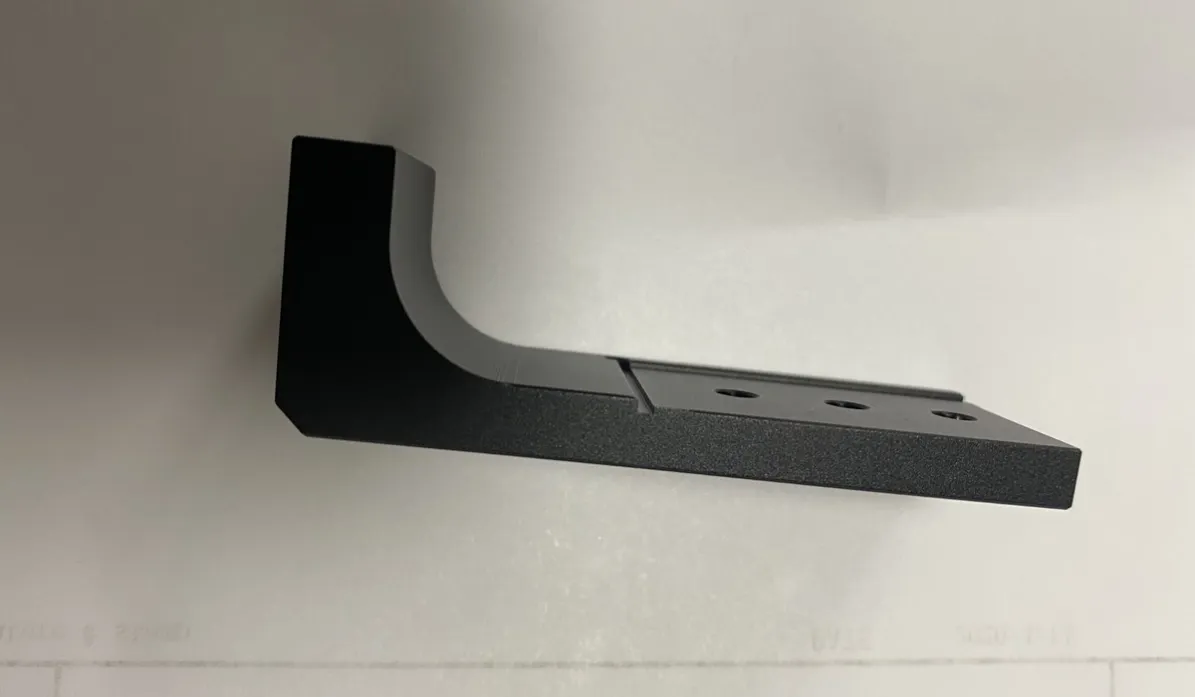
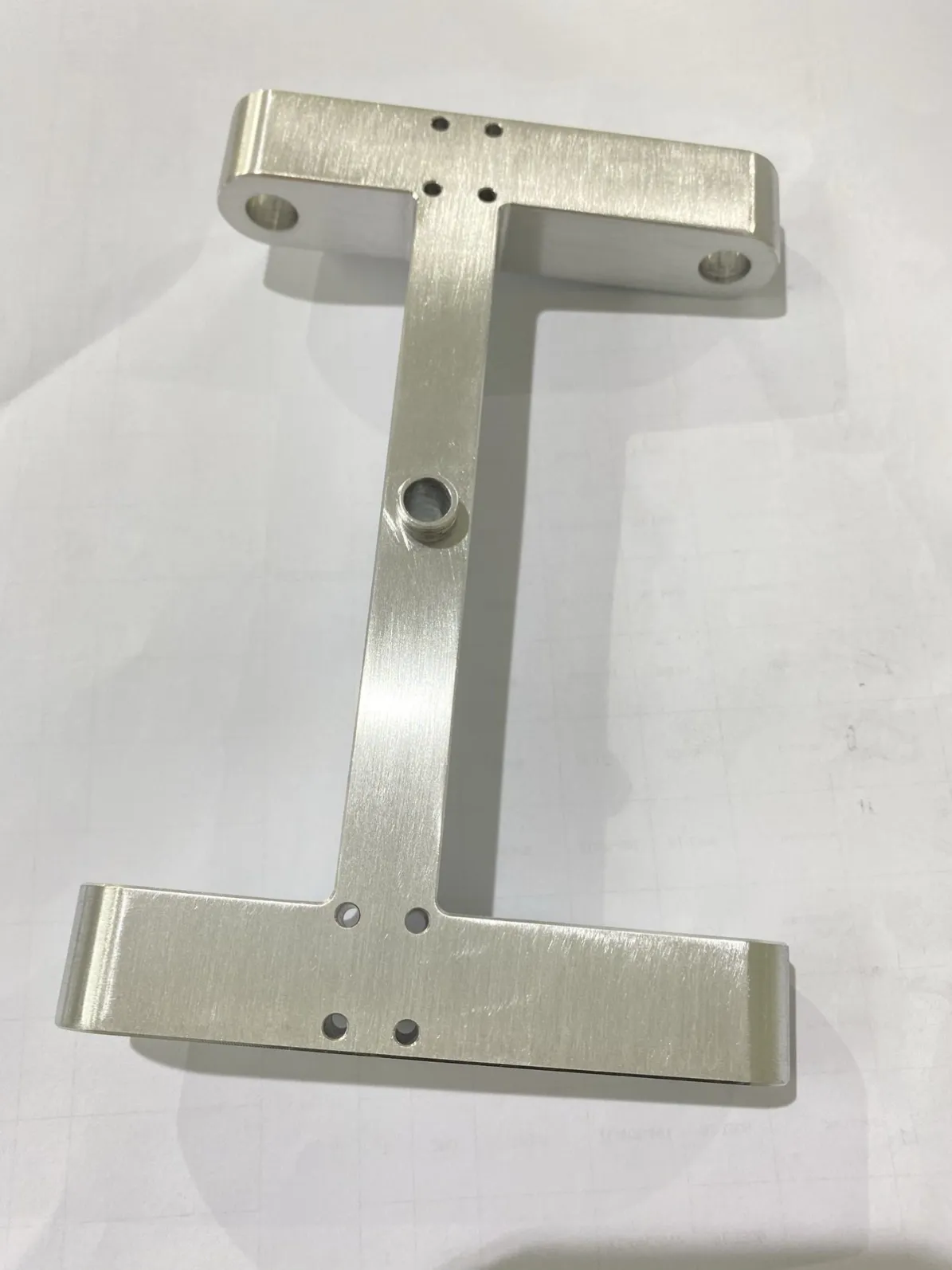
Every gram at the end of a robot arm is a gram the motors have to accelerate, stop and hold against gravity. That is why machined robot parts are a constant negotiation between weight and stiffness: take out too little material and the machine is sluggish; take out too much and the arm flexes and the repeatability goes with it. We have machined joint housings, link arms and housings for robotic equipment, and this page covers the parts, materials and details that decide how they come out.
Typical parts
- Joint housings that carry bearings, motors and gearboxes at each axis
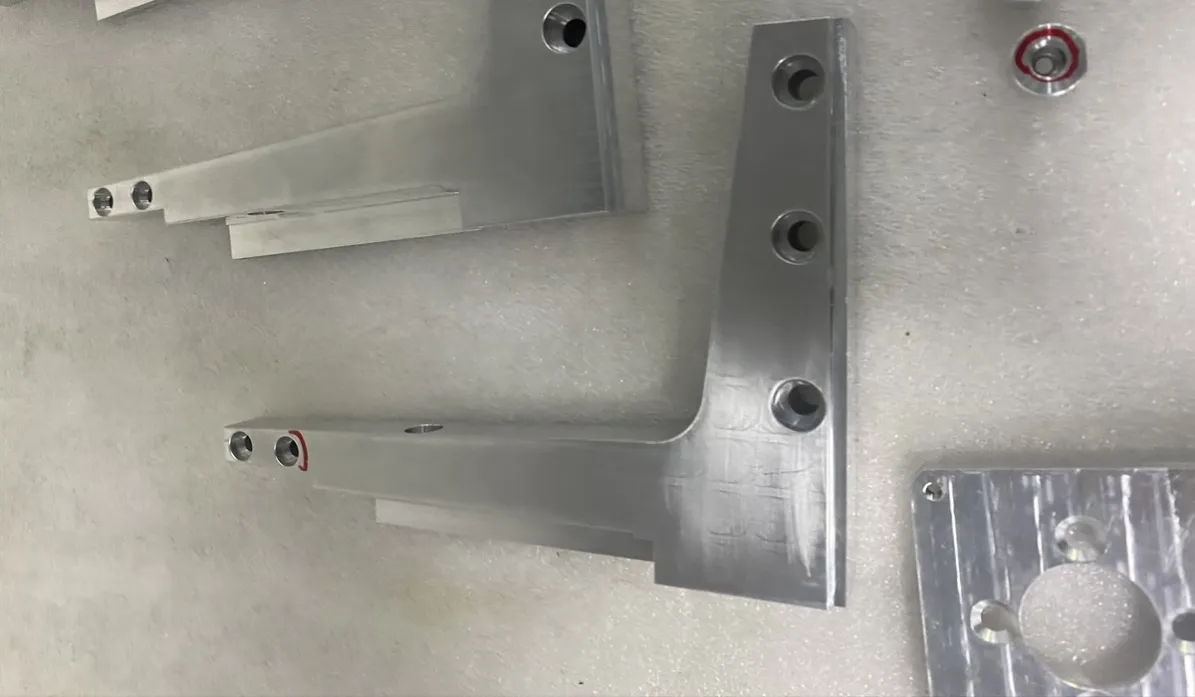
- Link arms connecting one joint to the next, often long, pocketed structures
- Mounting bases and pedestals that bolt the robot to a bench, frame or mobile platform
- End-effector housings and gripper bodies at the working end of the arm
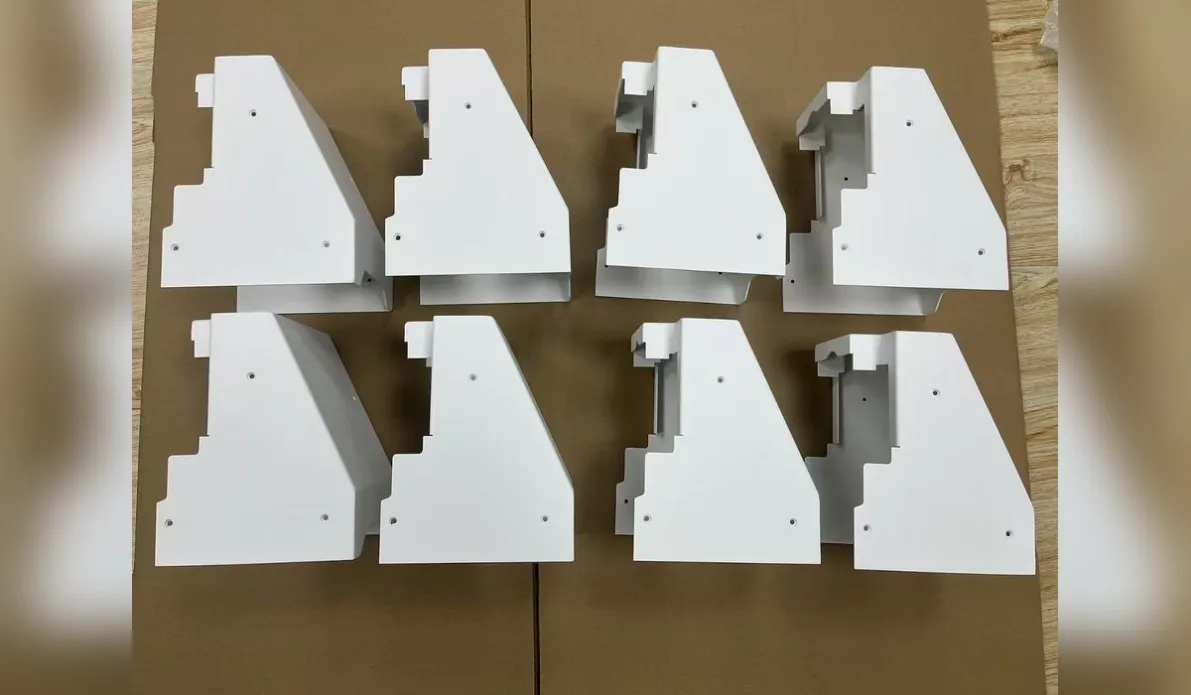
- Covers and cable-management shells that protect wiring along the arm
Quantities are usually small: prototypes for a new design, then short runs while the machine is being proven. Designs change between batches — a motor swaps size, a cable route moves — and machining from solid suits that pace, because the next revision is a new program rather than a new mold. Parts of this kind share a lot with the automation work in lab automation parts machining: moving structures, bearing seats, and housings that have to be light and accurate at the same time.
Materials
6061-T6 aluminum is the standard choice for link arms, covers and housings. It machines well, pockets cleanly and anodizes nicely, and for arms that do not see extreme loads it gives the best stiffness per unit of cost.
7075 aluminum is used on joint housings and shorter, heavily loaded links where the extra strength lets the walls come down thinner. The weight saving is real but so is the price difference, so it is normally spent at the joints rather than along the whole arm. Our article on machining 7075 lightweight parts covers where that trade pays off.
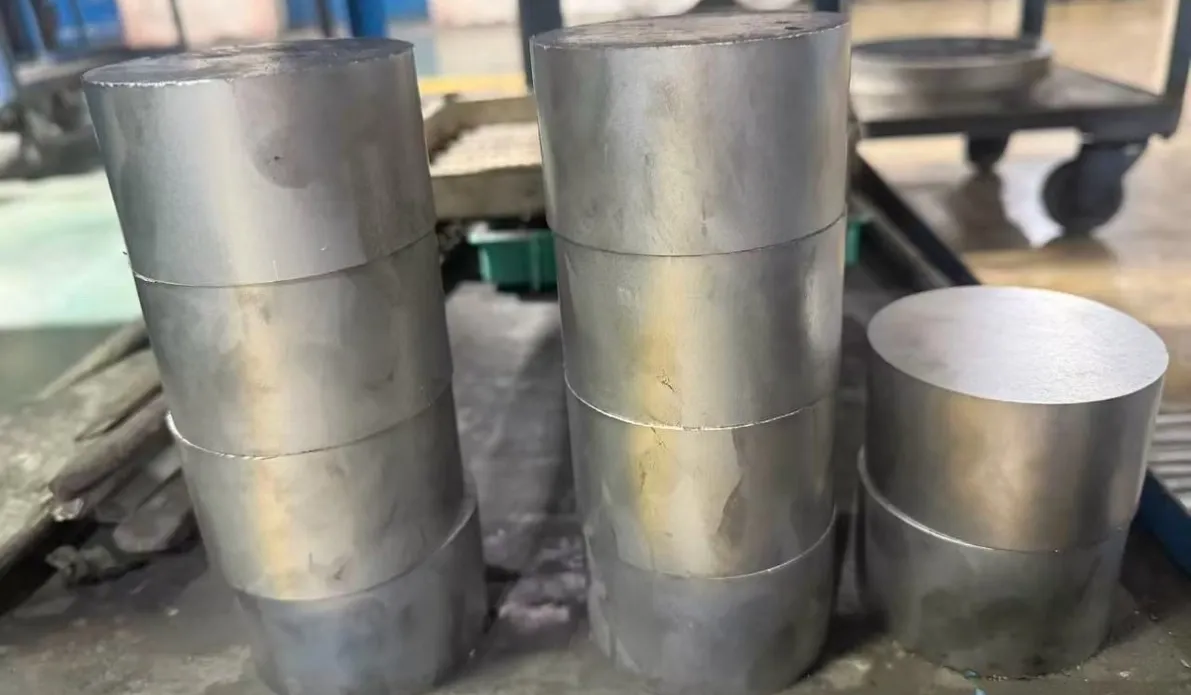
Steel — typically 1018 steel or 4140-type alloy steels — appears in bases, shafts, bearing spacers and wear components where mass is not a penalty or where threads and bearing seats need the durability. Steel bases also help stability: weight at the bottom of the machine is a feature, not a flaw.
Engineering plastics such as POM and polycarbonate are used for covers, cable guides, sensor brackets and low-load housings, where electrical insulation or a non-marking contact surface matters more than strength.
Key requirements
Weight-reduction pocketing. The standard approach is to pocket the link from one or both sides, leaving ribs around the load paths and full material around bearing seats and bolt circles. Pocket floors and wall thicknesses follow the drawing; if you are unsure how thin to go, send the model and we can point out where machining limits — tool reach, corner radii, chatter on thin walls — will set the floor before you commit to a wall thickness that cannot be cut cleanly.
Bore concentricity. A joint housing usually has bearing bores on opposite faces that must run on the same axis, or the joint will bind and wear its bearings early. We machine opposed bores in one setup, or bore them from a common datum, so concentricity is built into the process rather than inspected in afterwards. Standard tolerance is ±0.1 mm (±0.004"); bearing seats and locating faces can be held to ±0.01 mm (±0.0004") where the drawing calls for it.
Hole position. Motor mounting patterns, encoder faces and joint-to-joint bolt circles all have to agree with each other across an assembly of several links. Tell us which patterns are the functional ones and we will prioritise their position in machining and inspection.
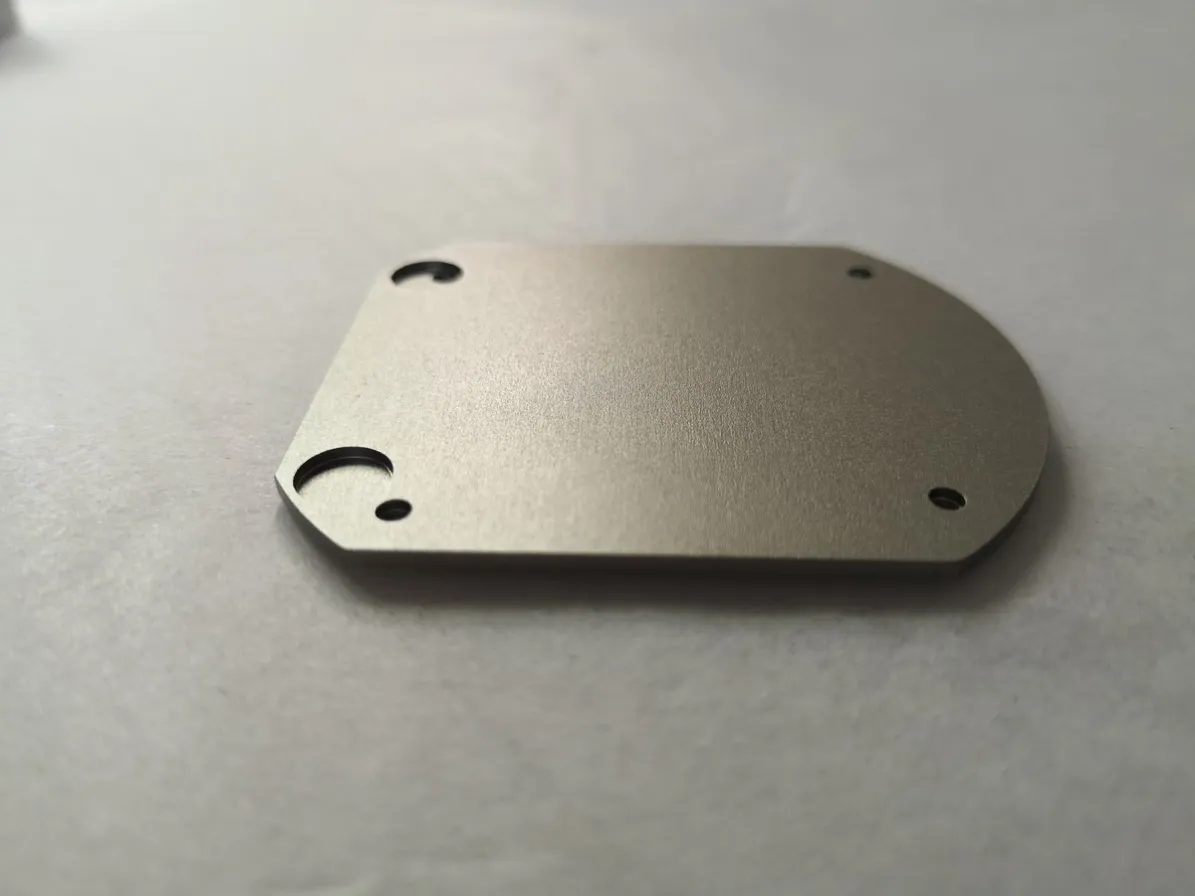
Surface treatments. Anodizing per MIL-PRF-8625 Type II, in clear or black, is the usual finish for aluminum robot parts; black is popular on anything near cameras or sensors because it cuts reflections. Hardcoat goes on housings with sliding contact. Steel parts are commonly black oxide or zinc plated. Masking for bearing seats, grounding faces and threads is available on request, and we machine with the coating build-up in mind so finished bores stay in tolerance.
Inspection and packing
Bearing bores, mounting faces and bolt patterns are checked on every part in small batches, and first article inspection with a written report is available on request, along with material certificates and a certificate of conformance. Long link arms are packed supported along their length, not stacked, so they arrive as straight as they left. Machined faces are protected and anodized surfaces are wrapped; we ship worldwide.
What to send for a quote
A 3D model plus a drawing with the bearing seats, hole patterns and tolerances marked is the fastest route to an accurate quote. If weight is a target rather than an outcome, tell us the mass you are aiming for and we will tell you honestly whether the pocketing needed to reach it is machinable. Enquiries are answered within 8 hours, quotes usually within 24 hours. Small-batch prototypes typically take 3–5 days, and simple parts can ship in 24–48 hours. Design assistance is available if you want the part reviewed for machining before release, and we can sign an NDA before you send files.
FAQ
How light can you machine a link arm? It depends on the load path, not on a fixed wall number. We pocket to the drawing, leaving ribs and full material around seats and bolt circles. If you give us a target weight, we will check the model and tell you where the machining limits are before anything is cut.
Can you hold bearing bores concentric on opposite faces? Yes. Opposed bores are machined in one setup or from a shared datum, and seats can be held to ±0.01 mm (±0.0004") where specified. This is the detail that decides whether a joint runs freely, so it gets priority in both machining and inspection.
Which aluminum should a joint housing be, 6061-T6 or 7075? 6061-T6 aluminum for most housings and arms. 7075 aluminum when the joint is compact and heavily loaded, or when its extra strength lets you thin the walls and save weight that matters at the end of the arm.
Do you machine complete sets — housings, links and covers together? Yes, and it is usually the better way to order. Matched sets keep hole patterns and finishes consistent across the arm, and any fit issue is found in our inspection rather than on your assembly bench.
What quantities do you handle? Prototypes and small batches are the norm for this work — single pieces through to short production runs while a design is being proven and revised.