Press-Fit and Slip-Fit Holes
A press fit holds a bearing by interference; a slip fit lets it slide in by hand. How to size the hole, and what the drawing should say.
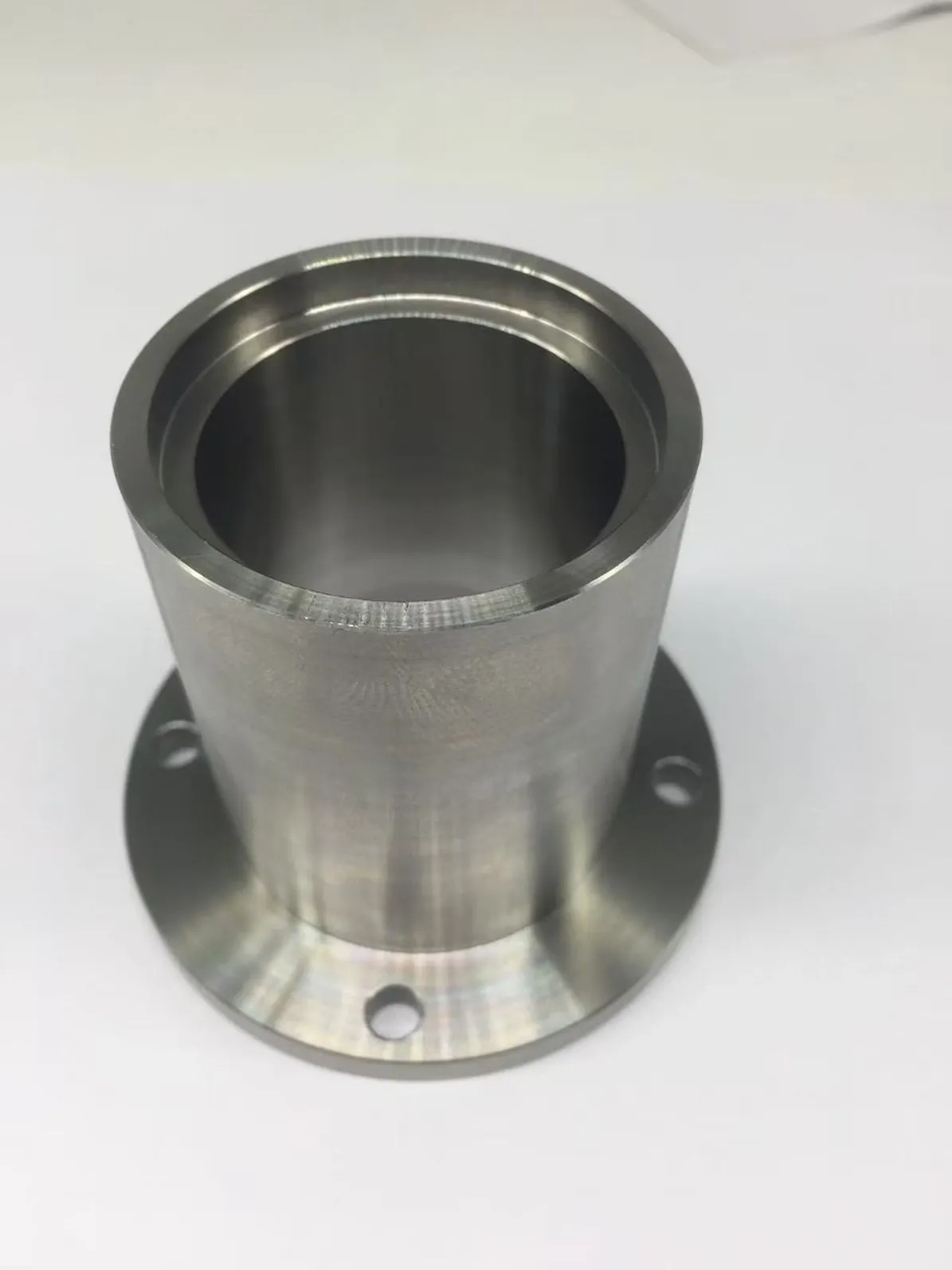
A bearing or a bushing needs a hole, and the hole has to be exactly the right size. A hole a fraction too small and the bearing will not go in, or it will go in and squeeze the bearing until it will not turn. A hole a fraction too big and the bearing spins in its seat and wears the housing out. The difference between a press fit and a slip fit is a few hundredths of a millimeter.
Press fit: held by interference
A press fit, also called an interference fit, is a hole deliberately made a little smaller than the shaft or bearing that goes into it. The part is pressed in, the material stretches a tiny amount, and the grip of that stretch holds the bearing in place. It is the standard fit for a bearing outer ring in a housing, and for a bushing pressed into a bore.
The interference has to be small — enough to hold, not enough to damage. Too much and the bearing ring distorts, the internal clearance disappears, and the bearing runs hot and fails early. Too little and the bearing creeps in its seat. The right value depends on the size of the bearing, the material of the housing, and the load, and it is set by the fit standard on the drawing.
Slip fit: in by hand, located by the bore
A slip fit is a hole deliberately made a little larger than the shaft or bearing, so the part slides in by hand and can be removed again. It is used where a bearing is held in place by something else — a cover, a retaining ring, a clamp — and the bore only has to locate it, not hold it. It is also the fit for shafts that must slide, and for parts that are assembled and taken apart often.
The clearance in a slip fit is also small. Too much clearance and the bearing rattles and the location is lost; too little and the part that should slide in by hand needs a press. The fit is called out on the drawing by a tolerance class, and the shop machines the bore to that class.
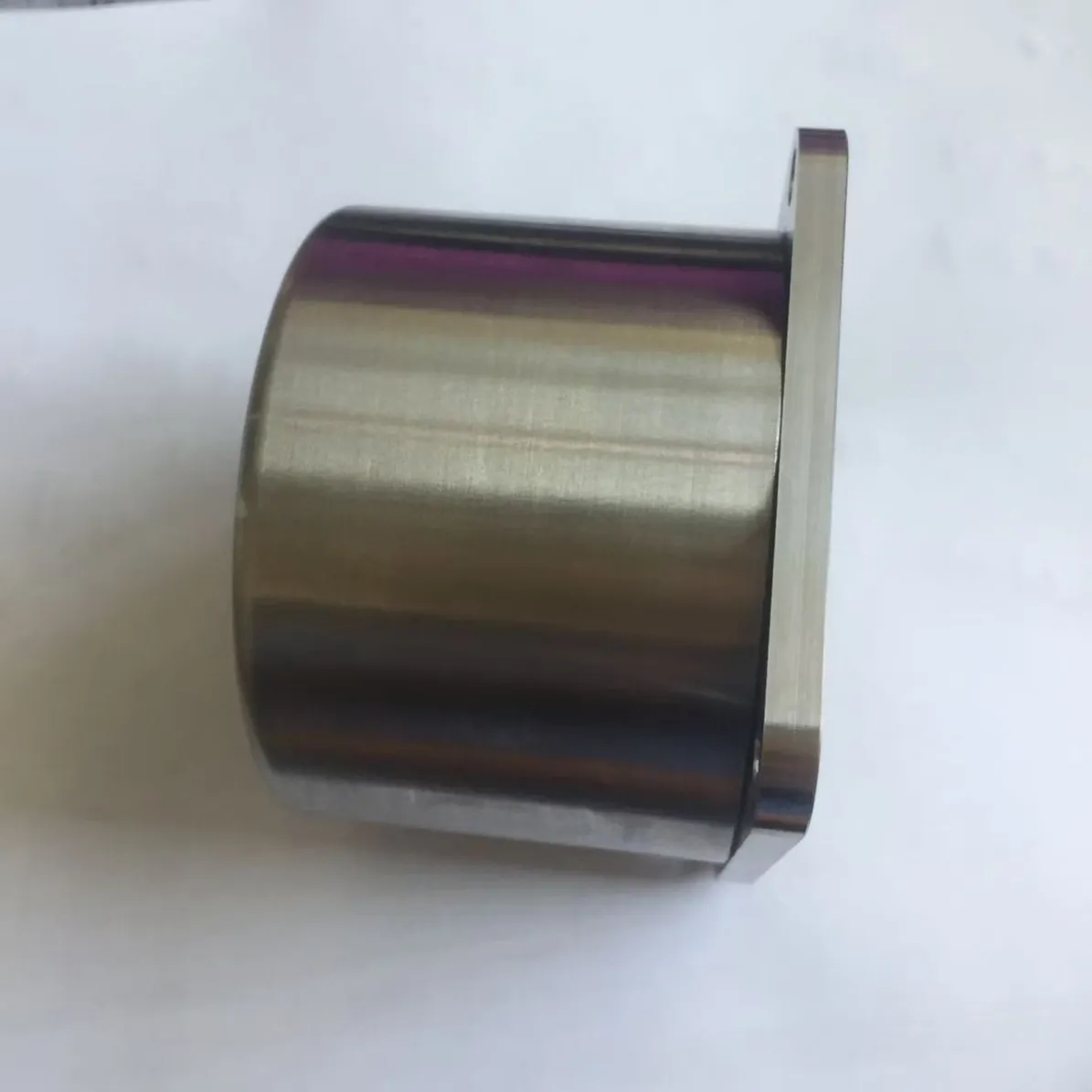
How the fit is specified on a drawing
Fits are not written as a single diameter. They are written as a nominal size plus a tolerance class, and the two sides of the fit — the hole and the shaft — are toleranced together. The common system is ISO fits, with letters and numbers that define the hole and the shaft: an H7 hole with a g6 shaft is a slip fit; an H7 hole with a p6 shaft is a press fit. The numbers change with the diameter, so the drawing carries the class, not a memorized value.
Two things deserve attention on the drawing. First, the fit applies to the bore and the mating part together — a hole toleranced for a press fit is wrong if the bearing it receives is at the other end of its own tolerance. Second, the surface finish of the bore matters: a rough bore grips differently from a smooth one, and a press fit into a rough bore can gall. For how tight a tolerance is realistic on a machined bore, see CNC tolerances and when ±0.01 mm (0.0004") matters.
Material matters: metal, plastic, and temperature
The same nominal fit behaves differently in different materials. A steel bearing pressed into an aluminum housing is a different problem from one pressed into a steel housing, because the two materials expand at different rates with temperature. A fit that is right at room temperature can loosen when the assembly gets hot, or tighten when it gets cold.
Plastics move more. A bushing pressed into a nylon or POM housing will see its grip change with temperature and with moisture — see machined plastic gears and bushings.
Machining the bore: round, straight and smooth
A fit is only as good as the bore it is pressed into. The bore has to be round, straight and to size along its full length — a bore that is round at the mouth and tapered inside will hold the bearing at one end and leave it loose at the other. The bore is measured with a bore gauge or a micrometer, not a caliper, because the tolerance is finer than a caliper reads reliably.
The housing around the bore matters too. A thin wall around a press-fit bore will stretch when the bearing is pressed in, and the bore will grow — the fit measured empty is not the fit with the bearing in. A generous wall around the bore, and a chamfer at the mouth to start the bearing square, are both part of a good design.
Assembly: pressing a bearing in without damaging it
A press fit should be pressed, not hammered. A press applies steady force through the ring being fitted — the outer ring when pressing into a housing, the inner ring when pressing onto a shaft — and the bearing goes in square. A light coat of oil on the mating surfaces helps the bearing slide in and prevents galling.
What to send for a quote
A drawing with the fit class or the hole tolerance on every bore that takes a bearing or a bushing, the bearing or bushing size and tolerance, the housing material, and the temperature range the assembly will see. For bearing housings and the bores they carry, see machined bearing housings. If you want a part with a bearing fit quoted, send us your drawing — inquiries are answered within 8 hours and quotes usually within 24 hours.
FAQ
What is the difference between a press fit and a slip fit? A press fit is a hole slightly smaller than the part, so the part is pressed in and held by interference. A slip fit is a hole slightly larger, so the part slides in by hand.
How much interference does a press fit need? Very little — a few hundredths of a millimeter, set by the fit standard for the size and the materials involved. Too much distorts the bearing and kills its internal clearance; too little lets the bearing creep.
Why does the fit change with temperature? Because the housing and the bearing expand at different rates. A fit that is right at room temperature can loosen when hot or tighten when cold, so the temperature range belongs in the design.
Can I press a bearing in with a hammer? It is a bad idea. A press applies steady force through the right ring and keeps the bearing square; a hammer loads the rolling elements and can dent the races.
How is a press-fit bore measured? With a bore gauge or a micrometer, not a caliper — the tolerance is finer than a caliper reads reliably.