Machined Bearing Housings and Bearing Blocks
Machined bearing housings, blocks and covers in aluminum and steel: bearing bores held to ±0.01 mm where specified, supplied as matched sets.
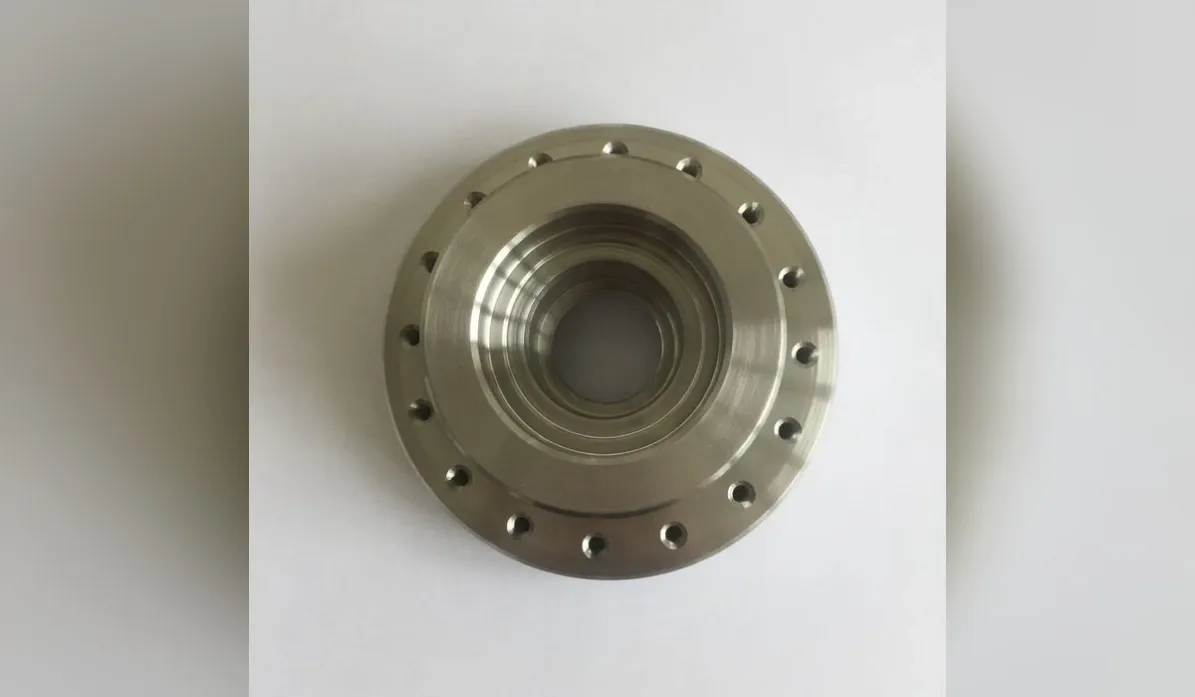
Yes — we machine bearing housings, bearing blocks and bearing covers, from single prototype units to small production batches. A bearing housing is a simple-looking part with one unforgiving feature: the bore. Everything else on the part exists to put that bore in the right place and keep it there, so that is where our machining and inspection effort goes. Send the drawing with the bearing size marked and we will quote it — enquiries answered within 8 hours, quotes usually within 24 hours.
Typical parts
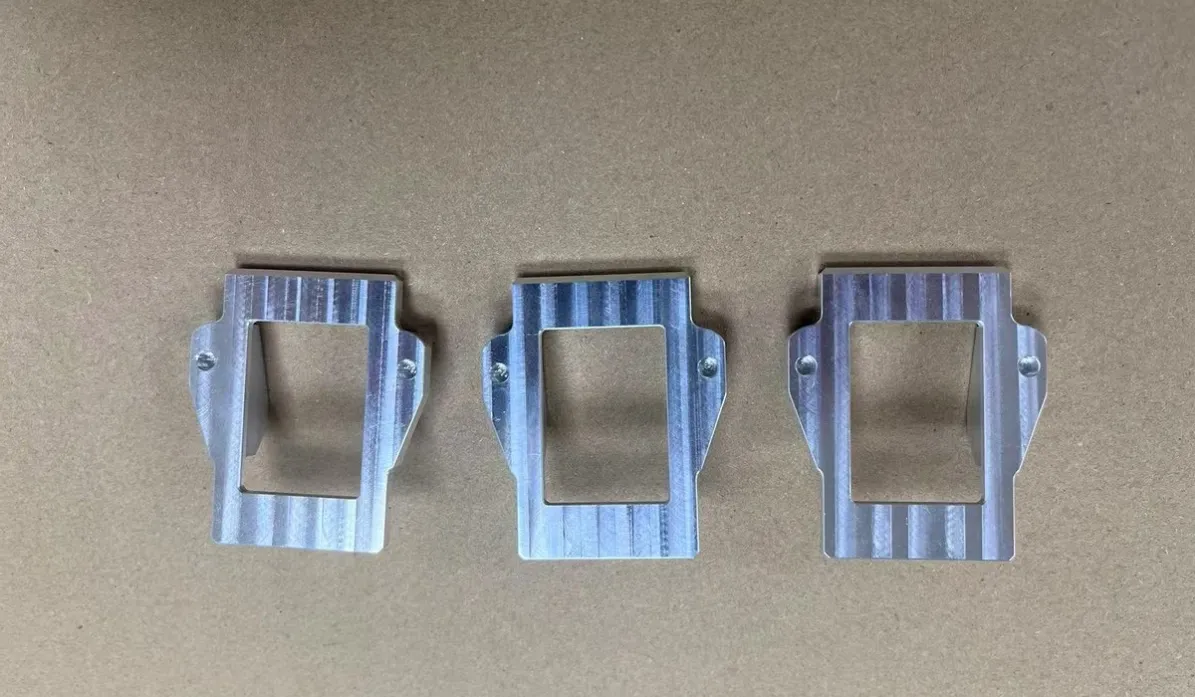
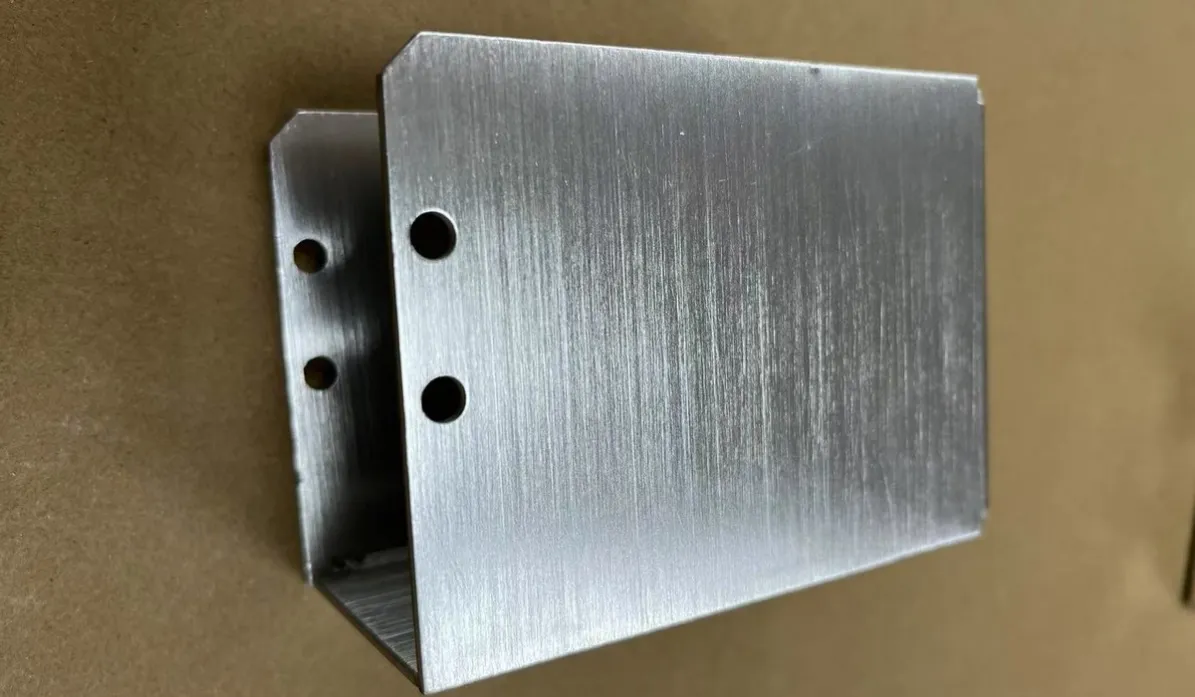
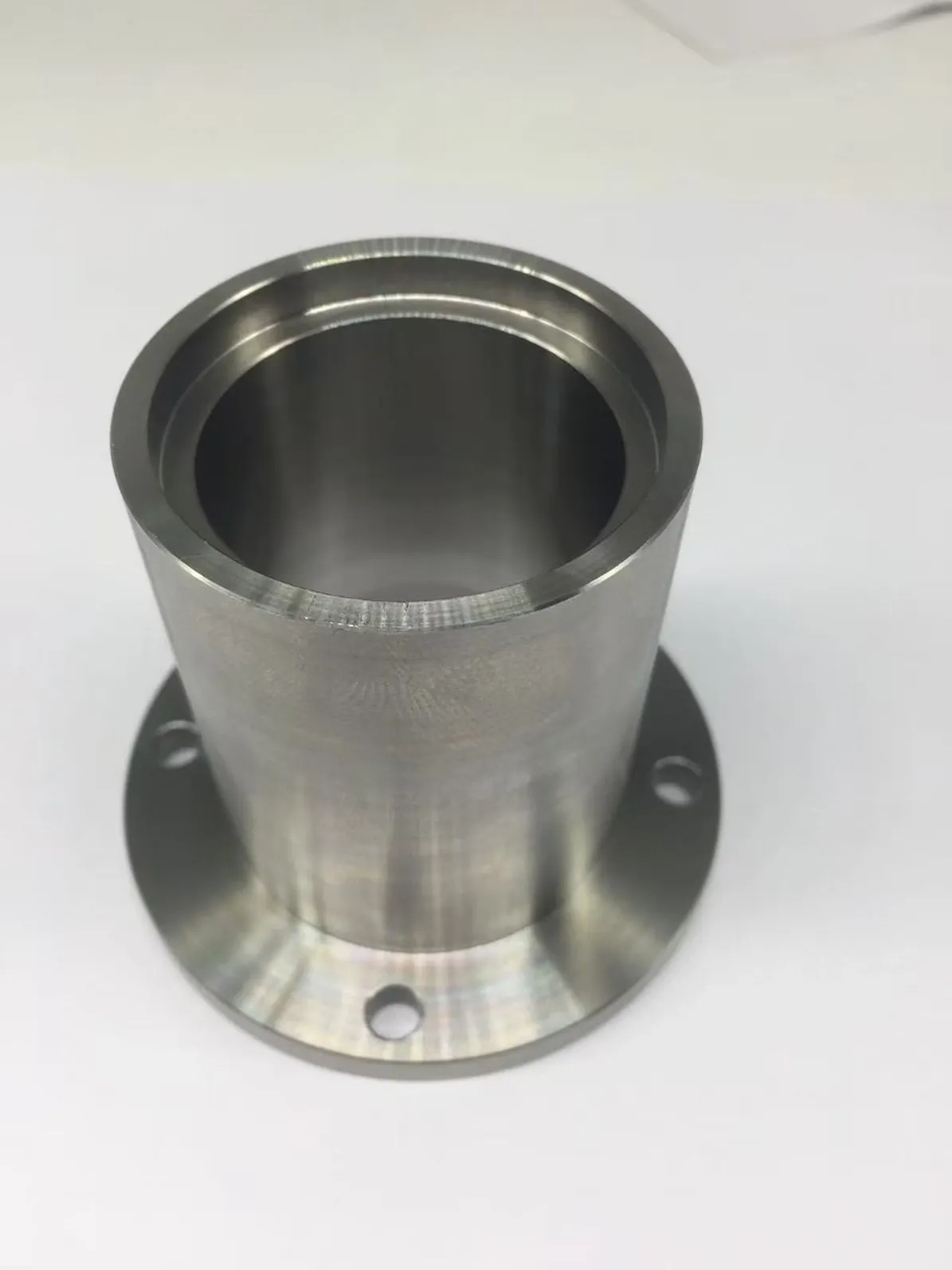
- Bearing housings / bearing blocks — the body that carries one bearing and bolts down to a frame or plate, in pillow-block, square-flange and round-flange forms.
- Bearing covers and end caps — the covers that close a housing, retain the bearing or carry a seal.
- Flanged bearing seats — round or square flanges with a central bearing bore and a pilot that locates in a mating plate.
- Split housings — two-piece bodies, cap and base machined as a pair, for shafts that are laid in rather than threaded through.
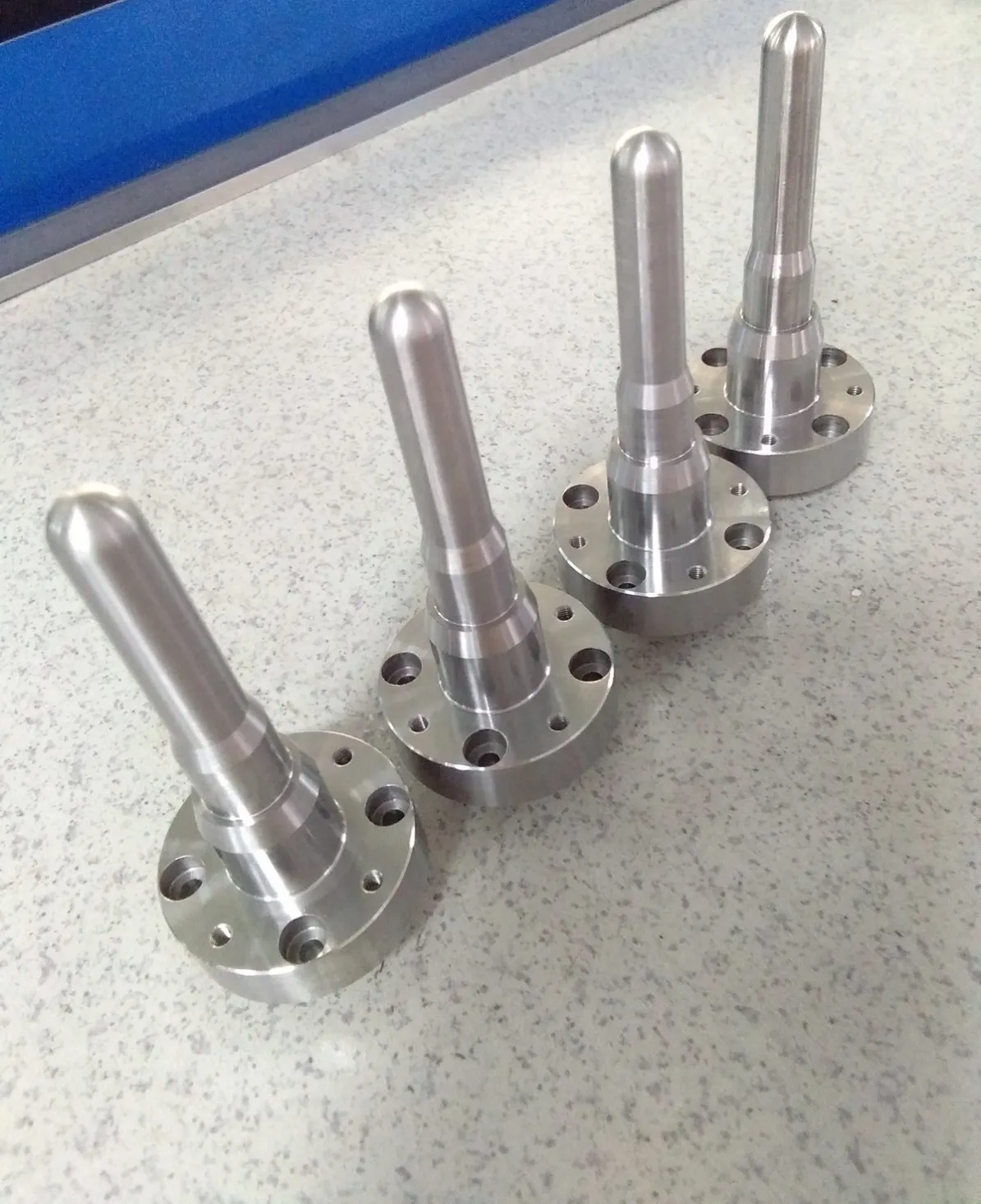
- Companion parts — the shafts, spacers and flanges the housing works with, like the parts in our article on turned shaft parts, flanges and knurled knobs, machined in the same order so the fits agree.
Materials
6061-T6 aluminum covers most housings on light and medium duty equipment: instruments, automation, small machines. It is light, machines cleanly and anodizes well. Steel — typically 1018 steel or a 4140-type alloy steel — is chosen where loads are higher, the housing is compact, or threads and bores need the extra durability. Stainless steel, usually 304 stainless steel, is used where the housing lives in a wet or cleaned-down environment. We machine from solid stock we source; we do not machine cast blanks or customer-supplied material.
Key requirements
The bearing bore. The bore is machined to the fit your drawing specifies for the bearing — and bearing bores are one of the places where ±0.01 mm (±0.0004") is genuinely available and genuinely worth using, because the difference between a bore that holds a bearing correctly and one that lets it creep or fret is measured in hundredths. Our article on CNC tolerances explains where that tight value pays and where it is wasted. Everything else on the housing runs at our standard ±0.1 mm (±0.004") unless the drawing says otherwise.
Bore to base, bore to face. A bore can be perfectly round and still wrong — if its axis is not square to the mounting face, or its centre height above the base is off, the shaft runs tilted and the bearing takes the blame. We machine the bore and its datum faces in the same setup wherever the geometry allows, so perpendicularity and centre height are built into the process. Split housings are machined and inspected as a matched pair, cap and base together, so the bore you receive is the bore we measured.
Fits as a system. A bearing housing does not work alone: it works with a shaft, a bearing and often a cover. If you order the set from us — housing, cover, shaft, spacers — the fits are checked against each other before anything ships, the same approach we take on robot parts where joint housings and their shafts have to agree. If you are only ordering the housing, send the bearing designation and the shaft size; we will machine to the fit, not just to a nominal number.
Surface treatments
Aluminum housings are usually anodized, clear or black per MIL-PRF-8625 (formerly MIL-A-8625) Type II, with the bearing bore masked so the fit is not changed by the coating — and bores are in any case machined with the coating plan in mind. Steel housings are commonly black oxide or zinc plated; stainless housings are passivated or supplied as machined. Grease nipples' threads, seal faces and bores can be masked on request.
Inspection and packing
Bearing bores are measured on every part in small batches — diameter, and position against the datum faces — and covers and caps are checked against their housings. First article inspection with a written report is available on request, with material certificates and a certificate of conformance. Housings are packed with bores protected and machined faces kept apart; we ship worldwide.
What to send for a quote
The drawing, the bearing designation or bore size and fit, the material, the finish and the quantity. If the housing is part of a set — cover, shaft, spacers — send the set; it quotes better and fits better. Small-batch prototypes typically take 3–5 days, and simple parts can ship in 24–48 hours depending on complexity. Design assistance is available if you want the fit scheme reviewed before release, and we can sign an NDA first. Send your drawing / sample for a quote via our contact page.
FAQ
What tolerance can you hold on a bearing bore? ±0.01 mm (±0.0004") where the drawing specifies it — bearing bores are one of the features that genuinely justify the tight value. Send the bearing designation and we will machine to the fit the bearing needs.
Can you supply the housing, cover and shaft as a set? Yes, and for fit-critical assemblies it is the better order. The bore, the shaft diameter and the cover register are checked against each other here, not discovered on your assembly bench.
Do you machine split housings? Yes. Cap and base are machined and inspected as a matched pair, and they ship as a pair, so the bore closes up the way it was measured.
Does anodizing change the bore size? It would if it were left unmasked, which is why bearing bores are masked — and why we plan the coating before machining, not after. The bore you receive measures to the fit on the drawing.
Can you machine a housing to replace a cast unit? Yes, from solid stock to your drawing or to a sample we measure and draw up for your approval first. We do not machine cast blanks, but a machined-from-solid replacement is routine work.