Welded Sheet Metal: Controlling Distortion
Welding shrinks as it cools and pulls sheet metal out of shape. Weld sequence, fixturing and correction — how welded assemblies stay true.
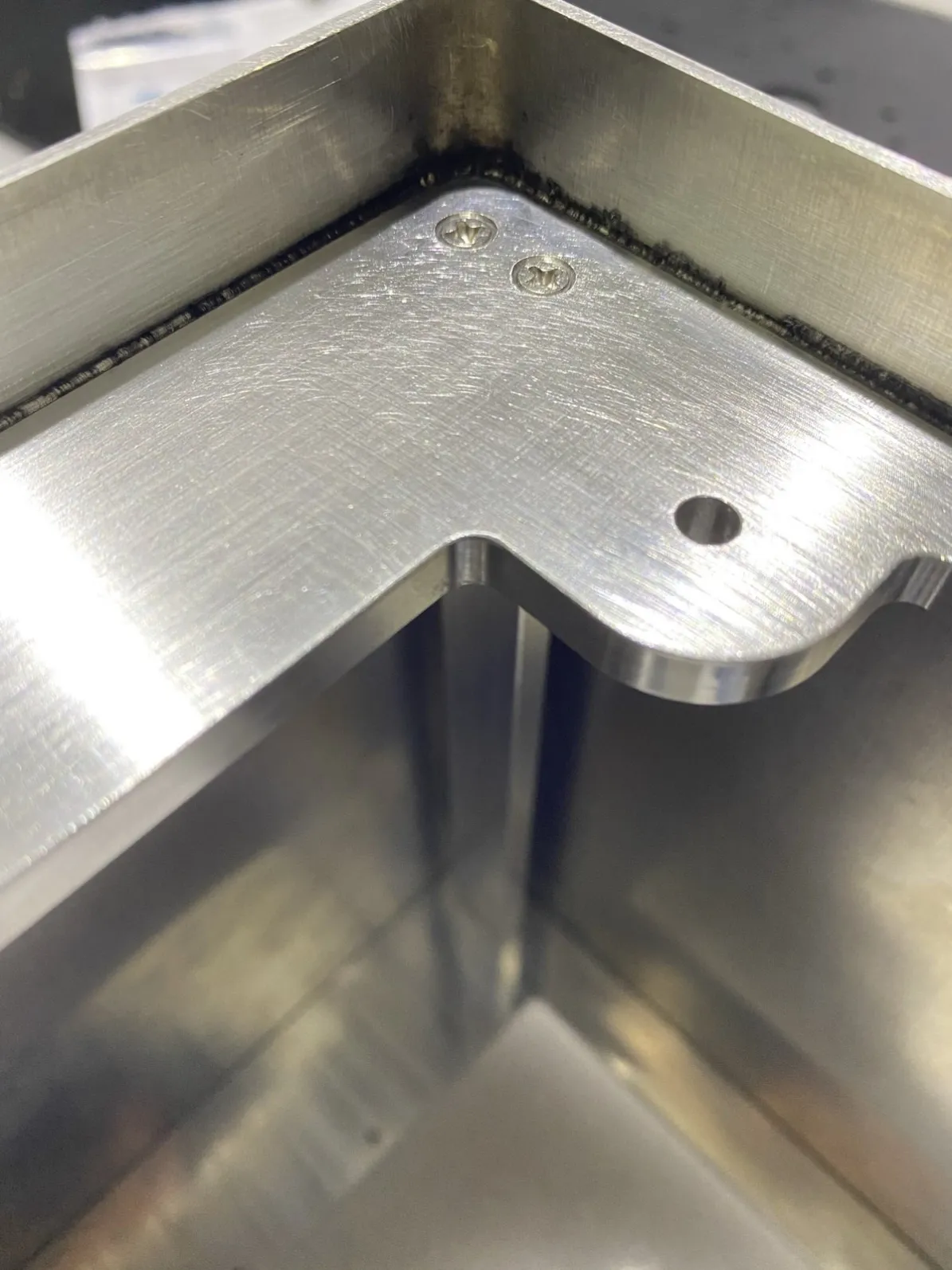
A welded sheet metal assembly is flat when it goes into the fixture and not quite flat when it comes out. The reason is simple: the weld pool is molten metal, and as it cools it shrinks. That shrinkage pulls the surrounding sheet toward the weld, and the assembly bends, twists or bows. The distortion is not a sign of bad welding — it is what welding does — and controlling it is a matter of planning the welds, holding the part, and correcting what moves.
Why welded sheet metal distorts
Distortion comes from uneven heating. The weld heats a narrow band of metal to melting point while the rest of the part stays cool. The hot band expands, is restrained by the cool metal around it, and then shrinks as it cools — and it shrinks more than it expanded, because it was restrained while hot. The result is a pull toward the weld, and a part that was flat is now dished or twisted.
Thin sheet is the worst case. It has little stiffness to resist the pull, and it heats through quickly, so the whole panel feels the weld. The amount of movement depends on the heat input, the length of the weld, and how the part is held.
Weld sequence: the order matters
The order in which welds are made is the first control on distortion. Welding one side of a part completely, then the other, pulls the part toward the first side. Alternating sides, so each weld is balanced by one on the opposite side, keeps the pull even. Short, staggered welds — stitch welding — put less heat into the part than one long continuous run, and the gaps between stitches let the part cool.
For a long seam, welding from the center outward, or back-stepping — welding short sections in the opposite direction to the overall progress — spreads the heat and the shrinkage. The sequence should be planned before welding starts, and on a repeat job written down so every assembly is welded the same way.
Fixturing: hold it, but do not fight it
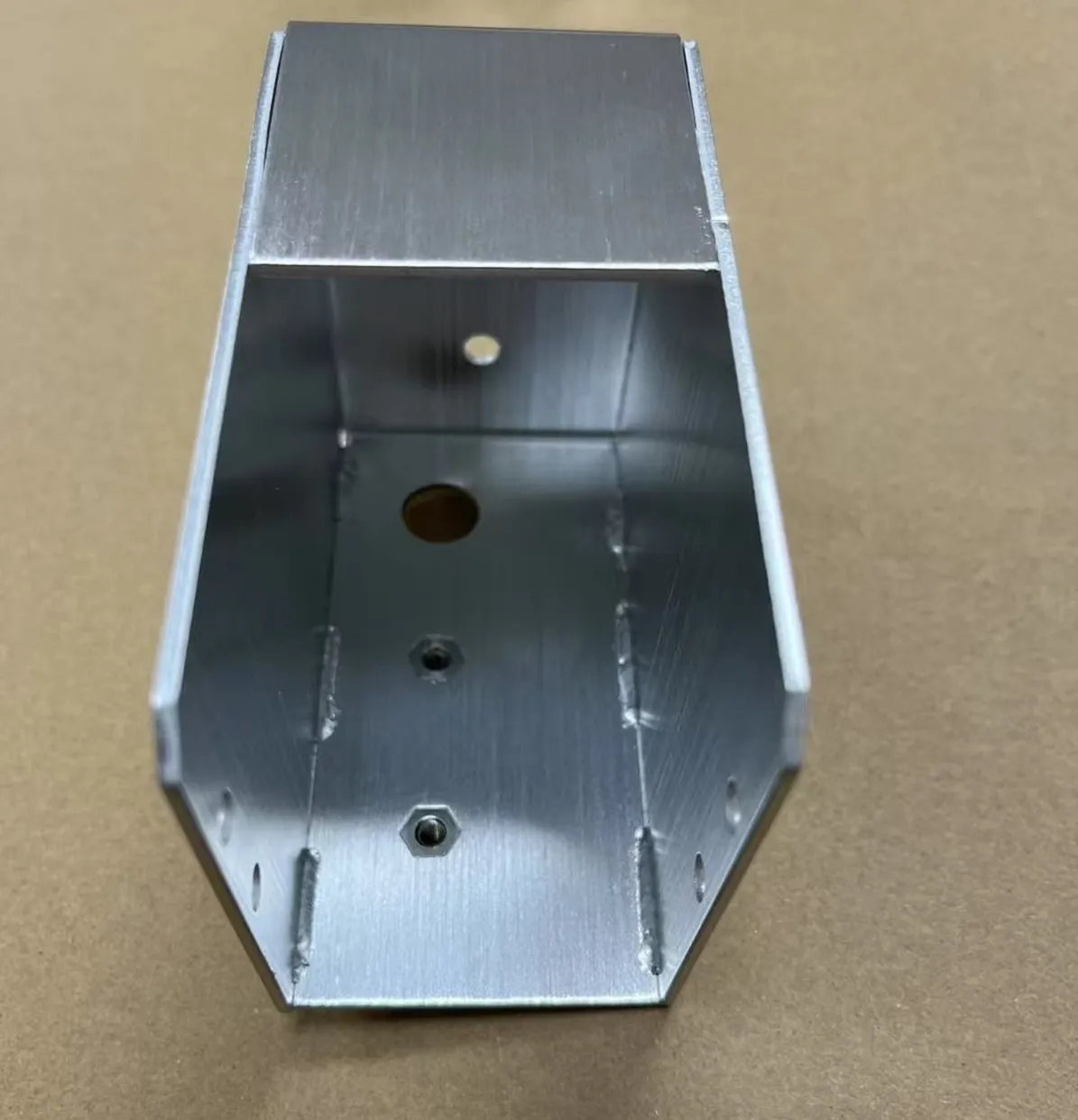
A fixture holds the parts in position while they are welded, and it resists the shrinkage pull. A good fixture is stiff, holds the part at the points that matter, and leaves room for the welder to reach the joint. But a fixture cannot prevent distortion entirely — if the weld wants to shrink and the fixture will not let it, the stress stays in the part and shows up later.
That is why the fixture and the weld sequence work together. The fixture holds the shape while the welds are made in a balanced order, and the part comes out of the fixture close to true. On assemblies that will be machined after welding, the machining allowance should be there for a reason: the weldment is machined flat after welding, and the fixture and sequence keep the movement small enough that the machining cleans it up. For the welding processes themselves, see sheet metal welding methods.
Choosing the welding process
The four welding processes we use on sheet metal each put a different amount of heat into the part. Laser welding is the most focused, with a narrow heat-affected zone and the least distortion. TIG (argon arc) welding gives good control on thin material and clean welds. MIG welding is fast on thicker material and on longer runs. Resistance spot welding puts heat only at the spot, which keeps distortion low on lap joints.
The choice depends on the material, the thickness, the joint and the appearance required. A visible seam on a cosmetic panel wants a clean finish; a structural joint wants penetration and strength. The process should be chosen at the quote stage, because it decides the fixture, the sequence and the finishing work — see sheet metal welding for machined parts.
Post-weld correction
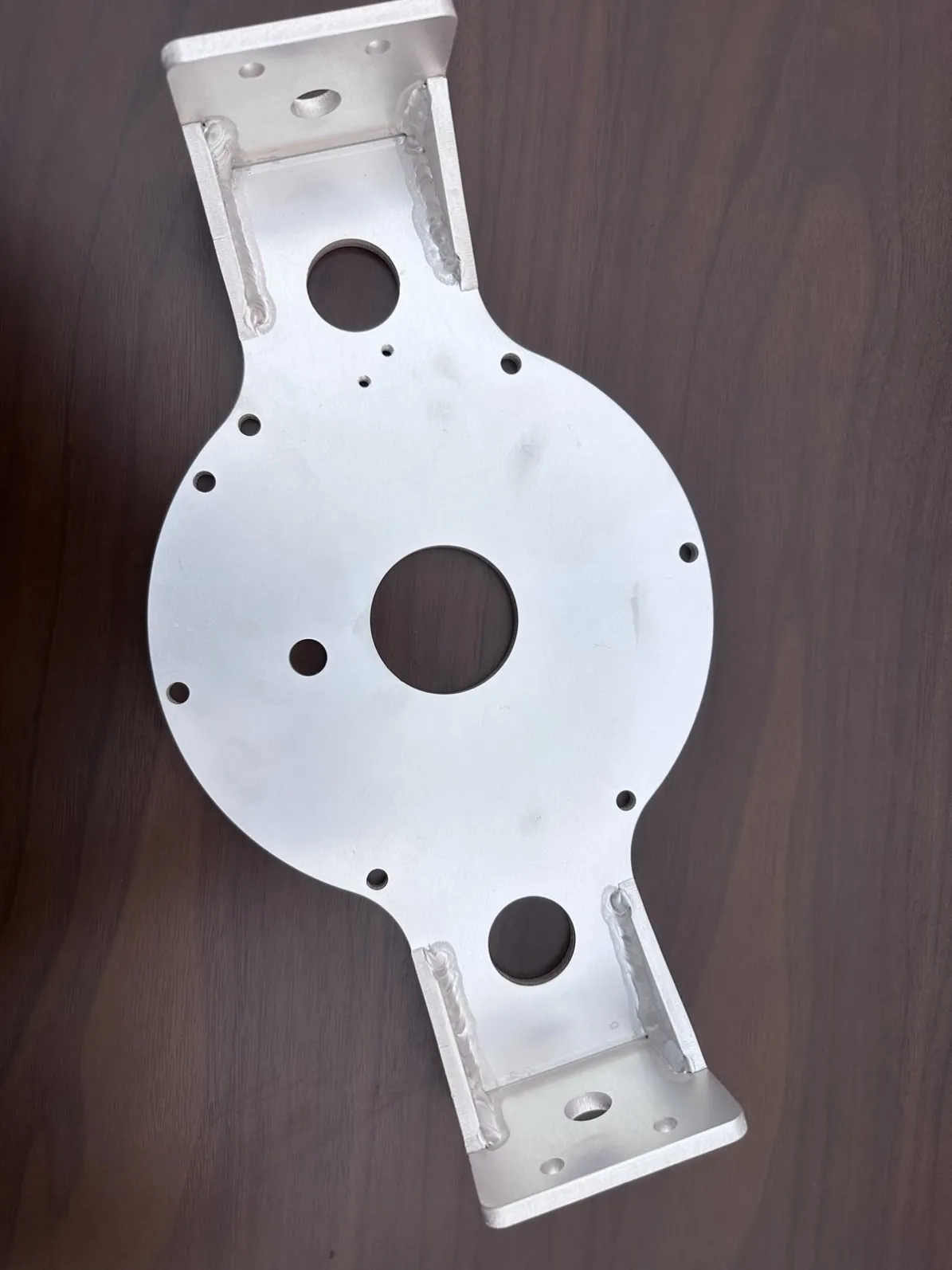
Some movement is unavoidable, and it is corrected after welding. The simplest correction is mechanical: the part is clamped and pressed back to shape, or a flange is straightened by hand. On assemblies that need a flat mounting face or a true bore, the correction is machining: the weldment is machined after welding, which is the most reliable way to get a flat face on a welded part.
What should not happen is welding after machining. A face machined flat and then welded will move, and the machining is wasted. The order is: cut, bend, weld, then machine the faces that have to be true. That sequence is worth confirming on any drawing that carries both welds and machined faces.
Design choices that reduce distortion
The designer can do more than the welder to control distortion. Fewer welds mean less heat and less movement, so a bent feature is often better than a welded one where the design allows it. Shorter welds, placed symmetrically, pull evenly, and a generous bend radius near a weld keeps the heat-affected zone away from a formed feature that would crack or distort.
Welding distortion in machined parts follows the same physics — thin walls move when stress is released and heat is applied — see thin-walled parts: controlling distortion for the machining side of the same problem.
What to send for a quote
A drawing with the weld locations and the process if one is specified, the material and thickness, and any face that must be flat or true after welding. If a face has to be machined after welding, mark it so the allowance is included. With those, the shop can plan the sequence, the fixture and the correction, and quote the assembly as welded and finished. If you want a welded sheet metal assembly quoted, send us your drawing — inquiries are answered within 8 hours and quotes usually within 24 hours.
FAQ
Why does welded sheet metal distort? Because the weld pool shrinks as it cools and pulls the surrounding sheet toward the weld. Thin sheet has little stiffness to resist the pull, so it bends, twists or bows.
How does weld sequence control distortion? By balancing the pull. Alternating sides, stitch welding, and welding from the center outward spread the heat and keep the shrinkage even.
Which welding process distorts least? Laser welding, because the heat is the most focused and the heat-affected zone is the narrowest. TIG gives good control on thin material, MIG is fast on thicker material, and spot welding keeps distortion low on lap joints.
Can a distorted weldment be corrected? Yes — by mechanical straightening, heat straightening, or machining after welding. Machining the faces that have to be true after welding is the most reliable correction.
Should parts be machined before or after welding? After. A face machined flat and then welded will move. The order is cut, bend, weld, then machine the faces that have to be true.