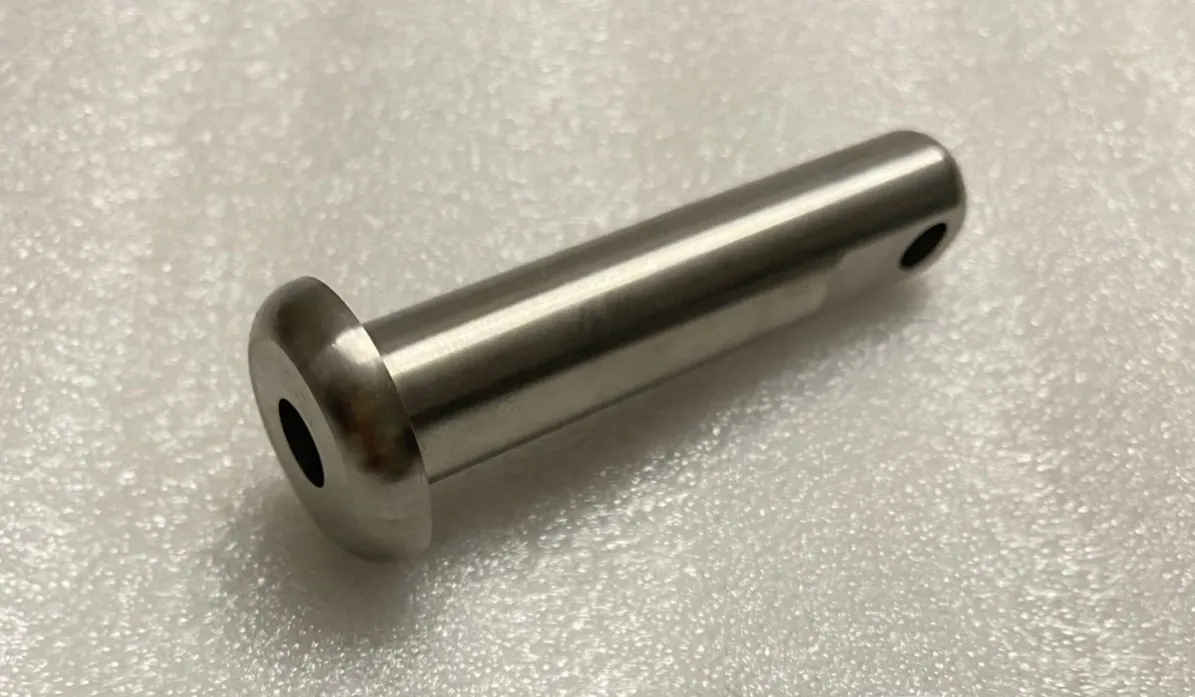
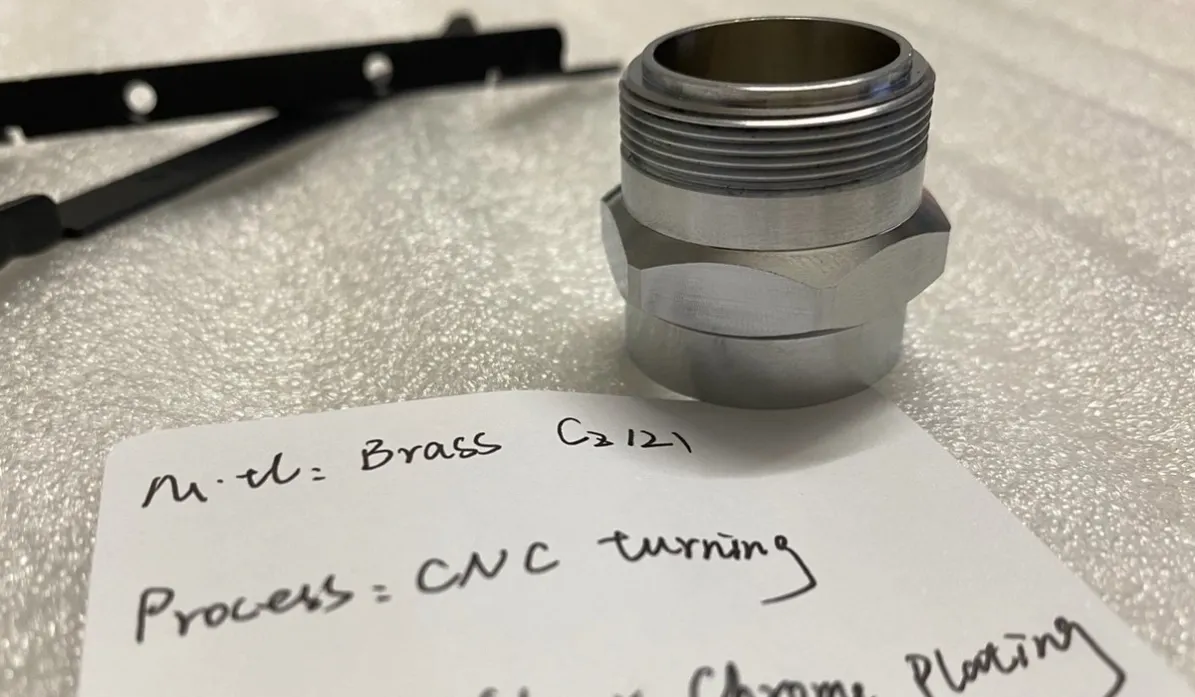
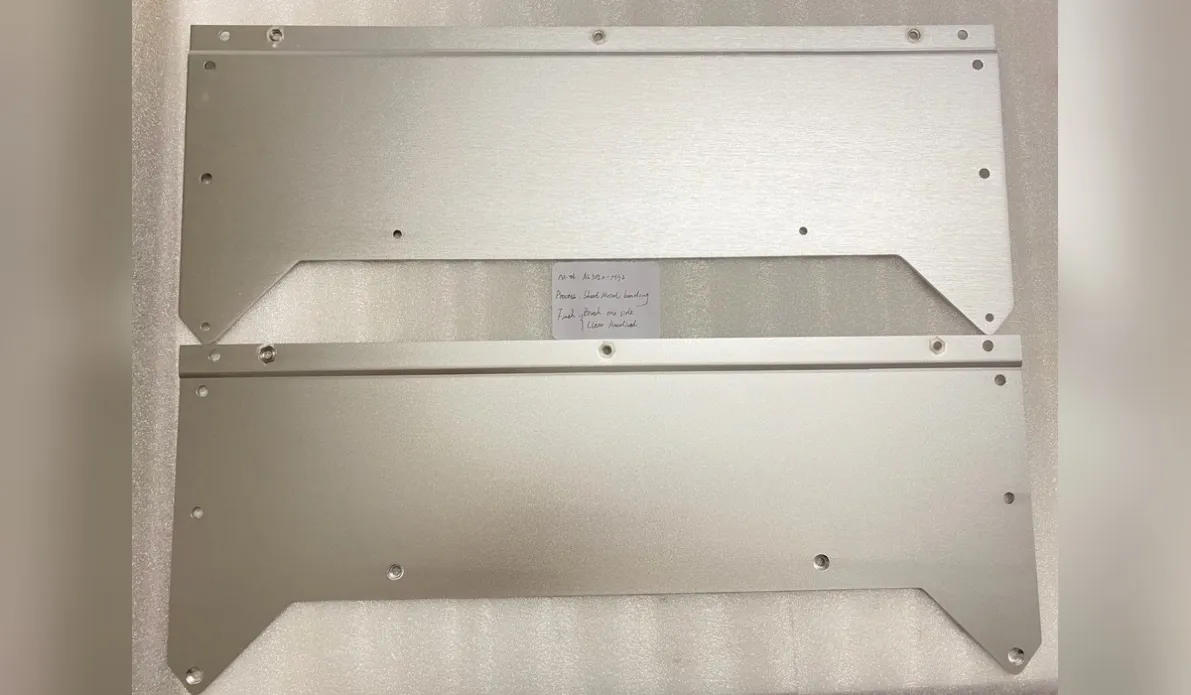
Machining Medical and Lab Instrument Parts
Machined parts for medical devices and lab instruments in 316L stainless steel, titanium Grade 5 and PEEK — with traceability, and an honest note on certifications.
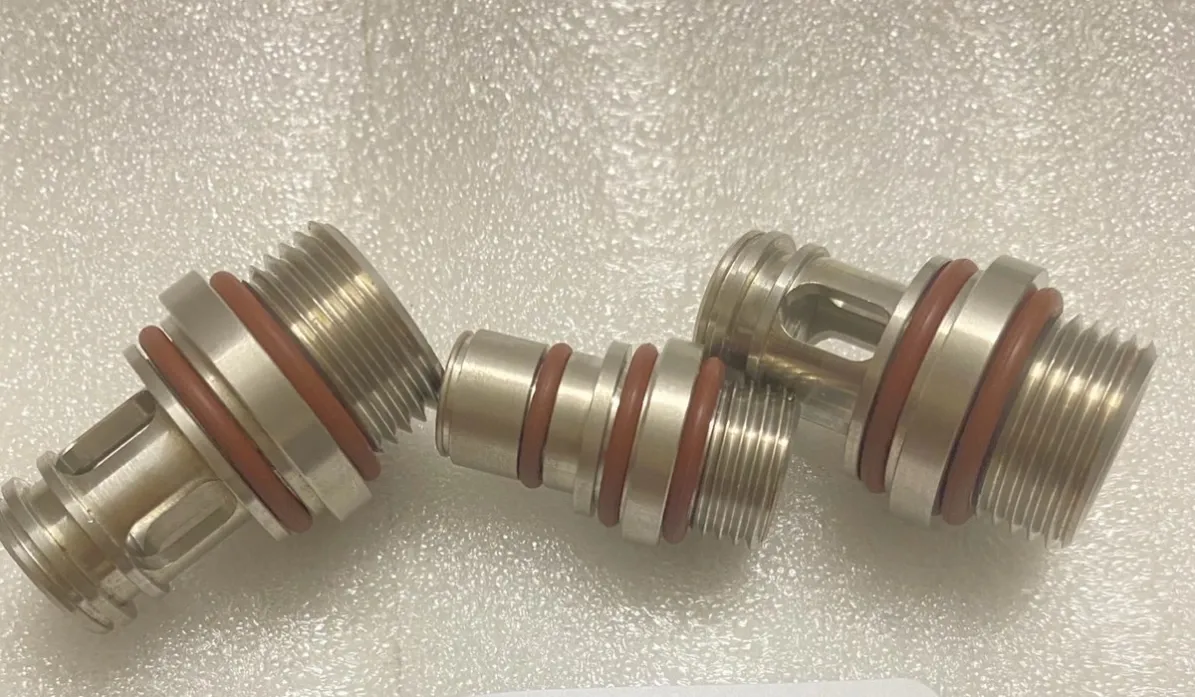
Medical and laboratory instruments are built from machined parts that have to behave in unfriendly places: inside analyzers that run all day, in fluid paths that get cleaned aggressively, in housings that are opened, serviced and closed again for a decade. We machine parts for medical detection equipment and laboratory instruments as a regular part of our work. This page covers the materials we machine for this field, the parts they become, and — plainly, because it matters — where our certification does and does not reach.
The materials, and why they are chosen
| Material | Typical parts | Why this field specifies it |
|---|---|---|
| 316L stainless steel | Fluid-path parts, fittings, sensor housings | Corrosion resistance against cleaning agents; low carbon for welded assemblies |
| Titanium Grade 5 | Lightweight structural parts, instrument components | Strength at low weight, excellent corrosion resistance |
| PEEK | Insulators, seals, wear parts, manifolds | Chemical resistance, temperature capability, machinable to fine detail |
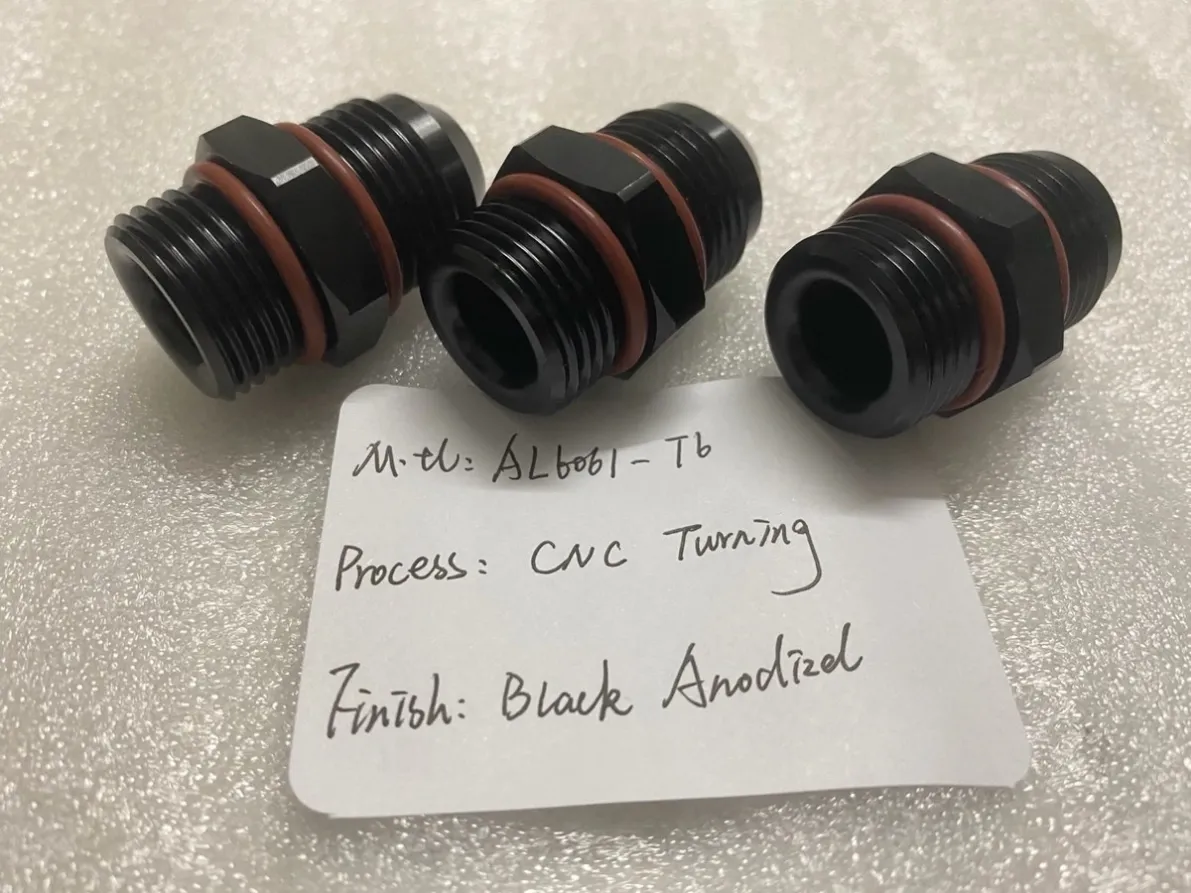
| 6061-T6 aluminum / 5052-H32 aluminum | Instrument housings, chassis, brackets | Light, stable, anodizes cleanly for a serviceable finish |
Stainless work in this field is usually 316L stainless steel, passivated to ASTM A967 or electropolished where the surface must clean easily — our piece on 316 stainless fittings covers the threads and sealing faces that decide whether a fluid path seals first time. Titanium Grade 5 appears where weight and corrosion resistance justify its machining cost, covered in our titanium machining guide. PEEK is the engineering plastic of the field, for the same reasons it appears in semiconductor equipment: it survives chemicals and temperature that commodity plastics do not.
What we make for this field
The work is instrument hardware rather than implants: housings and enclosures for analyzers and detection equipment, fluid-path fittings and manifolds, sensor mounts and brackets, sample-handling components, and the plates and frames that hold an instrument together. Prototypes and small batches are the natural fit — development teams iterating a design need parts in days, with the documentation habits of a production supplier. Tolerances follow the same rule as everywhere in our shop: ±0.1 mm (±0.004") as standard, ±0.01 mm (±0.0004") on the features that seal, locate or align.
Finishes and cleanliness
Instrument parts are cleaned, handled and disinfected in service, so finishes are specified for survival: passivation or electropolishing on stainless, anodizing (MIL-PRF-8625, formerly MIL-A-8625) on aluminum housings, bead blasting for a uniform matte surface that does not show handling. Where parts must arrive clean, ultrasonic cleaning and clean packing options — double-bagged or vacuum sealed — are available and planned at enquiry stage.
Documentation and traceability
Material is sourced against the drawing specification, with the mill certificate held on file for the job. First article inspection reports, material certificates and certificates of conformance are supplied as agreed at quote stage — the system behind them is described in our guide to FAI reports, material certificates and CofC. For development work this is usually the point: the parts arrive with the paperwork an instrument maker's own quality system needs to file.
An honest note on certification
We are an ISO 9001 certified shop. We do not hold ISO 13485, and we do not present ourselves as a medical-device manufacturer. What that means in practice: we are a straightforward fit for research and development prototypes, laboratory and diagnostic instrument parts, equipment housings and hardware, and non-implantable components — machined to drawing, inspected, documented. Implantable devices and parts that require an ISO 13485 supply chain are outside our scope, and we would rather say so on this page than in a difficult email later. The parts we do quote are parts we can stand behind completely.
Send drawings through our contact page — 3D model (STEP, X_T or IGES) plus the 2D drawing with materials, finishes and any documentation requirements stated. We respond within 8 hours and normally quote within 24 hours.
FAQ
Are you ISO 13485 certified? No. We are ISO 9001 certified. We machine parts for medical detection equipment and lab instruments — prototypes, instrument hardware and non-implantable components — and we do not take on work that requires an ISO 13485 supply chain, such as implantable devices.
Which materials do you machine for medical and lab instruments? 316L stainless steel, titanium Grade 5, PEEK, and aluminum (6061-T6 aluminum, 5052-H32 aluminum) cover most of the work. Other grades are sourced against your drawing specification and confirmed at quote stage.
Can stainless parts be passivated or electropolished? Yes — passivation to ASTM A967 is standard for 316L fluid-path parts, and electropolishing is available where a smoother, easier-to-clean surface is specified.
What documents come with the parts? As agreed at quote stage: first article inspection report, material certificates and a certificate of conformance, with third-party verification available at additional cost.
Do you make implantable parts? No. Our scope in this field is instrument parts, housings, fittings and non-implantable components, including R&D prototypes.