Blog
Machining Titanium: Why It's Slow, and When It's Worth It
Why titanium machining is slow and costs more: what the metal does to cutting tools, Grade 2 vs Grade 5, and where titanium pays off over aluminum or steel.
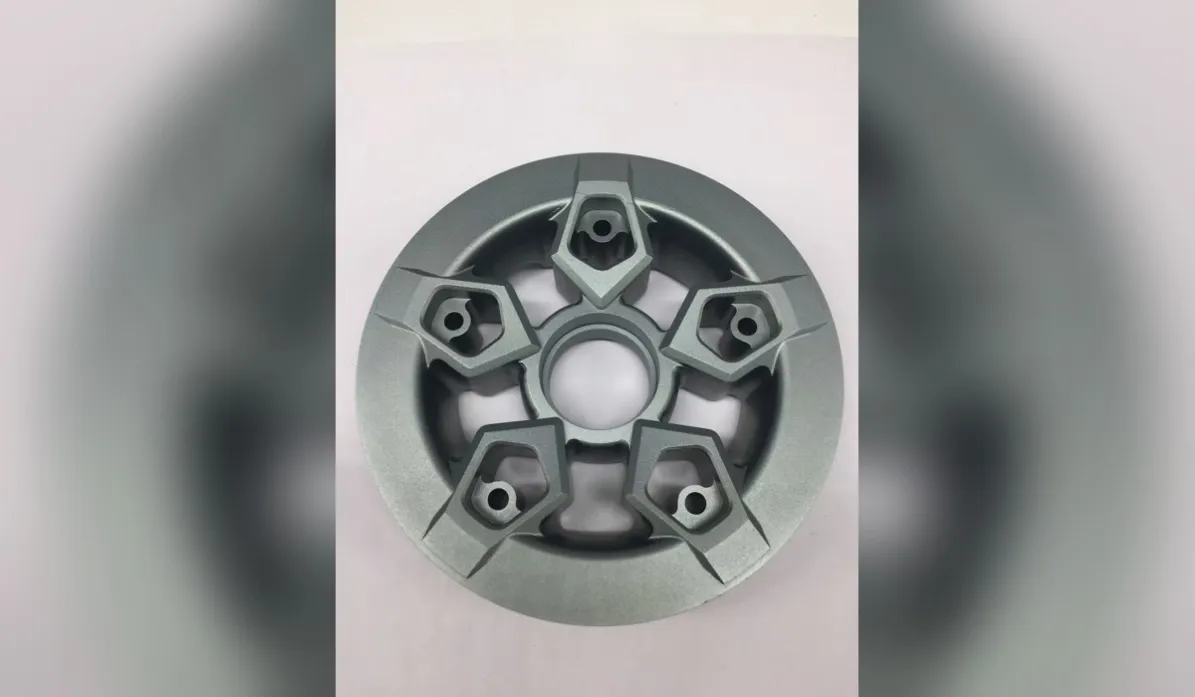
Titanium has a reputation in machining: it is the material that makes a straightforward part take three times as long. That reputation is earned. Titanium CNC parts cost more than aluminum or steel ones, and the reason is not the price of the metal alone — it is what the metal does to the cutting tool.
This article explains, in plain terms, why titanium machining is slow, what the two common grades are for, and where titanium genuinely pays off versus where a good aluminum alloy or steel is the smarter answer.
Why Engineers Pick Titanium in the First Place
Three properties keep titanium in designs despite the cost:
- Strength-to-weight. Grade 5 titanium is roughly as strong as many steels at a little over half the weight. Where a part is load-critical and mass-critical at the same time, little else competes.
- Corrosion resistance. Titanium forms a stable oxide layer and shrugs off salt water, most chemicals, and weather that would eat aluminum and pit stainless steel. Parts in marine and outdoor environments benefit most.
- Heat resistance. Titanium keeps useful strength at temperatures where aluminum has long gone soft. Near engines, exhausts, and brakes, that margin matters.
If a part needs two of those three at once, titanium is usually the right call. If it needs only one, there is often a cheaper answer — more on that below.
Why It Machines Slowly
Three things conspire against the machinist, and they are worth understanding because they explain both the lead time and the price.
Heat stays in the tool. Most metals carry cutting heat away in the chip. Titanium conducts heat poorly, so the heat concentrates at the cutting edge instead. Tools run hot, wear fast, and have to be changed more often — and cutting speeds come down to keep the edge alive.
It work-hardens. If a tool rubs instead of cutting cleanly, the surface of titanium hardens, and the next pass has to cut through that hardened skin. This is why titanium punishes hesitation: light, timid cuts are worse than firm, committed ones, and a worn tool makes everything worse quickly.
It springs back. Titanium is elastic for a metal with its strength. Thin sections flex away from the cutter and spring back, so holding a tight tolerance on a thin titanium wall means lighter passes, more of them, and more checking in between.
Put together, a titanium part simply spends longer on the machine. Anyone quoting titanium at aluminum lead times is either guessing or planning to cut corners.
Grade 2 vs Grade 5
The two grades that cover most titanium parts are quite different materials:
- Grade 2 is commercially pure titanium. It is the corrosion champion — the grade for marine hardware, chemical equipment, and parts where the environment is the enemy. It is more formable and easier to machine than Grade 5, but its strength is moderate, closer to a mild steel than to a structural alloy.
- Grade 5 (Ti-6Al-4V) is titanium alloyed with aluminum and vanadium, and it is the structural grade: much stronger, the default for aerospace, motorsport, and high-load components. It is also the harder of the two to machine, for all the reasons above.
A useful shorthand: if the part's main job is to not corrode, look at Grade 2. If its main job is to carry load without weight, look at Grade 5.
Where Titanium Pays Off — and Where It Doesn't
Honest advice from the shop floor: titanium is worth its cost in a narrower range of parts than its reputation suggests.
Titanium pays off on highly loaded parts where weight is at a premium (suspension and rotating components, performance fasteners), on parts in corrosive environments that cannot be coated or maintained, and near heat sources where aluminum loses strength.
Aluminum or steel is smarter when the part is bulky and lightly loaded — a 7075 aluminum bracket will usually do the same job as a titanium one at a fraction of the cost, because the size is driven by stiffness or packaging, not strength. Steel wins where wear surfaces, threads under repeated assembly, or shock loads dominate, and wherever budget is a real constraint. We will say so when we quote: if a titanium drawing lands on our desk and the part would work just as well in 7075, we flag it and price both.
Designing for Titanium
A few habits make titanium parts cheaper and more reliable to produce:
- Avoid paper-thin walls. Springback makes very thin sections slow and risky. A little more material usually costs less than the extra machining time spent nursing a fragile wall.
- Use generous internal radii. Larger radii let the tool keep moving and reduce stress concentration in a material that is notch-sensitive.
- Keep tight tolerances for the features that need them. We hold ±0.1 mm as standard and ±0.01 mm where called out — on titanium, every tight feature costs real machine time, so spend it on bearing seats and mating faces, not on everything.
- Say the grade on the drawing. "Titanium" alone is not a specification. Grade 2 and Grade 5 differ enough in price and machining that the grade changes the quote.
Titanium parts are a small but regular part of our work, alongside aluminum, stainless, and the engineering plastics. If you have a part you think belongs in titanium — or one currently in titanium that you suspect does not — send the drawing through our CNC machining or CNC turning pages. We reply within 8 hours, quotes are usually back within 24 hours, and material certificates and first article inspection reports are available on request. NDA available if the design is sensitive.