Black Finishes Compared: Black Anodize vs Black Oxide vs E-Coat vs Powder Coat
Four ways to make a metal part black — anodize, black oxide, e-coat and powder coat — compared on thickness, corrosion, wear and tolerance impact, so you pick the right one.
"Black finish" is not a specification. Four different processes make metal parts black, they suit different metals, and they behave so differently that swapping one for another can scrap a batch — a powder coat's thickness alone will bury a precision thread that a black oxide would have left untouched. We run all four: black anodized aluminum, black-oxided steel, electrophoretic black on springs and hardware, and black powder coat on sheet metal. Here is how they actually compare.
The four at a glance
| Black anodize | Black oxide | E-coat (electrophoretic) | Powder coat | |
|---|---|---|---|---|
| Process | Electrochemical conversion, dyed | Chemical conversion | Electro-deposited paint | Electrostatic powder, baked |
| Metals | Aluminum only | Steel and stainless | Most metals | Aluminum and steel |
| Added thickness | Small — roughly half grows out of the surface | Almost none | Thin, typically 15–25 µm | Thick, typically 60–100 µm |
| Corrosion protection | Good | Mild — relies on oil/wax seal | Very good | Excellent |
| Wear behavior | Hard surface, resists scratching | Soft, can rub bright | Moderate | Tough, can chip at edges |
| Effect on tolerances | Minor, plan for it on tight fits | None — the precision option | Minor, even coverage | Significant — mask threads and fits |
| Typical parts | Housings, panels, precision aluminum | Steel shafts, fasteners, wear parts | Springs, hardware, complex shapes | Covers, brackets, enclosures |
Black anodize: the aluminum default
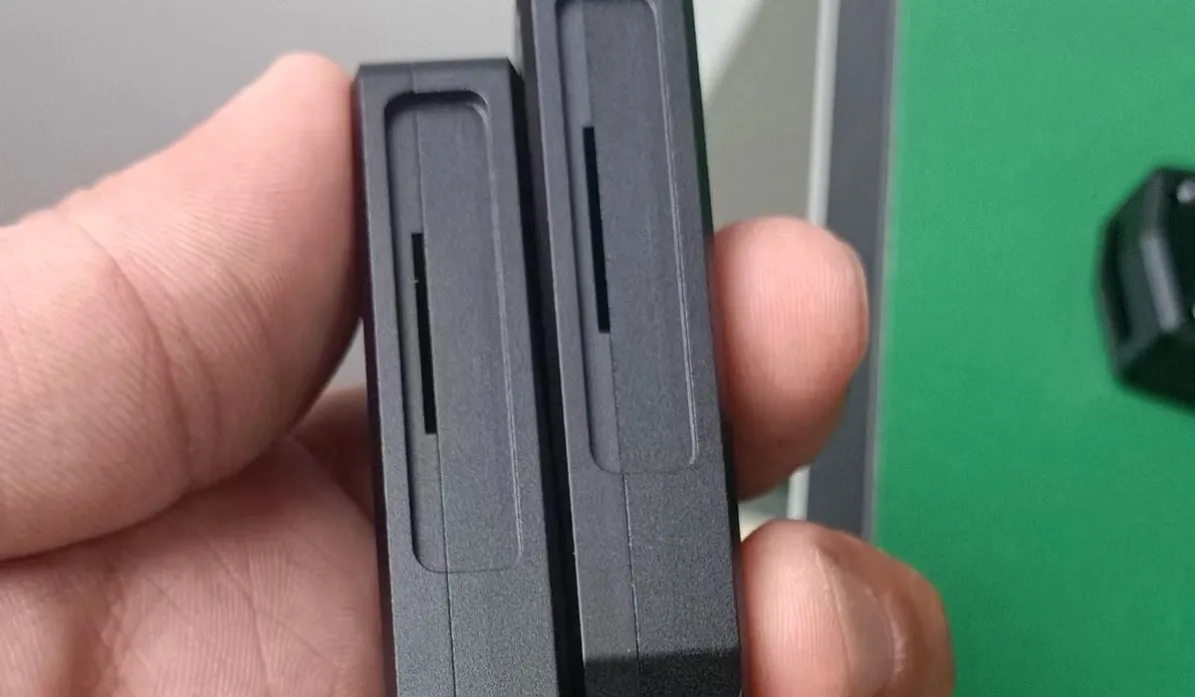
Anodizing converts the aluminum surface itself into a hard oxide layer, and the black is a dye absorbed into that layer before sealing (our standard work is MIL-PRF-8625 (formerly MIL-A-8625) Type II Class 2 black — the details are in our anodizing specs guide). Because the color lives inside a ceramic-hard layer rather than sitting on top, it does not chip or peel, and it shrugs off handling scratches that would mark paint.
Two properties decide where it fits. The layer is electrically insulating — good for housings, a problem where a part must ground through its surface. And the finish follows the preparation: bead blast first (our default) and the black comes out an even matte; polish first and it stays glossy. Anodize is aluminum-only, though — no version of it exists for steel.
Black oxide: the precision steel finish
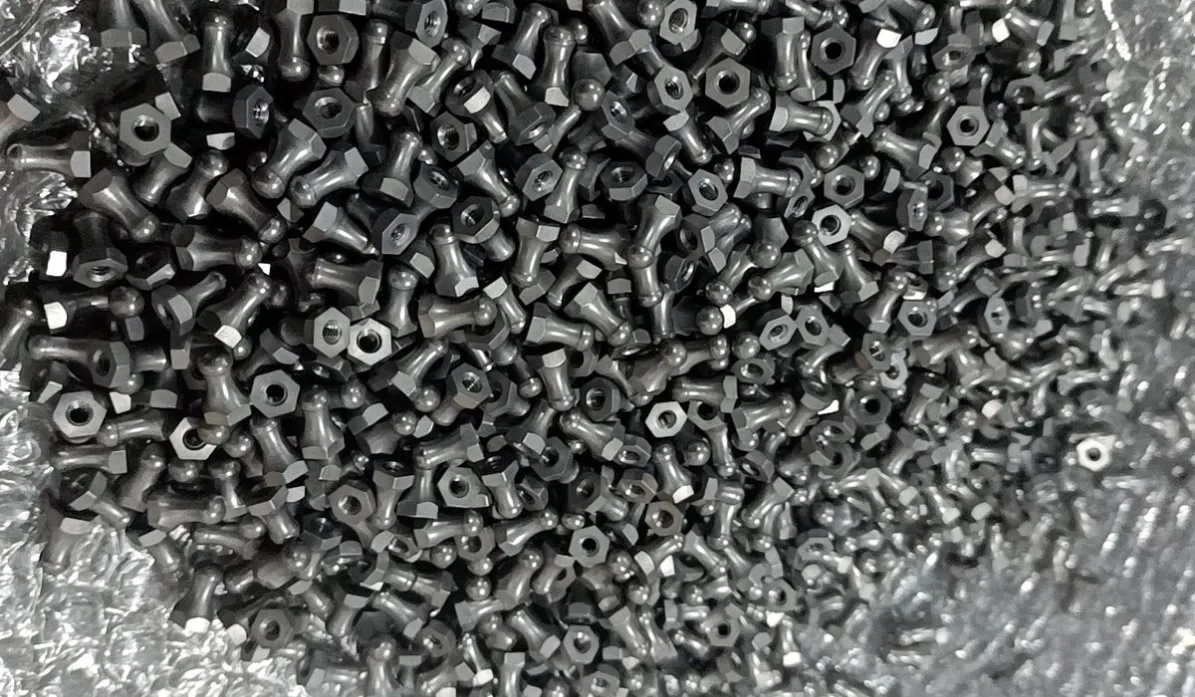
Black oxide is a chemical conversion of the steel surface, and its defining virtue is what it does not do: it adds essentially no thickness. Threads, fits and ground dimensions come out the size they went in, which is why our batch-turned steel and 440C parts — the hex parts in the photo — are black-oxided rather than coated with anything (more in our piece on batch turning with black oxide).
The honest trade-off is corrosion. Black oxide alone protects mildly; the real barrier is the oil or wax sealer applied after it. For indoor equipment parts that is entirely sufficient and the matte black looks the part. For wet or outdoor service, black oxide is the wrong choice — that is what e-coat and powder coat are for.
E-coat: the finish that reaches everywhere
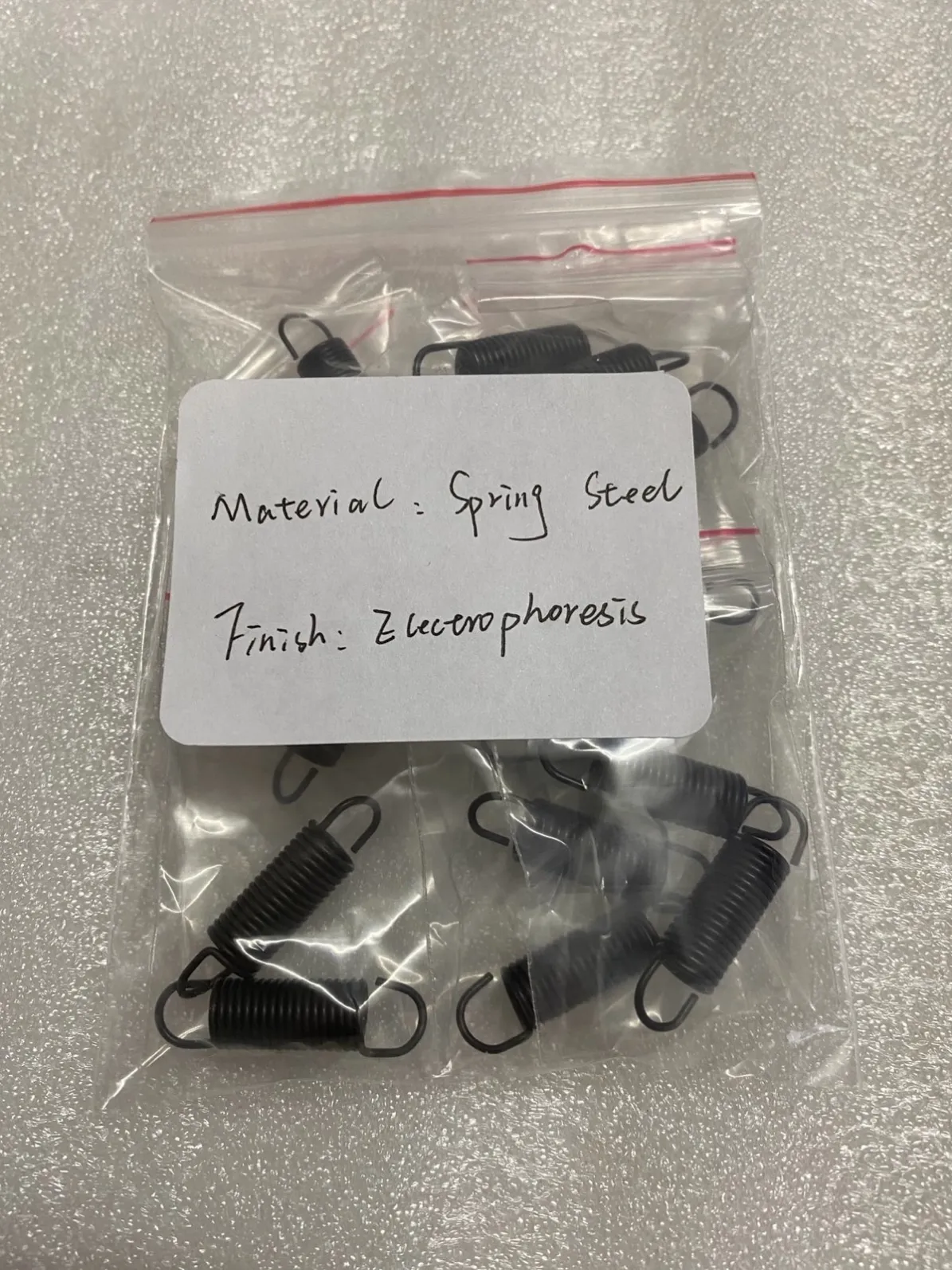
Electrophoretic coating deposits paint from a bath using electric current, and the deposit follows the current — into recesses, blind corners and the closed gaps between extension spring coils, where spray paint bridges or misses entirely. The film is thin and remarkably even, so threads and fits survive with minor allowance, and the corrosion protection is a large step above black oxide.
Our spring work wears it for exactly those reasons (see the springs article photo set), and it suits any small, complex steel or aluminum hardware that needs a uniform satin black with real corrosion resistance. The limitation is palette and texture: e-coat is a smooth, relatively thin film — it will not hide machining marks or surface defects the way powder coat does.
Powder coat: the sheet metal workhorse
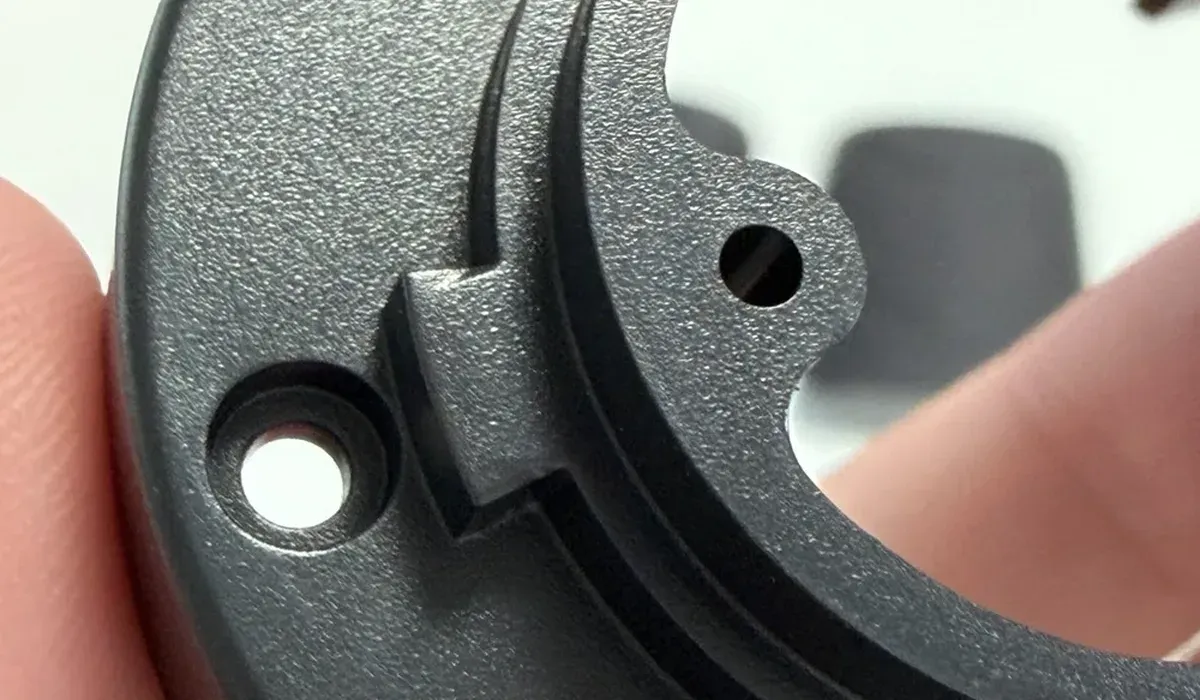
Powder coating sprays dry powder onto the part and bakes it into a continuous film several times thicker than any other finish here. That thickness is its character: it levels over minor surface imperfections, takes knocks that would chip thinner coatings, and shrugs off weather — the default for covers, brackets and enclosures in our sheet metal finishes work.
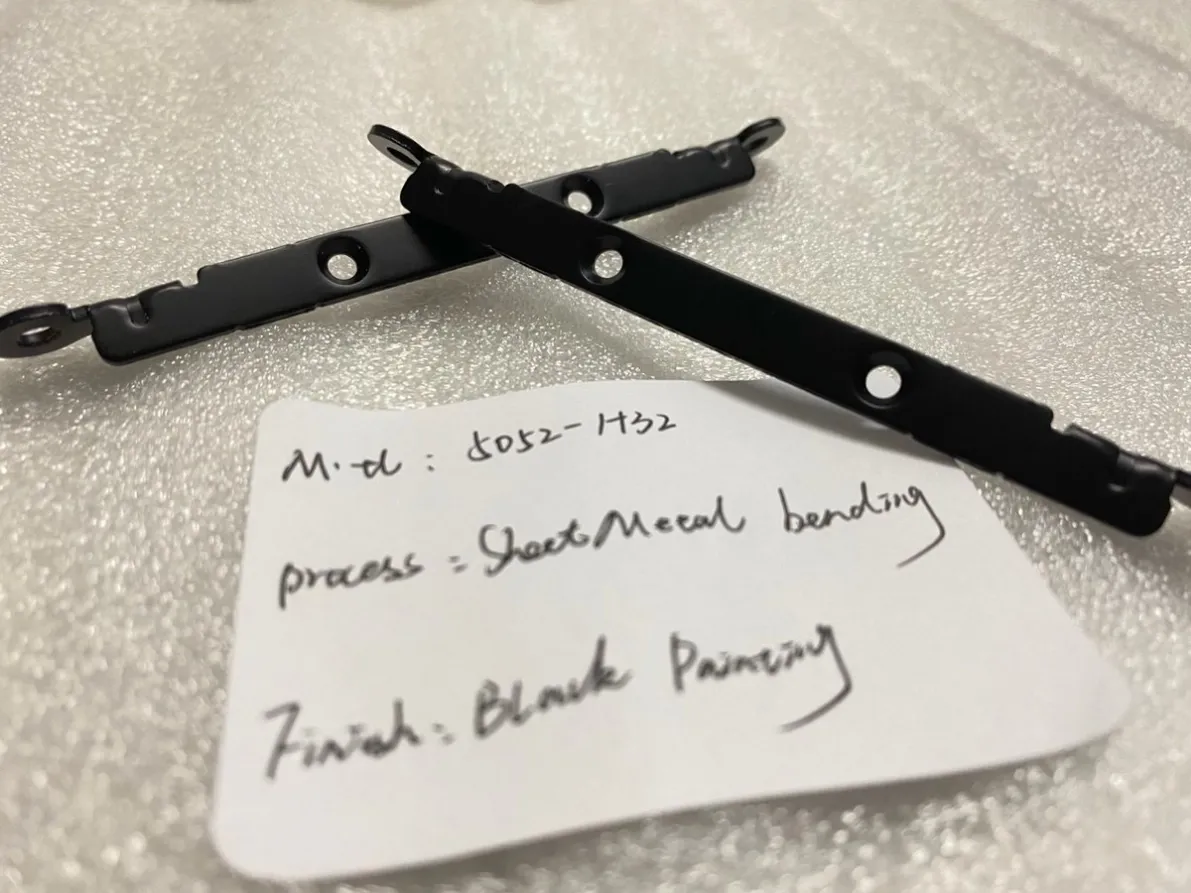
The same thickness is its limit. Sixty to a hundred micrometres of coating closes up small holes, coats thread flanks and swallows fine detail, so precision features must be masked before coating and unmasked after — planned work, quoted work. Powder coat belongs on parts whose surfaces are visual and structural, not on parts whose surfaces are datums.
Choosing, by part
- Precision aluminum part — black anodize. Hard, thin, no chipping; plan the small build into tight fits.
- Precision steel part — black oxide. Zero dimensional change; accept the mild corrosion protection, keep it indoors.
- Complex shape, springs, or steel that will see moisture — e-coat. Even thin coverage everywhere, real corrosion resistance.
- Sheet metal cover, bracket, enclosure — powder coat. Thick, tough, forgiving of the surface underneath; mask what must stay bare.
If the part mixes categories — a machined aluminum housing that also needs a masked grounding face, say — tell us at quote stage and we will build the masking into the surface finishing route instead of discovering it at assembly.
FAQ
Can steel be black anodized? No. Anodizing is a conversion of aluminum (titanium has its own version); there is no anodize process for steel. The steel equivalents are black oxide for precision parts, or e-coat and powder coat where corrosion protection matters more.
Which black finish changes dimensions the least? Black oxide, by a wide margin — it is a surface conversion with effectively no build, which is why it is the standard finish on precision steel parts and fasteners. Powder coat changes dimensions the most.
Does black anodize fade outdoors? Black is the most light-stable of the dyed anodize colors, but any dyed anodize can fade slowly under years of strong UV. For permanent outdoor exposure, powder coat or a UV-stable paint system is the safer specification.
Do threads need masking before these finishes? For black oxide, no — there is nothing to mask against. For anodize, we machine with the coating build in mind, so precision holes and threads finish in tolerance after coating; masking is available where a surface must stay bare, such as a grounding face. E-coat needs a small allowance. Powder coat is the one that needs real masking on threads, holes and mating faces.
Which finish resists corrosion best? Powder coat and e-coat, in that order, for outright barrier protection. Black anodize protects aluminum well in normal service. Black oxide alone is the weakest and depends on its oil or wax sealer.
Can one part have two of these finishes? Yes, with masking — for example a powder-coated enclosure with black-anodized front panel, or e-coated hardware on an anodized housing. Mixed finishes are planned per surface on the drawing, not improvised in the finishing shop.