Blog
Anodizing Specs Explained: Type II, Class 1 vs Class 2
MIL-A-8625 Type II, Class 1 vs Class 2 explained in plain terms — what the anodizing spec on your drawing means, and how to write it so parts come back right.
"Anodize it black" gets the job done most of the time. But when a part comes back the wrong shade, or a finish gets rejected at incoming inspection because the drawing just said "anodize," the root cause is usually a spec that was never fully written down. Anodizing specifications look intimidating, but the part that matters for most aluminum parts fits in one line — and it's worth understanding what that line means.
What MIL-A-8625 Actually Is
MIL-A-8625 is the long-standing military specification that defines anodic coatings on aluminum. It sorts anodizing by type (how the coating is formed) and class (whether it's dyed). Even though it started as a military document, it became the default language for anodizing across industry, so when a drawing says "anodize per MIL-A-8625," every finishing shop knows exactly what's being asked for.
For general-purpose parts, the workhorse is Type II — conventional sulfuric acid anodizing. It gives good corrosion protection, a hard wear-resistant surface, and it takes dye well. (Type I is a thinner chromic acid coating, and Type III is hardcoat — thicker and harder, used where wear is severe. If your drawing doesn't say, Type II is what most people mean.)
Class 1 vs Class 2: Dyed or Not
The class answers one simple question: is the coating colored?
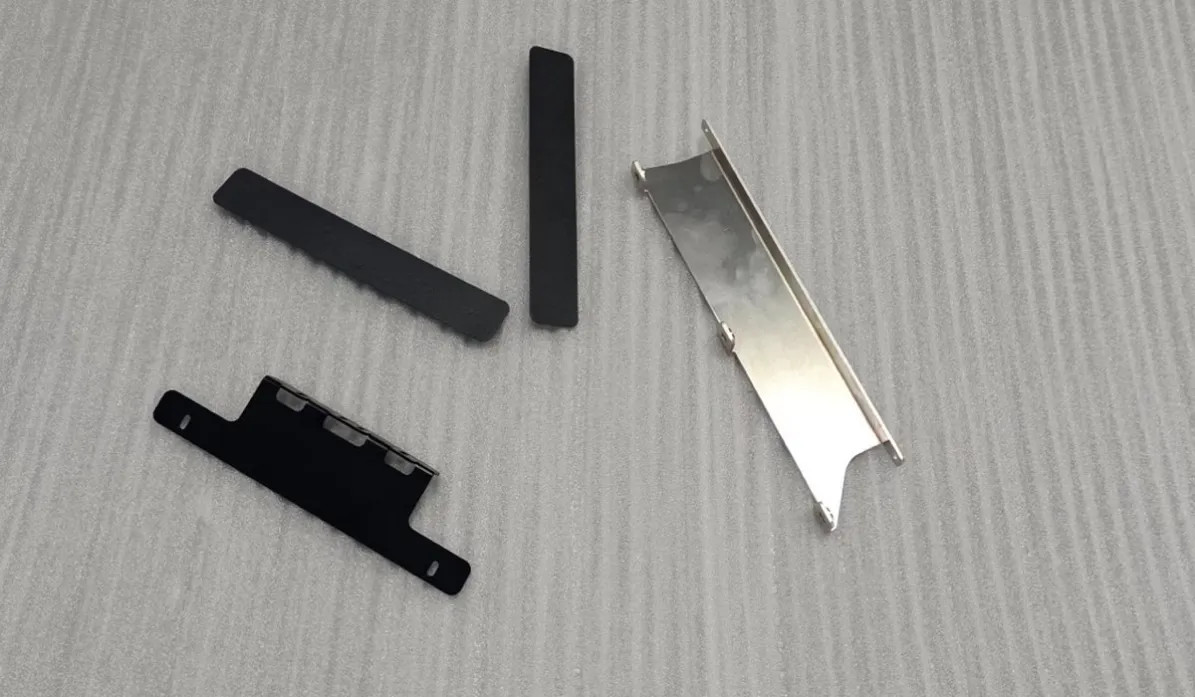
- Class 1 — undyed. The part keeps its natural aluminum appearance, just with a protective matte or satin finish. Choose this when the look should stay "aluminum," or when the coating is purely about corrosion protection.
- Class 2 — dyed. The porous anodic layer is colored before sealing. Black, red, blue, gold — this is where color comes from.
So "MIL-A-8625 Type II Class 2, black" translates to: standard anodizing, dyed, in black. That single line removes all ambiguity. It's also the spec we run most often — Type II Class 2 black is the default finish on a large share of the aluminum parts we ship.
Why Black Is the Most Common Color
Black anodizing dominates for practical reasons. It hides minor handling marks and machining variation better than any other color, it looks consistent from batch to batch, and it suits almost any product. Clear (Class 1) is the next most common, for parts where a metal look is wanted.
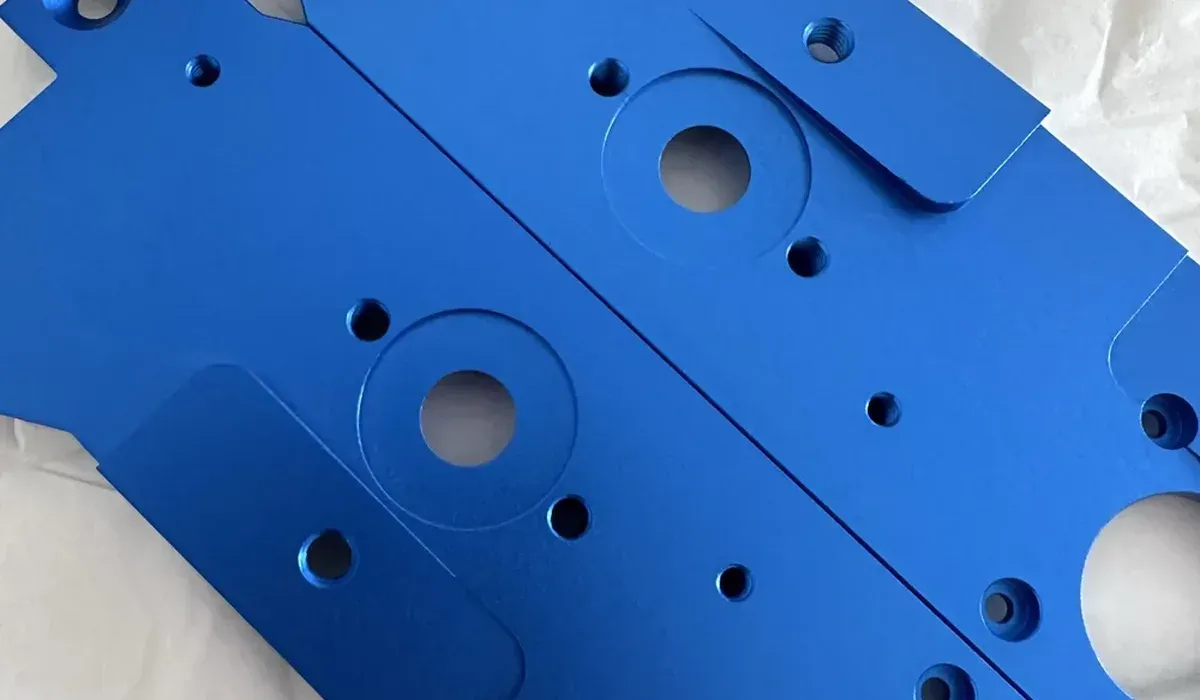
Colored anodizing — red, blue, and others — is absolutely doable, but keep two things in mind. First, dye color can shift slightly between batches and between alloys; a 6061 part and a 7075 part in the "same" red won't match perfectly. Second, bright colors show fading from UV exposure sooner than black. If color matching across assemblies matters, tell us up front so the parts can be run together.
How to Write the Spec on Your Drawing
A complete anodizing callout has four pieces:
- The standard and type — "Anodize per MIL-A-8625, Type II"
- The class and color — "Class 2, black" (or "Class 1, clear")
- Where it applies — all over, or specific surfaces if some areas stay bare for electrical contact or bonding
- Anything to protect — for example, surfaces that must remain conductive
One thing you can leave off the worry list: precision bores and threaded holes. With our process, the anodize coating doesn't throw critical holes and threads out of tolerance, so they don't need masking before anodizing. That's one less note on the drawing and one less step in the process.
Also worth knowing: surface prep matters as much as the spec. We bead blast at 120# before anodizing as standard — it evens out the surface and gives a consistent matte result under the coating. We wrote about why we bead blast before anodizing in more detail if you're interested.
The Short Version
If you remember one line, make it this one: MIL-A-8625, Type II, Class 2, black covers the majority of aluminum parts. Change the class to 1 if you want it clear, change the color if you need one, and note any surfaces that must stay uncoated. That's a spec any shop can run without a single follow-up question.
If you're not sure which finish your part actually needs, send us the drawing through our surface finishing page and tell us what the part has to survive — we'll suggest a spec that fits, in plain language, with the quote.