
Surface Finishing
Surface finishing for machined and sheet metal parts — anodizing, powder coating, plating, passivation and more, to MIL and ASTM specs.
LEADER PROTO finishes the parts it machines and fabricates — anodizing, powder coating, plating, passivation and more — as part of the same order, to MIL and ASTM specifications. You specify the finish on the drawing; the part comes back finished, inspected and ready to use.
Finishes for metal parts
| Finish | Typically used for |
|---|---|
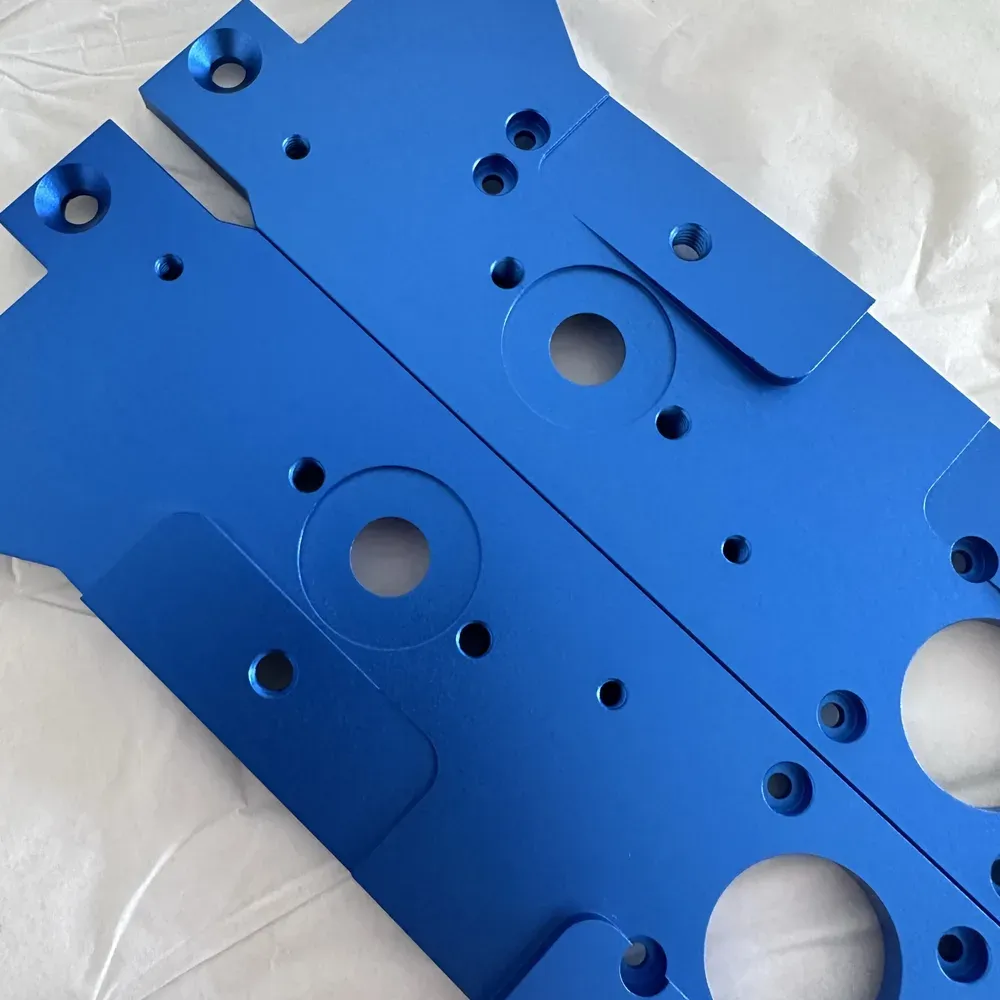
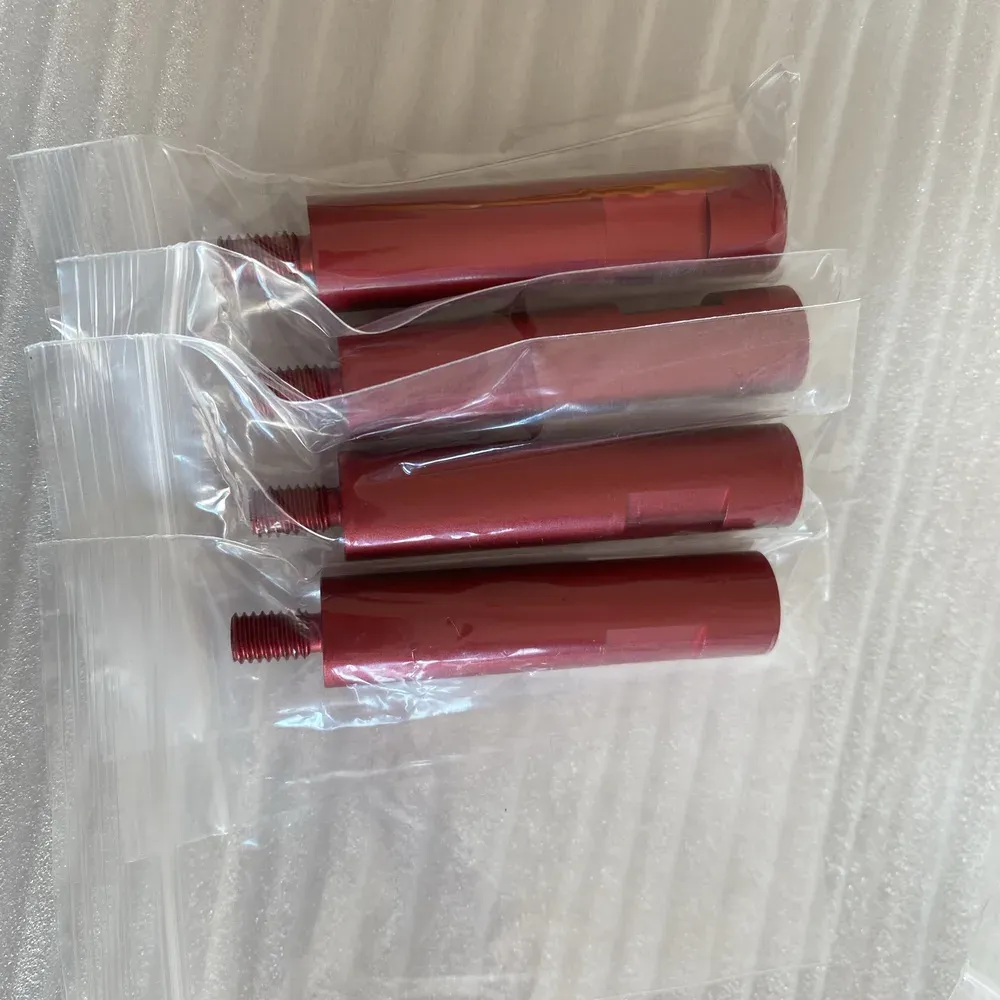
| Anodizing (Type II) | Aluminum — corrosion protection and color |
| Hard anodizing | Aluminum wear surfaces |
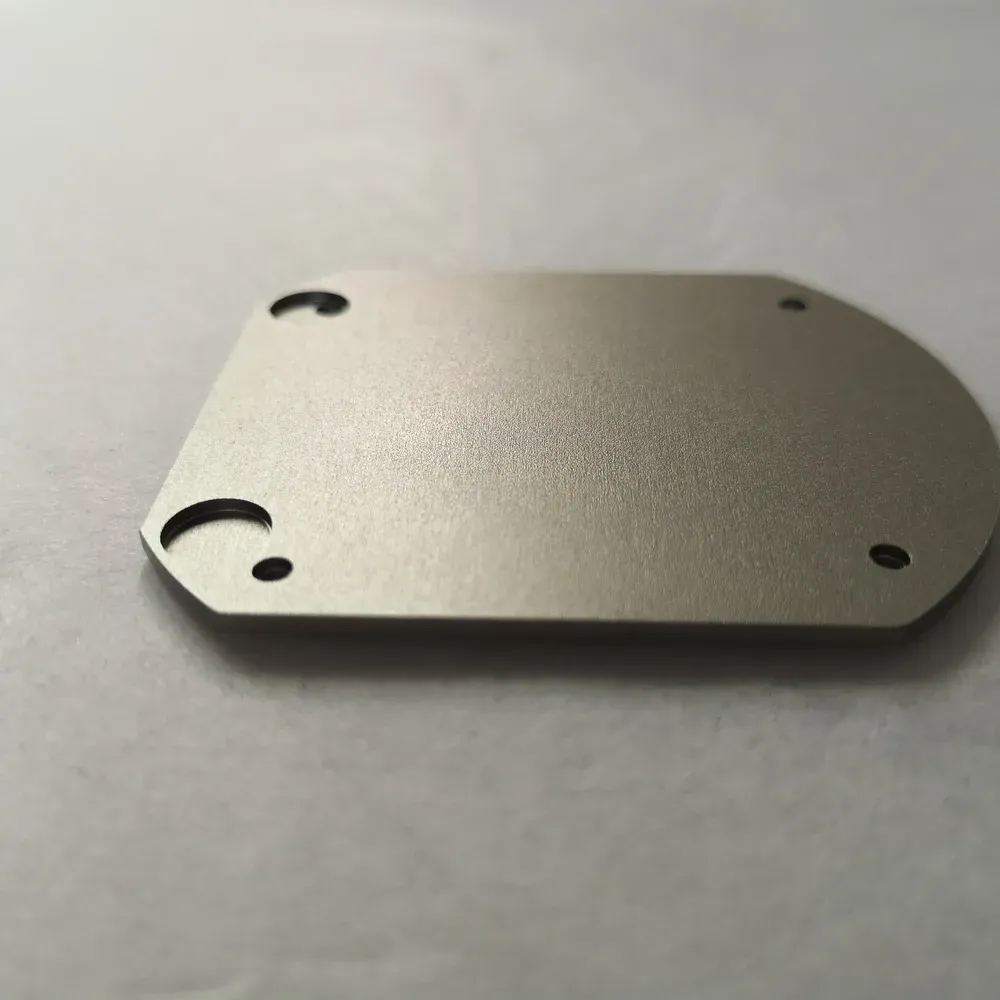
| Bead blasting | Even matte finish; standard preparation before anodizing (120#) |
| Powder coating | Steel and aluminum — durable color coat |
| Painting | Metal and plastic parts in specified colors |
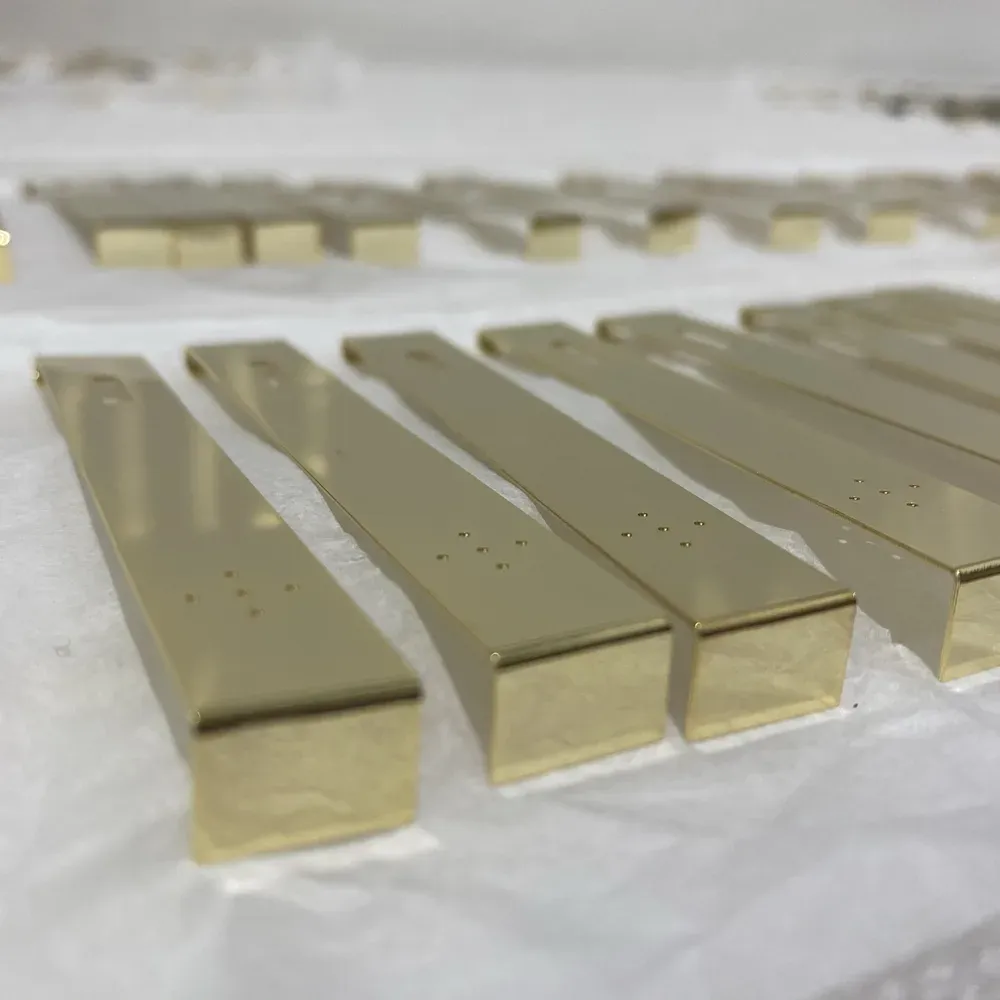
| Nickel and chrome plating | Corrosion and wear protection, bright finishes |
| Zinc plating | Corrosion protection for steel (ASTM B633) |
| Electroless nickel | Even coating thickness on complex shapes |
| Chemical film (Alodine) | Aluminum — corrosion protection and paint base (MIL-DTL-5541) |
| Passivation | Stainless steel corrosion resistance (ASTM A967) |
| Black oxide | Steel — black finish with minimal dimension change |
| Electropolishing, polishing, brushing | Stainless steel surface finishes |
| Laser marking and silk screen | Part numbers, labels and graphics |
Finishes for plastic parts
Plastic parts can be painted, silk-screened, pad-printed, laser-marked, polished, UV-coated, hydro-dipped or plated. The right choice depends on the plastic and the finish the drawing calls for — both are confirmed with the quote.
Anodizing, done as standard practice
Parts are bead blasted (120#) before anodizing as standard, which evens out machining marks under the anodized layer; our article on why we bead blast before anodizing explains why. The common specification we run is MIL-A-8625 Type II Class 2 in black — the differences between classes are covered in our anodizing specifications guide. Precision bores and threaded holes do not need masking before anodizing: our process keeps the oxide layer from affecting the fit, so tolerances still hold after finishing.
Surface roughness
| Roughness | Where it applies |
|---|---|
| Ra 3.2 µm | Standard machined finish |
| Ra 1.6 µm | Fine machined, visible faces |
| Ra 0.8 µm | Mating and sealing faces |
Call out the roughness on the drawing and it is confirmed with the quote. Our surface roughness guide explains what each level looks and feels like.
Standards we work to
Anodizing to MIL-A-8625, chemical film to MIL-DTL-5541, passivation to ASTM A967, zinc plating to ASTM B633 and nickel plating to ASTM B689. If your drawing calls out a different standard, name it with the enquiry and we will confirm before quoting.
Quality, documented
Finished parts are inspected before they ship, like everything else we make. On request we provide FAI first-article reports, material certificates and a CofC. NDAs are signed on request, before drawings change hands.
Frequently asked questions
Do precision holes need masking before anodizing?
No. Parts are bead blasted (120#) before anodizing as standard, and our process keeps the oxide layer from affecting fit — precision bores and threaded holes do not need masking, and tolerances still hold after finishing.
Why bead blast before anodizing?
Bead blasting evens out machining marks and gives the anodized layer a uniform matte appearance. It is our standard preparation — 120# media — before anodizing, unless your drawing specifies otherwise. Our article on bead blasting before anodizing explains the process.
What finishes are available for aluminum parts?
Anodizing, including hard anodizing, in natural, black and other colors on request; bead blasting; chemical film (Alodine) to MIL-DTL-5541; powder coating; painting; and laser marking.
What finishes are available for stainless steel?
Passivation to ASTM A967, electropolishing, bead blasting, mechanical polishing and brushing. Passivation restores the corrosion resistance that machining and handling disturb.
Can plastic parts be finished too?
Yes. Plastic parts can be painted, silk-screened, pad-printed, laser-marked, polished, UV-coated, hydro-dipped or plated, depending on the material and the look you need.
What surface roughness can you hold?
Ra 3.2 µm is our standard machined finish. Ra 1.6 µm for fine, visible faces, and Ra 0.8 µm for mating and sealing faces. Call out the roughness on the drawing and it is confirmed with the quote.
Which finishing standards do you work to?
Anodizing to MIL-A-8625 — Type II Class 2 black is the most common callout we run — chemical film to MIL-DTL-5541, passivation to ASTM A967, zinc plating to ASTM B633 and nickel plating to ASTM B689.
Does finishing add lead time?
Finishing is scheduled inside the same order, not sent out afterwards, so the lead time in your quote already includes it. Most prototype orders with finishing still ship in 3–5 days.
How do I get a quote?
Send your drawing with the finish called out — type, color and standard if you have them — through the contact page or by email. Enquiries are answered within 8 hours and quotes within 24 hours.
What inspection documents can you provide?
Every batch is inspected before shipping. On request we provide a first article inspection (FAI) report, material certificates and a certificate of conformance (CofC).
Can you sign an NDA?
Yes. We are happy to sign an NDA before you send drawings. Files are only used to quote and manufacture your parts.
Send a drawing — quote within 24 hours. Contact us to start.