Type II vs Type III Hard Anodizing
Type III hard anodize vs Type II: a thicker, harder, wear-resistant coat that grows the part. How to specify it, and when Type II is enough.
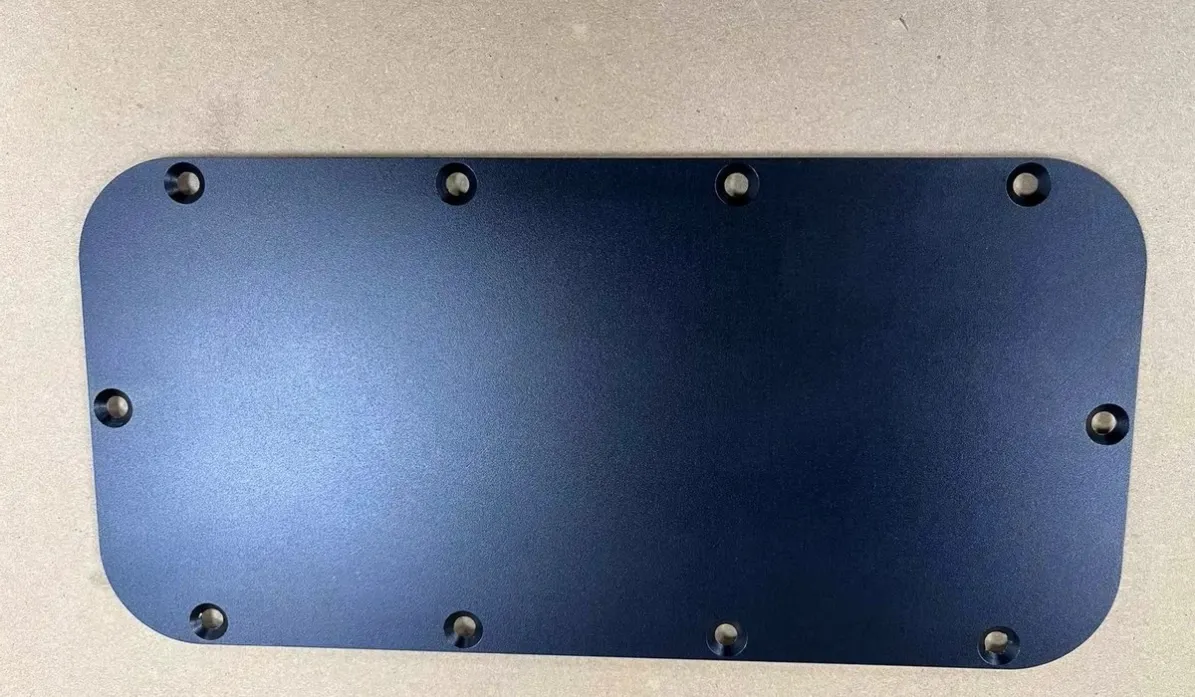
Type III hard anodizing is the finish a drawing calls for when an aluminum surface has to work for a living — sliding against another part, resisting abrasion, or insulating electrically — rather than just look finished and resist corrosion. We run both Type II and Type III to MIL-PRF-8625 (formerly MIL-A-8625). This page explains what actually changes between them, because the differences decide the machining as much as the coating.
What Type III is
Both types grow the same aluminum oxide layer from the part's own surface; Type III grows it under colder, harder-driving conditions that produce a substantially thicker, denser and harder coat. Type II is the general-purpose finish — corrosion protection and appearance, dyed any color. Type III is a functional surface: markedly better wear and abrasion resistance, higher hardness, and real electrical insulation from the oxide thickness. The trade-offs are equally real, and they are the rest of this page.
The part grows — machining has to know first
An anodic coating builds outward as well as into the surface, and a Type III coat is thick enough that the growth is a machining dimension, not a footnote. A bore gets smaller; a shaft gets bigger; a thread gets tighter. We machine with the coating build in mind, so precision bores, fits and threads finish in tolerance after coating — but that only works when the finish is decided before machining, not after. If your drawing calls out Type III, the allowance is planned into the job from the first operation. The thickness itself is whatever your drawing specifies: state it, and the coating is controlled to it. Drawings that just say "hard anodize" with no thickness are worth a question at quote stage, because the growth allowance depends on it.
Color: plan on natural or dark
Type II dyes the full color range. Type III mostly does not: the thick, dense coat takes dye poorly and unevenly, so hard-anodized parts are normally supplied undyed — the natural color of the coat runs from light bronze-grey to dark grey depending on alloy and thickness — or dyed black where a dark finish is specified and the alloy suits it. If a drawing asks for a bright color and Type III wear performance on the same part, that is a conversation to have at quote stage; the honest answer is usually a choice between the two, not both.
Masking and electrical contact
A hard-anodized surface is an insulator, which is the point — until it is on a face that has to conduct. Grounding faces, electrical contact surfaces and any area that must stay bare metal are masked before coating, on request; tell us which surfaces, on the drawing or with the enquiry. Threads and precision features that must stay exactly as machined can likewise be protected. Masking a Type III part is more involved than masking a Type II one, so it is priced into the quote rather than absorbed — another reason the finish belongs in the first conversation.
Where Type III earns its cost
Sliding and wear surfaces on equipment parts; bores and pistons that cycle; parts in abrasive environments; surfaces that must insulate electrically; and equipment hardware that will be handled, cleaned and serviced for years — the semiconductor equipment parts we machine use it for exactly these reasons. Where a part only needs corrosion protection and a color, Type II is the right finish and hard anodize is money spent for nothing — the class differences within Type II are covered in our anodizing specifications guide, and the surface preparation both types share is in our piece on bead blasting before anodizing.
Send the drawing through our contact page, with the anodize type and thickness called out and any surfaces to be masked marked. We respond within 8 hours and normally quote within 24 hours.
FAQ
What is the difference between Type II and Type III anodizing? Type III (hard anodize) grows a substantially thicker, harder and more wear-resistant oxide than Type II, under MIL-PRF-8625 (formerly MIL-A-8625). Type II is for corrosion protection and appearance; Type III is a functional wear and insulation surface.
Does hard anodizing change the part's dimensions? Yes — the coating builds outward, so bores shrink and shafts grow. We machine with the build in mind so features finish in tolerance after coating; the finish must be decided before machining starts.
How thick is the Type III coating? As thick as your drawing specifies — thickness is a drawing callout and the coating is controlled to it. If your drawing names Type III without a thickness, we will raise it at quote stage, because the machining allowance depends on it.
Can hard-anodized parts be colored? Usually they are supplied undyed (a natural bronze-grey to dark grey) or dyed black. Bright colors are a Type II strength; a thick Type III coat does not take dye evenly.
Can contact or grounding surfaces be kept bare? Yes — masking is available on request for surfaces that must stay conductive or exactly as machined. Mark them on the drawing or tell us with the enquiry.