Blog
Why We Bead Blast Before Anodizing
Why we bead blast aluminum parts before anodizing: it evens out tool marks, gives the color a uniform base, and produces a cleaner matte finish.
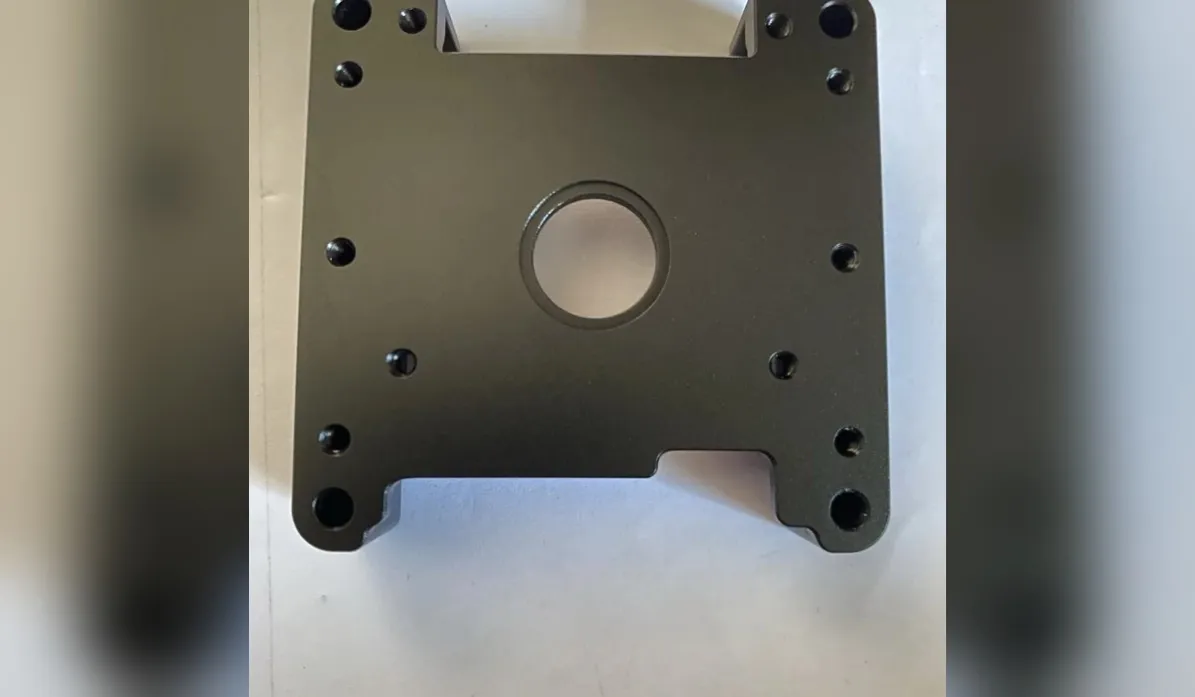
If you send us an aluminum part for anodizing, we will bead blast it first. That is our standard practice, and we use 120-grit media unless you tell us otherwise.
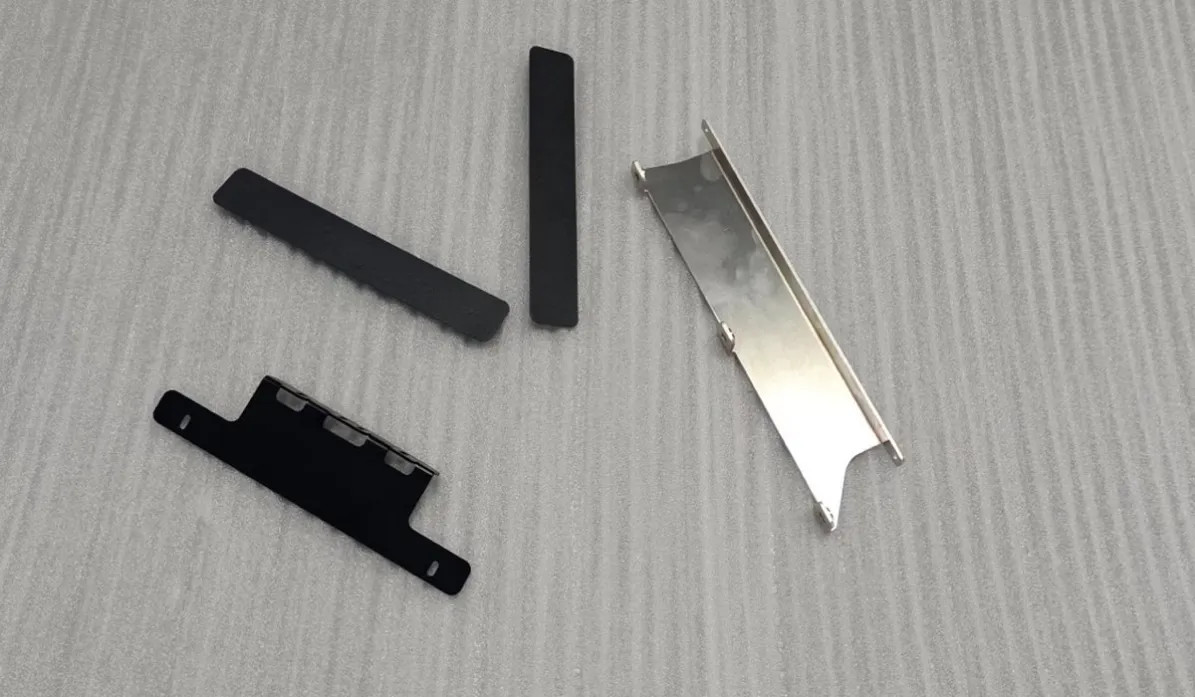
The reason is simple. Machining leaves marks. Even on a well-made part, you can see fine tool lines under an anodized finish, and the color can come out uneven from one area to the next. Bead blasting evens the surface out before the part goes into the tank. The tool marks disappear, the surface takes on a uniform matte look, and the anodized color comes out consistent across the whole part.
Our anodizing follows MIL-A-8625 Type II. Class 1 is the natural, undyed finish. Class 2 is dyed — black is the most common, and colors such as orange are available if your design calls for them. In both cases, the bead blast happens before the coating, so the color sits on a clean, even surface.
One thing customers often ask about is precision holes and threaded holes. With our process, they do not need masking. The anodizing is controlled so the coating does not affect the tolerance — precision bores and threads still fit and work exactly as drawn after finishing.
There are still times when bead blasting is not the right call, and we will follow your drawing either way:
- If you want a polished or brushed look instead of matte, say so. Bead blasting would work against that finish.
- If your drawing specifies a different preparation, we follow the drawing. We never change your design; we only find the best way to make it.
A practical tip: tell us the finish you want when you send the drawing, not after the parts are machined. Surface preparation is part of the plan from the start, and it is much easier to get right than to fix later.
Anodizing is one of several finishes we offer on the parts we make, along with powder coating, painting, plating and more. If you are not sure which finish fits your part, send the drawing and ask. We will tell you honestly what we would do, and what it costs.