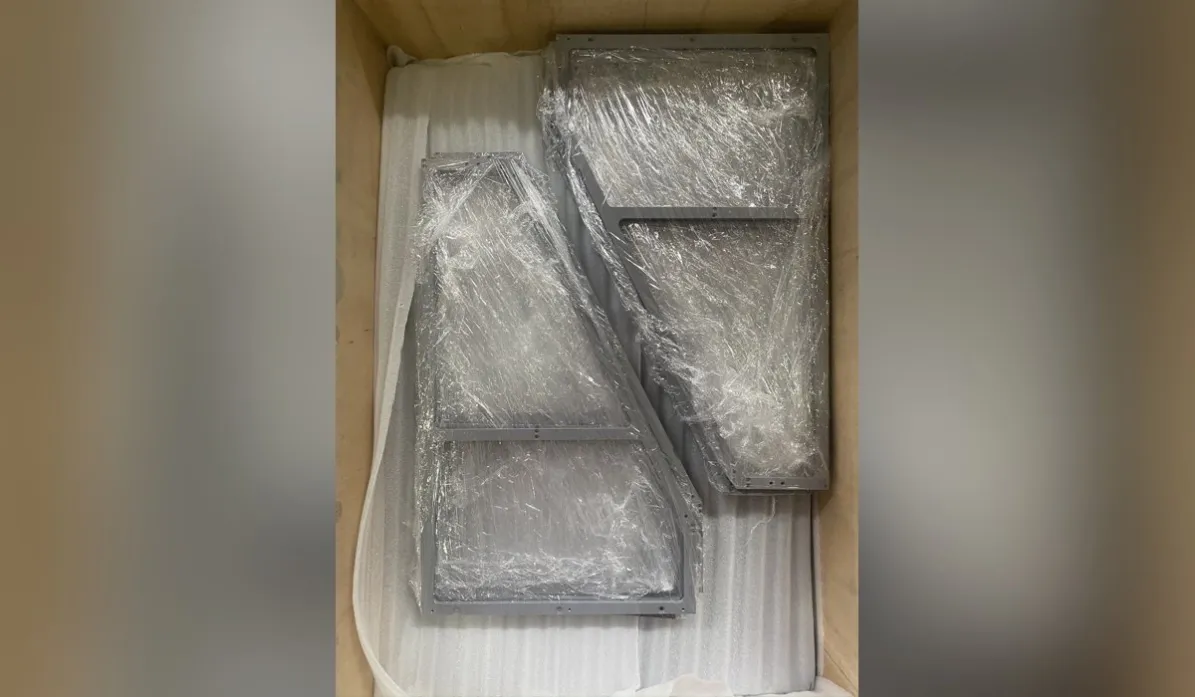
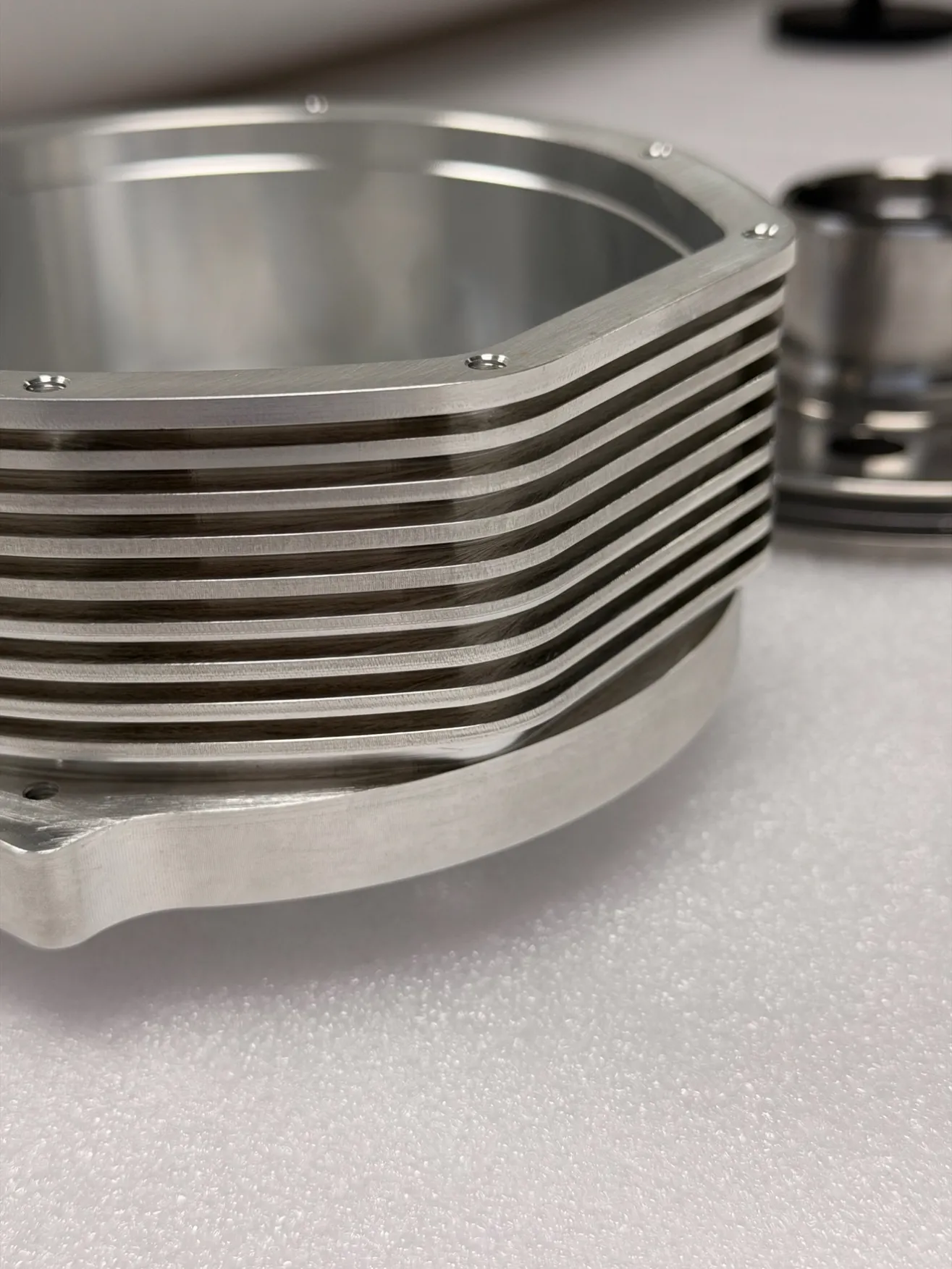
Sheet Metal Cabinets and Equipment Racks
A cabinet is a bent, welded and finished box that must stay square, hold its doors and carry its load. How cabinets and equipment racks are built.
A sheet metal cabinet looks like a simple box, and it is not. It has to stay square under its own weight and the weight of what goes inside it, its doors have to close after it is loaded, and its panels have to come off and go back on. An equipment rack has the same job with an extra one: it has to hold standardized mounting rails true over its full height, so equipment slides in at the top and at the bottom.
The structure: frame or folded box
There are two ways to build a cabinet. A folded box is made from flat panels bent into shape and joined at the corners, with the panels themselves carrying the load. A frame cabinet has a welded or bolted frame — vertical posts and horizontal rails — and the panels are covers screwed to the frame. The frame is stiffer and stays squarer, especially on tall cabinets, and it is easier to keep true when equipment is added and removed. The folded box is simpler and cheaper, and it suits smaller enclosures.
Which one fits depends on size, load and access. A small enclosure for a single device is a folded box; a tall rack that will carry heavy equipment is a frame. Between the two, a folded box with folded flanges and internal stiffeners can carry more than it looks like it should — the folds are what give thin sheet its stiffness.
Panels, doors and access
A cabinet is used, not just looked at. Doors need hinges that stay aligned, latches that hold, and seals that keep dust out. A door that is a flat panel will bow under its own weight; a door with a folded edge or a stiffening rib stays flat. Hinges should be mounted to a stiffened edge or to the frame, not to a thin unsupported panel, or the door will sag.
Removable panels need fasteners that survive repeated removal. Captive screws, quarter-turn fasteners or PEM nuts in the panel are better than sheet metal screws driven into a hole, which wear out after a few removals. Every panel should come off without disturbing the rest of the cabinet.
Ventilation and cable entry
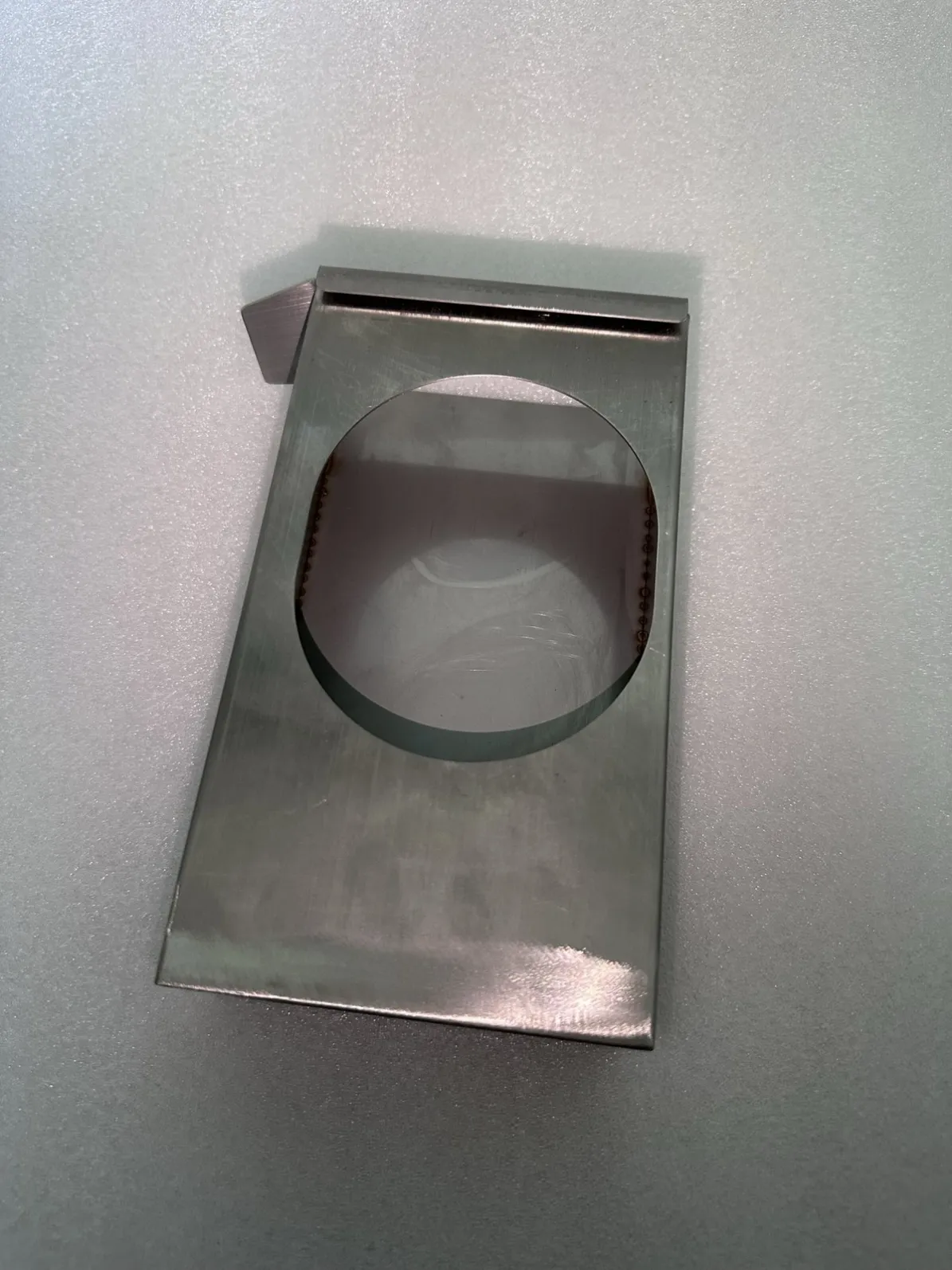
Equipment inside a cabinet makes heat, and the cabinet has to let it out. Ventilation is usually a combination of openings — louvers, perforations or fan cutouts — placed so air flows across the equipment rather than pooling at the top. The openings belong in the design from the start, because cutting them after the cabinet is finished leaves sharp edges. For how panels, bends and openings are laid out in the first place, see sheet metal design tips: bend radius, flanges and holes.
Cable entry needs the same planning. Cables enter through cutouts fitted with grommets or glands, and the cutouts should be placed where the cables can be dressed neatly, not where they have to bend around a sharp edge. A removable gland plate is often the best answer: the plate can be drilled for the cables actually used, and changed later without touching the cabinet.
Materials and finishes
Most cabinets are cold rolled steel, galvanized steel or aluminum. Cold rolled steel is the standard choice: it is strong, it welds well, and it takes powder coating cleanly. Galvanized steel suits damp environments. Aluminum suits cabinets that must be light, or that will live where steel would corrode. The material decision should be made with the finish, since the finish protects the material — see powder coating sheet metal.
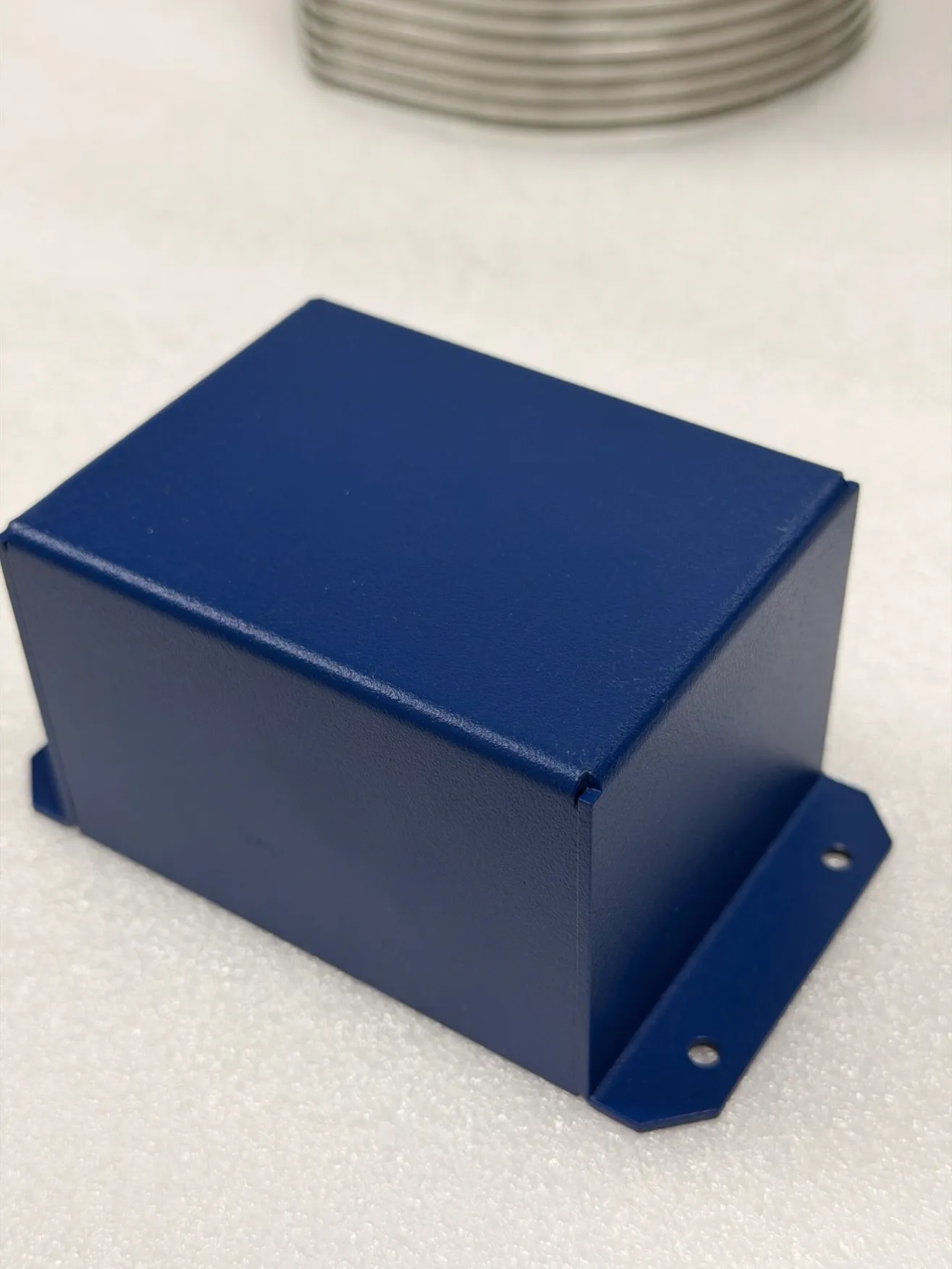
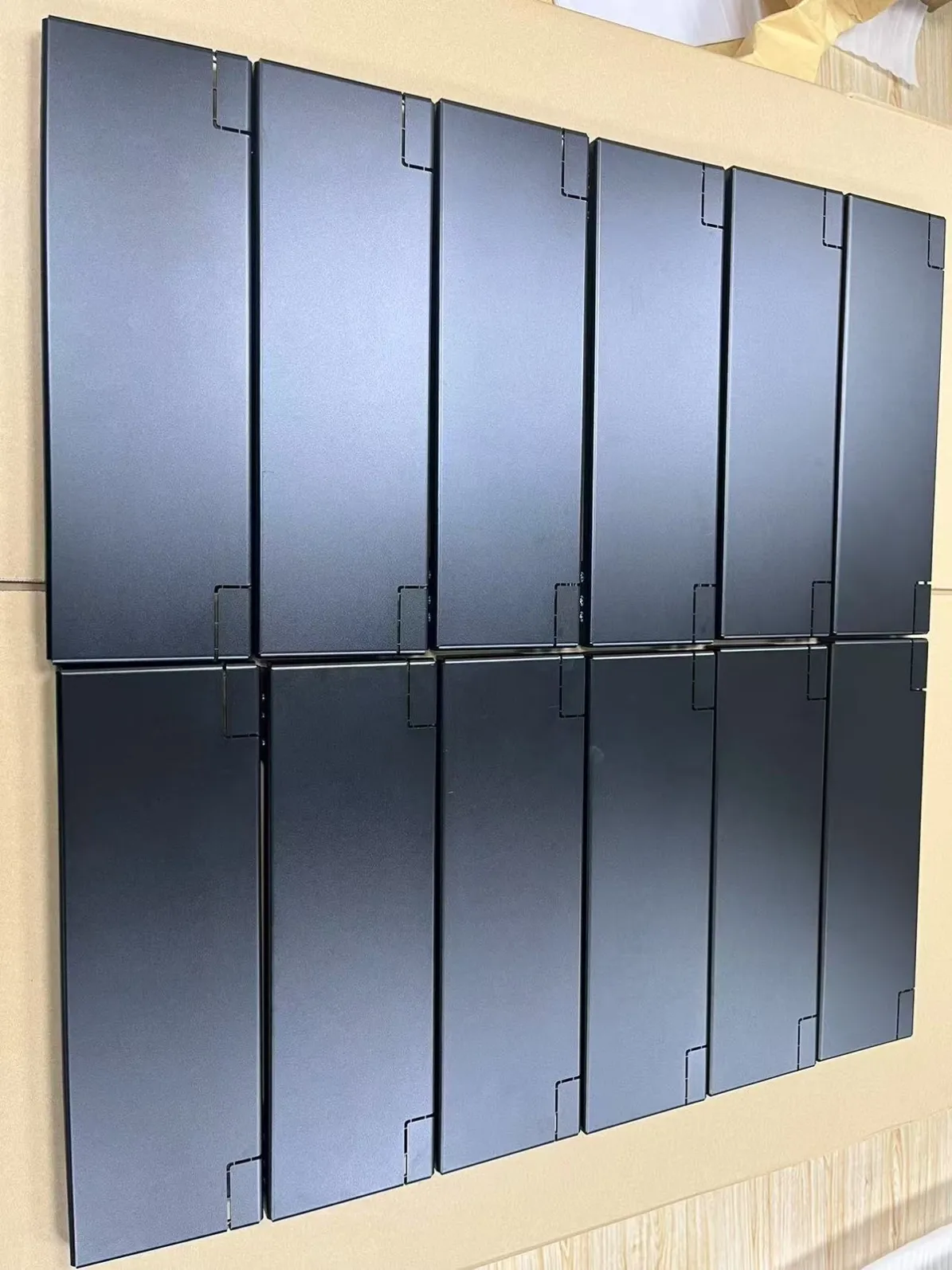
The standard finish is powder coating, which gives a tough, even coat in any color, including textured finishes such as a blue sand-texture powder coating on a cold rolled steel enclosure. The coating thickness for general industrial sheet metal parts is usually 60–80 µm, and the final finish is per the drawing or specification.
Tolerances and squareness
A cabinet that is out of square will show it everywhere: doors that do not close, panels that do not line up, rails that are not parallel. Squareness is controlled by the frame and by the bend accuracy of the panels, and it should be checked on the finished cabinet, not assumed from the flat pattern.
Sheet metal holds ±0.1 mm (±0.004") on cut features as standard, but dimensions across a bend and flatness of large panels need their own callouts. Dimensions without a tolerance of their own fall under the general standard — see ISO 2768 general tolerances. The drawing should call out the dimensions that decide whether the doors close and the equipment fits, and leave the rest to the general tolerance.
Equipment racks: the mounting rails
An equipment rack is a cabinet with standardized mounting rails, and the rails are the part that matters. They carry the equipment, so they must be stiff, straight and true, and the mounting holes must be spaced to the standard the equipment expects. They should be checked for straightness over the full height of the rack.
The rack also needs cable management — vertical channels or rings that keep cables dressed and out of the airflow. A rack without it fills up with cables that block the air and make service slow.
What to send for a quote
A drawing with the overall dimensions, the frame or folded construction, the door and panel layout, the mounting rails and their spacing, the ventilation and cable entry, and the finish. For enclosures in general, see custom aluminum enclosures. If you want a cabinet or a rack quoted, send us your drawing — inquiries are answered within 8 hours and quotes usually within 24 hours.
FAQ
Should a cabinet be a folded box or a frame? A small enclosure suits a folded box; a tall rack carrying heavy equipment suits a frame. The frame stays squarer under load.
How do cabinet doors stay aligned? By mounting hinges to a stiffened edge or to the frame, and by folding or ribbing the door so it does not bow under its own weight. A hinge on a thin unsupported panel will sag and the latch will stop catching.
What finish is standard on sheet metal cabinets? Powder coating, in any color, including textured finishes. The usual film thickness for general industrial sheet metal parts is 60–80 µm, with the final finish per the drawing or specification.
Where should ventilation openings go? Where air flows across the equipment, not where it pools at the top. Louvers, perforations or fan cutouts belong in the design from the start, so they are cut cleanly and finished with the rest of the cabinet.
What makes equipment rack rails different from ordinary cabinet parts? They must be straight, parallel and at the right spacing over the full height of the rack, so equipment slides in at the top and at the bottom.