When a Part Fails Inspection: What Happens
A part that fails inspection is reworked if it can be saved, remade if it cannot, and reshipped once it passes. How the decision is made.
A part that fails inspection is not the end of an order — it is a decision point. Some failures can be fixed by rework, some cannot and the part has to be remade, and some are close enough to the drawing that the customer can accept the part as it is. What matters is that the decision is made openly, the customer hears about it before the parts ship, and no part that fails inspection is ever shipped as if it passed.
How a failure is found
Inspection happens at defined points: first article, in-process, and before packing. A failure can be found at any of them — a bore that measures over size on the first article, a thread that does not gauge during the run, a flatness reading that is out of tolerance on the final check. Finding it early is better, because the earlier it is found, the fewer parts are affected, and the faster the fix.
The finding is recorded: which dimension, what it measured, what the drawing allows. That record is the basis for everything that follows. For how parts are inspected in the first place, see how machined parts are inspected.
Rework: fixing a part that can be saved
Rework is any correction made to a part that is already machined — re-machining a feature to size, re-tapping a thread, removing a burr, re-finishing a surface, or straightening a part that has moved. Rework is the right answer when the correction brings the part back inside the drawing tolerance without weakening it or changing its function.
Not every failure can be reworked. A bore machined too large cannot be made smaller; a part machined too thin cannot be made thicker; a thread cut to the wrong pitch cannot be fixed by re-tapping. The rule is simple: rework only where the drawing allows it, and where the reworked feature is as good as a feature machined right the first time. A reworked part is inspected again, to the same standard as any other part, before it is accepted.
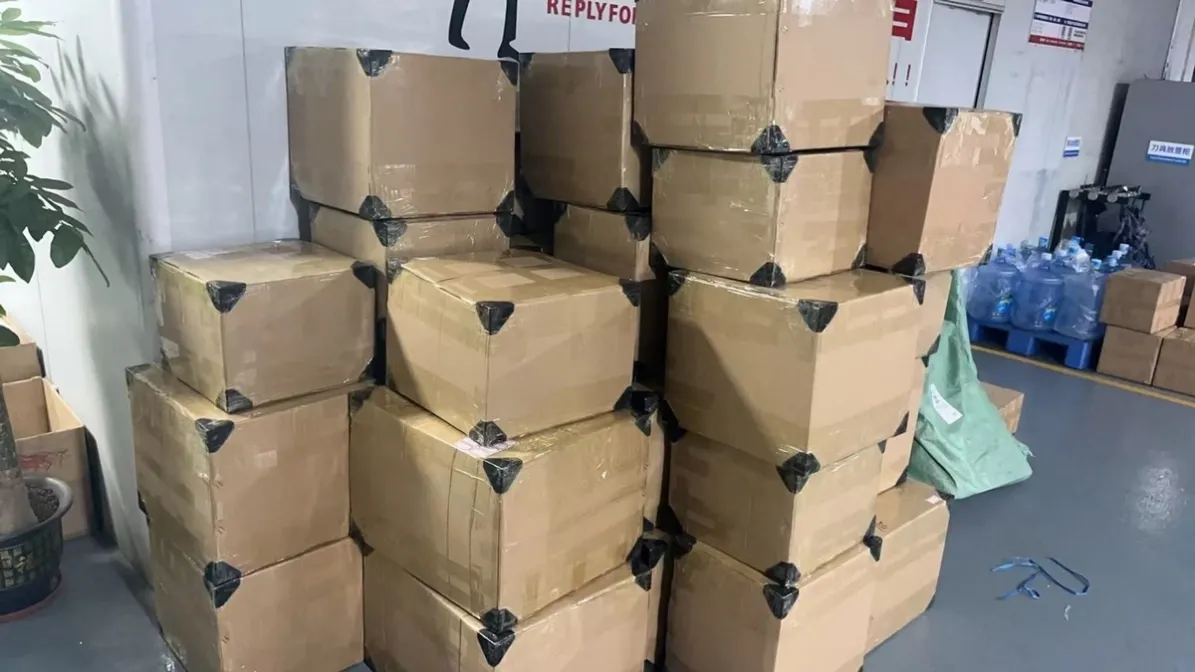
Remake: starting again
When a part cannot be reworked, it is remade. The material is scrapped or set aside, a new part is machined, and the remake goes through the same inspection as the first part. Remaking costs time and material, and it is the reason first-article inspection exists: catching a setup error on the first part means remaking one part, not a whole batch.
A remake is also the answer when the failure is a process problem rather than a single mistake — a tool that wore out mid-batch, a fixture that moved, a program error that affected every part. In that case the process is corrected first, and the remake proves the correction works.
The third option: use-as-is, with your agreement
Some failures are borderline: a dimension a fraction outside tolerance on a feature that does not affect the fit or the function. In that case, the part can be offered for use as-is — but only with the customer's agreement, in writing, with the actual measurement disclosed. The customer decides, not the shop, and the decision is recorded with the order.
What never happens is shipping a failed part without telling the customer. A part that fails inspection and is shipped as if it passed is a part that fails at assembly, in the customer's hands, at the worst possible time.
What you will hear from us
When a part fails inspection on your order, you will hear about it before anything ships. The message says what failed, what it measured, and what we propose — rework, remake, or use-as-is with the measurement disclosed. If the failure affects the delivery, we will say so, and we will say what the plan is to get conforming parts to you.
The documents that come with your parts reflect all of this. The inspection report shows what was measured and what passed; the first article inspection record shows the first part against the drawing; and the certificate of conformance covers only the parts that passed — see FAI, material certificates and CofC and CNC inspection documentation.
Preventing the next failure
Every failure is also a chance to stop the next one. A bore that ran over size because a tool wore out leads to a tool-change interval; a thread that failed because the tap was dull leads to a tap-life check. The fix is written into the process, not just into the one order, so the same failure does not come back on the next batch.
That is also why the inspection record matters beyond the order. It is the evidence that the process is under control, and it is what a customer can point to when their own quality team asks how a dimension was verified.
What to do if a part fails at your end
If a part fails on arrival or at assembly, tell us which dimension and what it measured, and send a photo of the feature if you can. We will check the inspection record for that batch, confirm the finding, and agree the next step — rework, remake or reship — with you. The same rule applies in reverse: no part is reshipped without being inspected again, and no replacement ships without the same documents as the original order. If you have a question about an inspection result, send us a message — inquiries are answered within 8 hours.
FAQ
What happens when a part fails inspection? It is reworked if the correction brings it back inside tolerance, remade if it cannot be fixed, or offered for use as-is only with your agreement and the actual measurement disclosed. No failed part is ever shipped as if it passed.
Can a part that failed inspection be reworked? Yes, where the correction restores the feature to the drawing tolerance without weakening the part — re-machining, re-tapping, re-finishing or straightening. A bore machined too large or a part machined too thin cannot be reworked and must be remade.
Will I be told if a part fails on my order? Yes, before anything ships. You will hear what failed, what it measured, and what is proposed — rework, remake or use-as-is — and whether the delivery is affected.
What is a use-as-is decision? Accepting a part that is a fraction outside tolerance on a feature that does not affect fit or function. It is the customer's decision, in writing, with the measurement disclosed — never the shop's decision alone.
What should I do if a part fails at my end? Tell us which dimension and what it measured, with a photo of the feature if you can. We will check the batch inspection record, confirm the finding, and agree the next step with you.