Precision Cleaning and Cleanroom Packaging
Ultrasonic cleaning, double-bagging and vacuum sealing for machined parts that must arrive clean — what each step does, and how to specify it.
A machined part leaves the machine covered in the evidence: cutting oil in the blind holes, fine swarf in the threads, fingerprints from inspection. For general hardware, a standard wash and dry is the end of it. For parts going into semiconductor equipment, optics, medical instruments or clean assembly areas, it is not — the part has to arrive clean, and stay clean until the moment it is installed. This page describes the cleaning and clean packing options we run, and how to specify them so they are part of the job rather than an afterthought.
Ultrasonic cleaning: getting the oil out of the holes
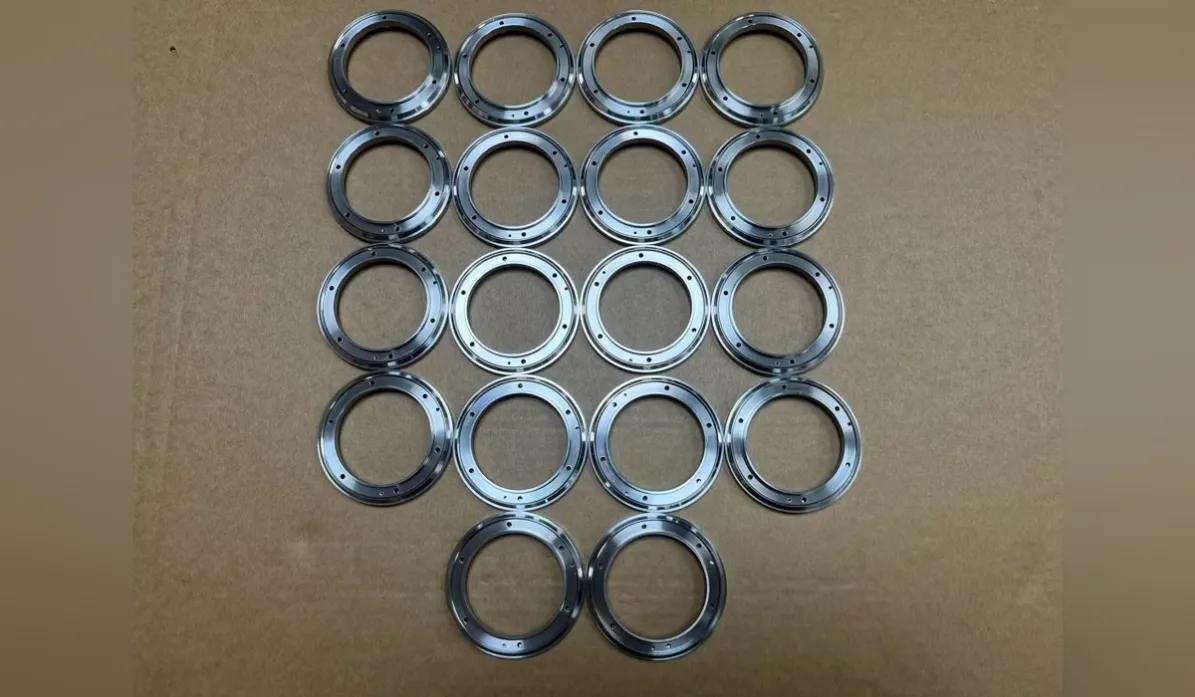
Ultrasonic cleaning is the workhorse. The part is immersed in a heated cleaning solution while ultrasonic energy agitates it at microscopic scale, working contamination out of the places a spray or a brush cannot reach — blind holes, internal threads, cross-drillings, fine fins. For machined parts it removes what machining leaves behind: cutting fluids, polishing compounds, burr dust, and the handling film from inspection. Parts are rinsed and dried after cleaning, so they come out of the process dry and film-free, ready to be packed without being handled more than necessary.
Packing that keeps them clean
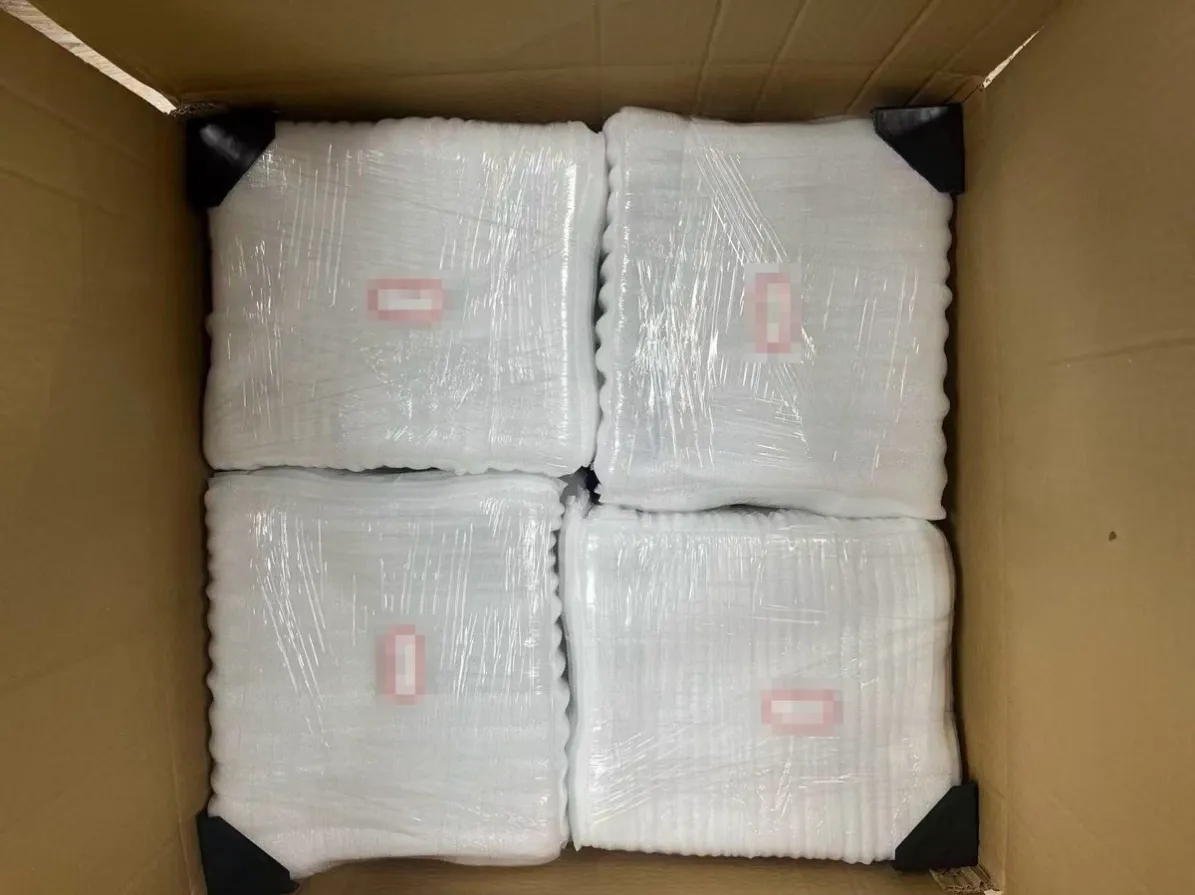
Cleaning a part and then packing it in ordinary material is a wasted process. The clean packing options build in layers:
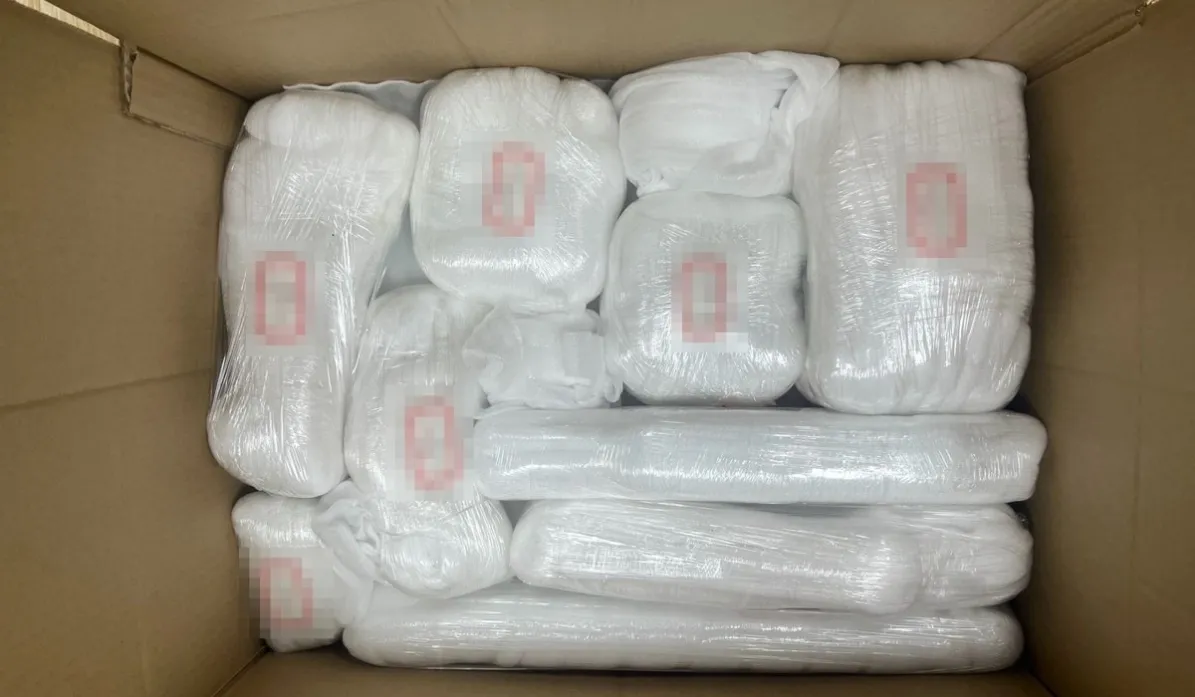
- Double-bagging — the part is sealed in an inner bag, which is itself sealed inside a second bag. The outer bag is opened in the dirtier area; the inner bag travels the last stretch still sealed. Standard practice wherever parts pass from a general area into a controlled one.
- Vacuum sealing — the bag is evacuated before sealing, so the part is immobilized (no fretting against the bag or its neighbors) and the package is compact and tamper-evident.
- Labels — part identification on the outer packaging, so the bags do not have to be opened to know what is inside. Opening to check is how clean parts stop being clean.
Underneath the clean layers, the ordinary protective logic still applies — parts separated so finished surfaces cannot fret against each other, as described in our packing practice. Clean and protected are two requirements, handled together.
What we do not claim
Plainly: we offer precision cleaning and clean packing — ultrasonic cleaning, double-bagging, vacuum sealing and labeling. We do not claim a certified cleanroom classification for our packing area, and if your specification calls out a named cleanroom class or a particle-count limit, tell us at enquiry stage: we will tell you honestly what we can commit to, and the requirement can be planned and priced into the job rather than discovered at your goods-in bench. That honesty is the same policy we apply to semiconductor equipment work generally — the specification is agreed before the parts are made, not argued after they arrive.
How to specify it
Three lines in your enquiry cover most of it: the cleaning level (standard wash, or ultrasonic), the packing format (double-bagged, vacuum sealed, or both), and any labeling content you need on the outer bag. Add them to the drawing notes or the enquiry email — requirements stated at quote stage are built into the process route, and the parts arrive with the inspection documents agreed for the job. Asked for after production, the same cleaning means unpacking, re-cleaning and re-packing, with the delay that implies.
Send the drawing and the cleanliness requirement through our contact page. We respond within 8 hours and normally quote within 24 hours.
FAQ
What does ultrasonic cleaning remove from machined parts? Cutting oils and fluids, fine swarf, polishing residue and handling film — including from blind holes, internal threads and cross-drillings that sprays and brushes cannot reach. Parts are rinsed and dried afterwards.
What is the point of double-bagging? The outer bag is removed in the less-clean area; the sealed inner bag keeps the part protected until it reaches the controlled area where it is installed. It is the standard hand-off between environments.
Do you pack in a certified cleanroom? We offer precision cleaning and clean packing (ultrasonic cleaning, double-bagging, vacuum sealing, labeling) rather than a certified cleanroom class. If your specification names a class or a particle limit, tell us at enquiry stage and we will confirm honestly what we can commit to.
Can vacuum sealing and double-bagging be combined? Yes — a vacuum-sealed inner package inside a second sealed bag is a common combination: immobilized part, protected hand-off.
When should I state the cleanliness requirement? With the enquiry. Built into the process route from the start, cleaning and clean packing add little; requested after production, they mean unpacking and re-cleaning finished parts.