Nickel-Plated Brass Busbars: Bent, Punched and Plated Flat Bar Conductors
Brass busbars carry serious current in a compact bar — and nickel plating keeps their contact surfaces reliable. How flat bar conductors are punched, bent and finished.
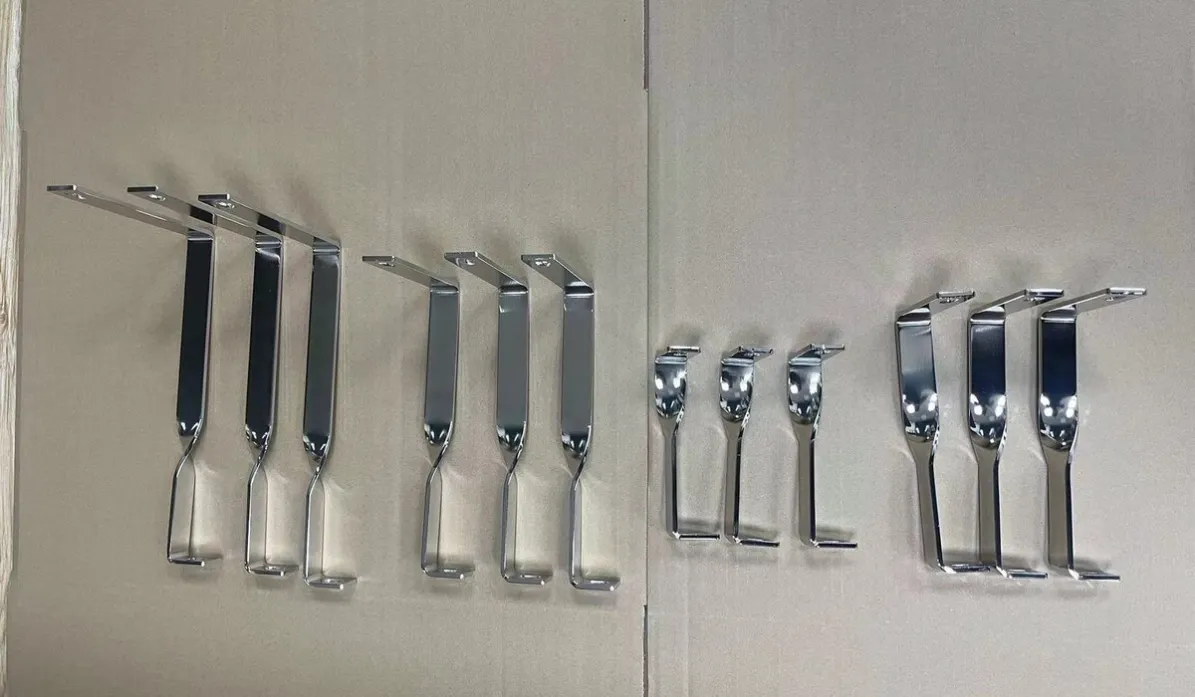
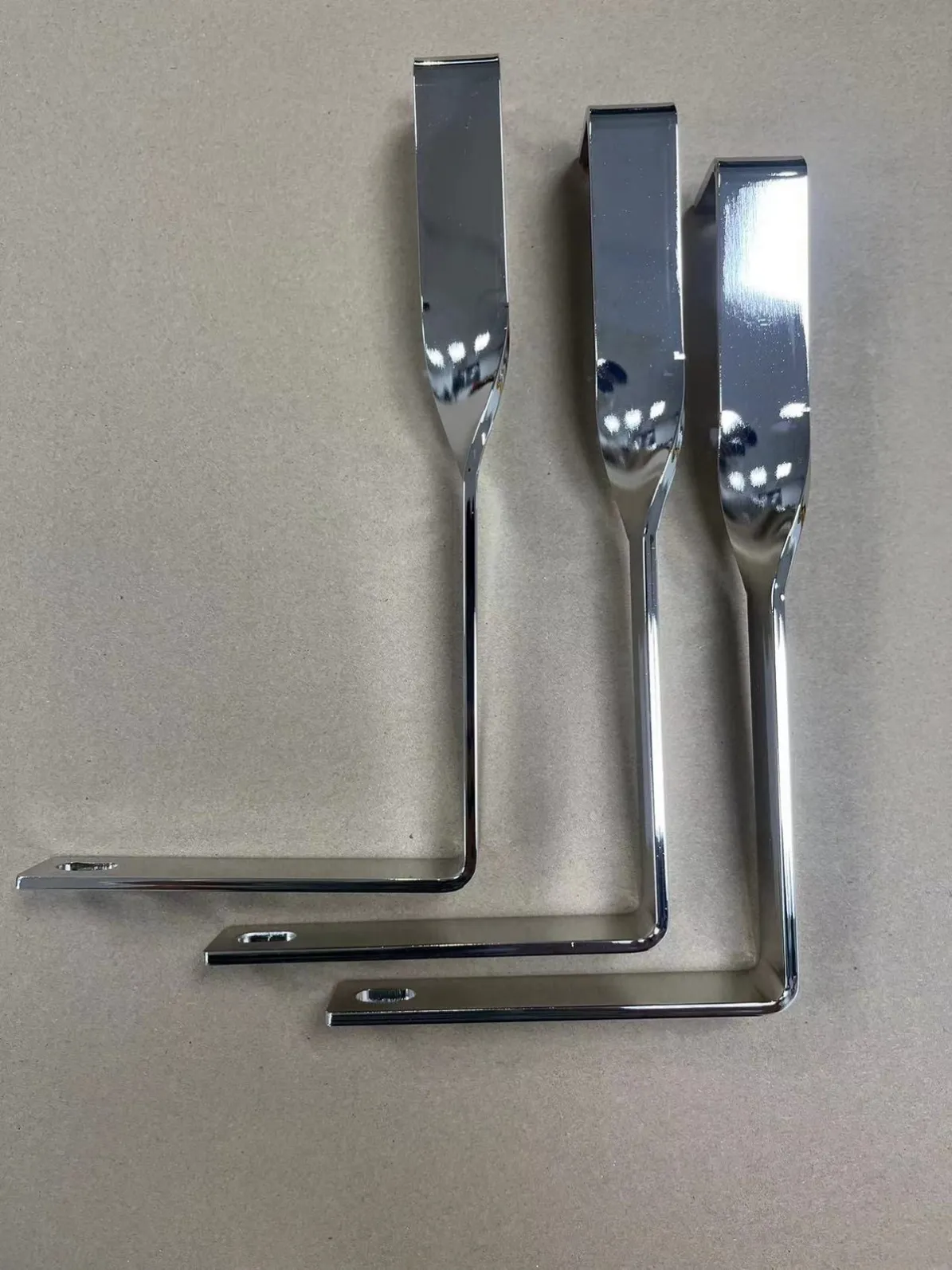
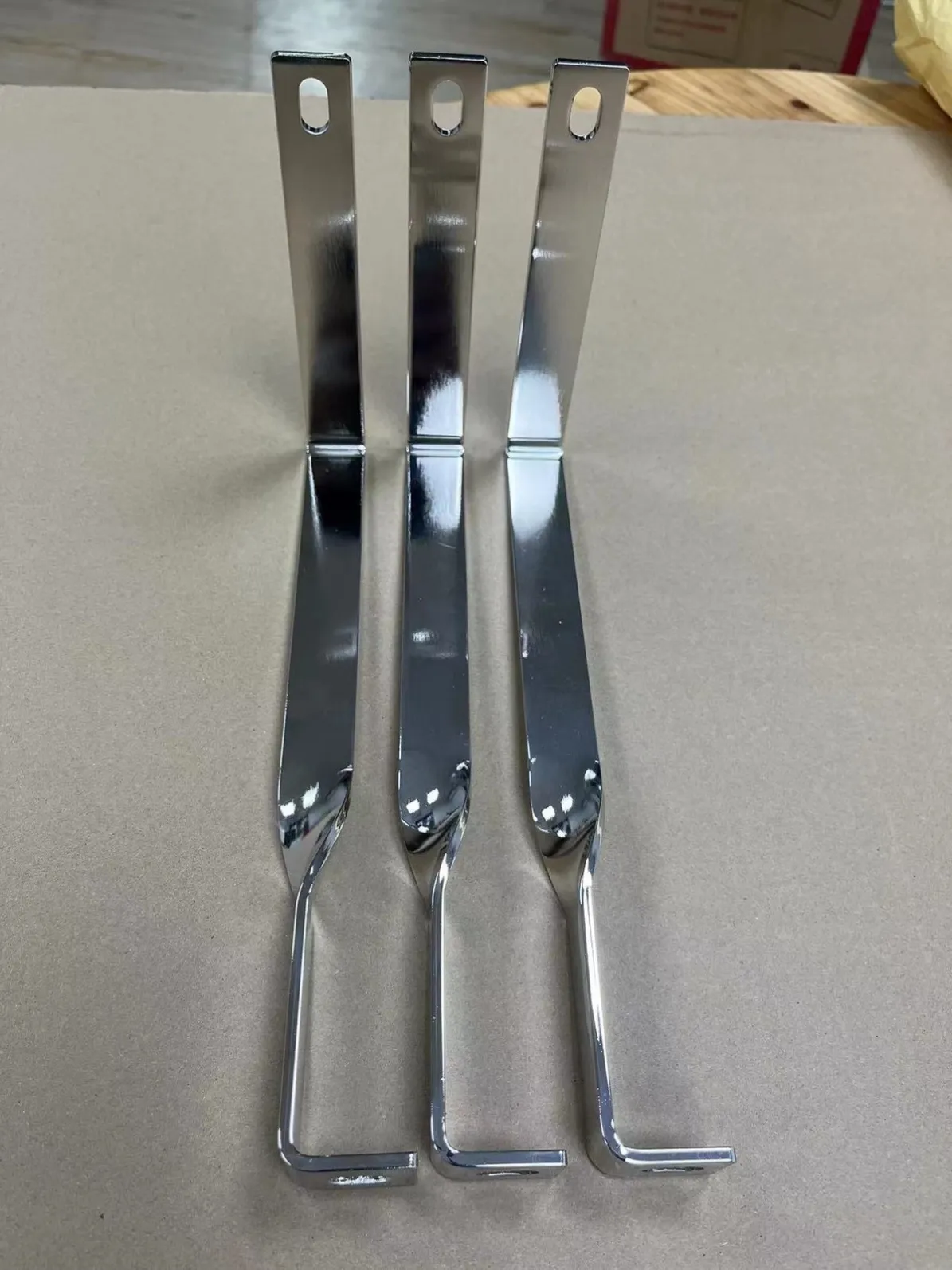
A busbar has one job — move current between two points with minimal loss and no drama — and the part in our photos shows the standard way that job is built: flat brass bar, punched with its mounting holes, bent to the shape of the assembly it serves, and nickel plated over the whole surface. Busbars look simple. The details that make them work are in the material choice and the plating, and both are worth a closer look.
Why brass, when copper conducts better?
Pure copper is the better conductor — nobody argues that. Brass carries roughly a quarter of copper's conductivity, and where a bar's cross-section is fixed by space and the current is at the limit, copper (or a bigger bar) is the answer; our copper heatsink article covers that end of the family.
Brass wins its busbar work on everything around the conductivity:
- Strength and stiffness. A brass bar holds its shape, its bend angles and its bolted joints better than soft copper of the same section — the bar is also a mechanical part.
- Machinability and forming. Holes punch cleanly, bends stay where they are put, and threaded or machined features (the world of CZ121) come easily.
- Cost at real-world sizes. Where the current allows a brass section, the finished bar is usually the economical part.
The honest rule: size the bar for the current first, then choose the metal. If brass meets the electrical requirement with margin, it is usually the better part.
Why nickel plating?
Bare brass tarnishes. On a decorative part that is a cosmetic issue; on a conductor it is an electrical one, because the oxide and tarnish films that form on brass raise contact resistance exactly where the bar is bolted to its neighbor. Nickel plating solves it:
- The nickel surface resists oxidation and corrosion, so contact faces stay conductive and stable over years of service.
- It is hard and wear-resistant where bars are stacked, bolted and serviced.
- It covers the whole part — punched edges and bent corners included — so there is no bare line for corrosion to start from.
Plating is specified with the part, not added later: hole sizes and fits are planned with the coating in the tolerance picture, the same discipline as any plated part from our surface finishing range.
Making the bar: punch, bend, plate
The route is sheet-metal work on bar stock: the blank is cut, the hole pattern punched (or drilled where the pattern is still changing), the bends formed to the assembly's geometry, edges dressed, and the finished bar plated. Two details decide whether the part assembles cleanly. Bend positions are measured from the hole pattern, not from a trimmed edge — the holes are what the bar is located by. And bend radii respect the material: brass bends well, but a radius forced too tight for the thickness will crack at the outside of the bend, plated or not. Our laser cutting and stamping pages cover the cutting and punching side of this work.
FAQ
Brass or copper busbar — how do I choose? By current and space. Copper conducts about four times better than brass, so a current-limited design in a fixed envelope points to copper. Where the section can be sized with margin, brass gives a stronger, stiffer, easier-to-make bar that holds its joints — which is why so much equipment uses it.
Why not leave the brass bare? Because the contact surfaces are the part. Tarnish films raise contact resistance at bolted joints and grow with time and humidity. Nickel plating keeps the interface stable and protects the whole bar, edges included.
Can busbars be bent to shape, or must they stay flat? They are routinely bent — offsets, steps and L and Z shapes to route between terminals, like the part in the photos. Bends are formed before plating, located from the hole pattern, with radii suited to the bar thickness.
What information do you need to quote a busbar? The bar's length, width and thickness, the hole pattern and bend geometry (a drawing or model), the material if already specified, and the plating requirement. If the current rating is driving the section size, tell us — we will flag it if the specified bar looks undersized for the stated duty.
Do you make copper busbars as well? Yes — copper bar and sheet conductors are part of the same work, chosen when conductivity rules the design. The punching, bending and plating route is the same.