Metal and Plastic Parts, Made as a Set
A machined aluminum base and a plastic cover that belong to the same product, made together: finishes matched across the two materials, heat-set inserts fitted, one inspection, one shipment.
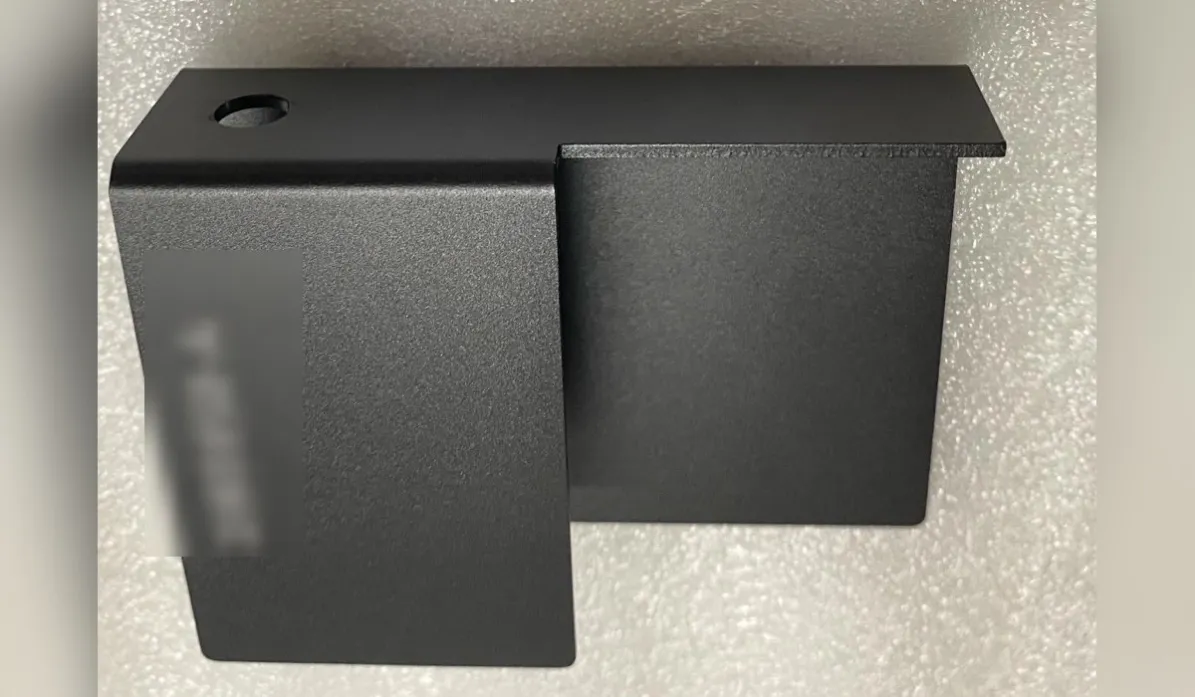
Many products are not one part — they are a small set: a machined aluminum base that carries the load, and a plastic cover that closes it, finished to look like they were always one piece. We make those sets together. Send the drawings or models for the whole set and we will quote it as a set: metal parts, plastic parts, inserts and finishes, inspected against each other and shipped together. One supplier for the set means the fit and the finish are one factory's problem — ours — not a gap between two vendors.
A typical set
- The base. A machined aluminum bracket or housing — 6063 or 6061-T6 aluminum — black anodized, carrying the mounting holes and the structure.
- The cover. An ABS or PC cover that closes the base, painted black to match the anodized metal next to it.
- The inserts. Brass heat-set threaded inserts in the plastic part — an M4 insert is typical — so the cover can be screwed down and removed again in service without the threads wearing out. Our guide to threaded inserts for plastic parts covers how they are fitted and what they hold.
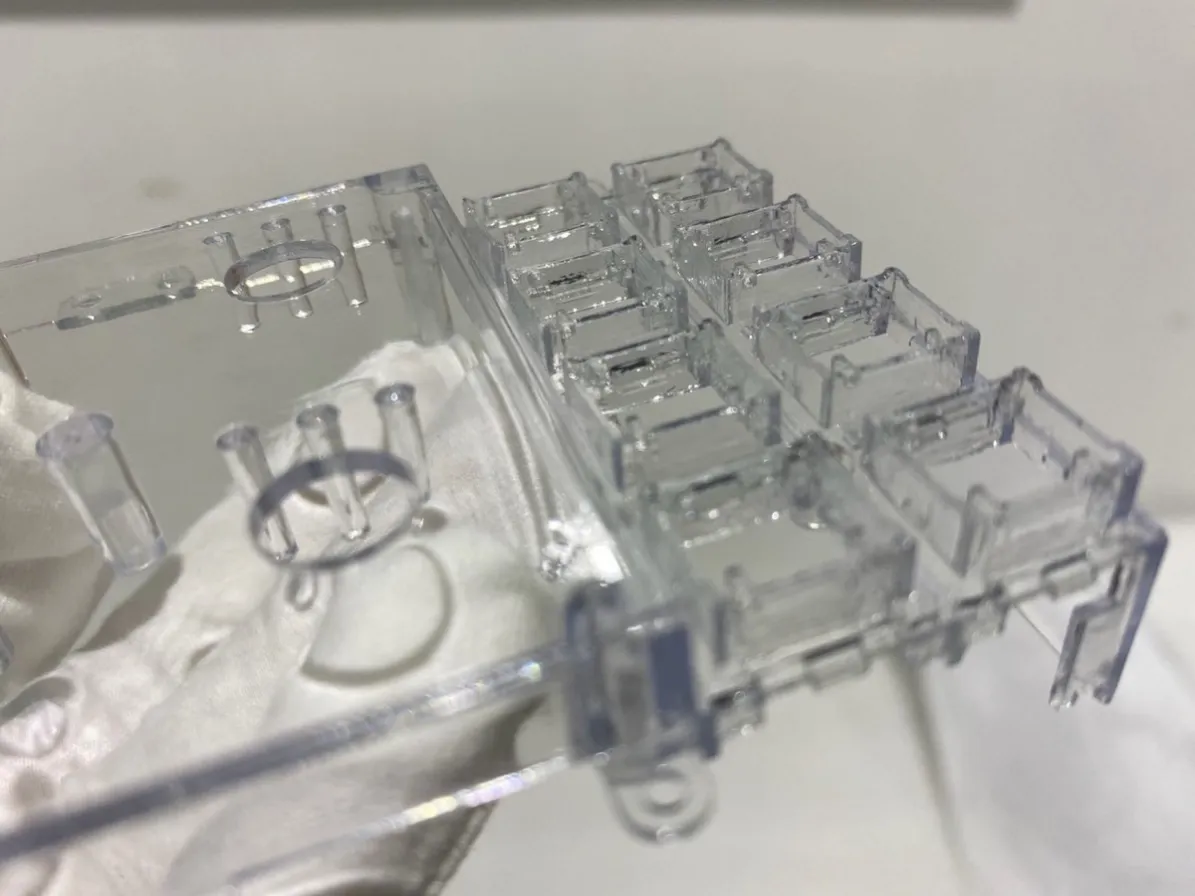
The hard part is not the parts — it is the match
Two things have to agree across two different materials and two different processes:
- The fit. The cover's edges, screw positions and locating features have to land on the base's faces and holes. When both parts are made in one place, the interface dimensions are controlled against each other, and a trial fit is possible before the batch runs — a cover that rocks on its base is found here, not at your assembly bench.
- The finish. Black anodizing on aluminum and black paint on plastic are different finishes on different materials, and side by side they either match or they do not. The usual specification — paint matched to the anodized finish — is handled by approving the two finishes against each other: same black, same satin sheen, checked in the same light before production. The anodizing side of that match follows the callouts in our anodizing specifications guide.
Why one supplier for the set
Split the set between a metal shop and a plastics shop and each half can be perfectly to drawing while the set still fails — the drawings carry the interface, but nobody owns it. Made together, the set is quoted together (so the price you see is the price of the assembly, not two prices and a surprise), inspected together, and packed together. It also simplifies the plastic side: the cover's material, wall and insert positions are reviewed against the machining and assembly they will actually see, the same review we give any machined engineering plastic part.
Inspection and packing
Each part is inspected against its own drawing, and the set is checked as a set: inserts fitted and gauged, cover trial-fitted to the base, finishes compared side by side. Sets are packed together, protected so painted and anodized faces do not rub in transit — the part that arrives should look like the set that was approved.
What to send for a quote
The drawings or models for every part in the set, the materials, the finishes (including any "match the anodized finish" requirement), insert sizes, and the quantity of sets. If only one part exists so far and the mating part is still being designed, send what you have — the interface is easier to design with the machining in mind. Send your drawings via our contact page — enquiries are answered within 8 hours and quotes usually come back within 24 hours.
FAQ
Can you really match a painted plastic finish to black anodizing? Yes — that is a common specification on sets like these. The paint is matched to the anodized part's color and satin sheen, and the two finishes are approved side by side before the batch runs.
Why heat-set inserts instead of screwing into the plastic? A screw into bare plastic wears the thread every time the cover comes off. A brass heat-set insert gives a metal thread that survives repeated assembly — it is the standard answer for covers that will be opened in service.
Do both parts have to be machined? No. The metal part is machined; the plastic cover can be machined or molded depending on quantity and geometry, and the quote will say which route suits your volumes.
What if I only have the base designed so far? Send it. The cover's interface — screw positions, locating edges, insert placement — is cheaper to get right while it is still being designed.
Can the set ship assembled? Sets normally ship as matched parts, packed together. If you need them assembled, say so with the enquiry and it will be quoted that way.