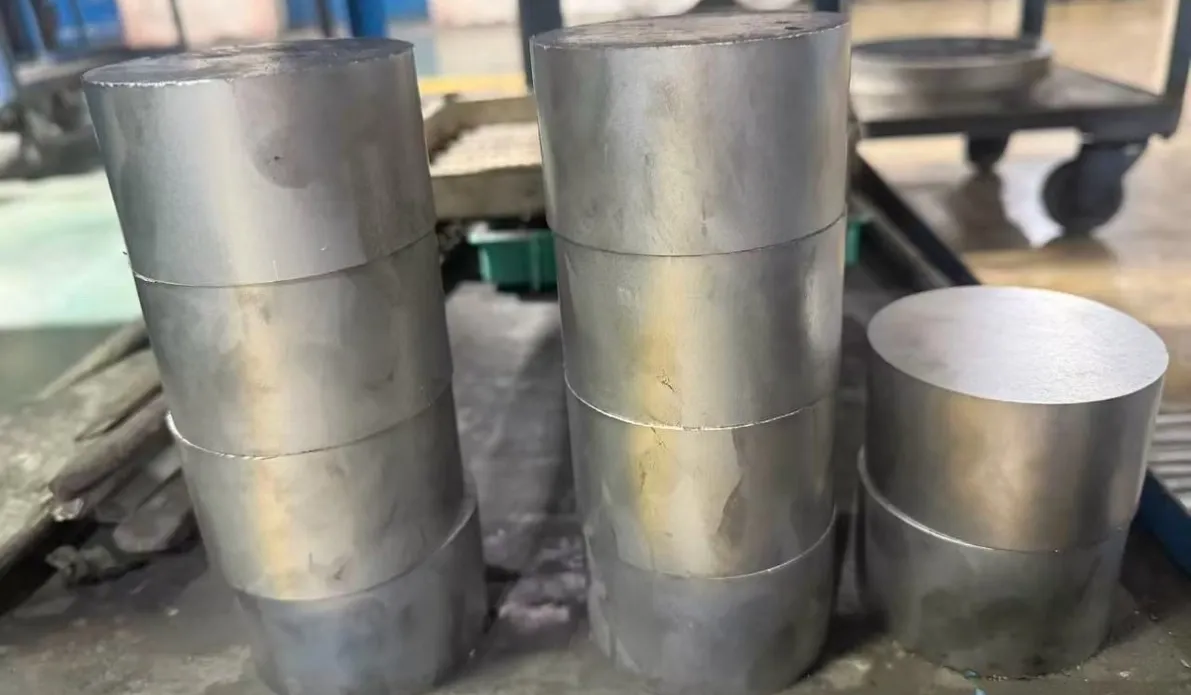
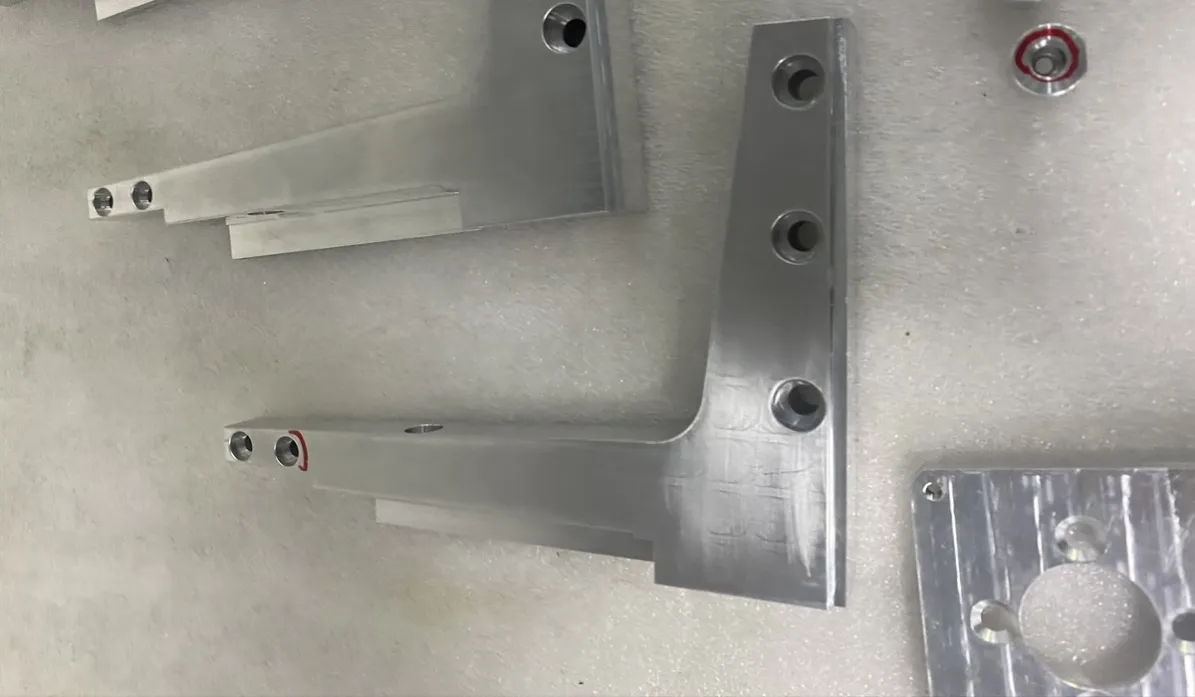
Machined Parts for EV Charging Modules
Machined and sheet metal parts for EV charging modules: enclosures, copper busbars, heatsinks, insulator brackets and plated contacts, from one supplier.
Yes — we make the metal and plastic hardware that goes inside and around EV charging modules: sheet metal and machined enclosures, copper busbars, heatsinks, insulator brackets and plated electrical contacts. Most charger builders we work with started by ordering one of those families and ended up consolidating the rest, because the parts have to fit each other. Send the drawing package — or one drawing to start — and we will quote it as drawn.
The part families
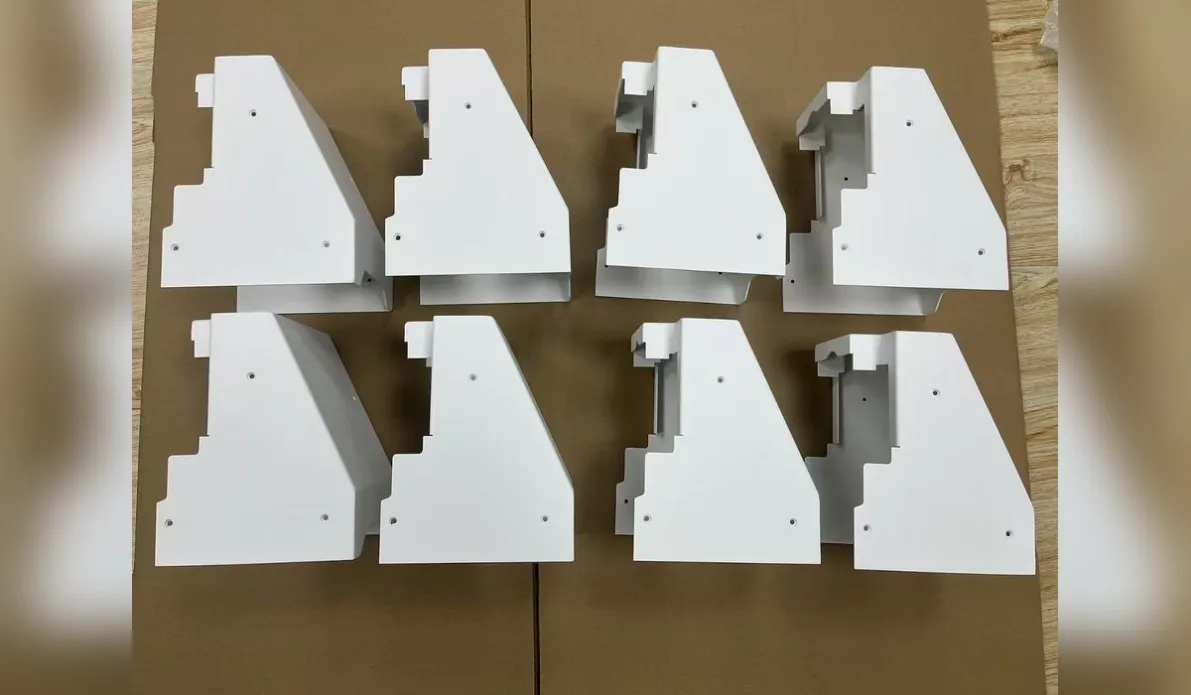
- Enclosures and housings. Sheet metal enclosures, laser cut, bent, welded and powder coated, plus machined housings and covers where the part needs milled features, sealing faces or close fits. Our dedicated piece on sheet metal enclosures for EV charging equipment covers that family in full.
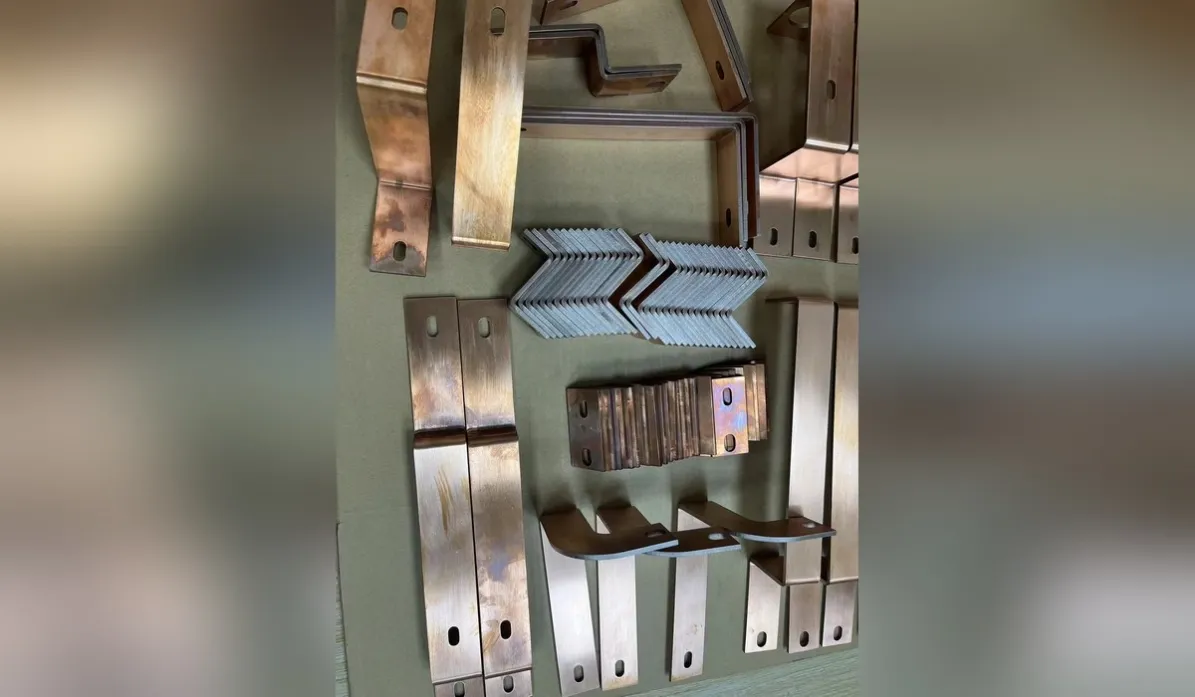
- Copper busbars. Flat and bent busbars in T2 copper (C11000), drilled and formed, with plated contact faces where the drawing calls for them — covered in detail in our copper busbar machining piece.
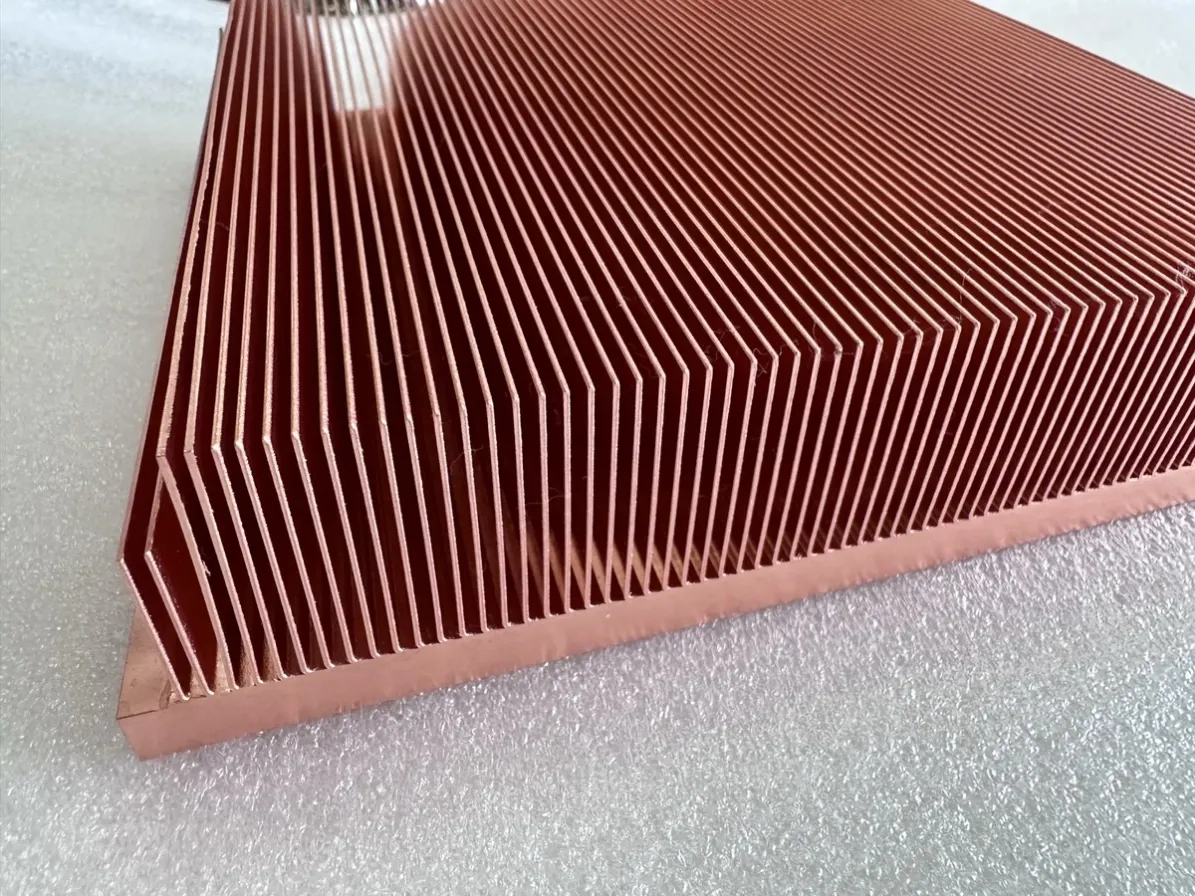
- Heatsinks. Machined aluminum heatsinks and copper skived fin heatsinks for the power electronics — the fin work is described in our skived fin heatsink article.
- Insulator brackets and supports. Engineering plastic brackets, standoffs and supports that hold live hardware at a safe distance from the enclosure and from each other.
- Electrical contacts and terminals. Stamped and turned contacts in beryllium copper, brass and copper, plated in gold, silver, nickel or tin — the spring contact work is covered by our beryllium copper stampings piece.
Why these parts end up on one order
A charging module is a stack of interfaces: the busbar bolts to the contact, the contact sits in the insulator bracket, the bracket mounts to the heatsink, and all of it lives inside the enclosure. Every one of those interfaces is a tolerance chain. When three suppliers each hold their own part to their own reading of the drawing, the chain is discovered at assembly — by you. When the parts come from one drawing package and one inspection bench, mismatches are found here, where they are cheap. That, more than any unit price, is why charger builders consolidate this hardware.
Materials and finishes, family by family
Enclosures are usually aluminum or steel sheet, powder coated, with machined aluminum housings where sealing or precision features are needed; anodizing is the finish on machined aluminum where corrosion and appearance both matter. Busbars are T2 copper (C11000) for conductivity, tin or nickel plated on the contact faces to keep the joint honest over years of service. Heatsinks are 6061-T6 or 6063-T6 aluminum for most modules, and copper where the heat has to move faster than aluminum can carry it. Insulator parts are standard engineering plastics chosen for electrical insulation, machined to shape. Contacts are C17200 beryllium copper where the contact must also be a spring, brass where it must simply conduct and machine easily, always plated to the drawing: gold, silver, nickel or tin.
One boundary worth stating plainly: we machine and fabricate the parts. Ratings, safety approvals and the certification of the finished charger belong to the charger and its maker — the parts are made to your drawing and your specification, and the paperwork we supply (first article report, material certificates, certificate of conformance) supports your file.
Key requirements we plan around
- Flatness where current flows. Busbar contact faces are machined and kept flat and burr-free; a raised burr is a hot spot in waiting.
- Plating that survives the joint. Plated faces are protected through packing so the coating arrives as it left the plating line, not scuffed by its neighbors.
- Heatsink faces that actually meet. The mounting face of a heatsink is machined flat so the thermal interface is the paste, not an air gap.
- Insulators with no shortcuts. Insulator brackets are machined from solid engineering plastic, edges broken, no conductive shortcuts — and kept clean of metal contamination through machining and packing.
Inspection and packing
Each family is inspected against its own drawing — dimensions recorded, plating and finish checked visually and by the paperwork that comes with it — and parts that belong to one module are packed to travel together without damaging each other: plated and polished faces separated, busbars kept flat. Before a production quantity ships, samples go to you first for confirmation, with the inspection report, as standard practice on larger orders.
What to send for a quote
The drawing package for whichever families you want quoted — one family or all of them — with materials, finishes and quantities. If the set is still being designed, send what exists; we will flag the manufacturability questions (only the questions — the design stays yours) with the quote. Send your drawing / sample for a quote via our contact page — enquiries are answered within 8 hours and quotes usually come back within 24 hours.
FAQ
Can you make all the metal parts of a charging module, or only some? All of the families on this page: enclosures, busbars, heatsinks, insulator brackets and contacts. Order one family or the whole set — the set is where the fit advantage shows up.
Do you certify the parts for EV charging use? We manufacture to your drawing and specification and supply first article reports, material certificates and a certificate of conformance. Product-level approvals and certification of the finished charger rest with the charger manufacturer.
Which plating do the busbars and contacts get? Whatever the drawing calls for: tin and nickel are the usual busbar finishes, and contacts are plated in gold, silver, nickel or tin. If the drawing does not say, tell us the joint the part makes and we will propose the finish with the quote.
Can you help if the design is not finished? Yes, within limits: we check every drawing for manufacturability and flag what will be slow, expensive or fragile to make, with the quote. We do not redesign your product — the design decisions stay with you.
What quantities do you work in? Prototypes and small batches are the core of the shop — a handful of sets for a first build is normal work — and the same drawing package scales into repeat production, with samples confirmed before the production run ships.
How fast is a first set? Simple parts can ship in 24–48 hours depending on complexity, and routine small batches typically run 3–5 days. A multi-family set is quoted with one delivery date for the whole package.