Chem Film (Chromate Conversion Coating) for Aluminum Parts
Chem film is the thin conversion coating that protects aluminum without insulating it — for grounding faces, electrical contact and as a base under paint. Chem film or anodize?
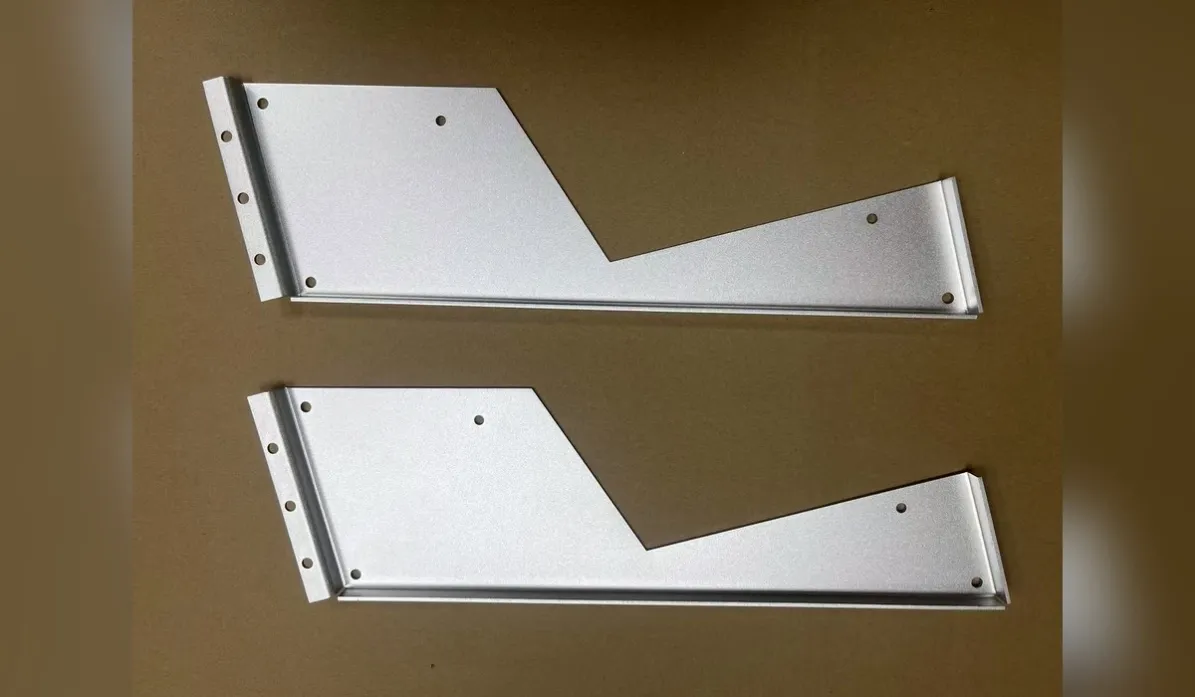
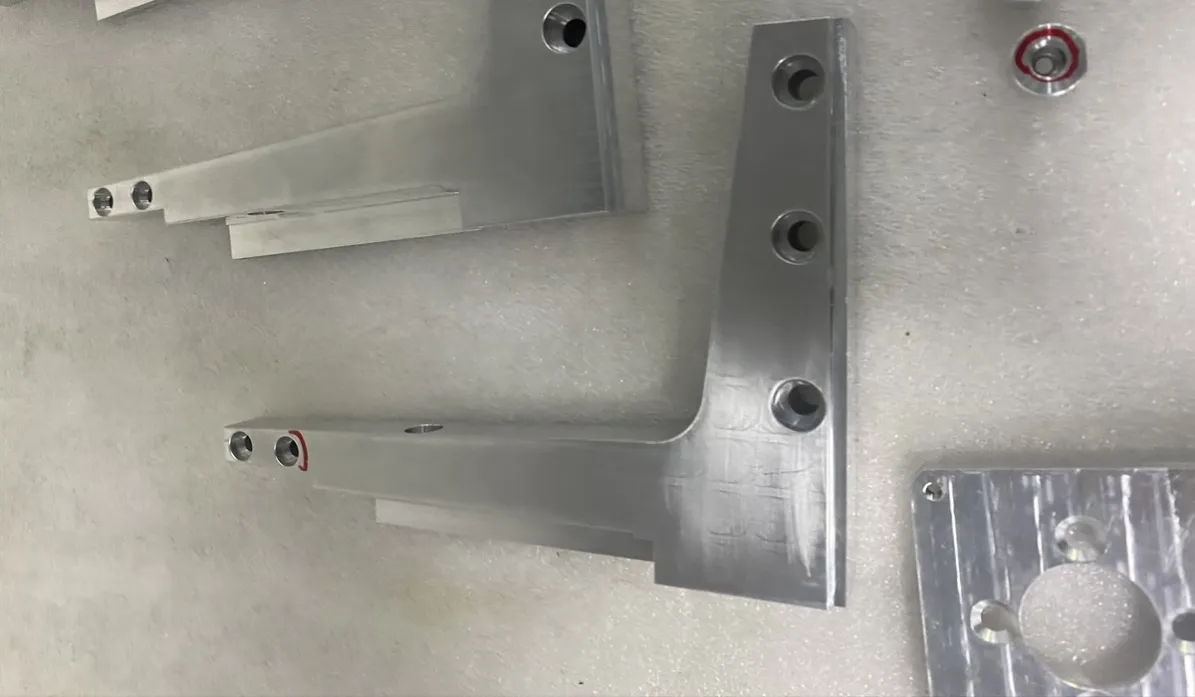
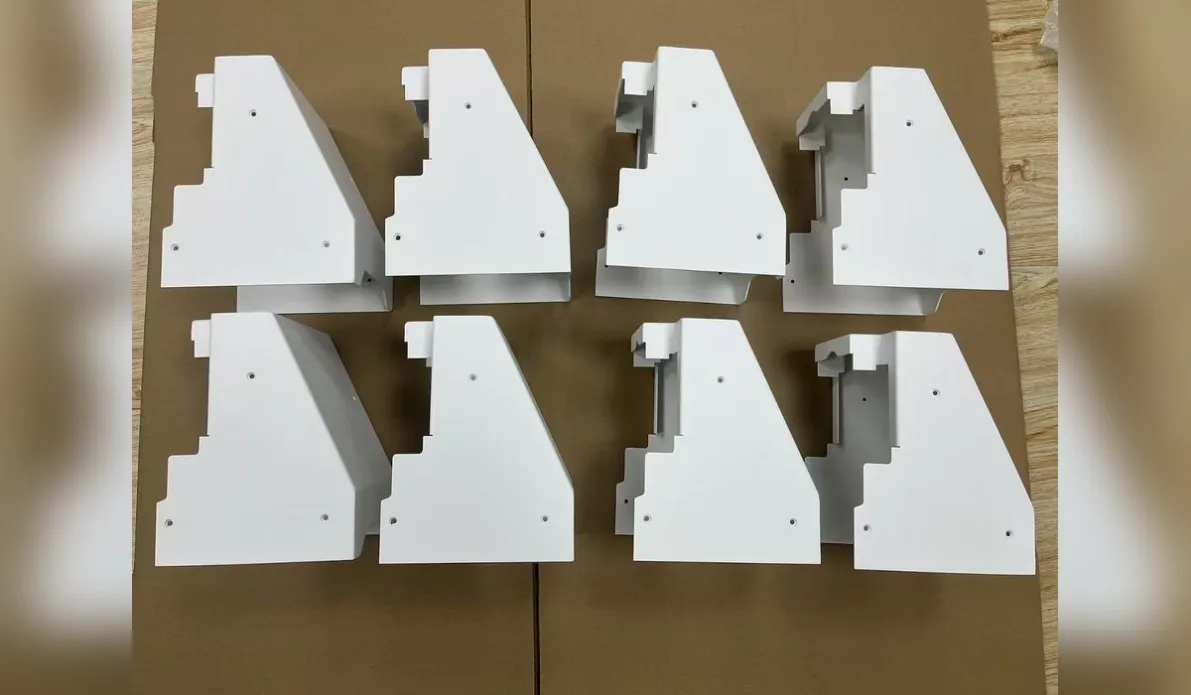
Yes — we apply chem film to aluminum parts: machined housings, brackets, chassis and sheet metal parts that need corrosion protection without losing electrical contact. Chem film is one of those finishes buyers ask for by its shop name, so let us start there: chem film is a chromate conversion coating (specified as MIL-DTL-5541), and it solves a problem anodizing cannot — protecting aluminum while keeping the surface electrically conductive.
What chem film actually is
Chem film is not a plating and not a paint. Nothing is deposited on the part and no electric current is involved. The part is cleaned and immersed in a chromate solution, and the aluminum surface itself reacts with the solution to form a thin conversion layer — the surface becomes the coating. Because the film grows out of the metal rather than sitting on top of it, it is extremely thin: dimensions, threads and fits are effectively unchanged, and there is no coating build to allow for in the machining.
Under MIL-DTL-5541 the two classes a buyer is likely to meet are Class 1A, which gives the fullest corrosion protection, and Class 3, which is formulated for low electrical resistance — the class specified where the film has to carry a ground or a bond. The film's color runs from clear to a gold or iridescent tint depending on the type and class, which is why chem-filmed parts often have that faint golden look. It is a functional finish, not a decorative one: protection is decent but modest, the film is soft compared with anodize, and it is not the finish for a part that will be handled hard or live outdoors unprotected.
When chem film is the right call
- Grounding and electrical contact faces. An anodized surface is an electrical insulator — a ground point on an anodized housing does not conduct until the coating is masked off or scraped away. A chem-filmed surface conducts. Chassis parts, enclosure panels that form part of an EMI shield, bonding faces and mounting surfaces that must make metal-to-metal contact are chem film's home ground.
- As a base under paint or powder coat. Paint sticks to chem film far better than to bare aluminum, and if the paint is scratched, the film underneath slows corrosion creeping in from the scratch. It is the standard preparation under paint on aluminum enclosures and brackets — the finish stack on many of the parts in our sheet metal finishes article starts this way.
- Light corrosion protection on its own. For parts that live indoors, inside equipment, unpainted, chem film alone is often enough — it stops the dull oxidation and finger-marking that bare aluminum picks up, at low cost and with no dimensional change.
- Mixed requirements on one part. A housing that is painted outside but must stay conductive at its mating faces can be chem filmed all over and painted where paint is wanted. The film does both jobs; anodize could only do one of them.
One thing chem film is not: a step in a plating stack. It is a finish for aluminum in its own right, not a preparation for plating — if a part needs plating, the conversion coating is not part of that route, a point we also make in our article on copper underplate.
Chem film or anodize?
The choice follows the part's job:
- Needs to conduct? Chem film. Anodize insulates; chem film does not.
- Needs to survive handling, wear or weather? Anodize. Its layer is far thicker and harder — the comparison of Type II and hardcoat Type III is covered in our anodizing guide.
- Needs a color? Anodize. Chem film's tint is a by-product, not a chosen color.
- Going under paint? Chem film, as the base — paint over anodize is rarely the right stack.
- Tight fits and threads everywhere? Chem film changes nothing dimensionally; anodize build has to be planned into the machining.
Plenty of parts use both families across one assembly: anodized outer panels for looks and wear, chem-filmed chassis and brackets inside for bonding and paint grip.
Masking and contact faces
Because the film itself is conductive, chem film often removes the masking question entirely — the whole part can be filmed and every face still makes contact. Where an area genuinely has to stay bare metal, or a face is filmed to Class 3 for a bond while the rest is painted, that is handled by masking and process order, and it belongs on the drawing: mark the faces that carry a ground or a contact, and state the class. If the drawing just says "chem film per MIL-DTL-5541", we will confirm the class with the quote rather than guess which one your electrical design assumed.
What to send for a quote
The drawing, the alloy, and the finish written as you need it — chem film, the class if your design depends on it (Class 3 where low resistance matters), and a note of which faces are grounding or contact faces. Send it via our contact page — enquiries are answered within 8 hours and quotes usually come back within 24 hours.
FAQ
Is chem film the same as Alodine? Essentially, yes — Alodine is a well-known brand name for chromate conversion coatings, and "chem film", "Alodine" and "conversion coating" all describe the same family of finish to MIL-DTL-5541. Drawings use the names interchangeably.
Does chem film change part dimensions? No, not in any way that affects fits. The film is a conversion of the surface itself and is extremely thin, so threads, bores and mating faces are machined once, with no coating allowance to plan for.
Can chem film replace anodizing? Only where the duty is light. Chem film protects against corrosion and keeps the surface conductive, but it is thin and soft. A part that is handled, worn or weather-exposed needs anodize. A part that must conduct, or sit under paint, needs chem film.
Why does the drawing class matter — 1A or 3? Class 1A is the fuller-protection film; Class 3 is the low-electrical-resistance film for grounding and bonding. A housing whose mating faces carry a ground path should say Class 3, so the film is specified for the job it is actually doing.
Can a part be chem filmed and then painted? Yes — that is one of its standard uses. Chem film is the base that gives paint its grip on aluminum and protects the metal if the paint is damaged.