Biotech Instrument Housings, Machined
Machined housings and enclosures for biotech and life-science instruments: cleanable surfaces, low-glare black anodize and clean packaging.
Yes — we machine housings, enclosures and covers for biotech and life-science instruments: the aluminum and stainless shells that carry the optics, fluidics and electronics of bench instruments, plus the brackets and internal frames that hold them together. These parts live in labs, so they are designed to be wiped down, to not glare under bench lighting, and to arrive clean. Send the drawing and the quantity and we will quote it — inquiries are answered within 8 hours and quotes usually come back within 24 hours.
The parts we typically machine
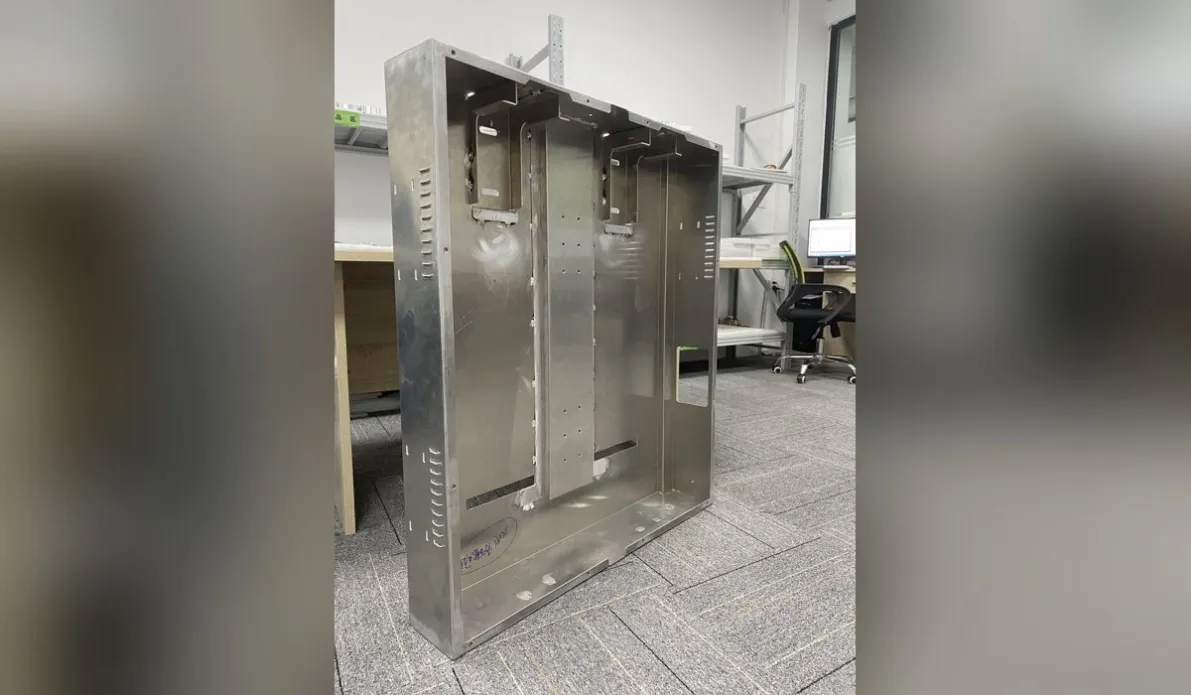
- Instrument housings and enclosures — the main shell of a bench instrument: base, walls and lid, with cut-outs for displays, keypads, fans and connectors.
- Covers and access panels — flat or shallow-formed covers that come off for service, often with captive-fastener holes and a finish that has to match the housing.
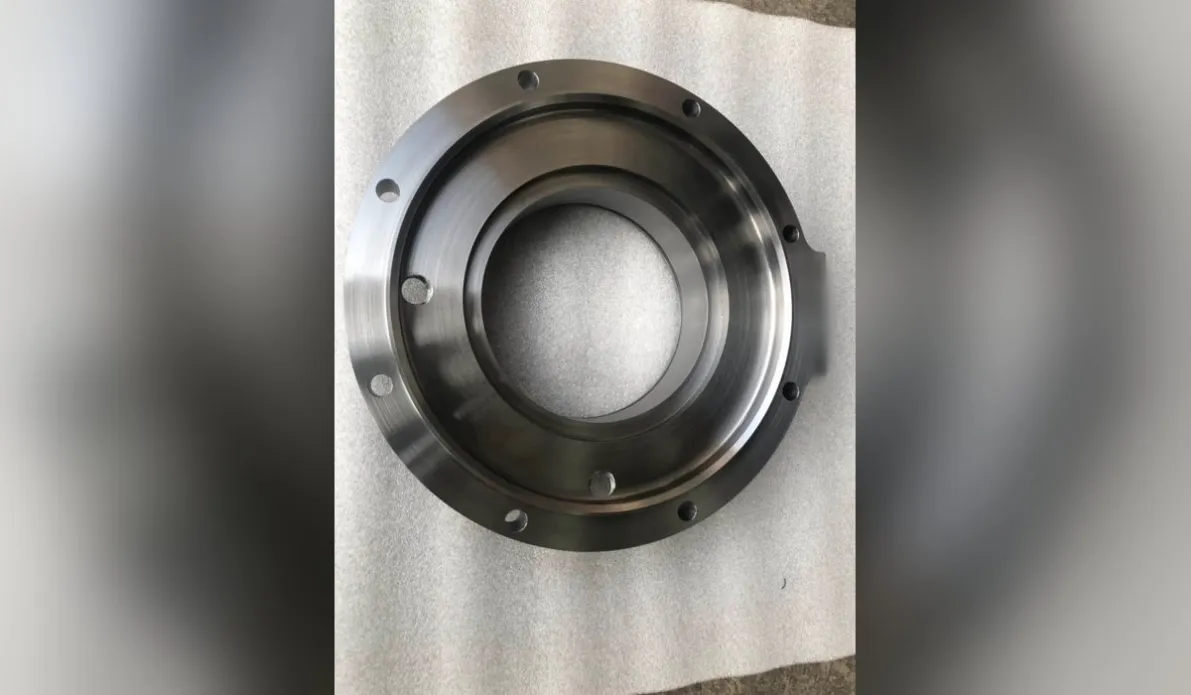
- Optical and detector housings — smaller shells and blocks that hold a light source, a sensor or a cuvette, where internal surfaces are finished matte black to keep stray reflections down.
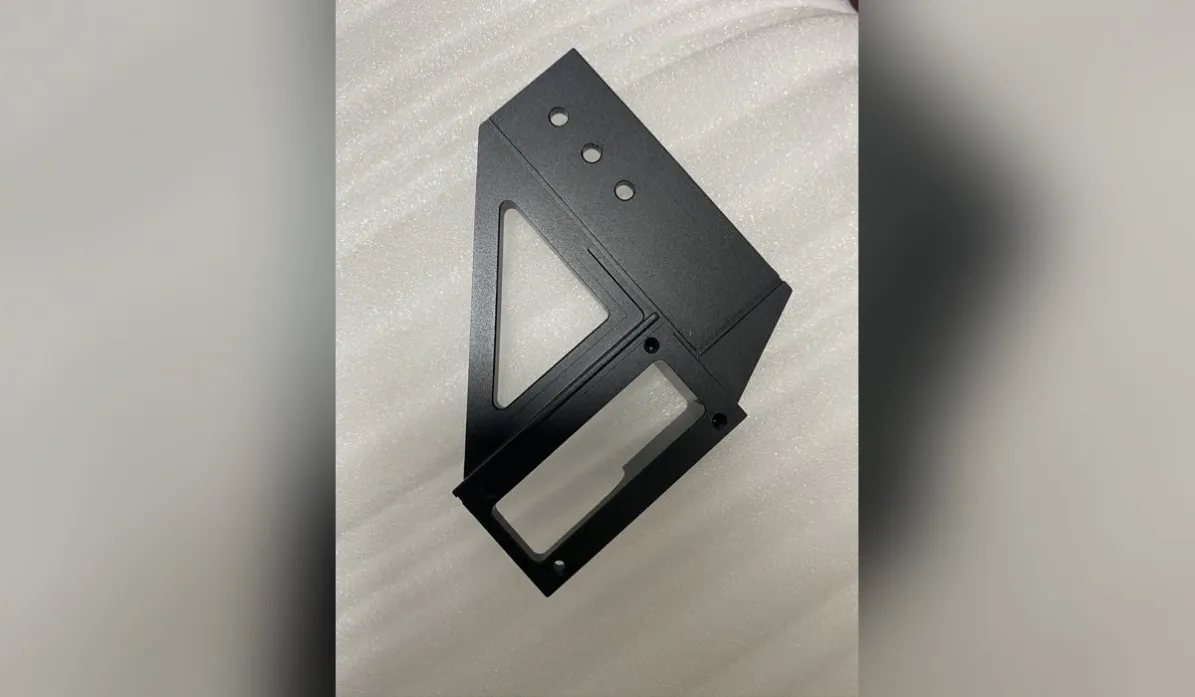
- Internal brackets and chassis parts — mounting plates, pump and valve brackets, board standoffs and frames that the outside never sees but the assembly depends on.
This article is about housings specifically; our broader overview of medical device and lab instrument parts covers the wider range of components we machine for this sector, and our lab automation parts article covers nests, grippers and microplate fixtures.

Materials
6061-T6 aluminum is the default housing material: light, stiff enough in thin sections, easy to anodize, and the finish options suit lab instruments well.
304 or 316L stainless steel is used where the housing meets aggressive cleaning agents, sits in a wet process area, or needs the mass and durability of steel. 316L is the safer choice around chlorinated cleaners.
PEEK appears on smaller housings, covers and insulating shells inside instruments — where the part touches the sample path, needs chemical resistance, or has to insulate. It machines cleanly and tolerates the disinfectants that attack anodized aluminum.
Designed to be cleaned
Lab housings get wiped down constantly, so the design details that matter are slightly different from a general industrial enclosure.
Surfaces without dirt traps. Smooth, continuous surfaces clean properly; sharp internal corners, deep narrow slots and rough finishes hold residue. Where the drawing allows, generous radii and a fine machined or bead-blasted finish make the part wipe clean. Tell us which surfaces are external and cleaned, and they get the attention in finishing and inspection.
The disinfectant question. Anodized aluminum handles the common lab wipe-down — 70% alcohol and similar — without trouble. What it does not tolerate is chlorinated or strongly alkaline cleaners: they attack the anodize and stain it. If your cleaning protocol uses those, the practical options are stainless steel for the housing, PEEK for smaller parts, or keeping the anodize and changing the protocol. Raise it at the quote stage and we will help you pick; this one decision decides how the instrument looks in two years.
Low-glare finishes. Bench instruments sit under bright lights and near cameras and sensors. Black anodizing per MIL-PRF-8625 (formerly MIL-A-8625) Type II over a fine bead blast gives a matte, low-reflection surface that does not interfere with barcode scanners, vision cameras or the operator's eyes. The same matte black treatment is used inside optical housings to suppress stray light.

Seams, fasteners and service access
Housings come apart for service, so the split lines matter. Mating faces are machined flat so lids sit without rocking or light leaks, threaded holes or inserts are placed where the service tools can actually reach, and covers that come off often get threads that survive repetition — brass inserts or stainless threads rather than tapped aluminum where the drawing calls for frequent removal. If a gasket or seal sits between housing and lid, machine the groove to your seal size and tell us the material; a groove guessed at quote stage is a leak found at assembly.
Cleanliness and packing
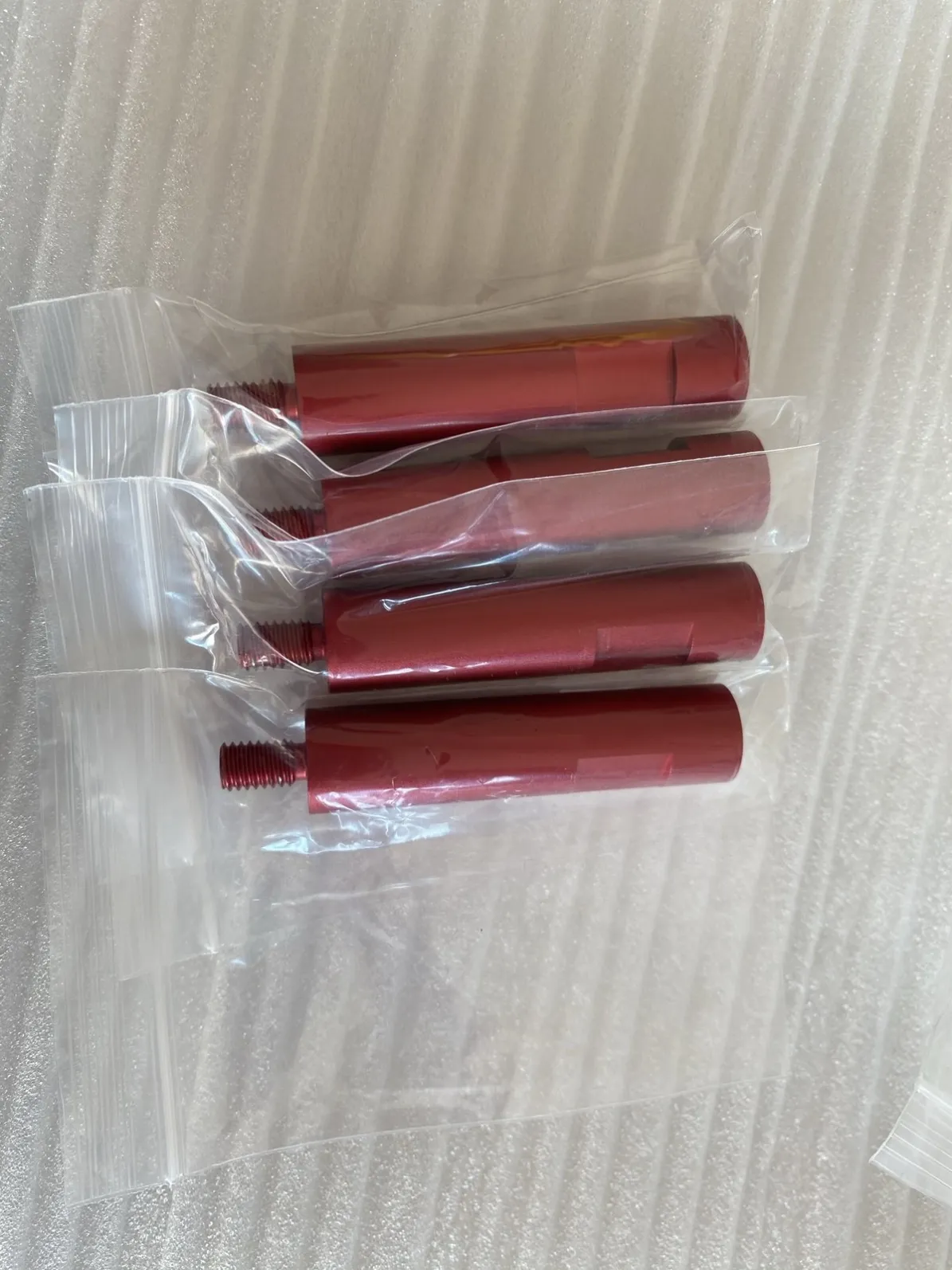
Instrument housings are cleaned before packing: ultrasonic cleaning is available, and parts can be double-bagged, vacuum sealed and labeled where your incoming process needs it. Our article on precision cleaning and clean packaging sets out what we offer — in short, parts arrive free of chips, coolant and fingerprints, packed so machined faces do not rub in transit. We do not claim a certified cleanroom class; if your specification names one, tell us and we will confirm what we can meet before quoting.
Tolerances and quotes
Housing dimensions run at our standard ±0.1 mm (±0.004"); locating faces, bore positions and mating features that carry assemblies can be held to ±0.01 mm (±0.0004") where the drawing calls for it. First article inspection with a written report, material certificates and a certificate of conformance are available on request.
For a quote, send the drawing or 3D model, the material, the finish and the quantity — plus your cleaning agents if the housing will be disinfected regularly, since that can change the material recommendation. Small-batch prototypes typically take 3–5 days, and simple parts can ship in 24–48 hours depending on complexity. We can sign an NDA before you send files. Send your drawing for a quote via our contact page.
FAQ
Can anodized aluminum housings survive daily disinfection? With alcohol-based wipes, yes. With chlorinated or strong alkaline cleaners, no — the anodize is attacked over time. For those protocols we recommend stainless steel or PEEK for the affected parts, and we will flag it when you tell us your cleaning agents.
Can you make the inside of an optical housing matte black? Yes. A fine bead blast followed by black anodize gives a low-reflection internal surface that keeps stray light down around sources and sensors.
Do you offer clean packaging for instrument parts? Yes — ultrasonic cleaning, double bagging, vacuum sealing and labeling are available. We do not claim a certified cleanroom grade; tell us what your incoming inspection requires and we will confirm against it.
Can housing and lid be machined as a matched set? Yes, and for housings that is usually the right way: mating faces, hole patterns and split lines are machined and checked against each other, so the lid fits the shell the way the drawing intended.
What quantities do you machine housings in? Prototypes and small batches are the norm for instruments — development builds, pilot runs and low-volume production. Send the quantity with the drawing and the quote will show how the price moves with volume.