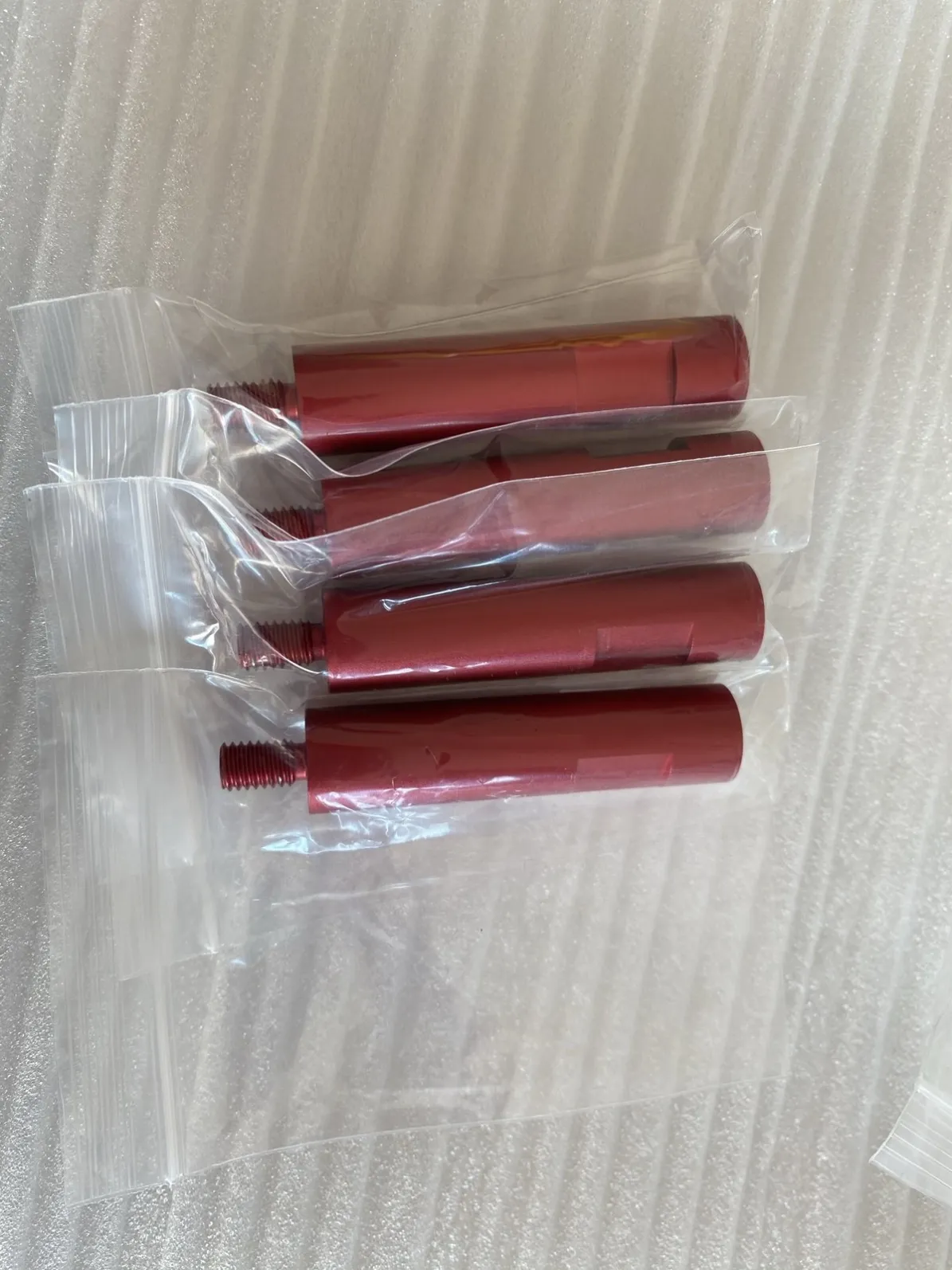
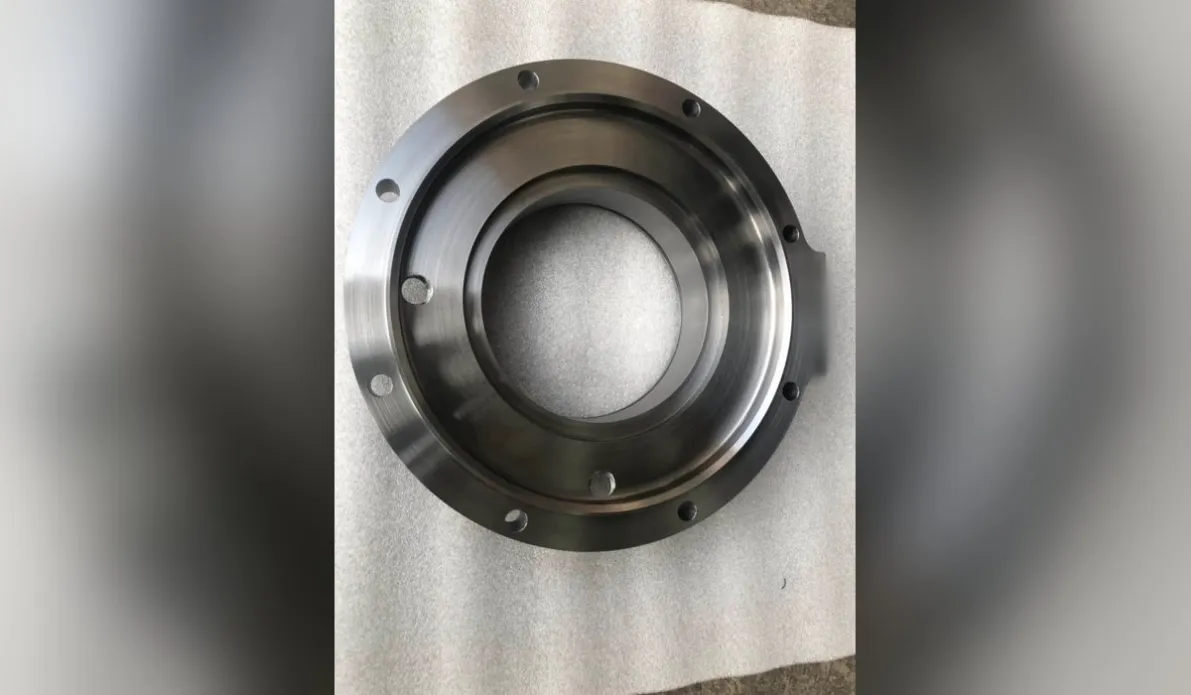
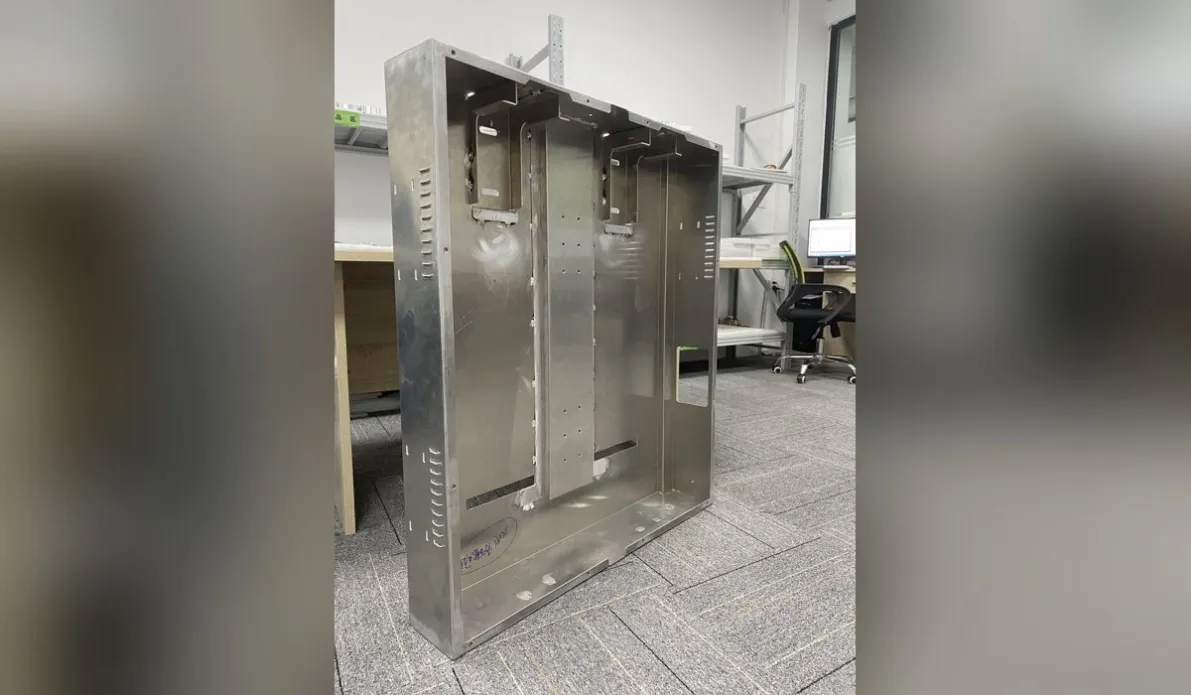
Automation Handling Equipment Parts
Machined parts for automation handling and conveying equipment: rail supports, conveyor brackets and gripper blocks in aluminum, steel and plastics.
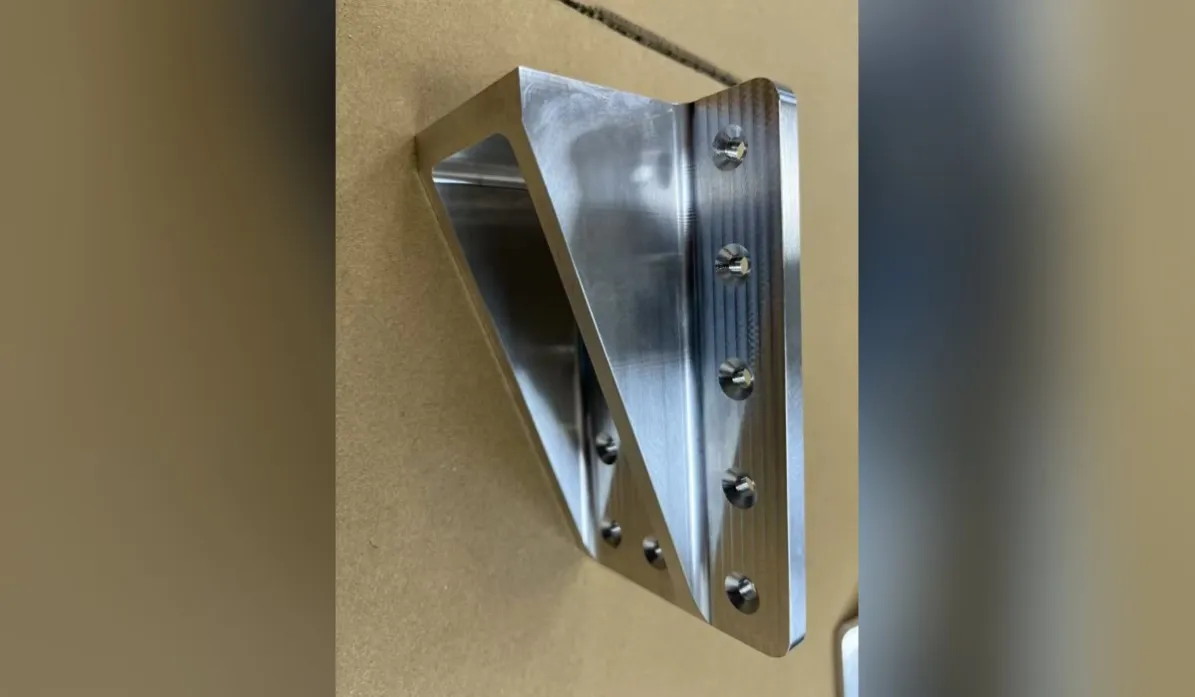
Yes — we machine the structural parts that move product through automated equipment: rail supports, conveyor brackets, gripper and clamping blocks, and the plates and mounts that tie a handling line together. These are working parts — they carry loads, set positions and wear at predictable points — and they are usually ordered in small batches when a line is built, extended or repaired. Send the drawing and the quantity and we will quote it — inquiries are answered within 8 hours and quotes usually come back within 24 hours.
The parts we typically machine
- Rail supports and guide brackets — the blocks and stands that hold linear rails and guide shafts at the right height and keep them parallel along the run.
- Conveyor brackets and side-channel parts — mounts for rollers, belt guides, sensor brackets and the adjustable feet and joints that level a conveyor frame.
- Gripper and clamping blocks — the blocks that carry gripper fingers, vacuum cups or clamp cylinders at the end of a pick-and-place axis, plus the finger blanks themselves.
- Sensor and stop brackets — small mounts that put a photo-eye, a proximity switch or a hard stop at an exact position, often with slotted holes for final adjustment.
- Mounting plates and interface blocks — the adapter plates between a purchased actuator, motor or slide and the machine frame, machined to both bolt patterns.
Our broader article on automation equipment parts machining covers the wider machine — inspection and assembly equipment included. This one stays with the handling and conveying side: the parts that touch, guide and carry the product.

Materials
6061-T6 aluminum covers most brackets, supports and plates: stiff enough, light on moving axes, and easy to anodize. Where a bracket is also a wear surface, we will sometimes suggest steel instead at the quote stage.
Carbon steel and 304 stainless steel are used for high-load supports, wear strips and parts in washdown or food-adjacent areas. Steel parts are usually black oxide, zinc plated or painted; stainless is passivated.
Engineering plastics — POM (Delrin) above all — are the right answer where the part touches the product: guide rails, wear pads, gripper pads and star-wheel style guides in POM slide without marking, run smoothly and do not need lubrication. UHMW-PE appears on longer wear guides. If your drawing has a steel part sliding against finished product, it is worth asking whether POM should replace it.
What matters on handling parts
Hole patterns that agree with each other. A rail support is useless if its rail holes and its base holes were machined from different datums and the rail lands a fraction off parallel. We machine mating patterns in one setup or from a common datum, so the parts bolt together the way the layout drawing intended. Positions that carry rails and bearings can be held to ±0.01 mm (±0.0004") where specified; the rest runs at our standard ±0.1 mm (±0.004").
Flat mounting faces. Supports and brackets set the geometry of the whole line. Faces that bolt to the frame and faces that carry the rail are machined flat, and where two supports share one rail, tell us they are a set — they get machined and checked together, like the fixtures in our test fixture machining work.
Wear surfaces planned, not discovered. Sliding faces, guide edges and gripper contact points wear first. Machining them smooth, choosing the right material pairing, and making the wear piece a small replaceable block rather than part of a big bracket are design decisions that pay off at the first rebuild. If we can see a wear problem in the drawing, we will raise it during the manufacturability check — it costs nothing at that stage.
Adjustment built in. Slotted holes, shim faces and eccentric mounting points are cheap to machine and expensive to retrofit. Handling equipment always gets adjusted at commissioning; parts drawn with some adjustment range install faster.

Frames and sheet metal alongside
Handling lines are rarely all machined parts. The frames, guards and covers around them are usually sheet metal, and we make those too — our article on sheet metal equipment frames and panels covers that side. Ordering the machined brackets and the folded frame from one place means the hole patterns are checked against each other before anything ships.
Finishes, inspection and quotes
Aluminum parts are clear or black anodized per MIL-PRF-8625 (formerly MIL-A-8625) Type II — black is common on sensor brackets, since a matte finish does not confuse photo-eyes. Steel is black oxide or zinc plated; wear faces and threaded holes can be masked on request. First article inspection with a written report, material certificates and a certificate of conformance are available.
For a quote, send the drawing or 3D model, the material, the finish and the quantity — and mention if parts work as a matched set or a mirror-image pair, since that changes how we fixture and inspect them. Small-batch prototypes typically take 3–5 days, and simple parts can ship in 24–48 hours depending on complexity. We ship worldwide. Send your drawing for a quote via our contact page.
FAQ
Can you machine both the left-hand and right-hand versions of a bracket? Yes — mirrored pairs are routine. Send both drawings (or one drawing noted as mirrored) and the pair is machined and inspected together so the two sides of the line agree.
A guide part is marking our product. What should it be made of? Usually POM (Delrin). It is the standard material for product-contact guides and gripper pads: low friction, no marking, no lubrication needed. Send the drawing of the current part and we will quote it in POM.
Can you hold the hole pattern across several supports so one rail stays straight? Yes. Tell us the supports work as a set under one rail; the patterns are machined from a common datum and the set is checked together, with positions to ±0.01 mm (±0.0004") where the drawing calls for it.
Do you make replacement parts for an existing line? Yes. Send the drawing, or the worn part itself and we can measure and reproduce it — including improving the wear face material if the original failed early.
What quantities suit this work? Line builds and spares are small-batch work by nature: a set of brackets for one machine, a run of wear blocks for a year. Prototypes and one-offs are fine, and repeats come back identical to the first order.