Aluminum Extrusion vs Billet: How to Choose
Extrusion or billet? How each starting stock affects cost, wall thickness and machining time — and when a machined extrusion beats both.
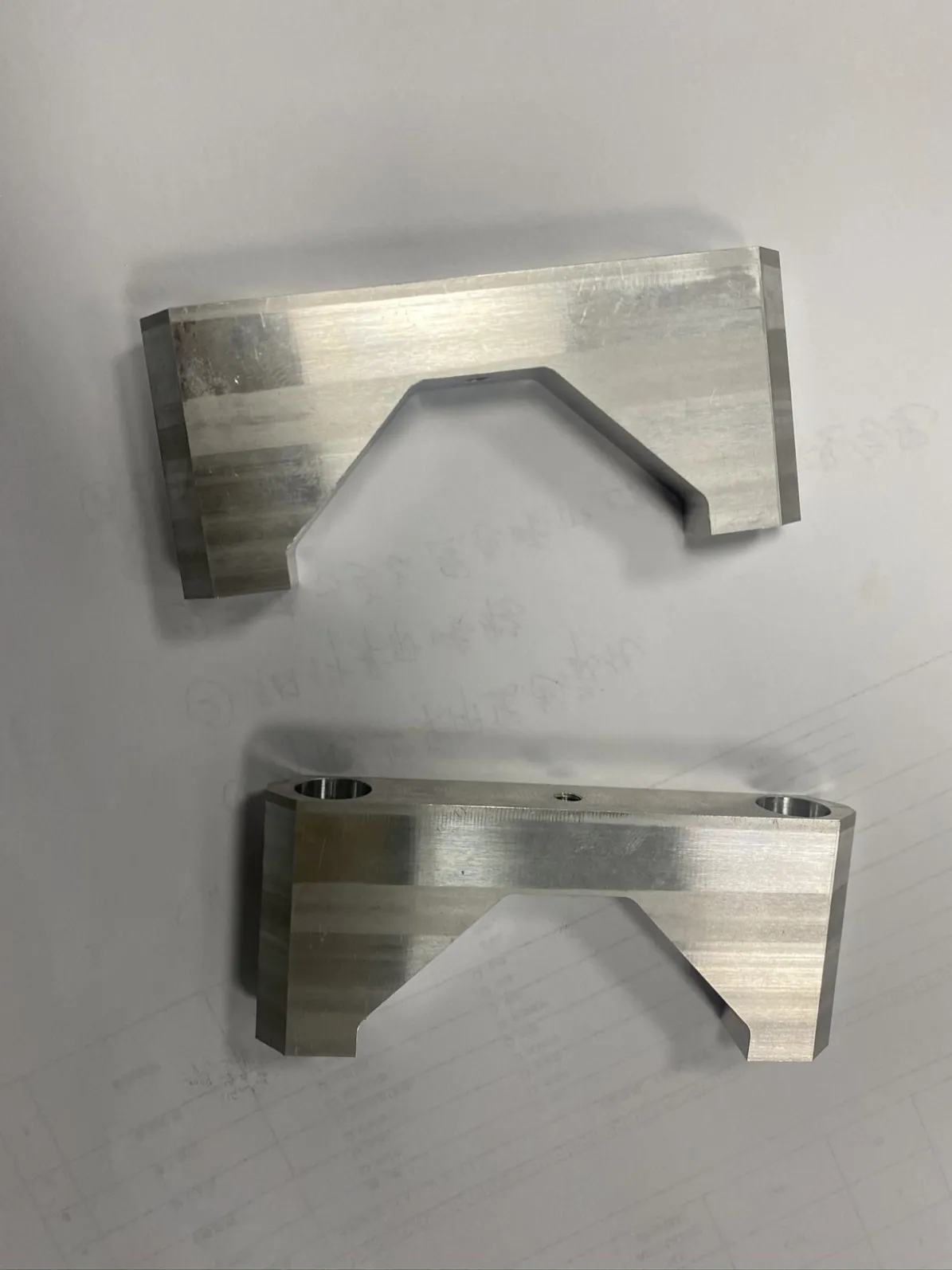
Every aluminum part starts as something: a length of extruded profile, or a solid block of billet machined down to the final shape. The choice is made before the first cut, and it sets the cost, lead time and sometimes the strength of the finished part. Neither stock is better in general — each wins on a different kind of geometry. This article walks through where each route makes sense, and the hybrid route that often beats both. If you are unsure which way your part should go, send us the drawing — inquiries are answered within 8 hours and quotes usually within 24 hours.
The basic difference
An extrusion is made by pushing heated aluminum through a shaped die. The profile that comes out has the same cross-section along its whole length — a channel stays a channel, a tube stays a tube, a finned profile keeps the same fins end to end. You buy it by length, cut off what you need, and the cross-section is already close to the finished shape.
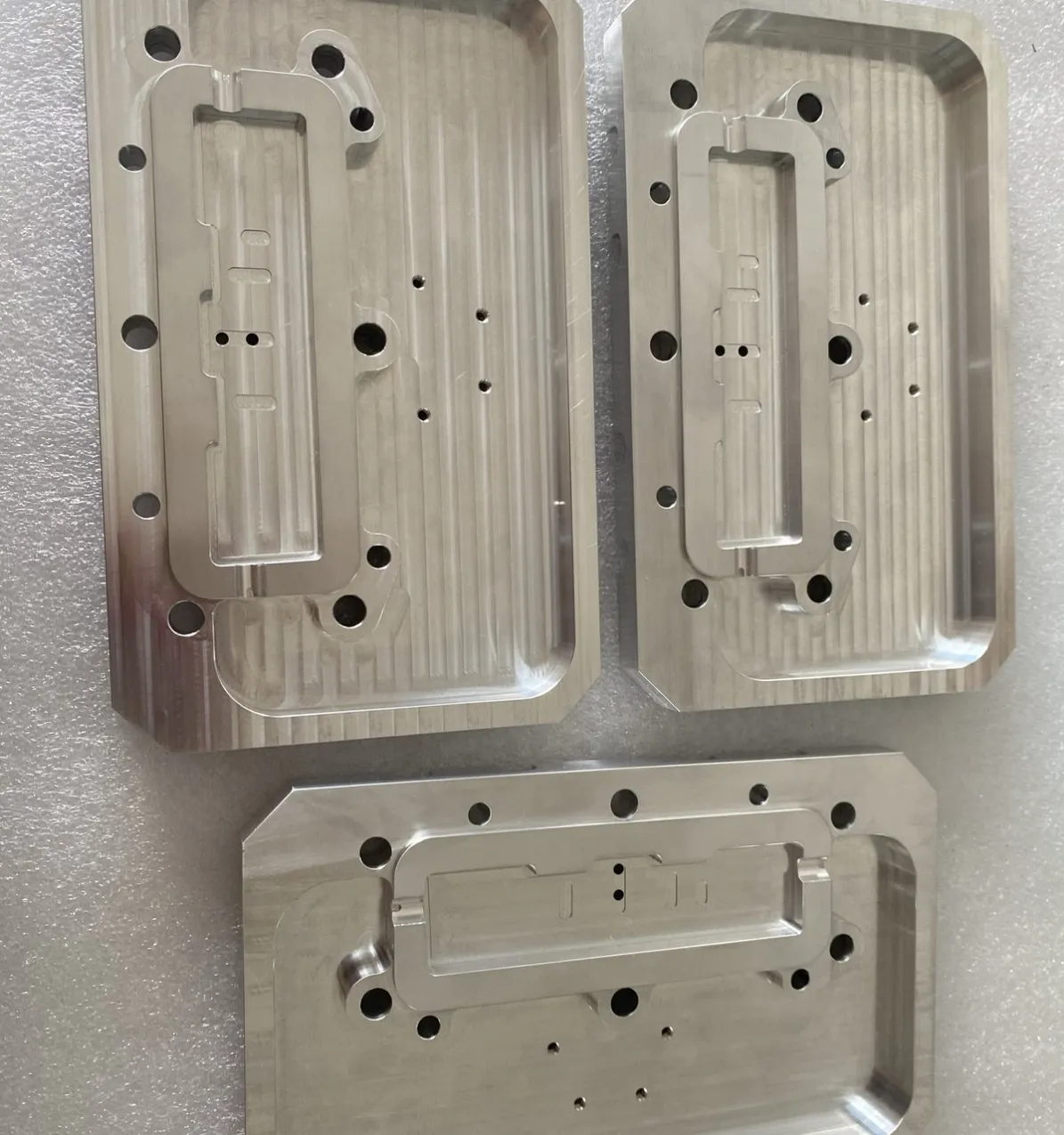
Billet is solid stock: bar, plate or block. Nothing is pre-formed, so the machine removes everything that is not your part. That is slower and turns more material into chips, but it puts no limit on the geometry — pockets, steps, bosses and walls of different thicknesses can sit anywhere.

When extrusion wins
Extrusion is the right start when the part is long and its cross-section does not change along the length:
- Rails, channels and frames. A constant profile cut to length needs only end machining — drilled and tapped holes, milled notches, cutouts — instead of hours of pocketing from solid.
- Heat sink profiles. Fins are expensive to machine one by one and cheap to extrude. A finned profile in 6063-T6 aluminum, cut to length and machined at the mounting faces, is the standard route.
- Enclosure bodies. A tube or channel profile can form the main body of a housing, with machined end plates closing it off — one of the three routes in our guide to custom aluminum enclosures.
The limits are just as clear: the cross-section cannot vary along the length, wall thickness is set by the profile rather than by your drawing, and a custom shape needs a die before the first meter (39.4") can be extruded. The cost case rests on repetition — once the profile exists, most of the material in the finished part was never machined at all.
When billet wins
- Complex three-dimensional shapes. Pockets at different depths, intersecting bores, angled faces and local bosses cannot come out of a constant profile.
- Thick walls and solid sections. Where a part needs real thickness for stiffness or a threaded boss, solid stock provides it anywhere.
- Small quantities and prototypes. A few dozen parts rarely justify a die. Machining from 6061-T6 aluminum billet is the fastest way to a first article you can test.
- Higher-strength alloys. Where the design calls for 7075-T6 aluminum, billet is the usual starting point, as our aluminum alloys guide explains.
The cost of that freedom is machining time and material: a deeply pocketed part may start as a block several times its finished weight, and most of it leaves as chips.
Side by side
| Question | Extrusion | Billet |
|---|---|---|
| Best geometry | Constant cross-section, long parts | Varying 3D geometry, pockets, bosses |
| Wall thickness | Set by the profile | Free, anywhere on the part |
| Typical alloy | 6063-T6 aluminum | 6061-T6 aluminum, 7075-T6 aluminum |
| Material waste | Low — shape is pre-formed | Higher — excess is machined away |
| Best quantities | Repeat runs, longer parts | Prototypes and small batches |
A note on 6063-T6
Extrusion profiles on our site are written as 6063-T6 aluminum, and that is the alloy to expect unless a drawing says otherwise. 6063 was developed for extrusion: it flows well through a die, gives a smooth surface that anodizes cleanly, and has enough strength for housings, frames and heat sinks. It is not the strongest alloy — a bracket that needs 7075-T6 aluminum belongs on the billet route — our comparison of aluminum alloys: 6061, 7075, 2024 and 6082 shows where each grade fits — but for long, constant-section parts it is the right balance.
Surface finishing, either way
The starting stock does not limit the finish. Both extruded and billet parts can be bead blasted and anodized, powder coated, or given a chem film conversion coating where a conductive surface is needed. Two points matter:
- Anodizing shows the surface it covers. Profiles can carry fine die lines along the length; bead blasting before anodizing evens the appearance out — our standard sequence for visible parts.
- Machined features come first. Finishing happens after cutting and milling, so cut edges and holes get the same coating as the rest of the part.
The hybrid route: extrude, then machine
Many parts sit between the two extremes, and they are often the most economical of all. The profile supplies the shape that repeats — the channel, the fins, the tube — and CNC machining adds everything that varies: end faces squared, mounting holes drilled and tapped, pockets and windows milled through the walls. Our article on machined aluminum extrusions covers that second step in detail.
What to send us
Send the drawing or 3D model, the quantity, and the finish you need. If the part could go either way, say so — we will quote the route that fits the geometry and batch size.
FAQ
Is an extruded part weaker than a billet part? Not by process alone. Strength follows alloy and wall thickness: a 6063-T6 aluminum profile is less strong than a 7075-T6 aluminum billet part, but that is an alloy difference, not an extrusion defect. For housings and frames, 6063-T6 is enough.
Can you machine features into an extrusion we supply? Customer-supplied material can be accepted for special cases. Send the profile details and drawing first so we can confirm section and alloy before anything ships.
When does a custom extrusion die pay off? When the same cross-section repeats — across a long part, a batch, or repeat orders. For a handful of short parts, billet is almost always faster and cheaper.
Does extrusion hold the same tolerances as billet machining? The profile itself is held to extrusion tolerances, looser than machined tolerances. Features needing a tight tolerance get machined after cutting, and are then held to the drawing like any billet part.
Can an extruded enclosure body be anodized after machining? Yes. Machining comes first, then bead blasting and anodizing, so cut edges, holes and pockets are coated with the profile surfaces.