Machined Aluminum Extrusions: Cut and Milled
Aluminum extrusions cut to length, milled, drilled and finished: extrusion housings, heatsink profiles and rail sections machined to your drawing.
Yes — we machine aluminum extrusions: cutting stock profiles to length, then milling, drilling and finishing them into finished parts such as extrusion housings, heatsink profiles and rail sections. The extrusion gives you the cross-section cheaply; the machining turns it into the part your drawing actually describes. Send the drawing and the quantity and we will quote it — inquiries are answered within 8 hours and quotes usually come back within 24 hours.
What we typically make from extrusion
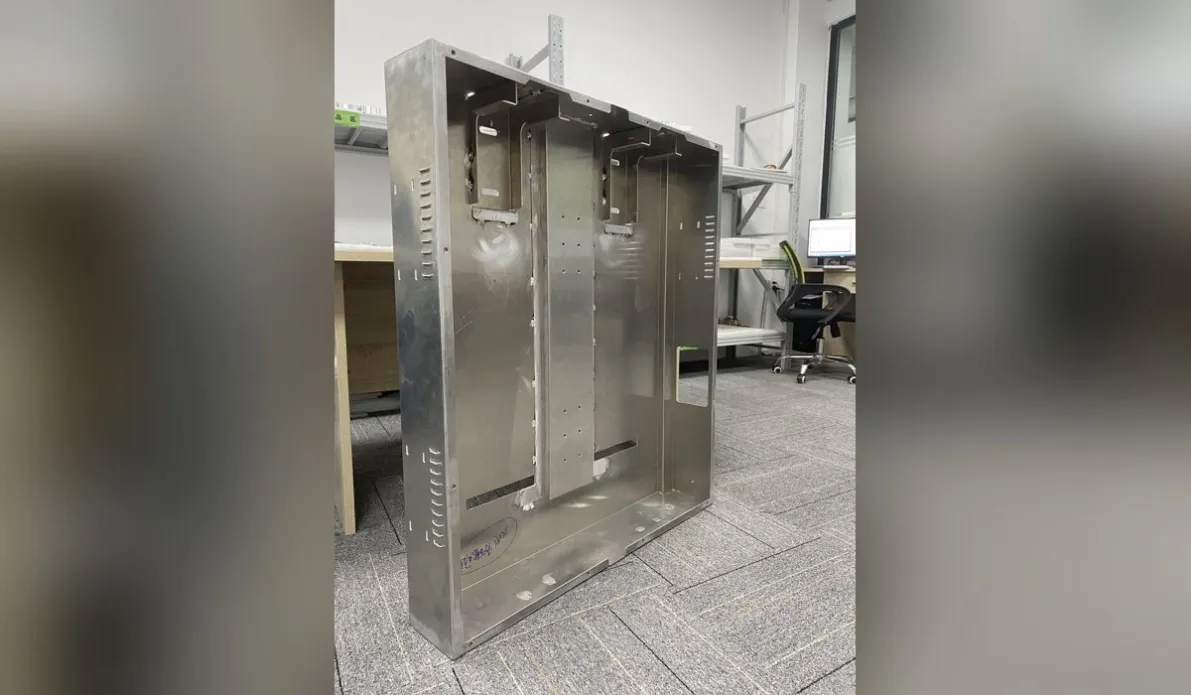
- Extrusion housings and enclosures — box-section profiles closed with end plates, with milled openings for connectors, displays and vents. A common build for instruments and control boxes.
- Heatsink profiles — finned sections cut to length, with the mounting face milled flat, holes drilled for the devices, and threads where the assembly needs them.
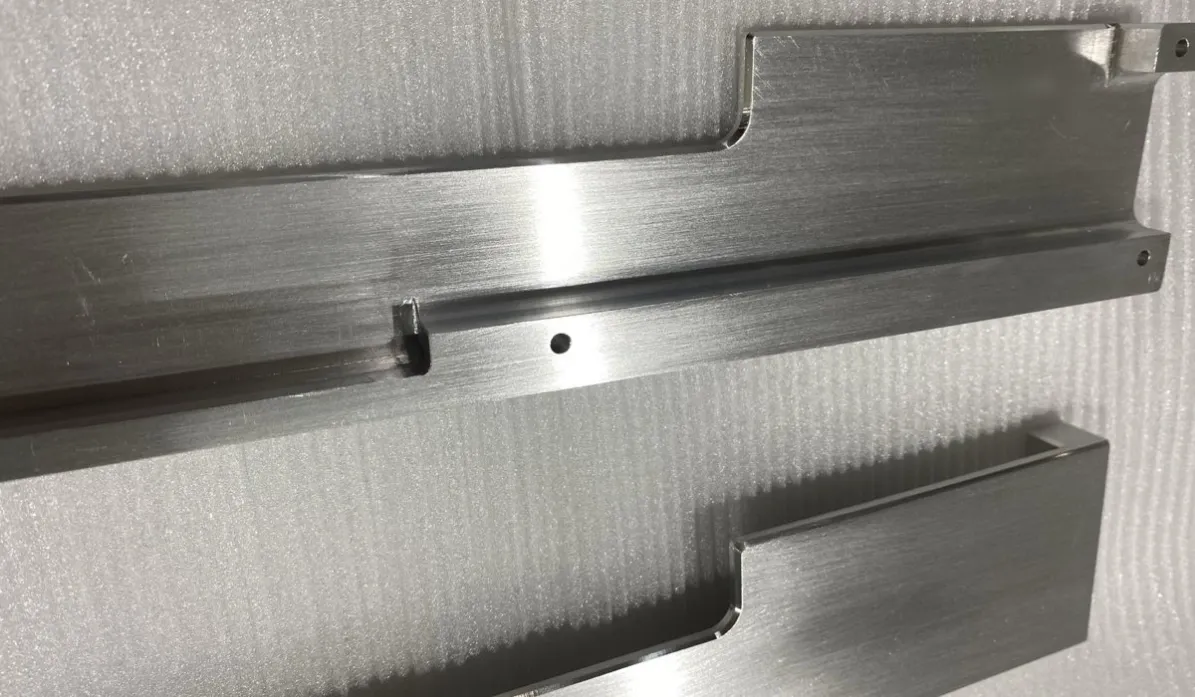
- Rail and guide sections — slide rails, linear guide supports and frame members that need accurate end faces, hole patterns along the length, or milled pockets the raw profile does not have.
- Frame and channel parts — angle, channel and T-slot sections cut, mitred or squared, drilled and finished as equipment frames and covers.
Quantities are usually prototypes and small batches — the stage where buying your own die or committing to long stock lengths does not yet make sense, or where the profile is a standard section anyone can buy.

Material: 6063-T6 aluminum, and what else
Most extrusion work we see is 6063-T6 aluminum. It is the standard extrusion alloy for a reason: it pushes through the die cleanly into fine detail, it takes anodizing better than any other common aluminum grade, and it is strong enough for housings, frames and heatsinks. When a buyer says "extrusion", 6063-T6 aluminum is what they almost always mean.
6061-T6 aluminum extrusions also exist and machine a little more crisply, but the range of available profiles is smaller. 6005A and 6082 sections appear on structural parts, mostly from European drawings. If your drawing names a grade, we source to it; if it just says "aluminum extrusion", we will quote 6063-T6 aluminum and say so on the quote, so there is no silent substitution.
The machining operations that matter
Cutting to length. Saw cutting is fast, but the length tolerance and the squareness of the end are only as good as the saw setup. Where the end face is a sealing face, a locating face, or simply visible, we mill the ends after sawing — that is what gets the length to ±0.1 mm (±0.004") and the end properly square to the profile.
Milling the features the die could not make. Windows, pockets, connector cut-outs, recesses for end plates, slots that stop partway along the length — all of this is ordinary 3-axis milling work, done with the profile fixtured along its length so long parts do not bow away from the cutter.
Drilling and threading along the length. Hole patterns for mounting feet, device screws on heatsinks, and end-plate fixings. On finned profiles, the same care applies as on our heatsink housings for power electronics: thin fins need support during cutting, and the device mounting face has to finish flat, or the heat does not transfer.
End machining. Mitres, steps, tenons and end-face pockets that let sections join into frames and boxes. This is the work that decides whether a frame assembles square or needs persuading.

A word on tolerances
Extrusion itself is not a precision process — wall thickness, straightness and twist all have their own standard tolerances, and they are looser than machining tolerances. The practical rule: dimensions formed by the die are extrusion tolerances; dimensions we machine are machining tolerances. Faces we mill, holes we drill and lengths we cut and face can be held to our standard ±0.1 mm (±0.004"), and ±0.01 mm (±0.0004") on specific features where the drawing calls for it. If a die-formed surface has to be precise, the drawing needs to let us machine it — we will flag that at the quote stage if it is missing.
Surface treatments
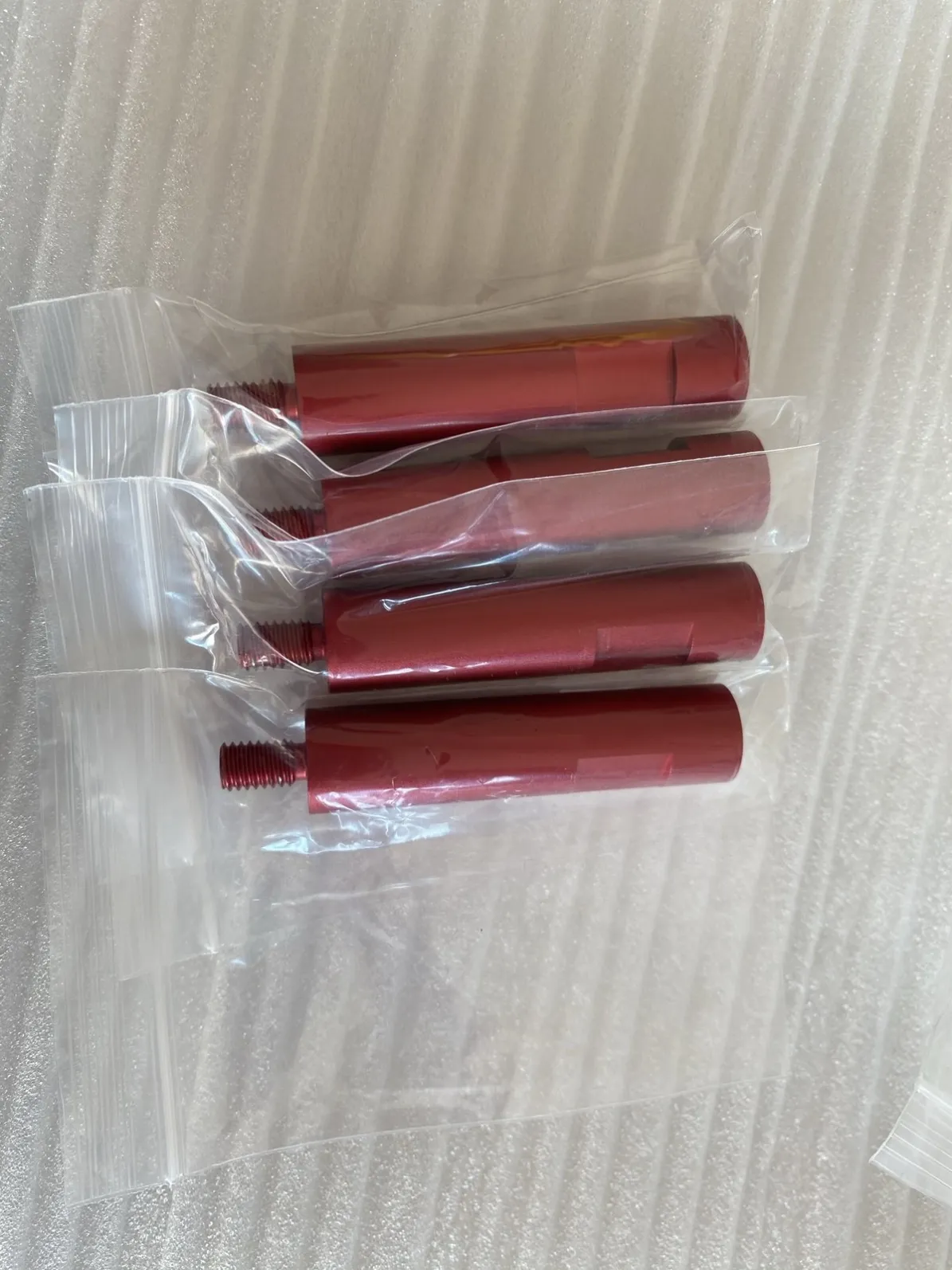
Extrusions are usually finished after machining, so the cut ends and milled features get the same finish as the rest. Clear or black anodizing per MIL-PRF-8625 (formerly MIL-A-8625) Type II is the standard choice, and 6063-T6 aluminum anodizes with the most even color of the common grades. Powder coating is the other regular option for frames and housings — our article on powder coating sheet metal parts covers film thickness and masking, and the same rules apply to extrusions. Threads and grounding faces can be masked on request.
Extrusion, sheet metal, or machined from solid?
If the part is a long prismatic shape with the same cross-section throughout, extrusion plus machining is usually the cheapest route by a wide margin. If it is a box with folded features and thin walls, sheet metal wins. If the cross-section changes along the length or the part is compact and complex, machining from solid is the honest answer. Our comparison of machined vs sheet metal vs extruded aluminum enclosures walks through the choice in more detail.
What to send for a quote
The drawing or 3D model, the profile section (or a sketch of the cross-section with dimensions), the finished length, the finish and the quantity. If the profile is a standard section, naming it saves a round of questions; if it is your own die profile, send the section drawing and we will work from that. Small-batch prototypes typically take 3–5 days, and simple parts can ship in 24–48 hours depending on complexity. Send your drawing for a quote via our contact page.
FAQ
Can you machine extrusions we supply ourselves? Yes — for special grades you can supply your own extrusion; tell us at quote stage and we will confirm. For standard grades we normally source the profile ourselves, and material certificates are available on request. The grade on the quote is the grade we buy, in writing.
How long a part can you machine? Our milling travel runs up to approx. 750 mm (29.5 in) in the X direction, which covers most extrusion machining in one setup. Longer sections come up regularly — send the drawing and we will confirm how we would handle it rather than guess.
Is 6063-T6 aluminum strong enough for a structural frame? For instrument frames, housings and light structural work, yes — it is the grade those parts are normally made from. Where the drawing needs more strength, 6082 or a machined-from-solid design is the step up, and we will say so at the quote stage if your loads suggest it.
Can you anodize after machining so the cut ends match? Yes, and that is the normal order of operations: machine first, finish last, so sawn ends, milled windows and drilled holes all carry the same anodize or powder coat as the original profile surface.
Do the machined faces hold the same tolerance as a part milled from solid? The features we machine, yes — ±0.1 mm (±0.004") standard. Surfaces left as-extruded keep extrusion tolerances, which are looser; if a die-formed face needs to be precise, tell us and we will machine it.