Aluminum Alloys Compared: 6061-T6, 7075, 2024, 6082
6061-T6, 7075, 2024 or EN AW-6082-T6 aluminum? Strength, corrosion resistance, anodizing and cost compared, so you can pick the right aluminum grade for your part.
Four aluminum grades cover the great majority of machined parts we quote — and they are not interchangeable. The short version: 6061-T6 aluminum is the default, and most parts should stay with it. EN AW-6082-T6 is its European structural cousin, a small step up in strength. 2024 aluminum earns its place on fatigue-loaded parts with an aircraft heritage. 7075 aluminum is the strength specialist: close to twice as strong as 6061-T6 aluminum, at a higher price and with corrosion resistance you have to manage rather than assume.
Here is how the four compare, property by property.
The four grades at a glance
Typical values for the tempers named; exact figures vary by product form and supplier.
| Grade | Typical tensile strength | Corrosion resistance | Weldable | Anodizing | Relative cost | Typical parts |
|---|---|---|---|---|---|---|
| 6061-T6 aluminum | ~310 MPa | Very good | Yes | Excellent, clear and colors | $ | Housings, brackets, plates, general parts |
| EN AW-6082-T6 | ~340 MPa | Very good | Yes | Very good | $ | Structural parts, European-spec equipment |
| 2024-T3 aluminum/T351 | ~470 MPa | Poor, needs protection | No (fusion) | Fair, often painted instead | $$ | Fatigue-loaded and aerospace-heritage parts |
| 7075-T6 aluminum | ~570 MPa | Fair to poor | No (fusion) | Good in clear/black, colors can vary | $$$ | Motorsport, high-strength lightweight parts |
6061-T6 aluminum: the default, for good reasons
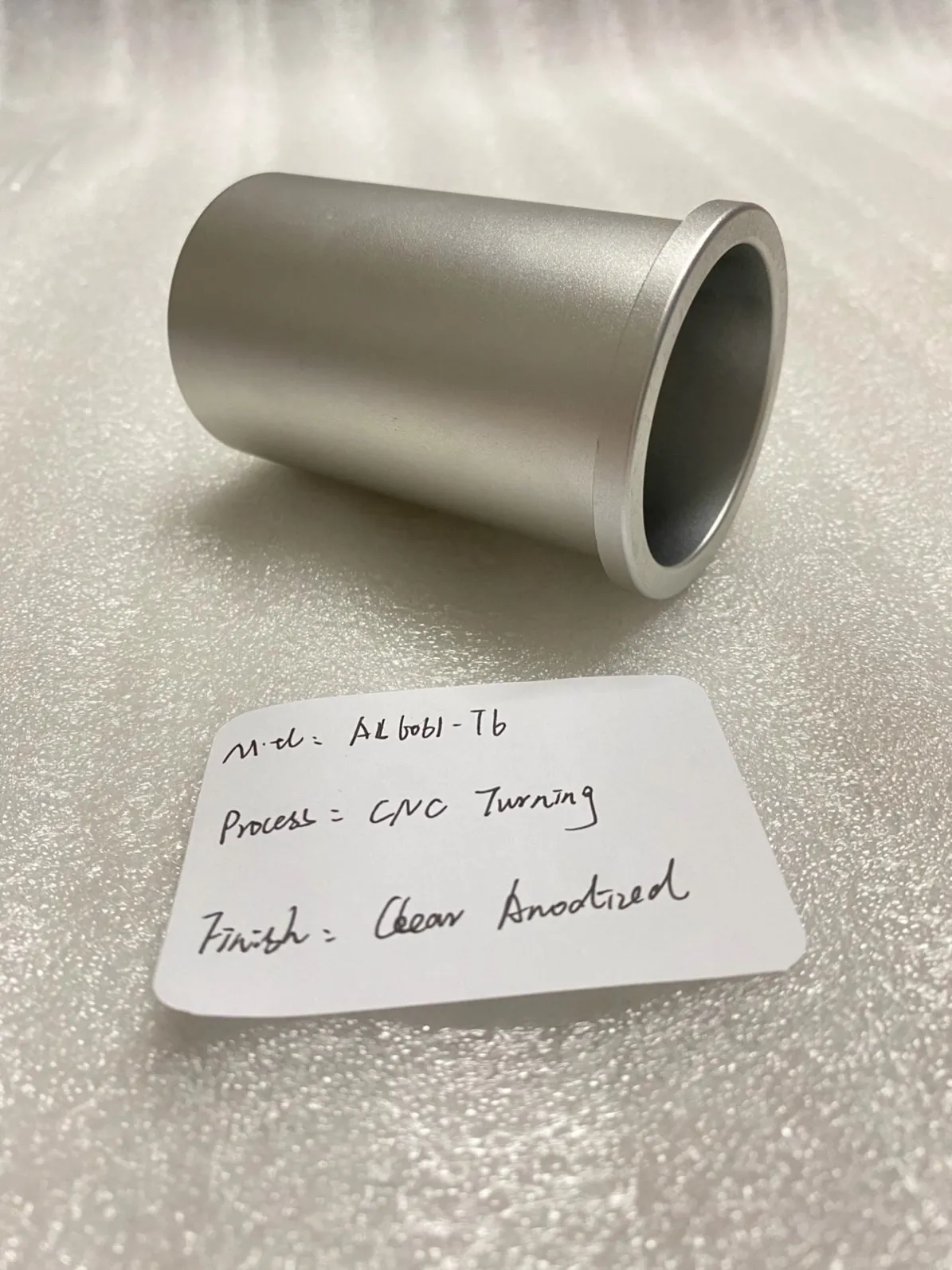
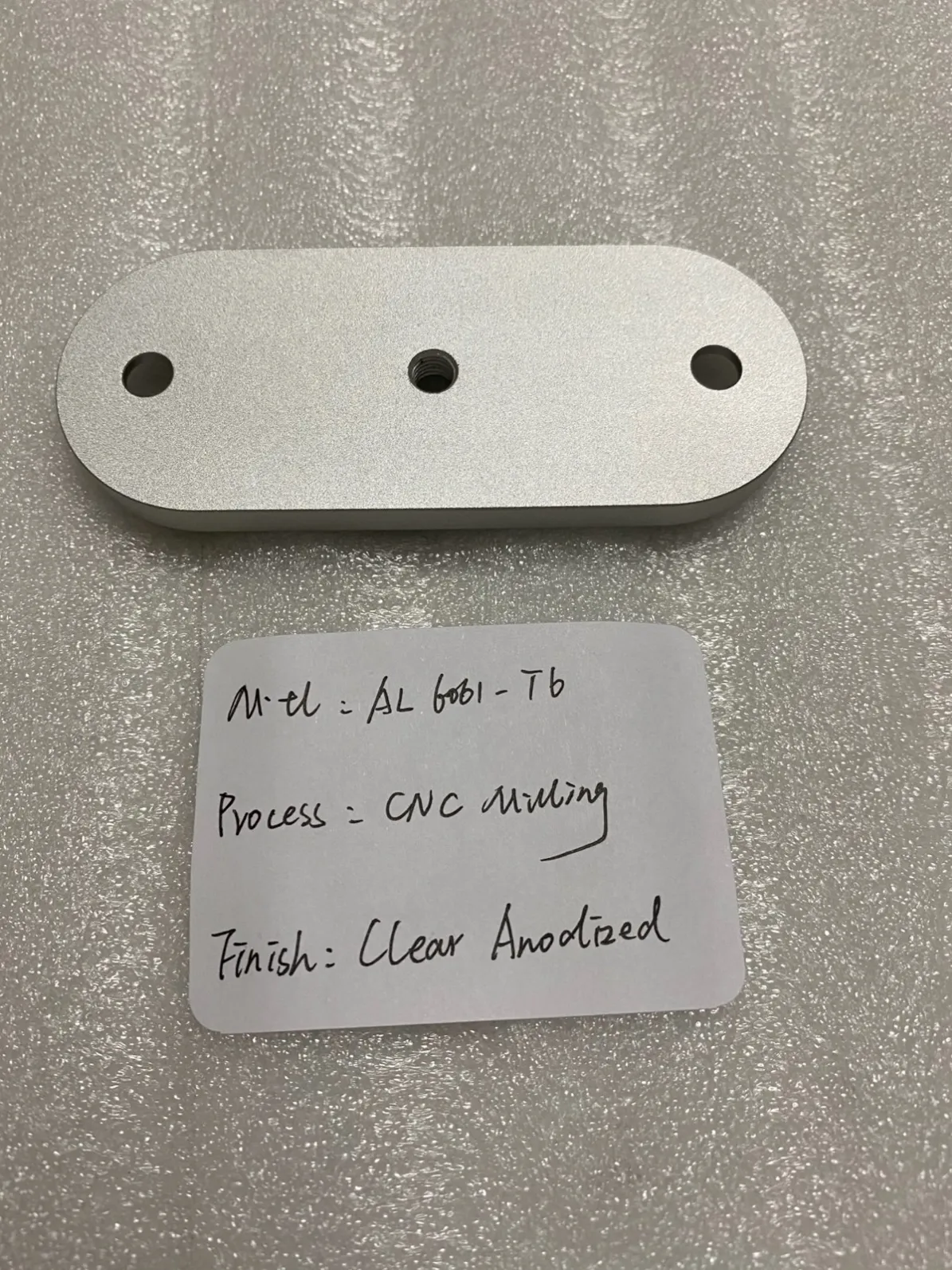
6061-T6 aluminum is the grade most aluminum parts should be made from. It machines cleanly, resists corrosion in normal environments without any coating, welds properly, and takes anodizing — clear, black or colors — better than any other grade on this list. Its strength is mid-range, and for housings, covers, brackets, mounting plates and the majority of equipment parts, mid-range is enough.
It is also the easiest grade to source in plate, bar and extrusion almost anywhere, which keeps both price and lead time down. If a drawing just says "aluminum," 6061-T6 aluminum is what most shops will quote, and most of the time they are right to.
EN AW-6082-T6: the European structural grade
6082 is a European designation, written in its full EN form — EN AW-6082-T6. It belongs to the same family as 6061-T6 aluminum but is the strongest of the common 6xxx-series alloys, with typical tensile strength around 340 MPa. It keeps the family virtues — good corrosion resistance, weldability, good anodizing — and is stocked heavily in Europe, where it is the standard structural aluminum for machine frames, transport equipment and load-bearing parts.
For European customers especially, EN AW-6082-T6 is often the natural specification. If your part is a structural 6061-T6 aluminum design that wants a little more margin, or your drawing comes from a European engineering office, EN AW-6082-T6 is usually the answer rather than a jump all the way to 7075 aluminum.
2024 aluminum: strong, fatigue-resistant, and not to be left bare
2024 aluminum gets its strength from copper, and copper is also its weakness. Strength and fatigue performance are well above the 6xxx grades — this is a classic aircraft alloy — but corrosion resistance is the poorest of the four. Bare 2024 aluminum in a damp environment will corrode, so parts are normally anodized and painted, or made from clad sheet for panel work.
It is not fusion-weldable, and anodizing is less decorative than on 6061-T6 aluminum: the coating is thinner and colors are muted, so many 2024 aluminum parts are painted after a conversion coating instead. Choose 2024 aluminum when fatigue life or its strength-to-weight ratio is the actual requirement — typically aerospace-heritage and high-cycle parts — and budget for the protective finish from the start.
7075 aluminum: when strength is the whole point
7075 aluminum is the grade engineers reach for when an aluminum part has to do a steel part's job at half the weight. At roughly 570 MPa typical tensile strength in T6 temper, it is in a different class from 6061-T6 aluminum and EN AW-6082-T6, which is why it dominates motorsport and high-performance applications (see our CNC machining for motorsport parts).
The costs of that strength:
- Corrosion resistance. 7075 aluminum is noticeably worse than the 6xxx grades. Outdoor or damp service needs anodizing or another protective finish, planned from the start.
- Anodizing behavior. Clear and black anodizing work well. Dyed colors can come out less even than on 6061-T6 aluminum because of the alloy's zinc and copper content — if a part is cosmetic and colored, 6061-T6 aluminum is the safer specification.
- No fusion welding. Assemblies must be bolted, bonded or redesigned as one piece.
- Price. Both material and machining cost more than 6061-T6 aluminum.
Used where its strength is genuinely needed — highly loaded brackets, motorsport components, lightweight parts machined thin to save grams — 7075 aluminum is worth every cent. Used as a default "upgrade" on an ordinary housing, it buys cost and corrosion risk in exchange for strength nobody asked for.
How to choose, in order
- Does the part carry serious load or need minimum weight at high strength? 7075 aluminum, with a protective finish planned.
- Is fatigue life the design driver, in an aerospace-style application? 2024 aluminum, anodized and painted.
- Is it a structural part on a European drawing, or a 6061 part that wants slightly more strength? EN AW-6082-T6.
- Everything else: 6061-T6 aluminum. It is the cheapest to buy, the easiest to machine and the best to anodize.
Still weighing aluminum against other metals entirely? Our CNC machining materials guide puts aluminum next to stainless steel, carbon steel, brass and titanium. And if you send a drawing to our CNC machining team with the grade left open, we will recommend one of these four against your actual loads and environment before quoting — not after.
Write the full grade and temper
With aluminum, the temper is half the specification. "7075" without a temper, or "6061" in an unspecified condition, can mean material with very different strength. Write it the way you want it supplied:
- 6061-T6 aluminum (or -T651 for plate, stress-relieved)
- EN AW-6082-T6
- 2024-T3 aluminum or -T351
- 7075-T6 aluminum (or -T651)
One line on the drawing, and every quote you receive is for the same material.
FAQ
How much stronger is 7075 aluminum than 6061-T6 aluminum? Roughly 80% higher in typical tensile strength (about 570 MPa vs 310 MPa). That gap is real, but it only matters if your part is actually strength-limited — most housings and brackets are stiffness- or geometry-limited instead.
Can 7075 aluminum be anodized? Yes. Clear and black anodizing are routine on 7075 aluminum, and hard anodizing is available where wear resistance matters. Dyed colors can be less even than on 6061-T6 aluminum, so cosmetic colored parts are usually better specified in 6061-T6 aluminum.
What is the difference between 6061-T6 aluminum and EN AW-6082-T6? Same family, similar behavior. EN AW-6082-T6 is somewhat stronger and is the standard structural grade in Europe; 6061-T6 aluminum is the standard in North America and anodizes slightly better. For most parts they are close substitutes — tell us if a swap is acceptable and we will quote whichever is faster to source.
Is 2024 aluminum suitable for outdoor use? Not bare. Its corrosion resistance is the weakest of the four grades here. Outdoors it needs anodizing plus paint, or a clad product form, and even then it is rarely the economical choice — 6061-T6 aluminum or EN AW-6082-T6 usually serve better.
Which grade do motorsport teams use? 7075 aluminum is the common choice for highly loaded machined parts, with 6061-T6 aluminum for brackets, housings and less stressed components. The deciding factors are strength-to-weight and how thin the part can safely be machined.
Does the grade change the machining price much? Somewhat. 7075 aluminum and 2024 aluminum cost more as material and machine a little slower than the 6xxx grades; 6061-T6 aluminum and EN AW-6082-T6 are the economical pair. On small batches the difference is modest next to setup and finishing.