Vacuum Casting for Small Batches: Silicone Molds for 10 to 100 Plastic Parts
Vacuum casting for small batches of 10 to 100 plastic parts: silicone molds from a CNC master, PU resins that simulate ABS, PP and rubber, ±0.3 mm standard tolerance.
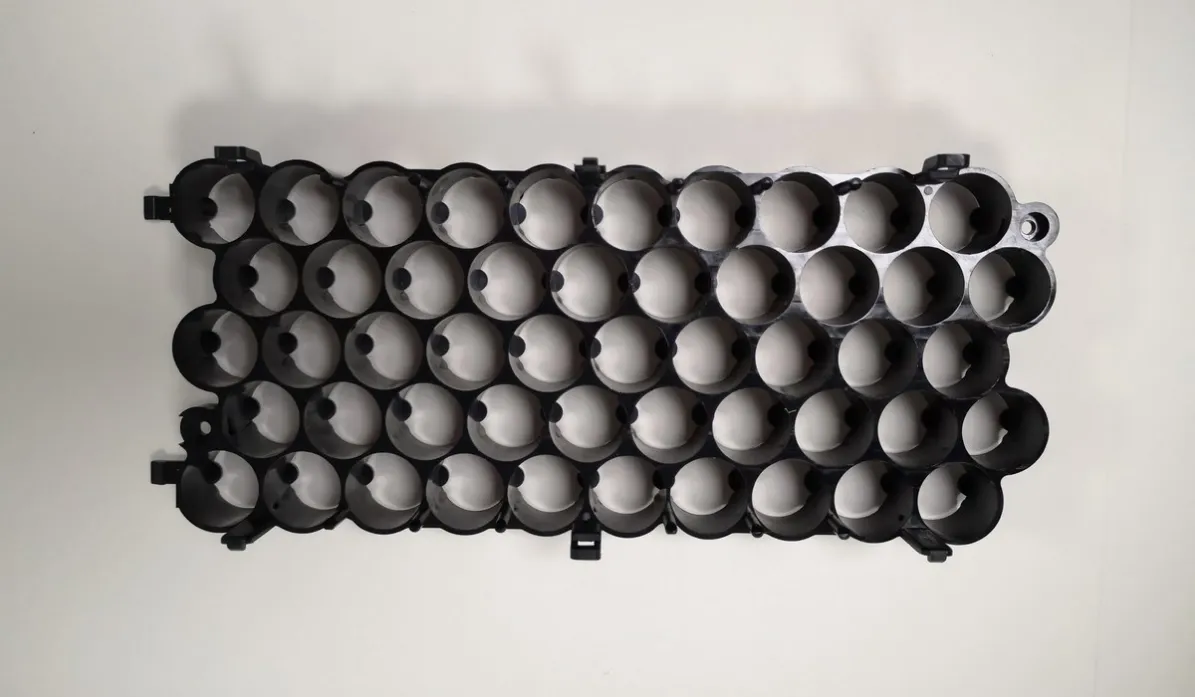
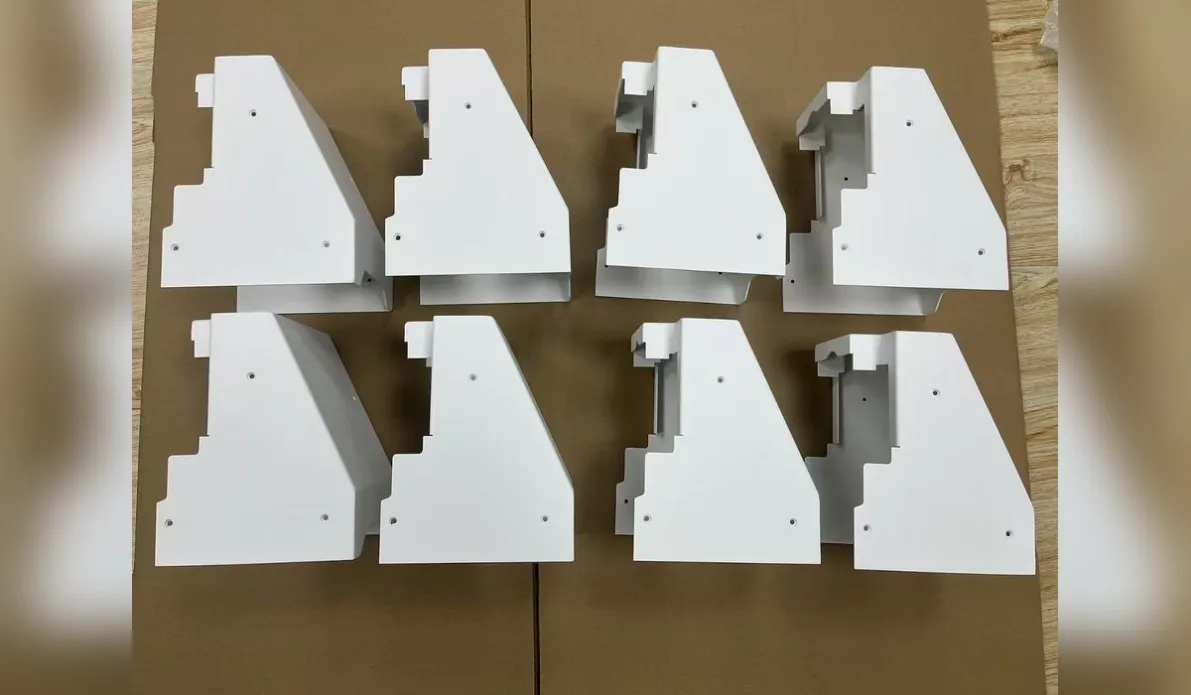
When you need 10 to 100 plastic parts that look and feel like molded parts, but the design is not ready for a steel mold, vacuum casting is usually the right answer. A master pattern is used to make a silicone mold, and polyurethane resin is cast into that mold under vacuum. The parts come out with the shape, colour and surface texture of the master — close enough to injection molded parts for fit checks, user trials, photo samples and early sales units — at a fraction of the cost and lead time of hard tooling.
When Vacuum Casting Is the Right Choice
Vacuum casting earns its place in a few specific situations:
- The design is nearly there but not frozen. If there is still a real chance of a change after testing, a silicone mold is cheap to remake; a steel mold is not.
- You need more than a handful. One or two parts are cheaper machined or printed. From about 10 pieces up, casting starts to win, and it stays sensible up to around 100 pieces.
- The parts have to look right. Cast parts take colour in the material and copy the master's surface, including fine texture, so they work for marketing photos, trade shows and customer evaluation in a way a machined block never will.
- You need working assemblies. Housings with walls, ribs, bosses and snap features cast well, and a full set of parts from the same master fits together the way the final product should.
If the design is frozen and the quantity is heading past a few hundred, that is injection molding territory — see our comparison of vacuum casting vs injection molding for where the crossover sits.
How It Works
The process has three steps, and it is worth understanding them because they explain both the strengths and the limits.
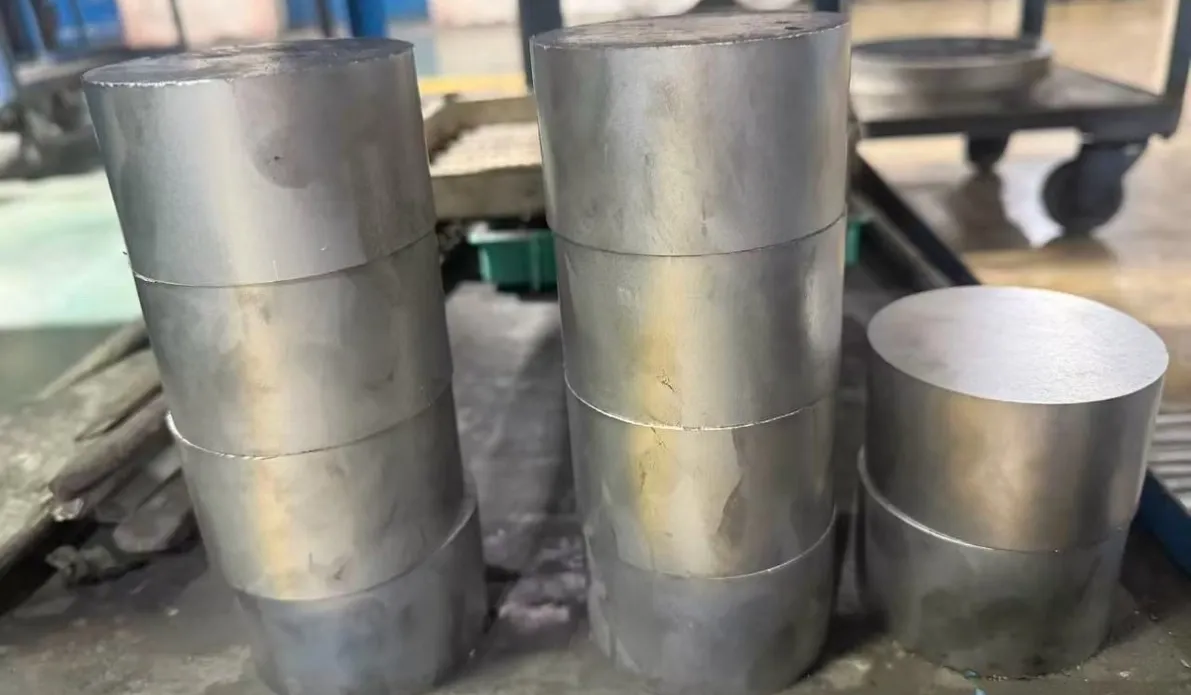
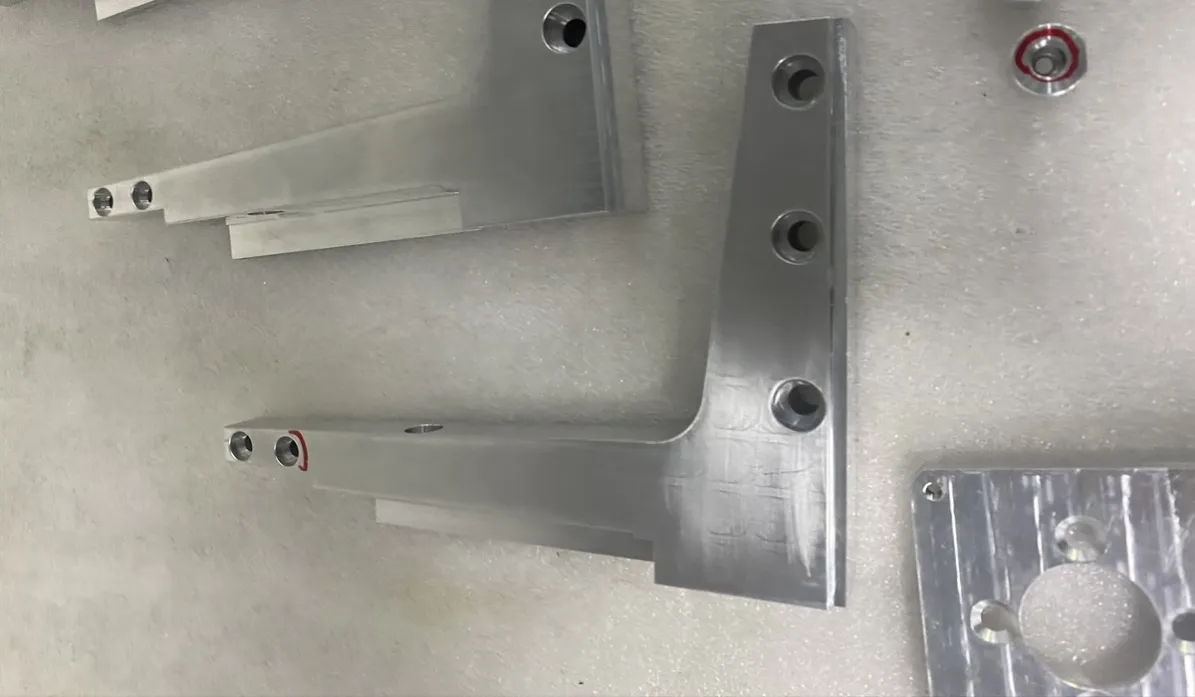
First, a master pattern is made — normally a CNC machined part, finished to the surface you want the cast parts to have. The master is the single source of truth: every cast part copies it, including its mistakes, so the master gets checked carefully before any silicone is poured.
Second, liquid silicone is poured around the master and cured, then cut open to remove the master. What is left is a flexible mold with the part's cavity inside it, plus the gates and vents the resin will flow through.
Third, polyurethane resin is mixed, often with colour pigment, poured or injected into the closed mold inside a vacuum chamber. The vacuum pulls air out so the resin fills fine detail without bubbles. The part cures in the mold, is demolded, and the gates are trimmed off by hand. One silicone mold produces a limited run of parts before fine detail starts to soften, which is one reason the process suits batches of 10 to 100 rather than thousands.
Materials and Finish
Cast parts are made from polyurethane casting resins chosen to simulate the plastic you have in mind. In general terms, there are resins that behave like ABS for housings and covers, more flexible resins in the direction of PP for clips and living-hinge style parts, clear resins for lenses and light guides, and rubber-like resins in a range of hardnesses for grips, seals and overmold-style parts.
Two honest limits. A simulant resin is not the production plastic: it is close in stiffness, look and feel, and that is normally what a prototype batch is for, but it should not be signed off as final material data. And colour is matched to a sample or a standard colour reference, not guaranteed to a tight colour tolerance across a long run.
Surface finish copies the master. A polished master gives glossy parts; a textured or bead-blasted master gives matte parts. Paint and other secondary finishes can be applied afterwards if a specific colour or effect is needed.
Tolerances
The standard tolerance for vacuum cast parts is ±0.3 mm (±0.012"). That is looser than machining, and it is the nature of the process: resin shrinks slightly as it cures and the mold is flexible. As always, the tolerance on your drawing governs in the end — if a bore or a mating face needs to be tighter than the standard, tell us at the quote stage. Critical features can sometimes be cast oversize and finish-machined, and it is far better to plan that up front than to measure it afterwards.
Vacuum Casting vs Injection Molding
| Vacuum casting | Injection molding | |
|---|---|---|
| Tooling | Silicone mold from a master pattern | Steel mold |
| Sensible quantity | 10 to 100 parts | Hundreds and up |
| Design changes | Remake the mold, low cost | Modify steel, high cost |
| Material | PU resin simulating ABS, PP, rubber-like | Production thermoplastic |
| Standard tolerance | ±0.3 mm (±0.012") | Tighter, per drawing |
| Best for | Prototypes, trials, bridge batches | Frozen designs, production runs |
For quantities between the two, low-volume injection molding is worth a look before you decide.
What to Send for a Quote
Send the 3D model, the quantity, and the material behaviour you want — rigid like ABS, flexible, clear, or rubber-like — plus the colour and surface finish. If any feature has a tighter tolerance than ±0.3 mm (±0.012"), mark it on a drawing. We reply to enquiries within 8 hours and quotes usually go out within 24 hours. FAI, material certificates and a certificate of conformity are available on request, and we can sign an NDA before you send files.
FAQ
How many parts can one silicone mold make? A limited run — enough for typical batches of 10 to 100 parts in total, with extra molds made from the same master when the batch needs them. Fine detail softens gradually over a mold's life, so the first parts are the sharpest.
Are vacuum cast parts strong enough to use? For functional testing, assembly trials and light end use, yes. They are simulant resins, though, so treat them as very close stand-ins for the production plastic, not as the production material itself.
Can you match a colour? Yes, resin is pigmented to a sample or a standard colour reference. Send a physical sample if the colour is critical.
What tolerance should I design to? Work to ±0.3 mm (±0.012") as the standard, and call out anything tighter on the drawing so we can plan for it — the drawing tolerance governs in the end.
When should I switch to injection molding? When the design is frozen and quantities climb past a few hundred. At that point the steel mold pays for itself and you get the real production plastic.