Spray Painting vs Powder Coating
Spray paint or powder coat? Color matching, film thickness, durability, edges and masking compared — and how to write the finish into your order.
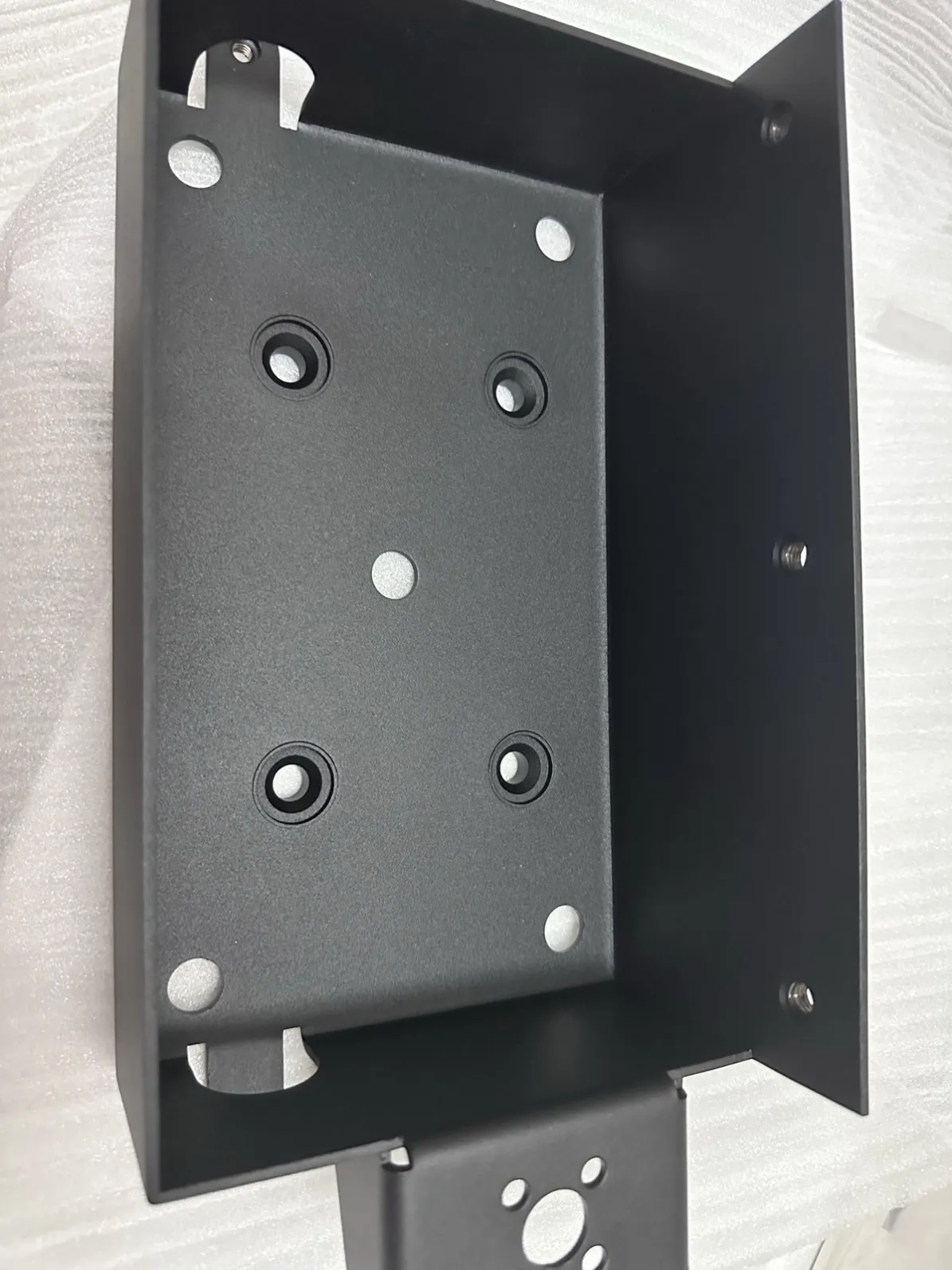
"Paint it black" can mean two quite different finishes. Spray painting and powder coating both put a colored, protective layer on a metal part, but they differ in thickness, durability, color matching, and what a small batch costs to set up. Choosing well is about the job the part has to do: an indoor panel that must match a brand color is a different problem from an outdoor bracket that will be rained on for years. This article compares the two side by side. If you already know which you need, send us the drawing — inquiries are answered within 8 hours and quotes usually within 24 hours.
The two finishes at a glance
| Spray painting | Powder coating | |
|---|---|---|
| How it is applied | Liquid paint sprayed on, air-dried or baked | Dry powder sprayed on electrostatically, oven-cured |
| Film thickness | Per drawing or paint specification | Typically 60–80 µm (0.0024–0.0031"); 80–120 µm (0.0031–0.0047") for outdoor parts |
| Color matching | Exact matches and custom colors are straightforward | Matched from standard color ranges; custom colors possible but slower |
| Durability | Good, but thinner coats chip and wear sooner | Thick, even, hard coat — the tougher of the two |
| Batch size | Economical down to a few parts | Setup suits batches better than one-offs |
| Touch-up | Easy — the same paint can be used for repairs | Hard to touch up invisibly; usually means recoating |
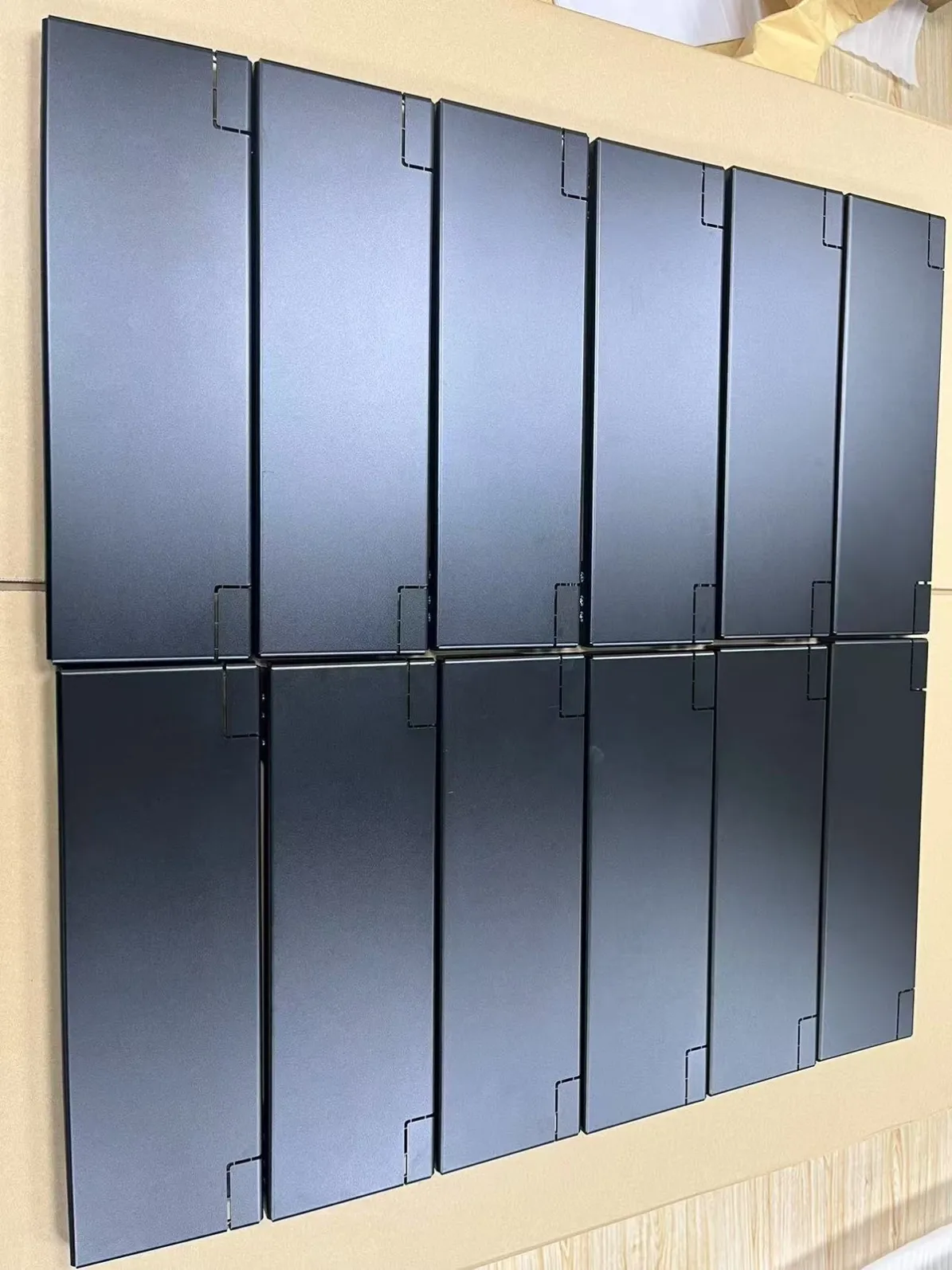
Where spray painting wins
Spray painting is the flexible option. Liquid paint can be mixed to a specific color, so a housing that must match an existing product line or a brand color is usually a paint job. Paint also goes on thin: a thin coat changes dimensions very little, keeps fine detail and engraved markings readable, and is kinder to close-fitting parts than a heavy coat.
It is also the practical choice for small quantities. A handful of prototypes, a one-off enclosure, or parts in several colors in the same order are all straightforward in paint, where each color change is a gun clean rather than a booth changeover. A painted part scratched in service can be touched up with the same paint, too. And parts that cannot take oven heat — assemblies with plastic inserts or rubber — are paint jobs, since powder cures in an oven.
Where powder coating wins
Powder coating is the durability option. The cured film is thick and even — typically 60–80 µm (0.0024–0.0031") on general industrial sheet metal parts, and 80–120 µm (0.0031–0.0047") where a part lives outdoors. Applied in a single coat, it stands up to handling, abrasion and weather better than a comparable paint film. For sheet metal enclosures, frames, covers and brackets used for years, it is the default choice — the one we detail in our guide to powder coating for sheet metal parts.
Powder also gives a consistent finish across a batch: parts coated in the same run come out the same color and texture, in matte, gloss and textured finishes. The trade-offs are in the table — color matching works from standard ranges, and a damaged coating usually means recoating the whole part.
Edges, corners and threads
The thickness that makes powder coating durable also needs managing. A coat of 60–80 µm (0.0024–0.0031") adds up on both sides of a wall and closes down holes, slots and threaded features. Sharp external corners are the weak point of any coating — the film pulls thin over a knife edge — so a small edge break before coating gives a much better result than a sharp corner under either finish.
Paint, being thinner and applied per the drawing or paint specification, is more forgiving on fine features and tight slots. For threaded holes and precision bores, the answer with either finish is usually not a thinner coat but masking.
Masking and bare-metal areas
Some surfaces must stay uncoated: grounding and electrical contact faces, threaded holes, press-fit bores, and mating surfaces where a film would change the fit. Both finishes can be masked — tape, plugs, caps, masking lacquer — so the coating stops where the drawing says.
What matters is that masked areas are defined before coating starts. Mark them on the drawing, or name them in your order ("keep the four M4 holes and the grounding face bare"), and they are protected as part of the job. An unmarked part gets coated all over, and removing cured powder from a thread afterwards is nobody's idea of fun. Masking sits alongside the other finish decisions in our overview of sheet metal finishes.
How to write the finish into your order
A finish callout that gets you the part you pictured has four pieces:
- Process — "powder coat" or "spray paint," not just "paint."
- Color — a standard color reference (RAL or Pantone) or a sample to match.
- Surface — gloss level or texture: gloss, matte, or a fine texture.
- Exceptions — masked faces, holes and threads to keep bare, and any area where appearance is critical.
With those four on the drawing, either finish is a routine order. Without them, the coater is guessing.
FAQ
Which lasts longer outdoors, paint or powder coating? Powder coating, in most cases. The thicker cured film — 80–120 µm (0.0031–0.0047") for outdoor parts — resists weather and handling better than a standard paint coat. Paint is still reasonable outdoors when an exact color match matters more.
Can powder coating match my exact brand color? It can get close from standard color ranges, and custom powder colors exist, but exact matching is slower and suits larger batches. For a precise color on a small batch, spray paint is usually the practical route.
Will powder coating block my threaded holes? It will if they are left unmasked — the film is thick enough to foul a thread. Tell us which holes and faces stay bare and they are plugged or taped before coating, so threads arrive clean.
Which is cheaper? For a few parts, spray painting usually is — less setup. As quantities grow, powder coating's single-coat coverage and batch consistency make it very competitive.
Can a part have both — powder coat outside, paint inside? It happens, where one face needs an exact color or a thinner coat, but it adds handling and masking. Most parts are better served by one finish chosen well; if yours needs both, say which faces get which and we will confirm with the quote.