Machined Motor Housings, End Bells and Flanges
Machined motor housings, end bells and mounting flanges: concentric bearing bores, flat mounting faces and anodized finishes, quoted within 24 hours.
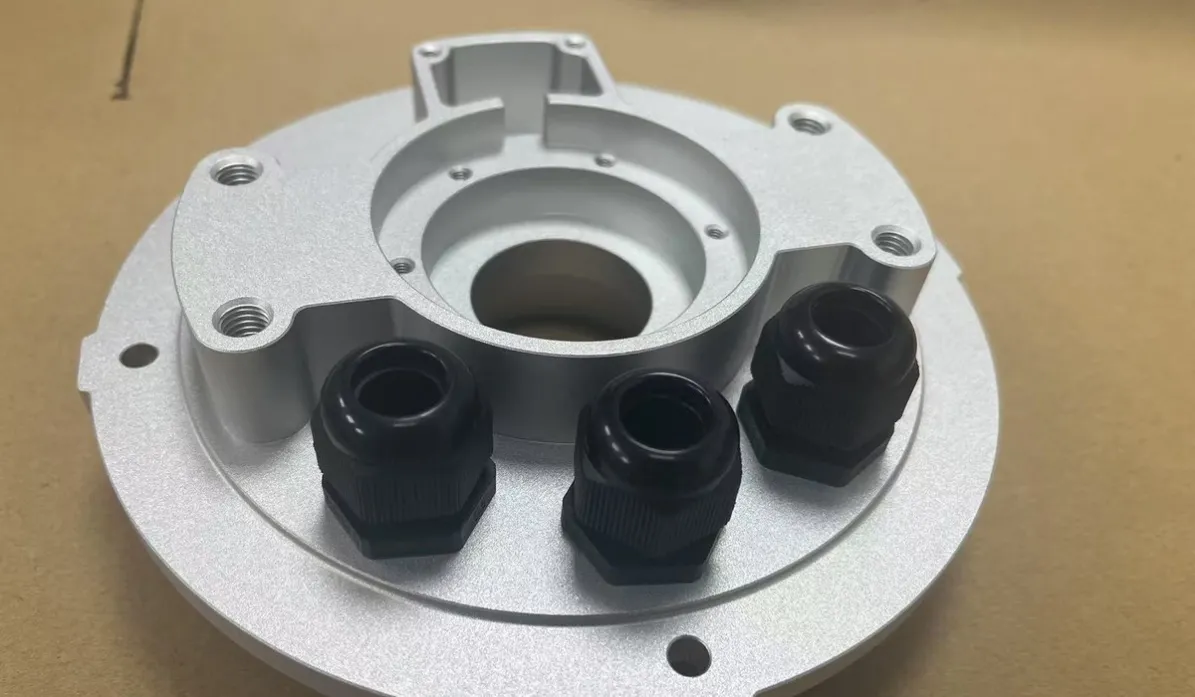
Yes — we machine motor housings, end bells (end covers) and mounting flanges, including the housings and end covers for servo and stepper motors. Most are turned and milled from aluminum bar or plate, with the bearing bore, the mounting face and the finned outside all coming off the same setup wherever possible. Send the drawing and the quantity and we will quote it — enquiries are answered within 8 hours and quotes usually come back within 24 hours.
Typical parts
The parts in this family are all variations on one theme: a round body that has to hold a shaft straight and a face that has to bolt up flat.
- Motor housings — the main body of a servo, stepper or small industrial motor, usually with fins or a smooth outside and a bore at each end.
- End bells / end covers — the caps that close the housing, carry the bearing at each end and often take the cable exit and encoder mounting.
- Bearing covers and caps — smaller covers that retain a bearing or seal a shaft opening.
- Mounting flanges and feet — the face that bolts the motor to the machine, with the pilot spigot that centres it.
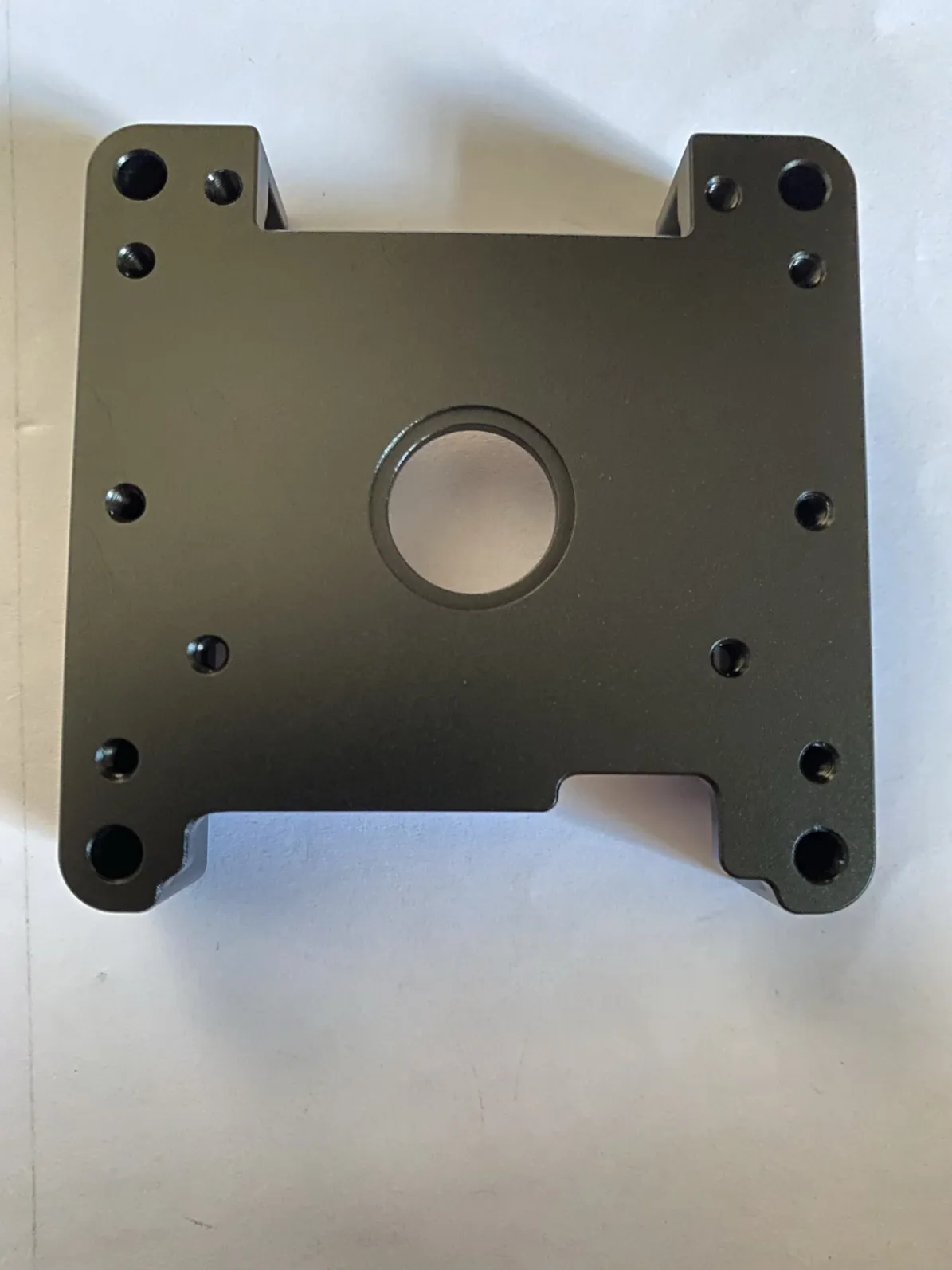
- Adapter plates — flat or stepped plates that let one motor frame size mount to another pattern.
Quantities are usually prototypes and small batches: a new drive design being proven, a variant for one machine model, or short production runs while volumes are still modest. Because the parts are machined from solid, a change of motor size or bolt pattern is a new program, not a new casting tool.
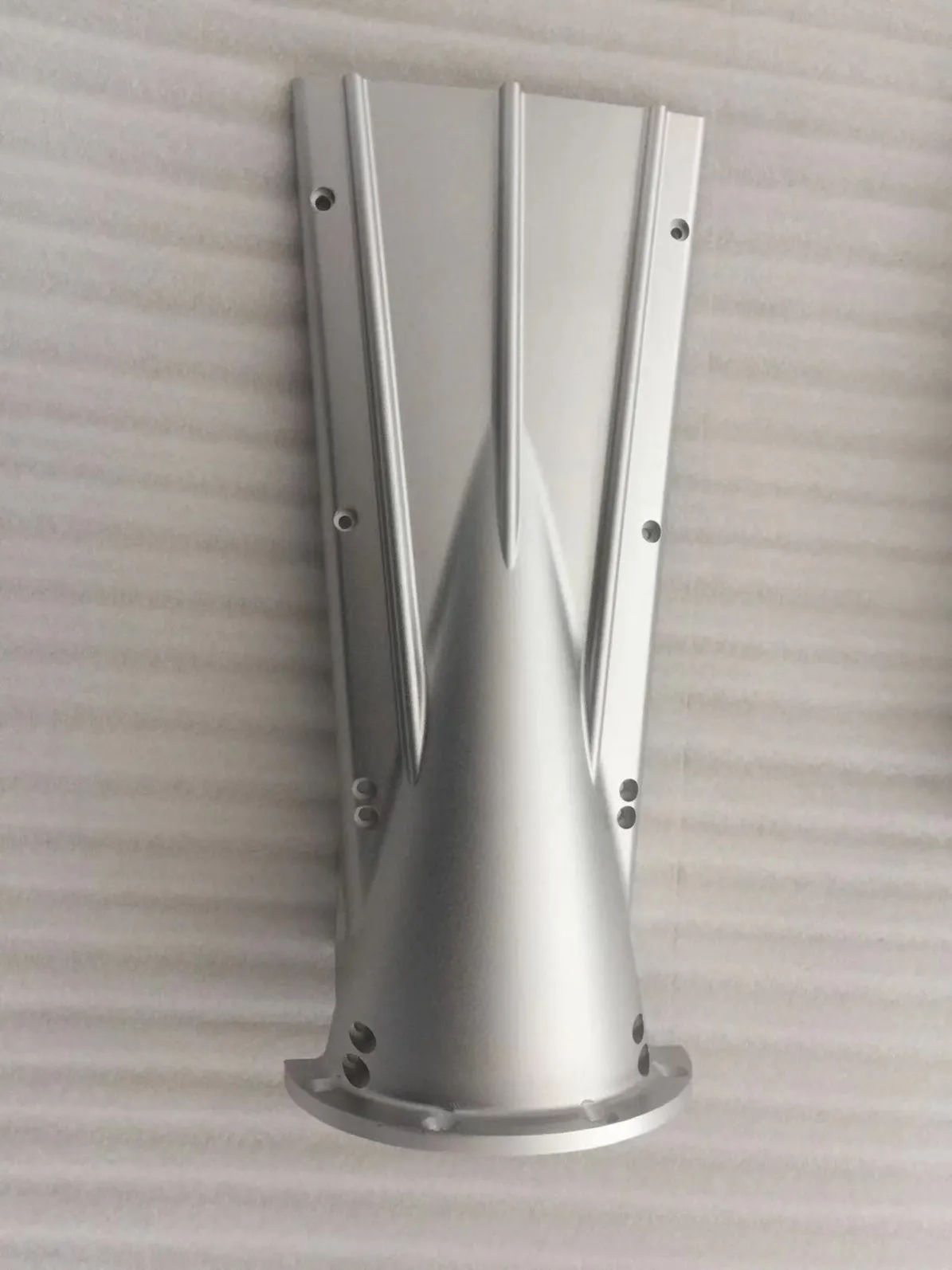
Materials
6061-T6 aluminum is the default for housings and end bells, and for good reason. It is light, it conducts heat well enough to pull warmth out of the windings, it machines cleanly and it anodizes well. Most of the housings we see are 6061-T6 aluminum from start to finish.
7075 aluminum shows up where the housing is also a structural part — a compact servo on a moving axis, for example — and the extra strength lets the walls come down thinner. It costs more and conducts heat slightly less well, so it is spent where the strength is actually needed.
Steel and stainless steel appear on flanges, shafts' companion parts and housings for harsher environments, where corrosion or thread strength matters more than weight. Our CNC machining materials guide walks through the wider trade-offs if you are still choosing.
Key requirements
Bearing bore concentricity. This is the dimension the whole part exists for. The bearing seats at the two ends of a housing must run on the same axis, and each end bell's bore must sit concentric with its pilot face — otherwise the shaft runs off-centre, the bearings wear early and the motor gets noisy. We machine opposed bores from a common datum or in one setup so the concentricity is built in, not inspected in afterwards. Bearing bores and locating faces can be held to ±0.01 mm (±0.0004") where the drawing calls for it; the rest of the part runs at our standard ±0.1 mm (±0.004").
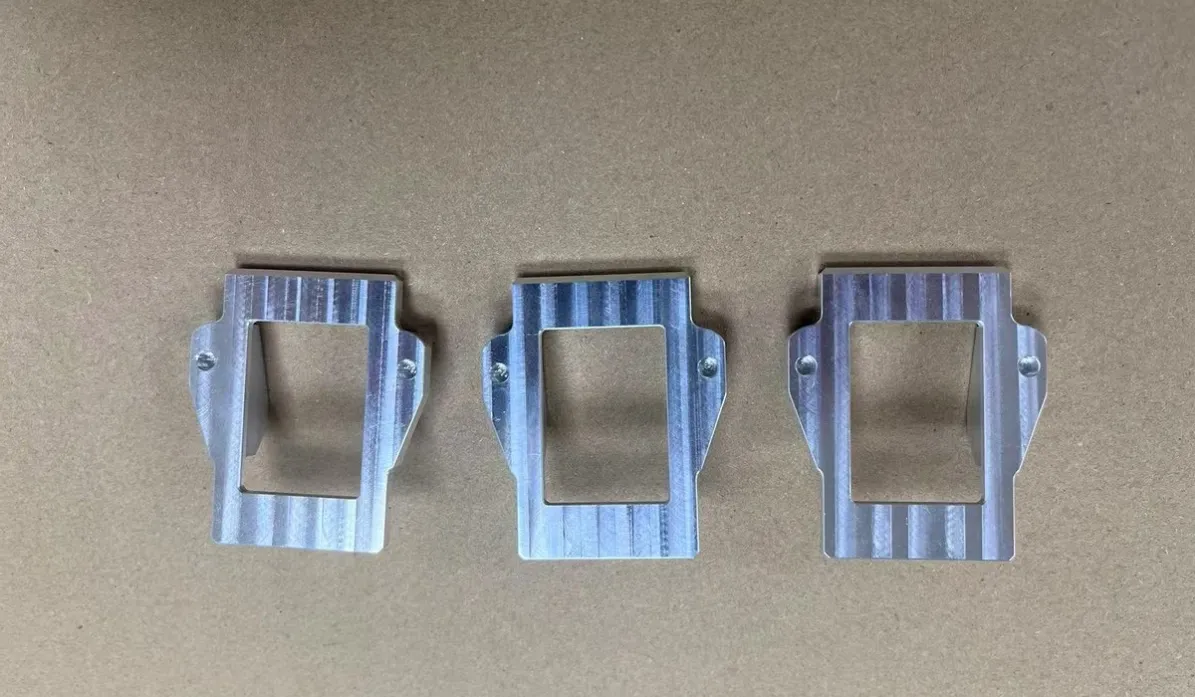
End face flatness and parallelism. The two faces of a housing, and the mating faces of the end bells, have to sit flat and parallel so the stack assembles without rocking and the air gap stays even. Tell us which faces are the functional stack faces and they get priority in machining and in inspection.
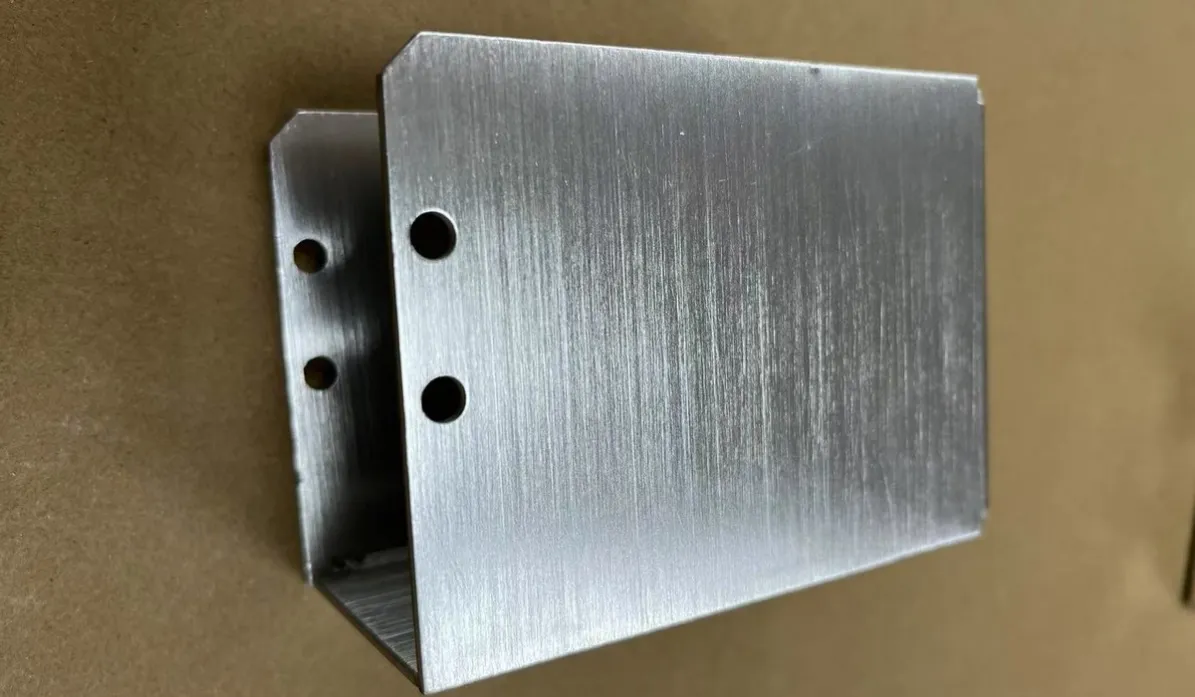
Heat dissipation. On finned housings, the fins are not decoration — they are the cooling. We machine fins as drawn, and the same thinking as our heatsink housings for power electronics applies: thin fins need support during cutting so they do not chatter or bend, and the base that mounts against the motor's heat source has to stay flat.
Allowance for balancing and assembly. Where a rotating assembly will be balanced after build, that happens on the assembled rotor, not on our housing — but the housing side of the bargain is keeping wall thickness even and bores true, so there is less imbalance to correct in the first place. If your drawing leaves stock for a later operation, say so at quote stage and we will machine to that intent rather than to finished size.
Surface treatments
Clear or black anodizing per MIL-PRF-8625 (formerly MIL-A-8625) Type II is the usual finish on aluminum housings: black where the part is visible on the machine or sits near sensors, clear where it is hidden. Bearing bores, pilot faces and grounding faces can be masked so they stay bare metal, and we machine with the anodize build-up in mind so bores still measure correctly after coating. Steel flanges are commonly black oxide or zinc plated.
Inspection and packing
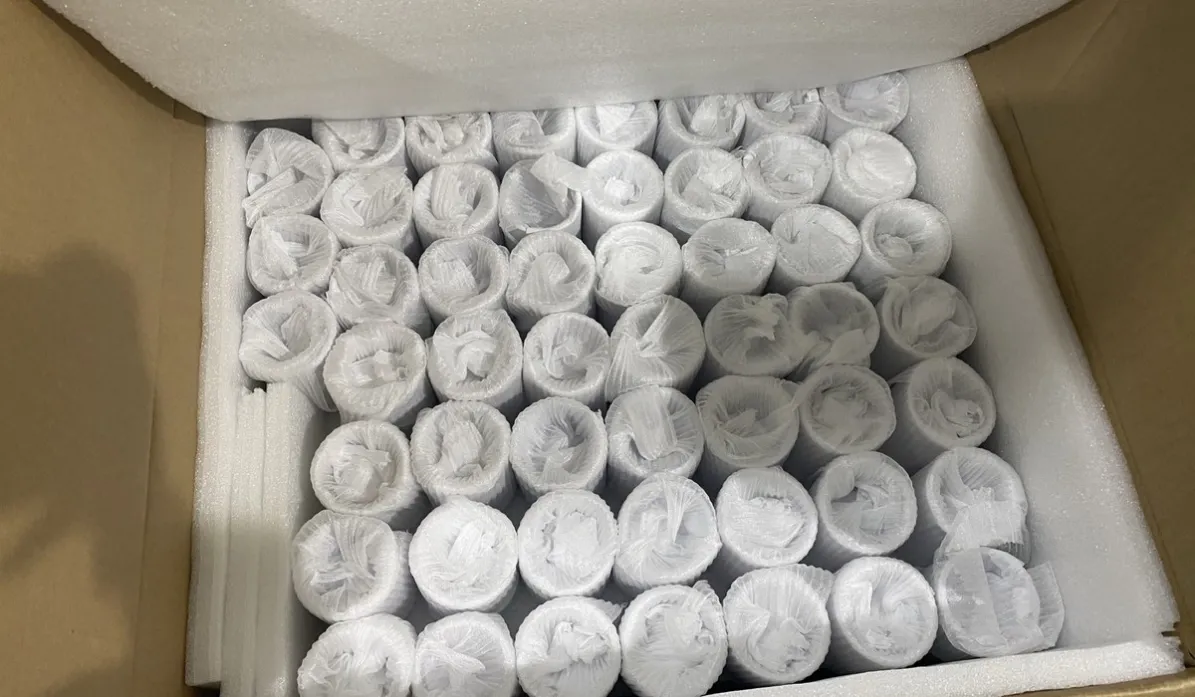
Bearing bores, pilot diameters and mounting faces are checked on every part in small batches. First article inspection with a written report is available on request, along with material certificates and a certificate of conformance. Housings are packed so finned surfaces and machined faces do not bear on each other in transit; we ship worldwide.
What to send for a quote
The drawing or 3D model, the material, the finish and the quantity. If the housing mates with end bells or a flange we are also making, send the set together — matched parts get their bores and faces checked against each other, the same reason complete sets work well on robot parts. Small-batch prototypes typically take 3–5 days, and simple parts can ship in 24–48 hours depending on complexity. We can sign an NDA before you send files. Send your drawing / sample for a quote via our contact page.
FAQ
Can you machine both the housing and the end bells as a set? Yes, and it is usually the better way to order. Bores, pilots and faces that have to agree with each other are machined and inspected as one family, so the stack assembles the way the drawing intended.
How concentric can you hold the bearing bores? Bearing seats can be held to ±0.01 mm (±0.0004") where the drawing specifies it, and opposed bores are machined from a common datum so they run on the same axis. Tell us which bores carry bearings and which are clearance, and the inspection time goes where it matters.
6061-T6 or 7075 for a motor housing? 6061-T6 aluminum for most housings: light, good heat conduction, easy to anodize. 7075 aluminum when the housing is also carrying structural load and the extra strength buys thinner walls.
Can you machine cooling fins on the housing? Yes. Fins are machined as drawn; thin fins are supported during cutting so they stay straight, and the mounting base is kept flat so heat actually transfers.
Do you accept our own material or cast blanks? No — we do not machine customer-supplied material. We source the bar or plate, and material certificates are available on request so the grade is documented either way.