Machined Heatsink Housings for Power Electronics
Finned heatsink housings machined in 6063-T6 aluminum with a black satin anodized finish: flat mounting faces, thin fins machined without damage, holes positioned to your board.
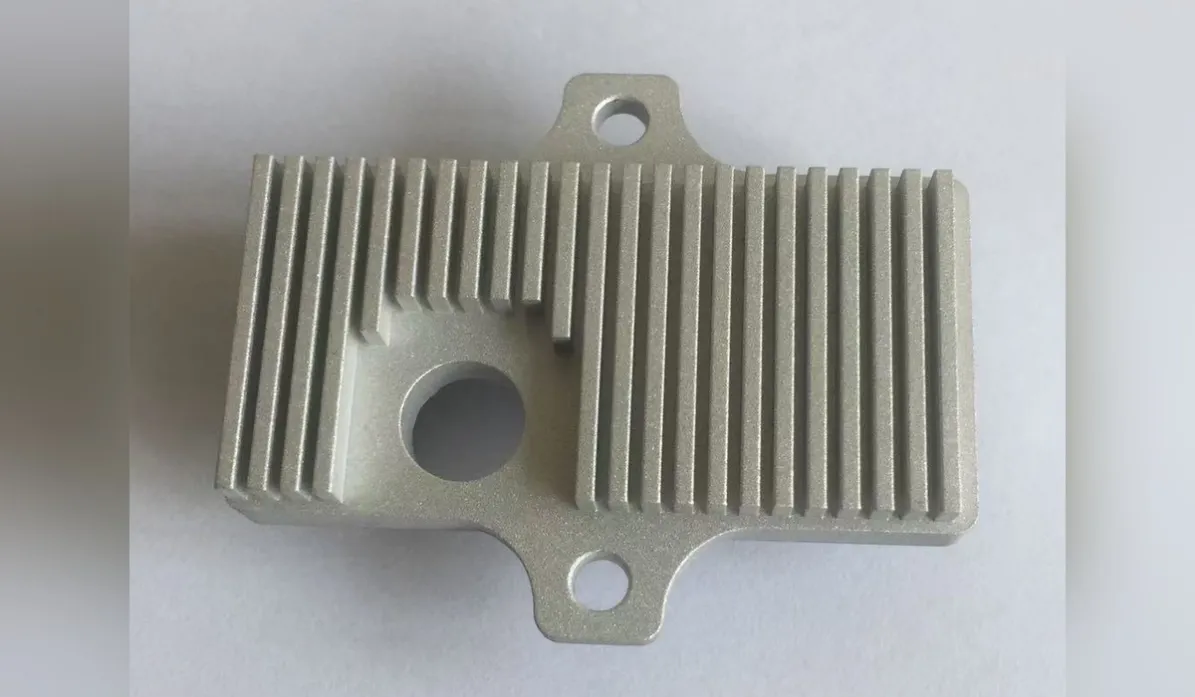
Yes — we machine heatsink housings for power electronics: finned aluminum enclosures and covers that carry the heat out of a power module, a controller or a charger while they protect what is inside. Send the drawing or the 3D model and we will quote it as drawn — fins, mounting face, hole pattern and finish. If a fin is too thin to survive machining, or a flatness callout will fight the anodizing, we raise it with the quote, before anything is cut.
The parts we make
- Heatsink housings and enclosures. A housing that is also the heatsink: a cavity for the electronics on one side, fins on the other, mounting holes around the flange.
- Finned covers and lids. Bolt-on covers that close a box and cool it at the same time.
- Heatsink plates and brackets. Flat finned plates that bolt between a device and its mounting surface.
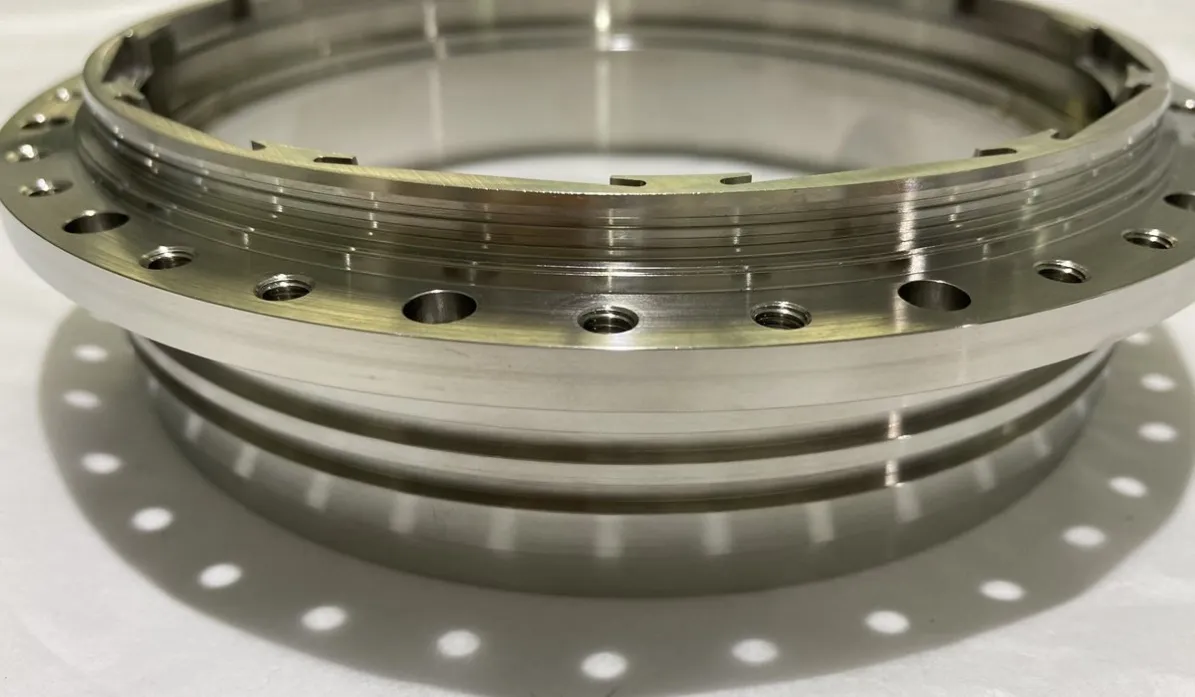
- Cylindrical and bored housings. Housings with a through bore for a round component — a connector, a shaft, a cylindrical cell — where the bore position and the fin field both matter.
These sit next to the heatsink enclosures and the copper skived-fin heatsinks we already make; the difference here is the housing shape — the part is an enclosure first and a heatsink at the same time.
Material and finish: 6063-T6 and black satin anodize
Heatsinks are usually 6063-T6 aluminum, and for good reasons: its thermal conductivity is among the best of the common aluminum alloys, it machines and extrudes cleanly into fin shapes, and it anodizes well. Where a design needs more strength than conductivity, 6061-T6 aluminum is the usual alternative, and the quote will say which one your drawing specifies.
The standard finish is black satin anodizing: a fine bead blast before anodizing gives the even, low-sheen satin surface, and the black anodize protects the part and presents well on finished equipment. Black also helps a little with radiant heat loss — the main cooling is still conduction into the fins and convection off them, but on a housing that is also the product's outer skin, the satin black finish earns its place twice. Coating thickness is allowed for in the machining, so bores and fits finish in tolerance after anodizing — the same discipline described in our piece on Type II vs Type III anodizing.
The three things that decide whether it works
- The mounting face has to be flat. A heatsink only moves heat it actually touches. The face that bolts against the device or the board is machined flat and finished smooth, so the thermal interface makes full contact instead of bridging on high spots. If your drawing carries a flatness callout on that face, it is machined and inspected as a functional surface, not a general dimension.
- Thin fins must survive machining. Fins are thin by design — that is where the surface area comes from — and a thin fin bends under a cutter or breaks at the root if the sequence is wrong. Fins are machined with light, supported cuts, and the fin field is finished before the part is handled much. Fin thickness and spacing that cannot be machined are flagged at quote stage with the thinnest we would recommend.
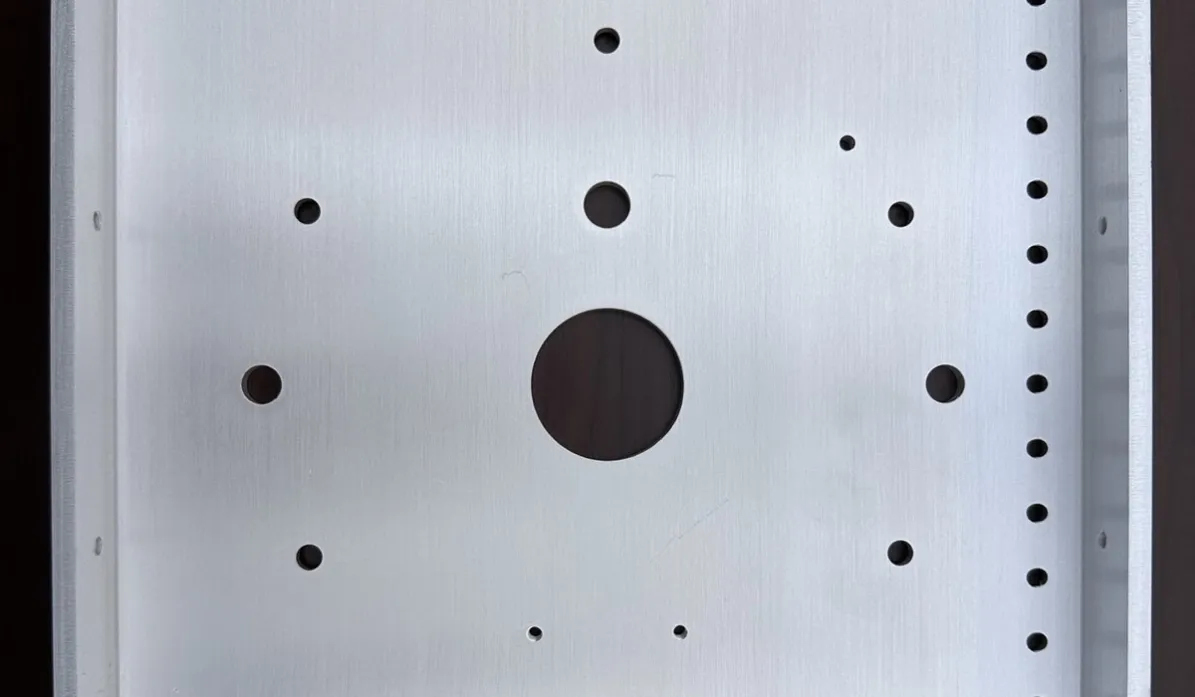
- The hole pattern has to match your board. A heatsink housing is useless if its mounting holes land half a hole off the PCB or the module it cools. Hole positions are held to the drawing's tolerances and verified on inspection, and threaded holes are gauged, not assumed.
Inspection and packing
Critical dimensions are recorded against the drawing — mounting-face flatness, hole positions, bore size and position. Finned parts are packed so the fins cannot bend or mark each other in transit: separated, wrapped, and supported, because a heatsink that arrives with bent fins has lost the surface area it was designed with.
What to send for a quote
The drawing or model, the alloy (or let the drawing state it), the finish, and the quantity. If the part mates with a board or a module, the interface dimensions help us check the hole pattern against what it has to fit. Send your drawing / sample for a quote via our contact page — enquiries are answered within 8 hours and quotes usually come back within 24 hours.
FAQ
Why 6063-T6 for a heatsink housing? It conducts heat about as well as aluminum gets, forms fins cleanly, and anodizes evenly. It is the alloy heatsinks are normally specified in; 6061-T6 is used where the design needs more strength.
Does black anodizing actually help cooling? A little, through radiation — the main path is still conduction into the part and convection off the fins. The bigger reasons for black satin anodize are corrosion protection and a consistent, low-sheen appearance on finished equipment.
How thin can the fins be? It depends on fin height and spacing; thin, tall fins are the risky end. Send the model and the quote will confirm the fin geometry as drawn, or flag the dimension that needs to change.
Can you machine a housing with a bore for a round component? Yes — bored and cylindrical housings are regular work, with the bore machined in relation to the mounting face and hole pattern in the same setup where possible.
What finish does the mounting face get? Flat and smooth, machined to the drawing's flatness and finish callouts — that face is the thermal contact, and it is treated as the most important surface on the part.