Machined Parts for Laser and Photonics Equipment
Machined structural parts for laser and photonics equipment: housings, base plates and heatsink mounts in black anodized aluminum, quoted in 24 hours.
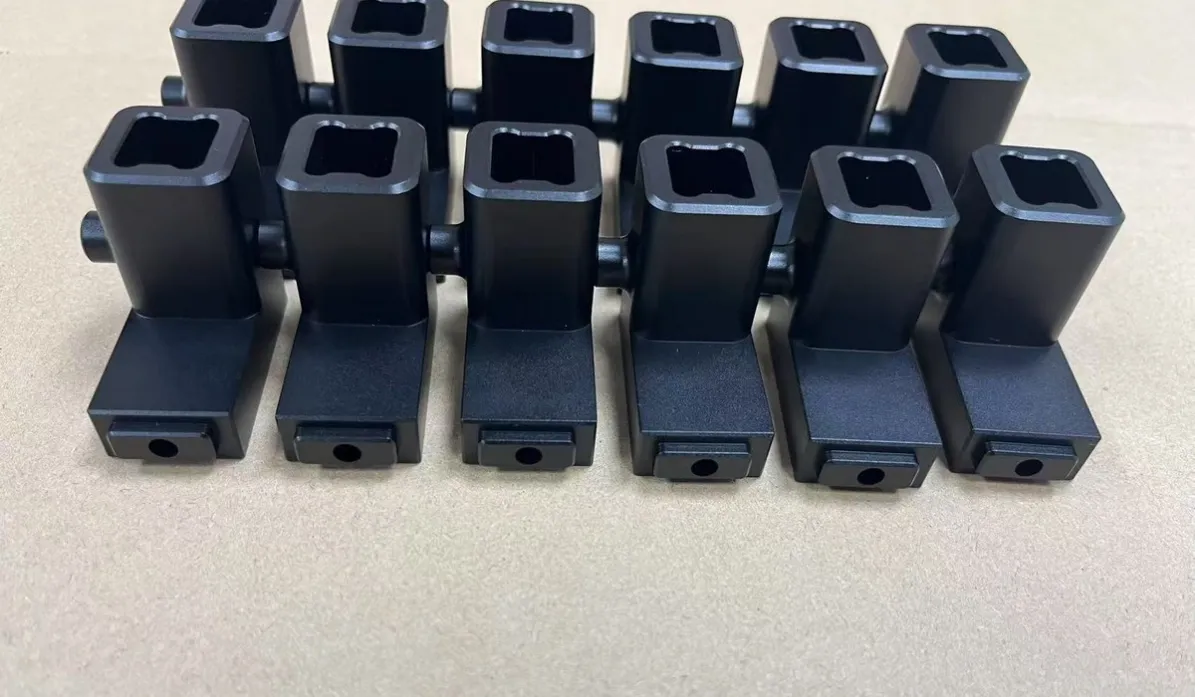
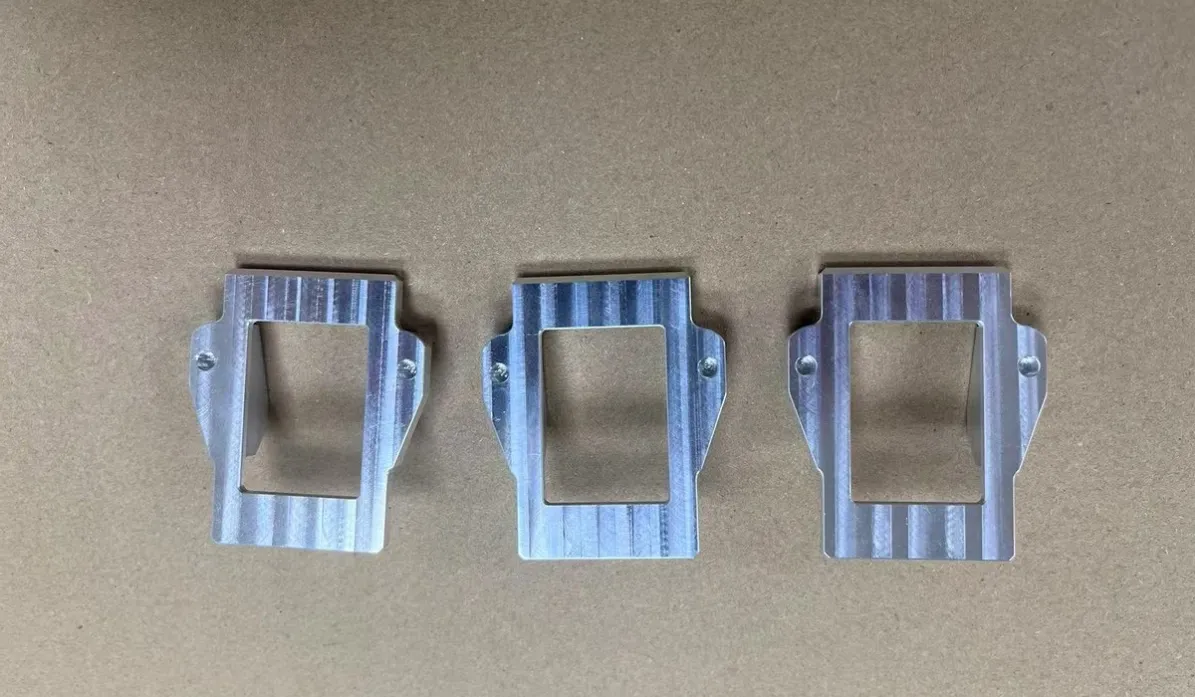
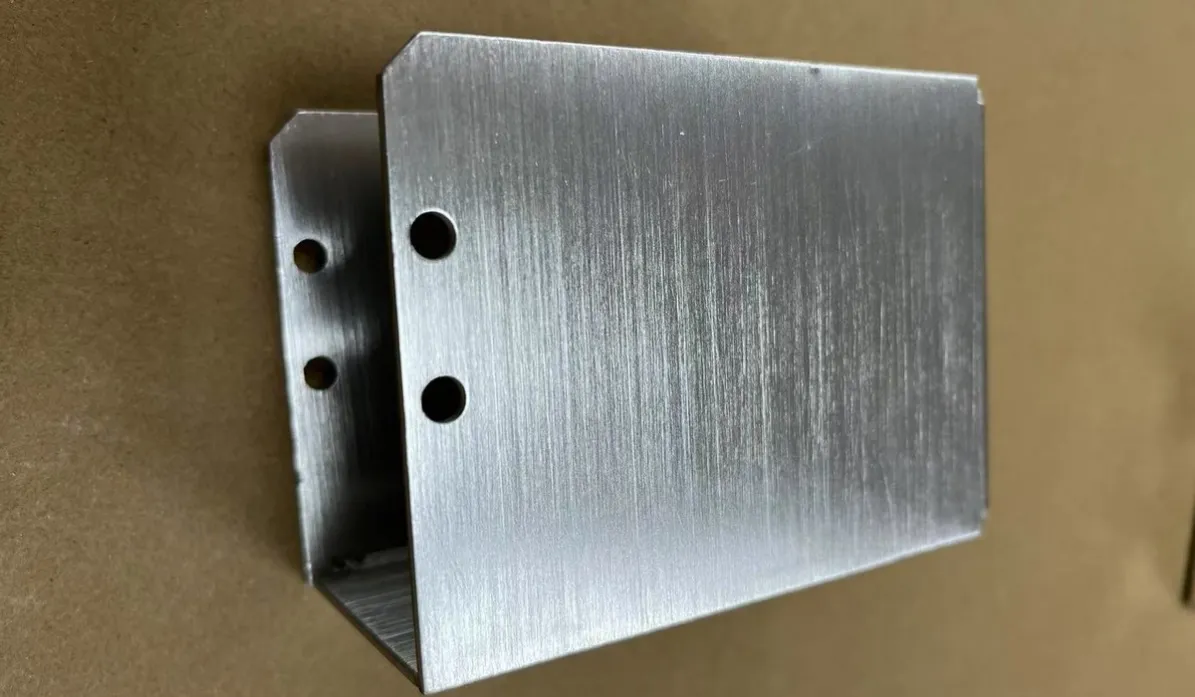
Yes — we machine the structural parts that laser and photonics equipment is built from: equipment housings, optical base plates, heatsink mounts and structural brackets, as well as complete laser equipment structural assemblies. This page is about the machine around the optics. The barrels and mounts that hold the lenses themselves are covered in our article on optical mounts and lens barrels; here we are talking about the chassis-level parts those mounts bolt onto.
Typical parts
- Equipment housings and covers — the enclosures that close a laser or photonics instrument, often with connector cutouts, ventilation and access panels.
- Optical base plates and breadboard-style plates — flat plates carrying a hole pattern that everything else locates on.
- Heatsink mounts and diode mounts — blocks and plates that pull heat out of laser diodes and driver electronics.
- Structural brackets and frames — the internal skeleton that holds the optical bench, the power supply and the control boards in one alignment.
- Beam-path support parts — posts, risers and support blocks that set the height and position of components along the path.
Most of this work is prototypes and small batches for equipment makers: a new instrument in development, a revised enclosure, a short run while the product finds its market. The parts look plain from outside. What makes them photonics parts rather than generic brackets is how much depends on flatness, hole position and a finish that does not throw light around the inside of the box.
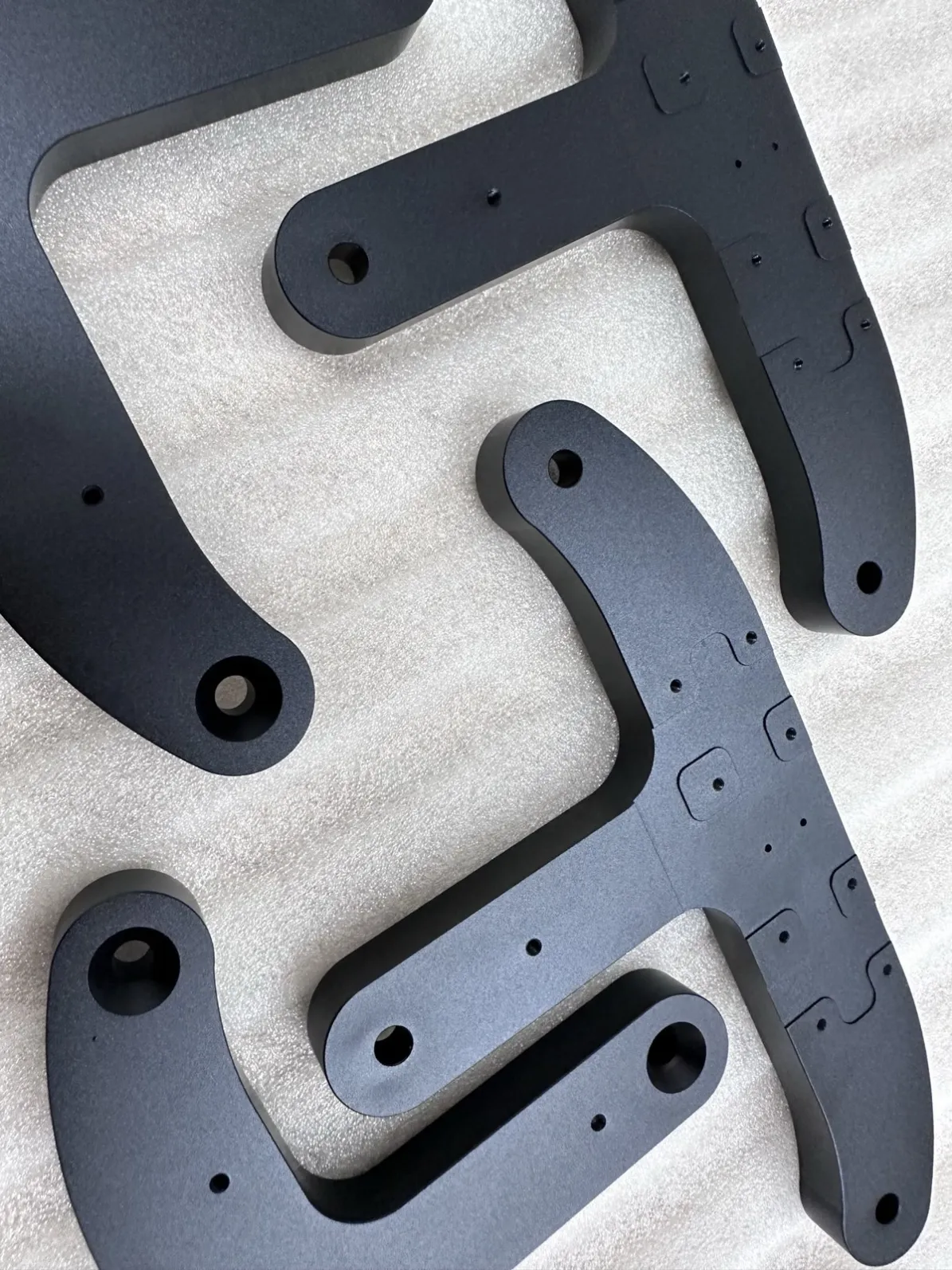
Materials
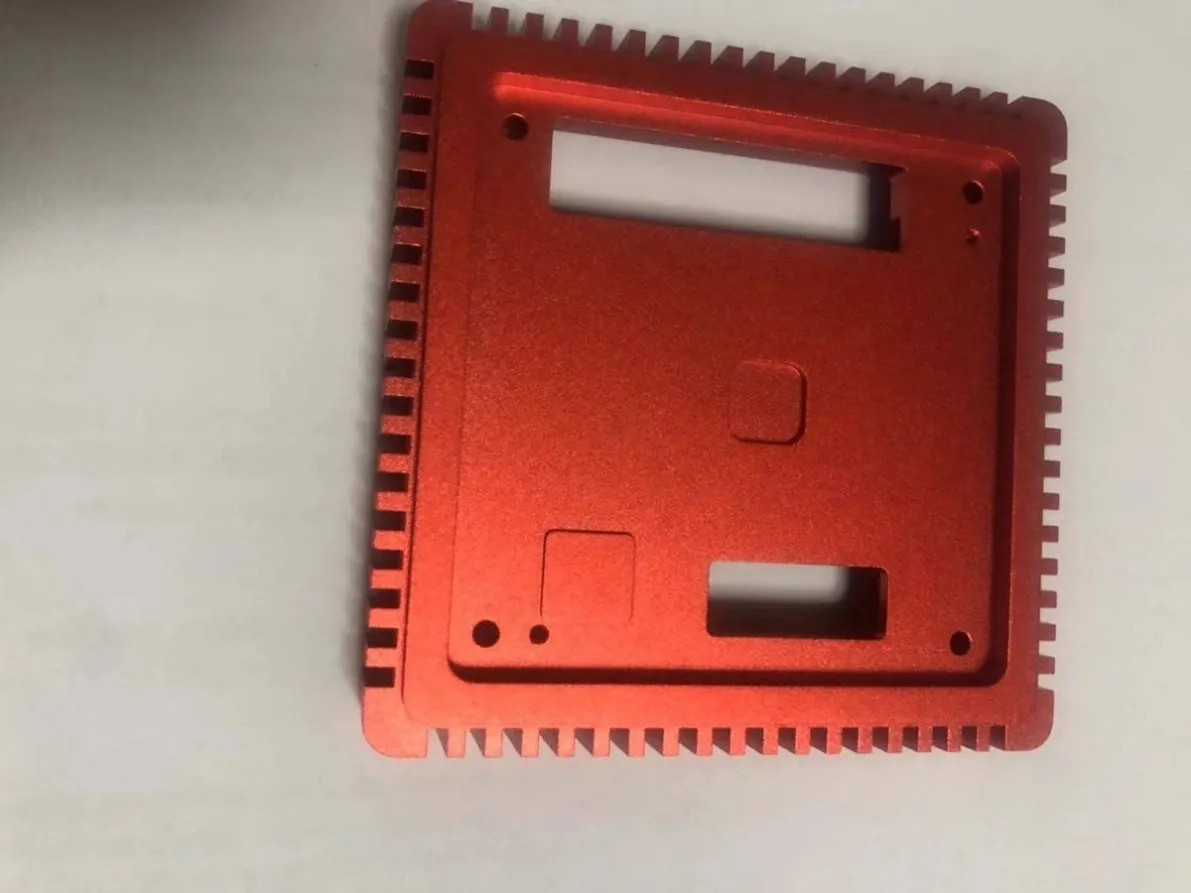
6061-T6 aluminum is the standard for housings, plates and brackets: light, stiff enough for bench equipment, easy to machine flat and easy to anodize. 7075 aluminum appears on smaller, heavily loaded structural pieces where its extra strength lets sections come down. Stainless steel is used where a part needs mass for stability, thread strength, or resistance to cleaning chemicals. Heat-carrying parts follow the same material logic as our heatsink housings for power electronics: the alloy matters less than a flat, well-seated mounting face.
Key requirements
Flatness of base plates. An optical base plate is a datum for everything mounted on it. If the plate is not flat, every component bolted to it starts slightly tilted, and the alignment budget is spent before the optics go in. We machine large plates with workholding that supports the whole face, and rough and finish in stages so internal stress does not bow the part after it leaves the machine.
Hole position. Hole arrays on base plates, and the mounting patterns on brackets, have to agree with the components they carry. Standard machining runs to ±0.1 mm (±0.004"); locating bores and critical patterns can be held to ±0.01 mm (±0.0004") where the drawing calls for it. Mark which holes are locating holes and which are clearance, and inspection effort goes to the right ones.
Black anodize that stays matte. Inside laser and photonics equipment, stray reflections are a real problem, not a cosmetic one — the same reason the parts in our black anodized aluminum flat parts article get their finish. A bead blast before anodizing takes the shine off, and black Type II anodize per MIL-PRF-8625 (formerly MIL-A-8625) keeps surfaces dark and non-reflective. Grounding faces, threaded holes and mating surfaces can be masked bare where the drawing needs metal-to-metal contact.
Heat removal. Diodes and drivers live or die by their mounting face. Heatsink mounts are machined flat on the contact face, with the bolt pattern positioned so clamping pressure lands where the heat is. If a part combines a heatsink function with a structural one, tell us which face carries the heat — that face gets the flatness priority.
Clean packing
Parts for optical assemblies are cleaned before packing, handled with gloves, and packed so finished faces do not rub: ultrasonic cleaning, double bagging and vacuum sealing are available where your assembly process needs parts to arrive ready to build with. Nothing is worse than a base plate that arrives with a scratch across the one face everything references.
What to send for a quote
The 3D model and drawing, with material, finish and quantity. On base plates, flag the flatness requirement and the locating hole patterns; on housings, tell us which faces are visible and which are grounding or mating faces to be masked. Enquiries are answered within 8 hours, quotes usually within 24 hours. Small batches typically take 3–5 days; simple parts can ship in 24–48 hours depending on complexity. First article inspection, material certificates and a certificate of conformance are available on request, and we can sign an NDA before you send anything. Send your drawing / sample for a quote via our contact page.
FAQ
Is this the same as your optical mounts article? No. That article covers lens barrels and mounts — the parts that hold the optics directly. This one covers the equipment structure around them: housings, base plates, heatsink mounts and frames. Many customers order both from the same drawing package.
Why black anodize inside the equipment? Because a matte black surface absorbs stray light instead of reflecting it around the enclosure. Bead blasting before anodizing keeps the finish matte rather than glossy.
How flat can you machine a base plate? Flatness is machined and checked to the value on your drawing. Large thin plates are the hard case, and we handle them with staged machining and full-face support so they stay flat after unclamping. Put the flatness callout on the drawing and we will confirm against it at quote stage.
Can threaded holes and grounding faces stay uncoated? Yes. Masking is available on request for threads, grounding and electrical contact faces, and precision bores — and we machine with the coating build-up in mind so dimensions stay in tolerance after anodizing.
Do you make complete structural sets for one instrument? Yes. Housing, base plate, brackets and mounts ordered together keep hole patterns and finishes consistent across the machine, and fit issues surface in our inspection rather than on your bench.