Blog
CNC Machining for Motorsport Parts: Light, Strong, On Time
Motorsport parts have to be light, strong and ready by race weekend. What racing work asks of a CNC machine shop, from materials to last-minute revisions.
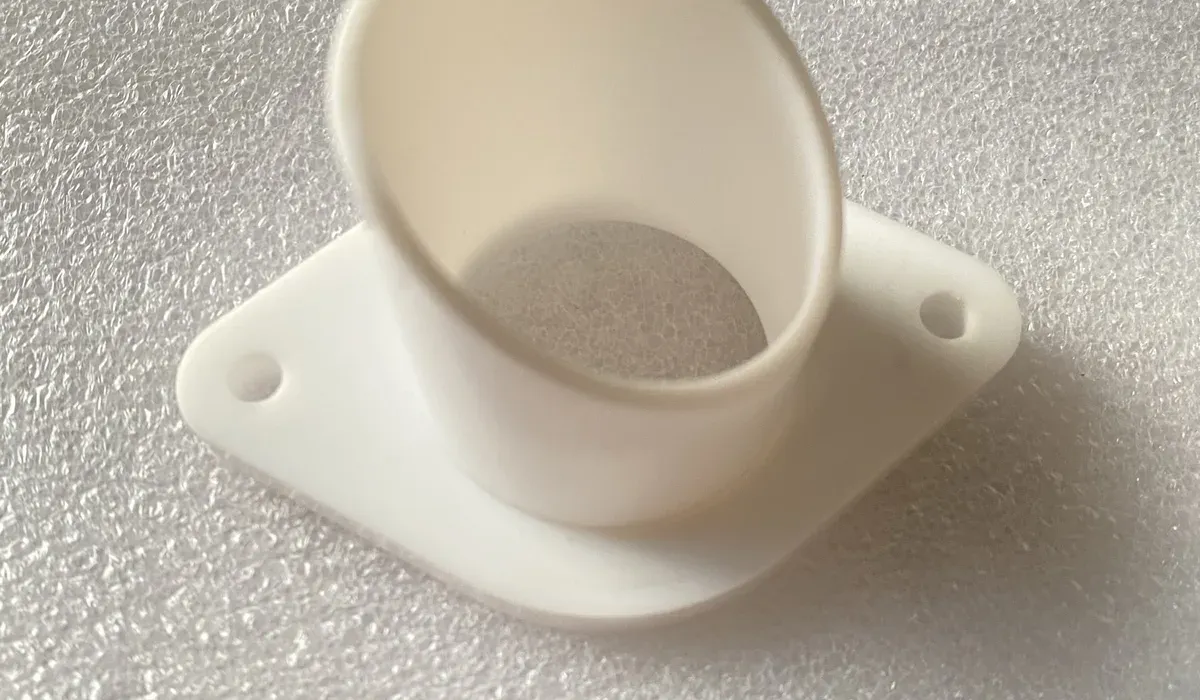
Motorsport is hard on machine shops. The batches are small, the drawings keep changing, and the deadline is a race weekend that does not move. A part that would be a routine job in most industries becomes something else entirely when it has to be light, strong, exactly right, and on a car by Friday.
This is the kind of work CNC machining for racing is built for — as long as the shop understands what the sport actually asks for.
What Motorsport Asks of a Machine Shop
Four things come up on almost every motorsport job:
- Strength-to-weight. Unsprung mass and overall weight decide lap times, so parts are designed with material only where the load path needs it. That means pockets, thin ribs, and shapes that only a machining center can produce.
- Small batches. Two parts for one car, eight for a test program, a spare set for the truck. Production runs of thousands are rare; runs of one are not.
- Deadlines set by a calendar, not a purchase order. A late part does not just slip a schedule — it can mean a car that does not run, or runs with the old specification.
- No room for a failed part. A bracket that cracks on a road car is a warranty claim. The same failure at speed is a safety problem. Inspection and material traceability are not paperwork for its own sake.
A racing parts manufacturer has to be set up for all four at once: flexible enough for one-offs, disciplined enough that a one-off is still fully checked.
Materials That Earn Their Place
Material choice in motorsport is a weight-versus-cost argument, and a few materials win it most of the time.
7075 aluminum is the default for structural machined parts — uprights, suspension components, brackets, housings. It has strength close to some steels at a third of the weight, it machines cleanly, and it takes hard anodizing well for wear and corrosion protection. When a part needs to be stiff, light, and made quickly, 7075 is usually the answer.
Titanium Grade 5 (Ti-6Al-4V) earns its place where aluminum runs out of room: highly loaded fasteners and shafts, parts near exhaust heat, and anywhere the same strength is needed in a smaller envelope. It is slower and more expensive to machine, so it goes where the load case or the temperature justifies it — not everywhere.
Steels still do a lot of quiet work. Gears, splined shafts, and drivetrain parts that see shock loads and sliding contact are often better in steel than in anything lighter. Motorsport machining is not about using the most exotic material; it is about using the right one for each load.
The Parts That Suit CNC Best
Machining is at its best on parts that are prismatic, pocketed, and tolerance-critical:
- Uprights and hub carriers — complex geometry, bearing seats, and alignment faces in one setup
- Suspension links, rockers, and bell cranks — light, stiff, and loaded from several directions
- Brackets and mounts — engine, gearbox, pedal box, and wing mounts that have to fit an existing chassis exactly
- Pedal and steering components — parts a driver touches, where feel and zero play matter
- Gearbox and drivetrain housings and covers — sealing faces, bearing bores, and dowel locations that must agree with each other
Five-axis machining helps most on the first group: an upright machined in one setup keeps its bearing bore and its suspension pickup points in the relationship the designer intended, instead of accumulating error across re-fixturing.
Tolerances: Where Geometry Is Performance
On a race car, some dimensions are performance. A bearing seat held to ±0.01 mm decides how a bearing sits and how long it lasts. Dowel and alignment features decide whether the suspension geometry you set on the setup pad is the geometry the car actually has.
Other dimensions just need to be right, not extreme. Our standard tolerance is ±0.1 mm, with ±0.01 mm available where the drawing calls for it — and a motorsport drawing usually has a handful of features that genuinely need the tight number and a long list that do not. Calling out the difference keeps the part affordable and keeps the machinist's attention on the features that matter.
First article inspection reports, material certificates, and a certificate of conformance are available on request. On parts where a material substitution or an out-of-tolerance feature would end a weekend, that documentation is part of the job.
Turnaround: Built Around the Race Calendar
Motorsport development does not stop between events, and neither do the design changes. A revised pickup point after a test day, a bracket that needs a rib added, a part that has to exist in two versions for back-to-back testing — this is normal work, and the machining has to keep up.
Our usual pace: prototypes in 3–5 days, and simple parts can ship in 24–48 hours depending on complexity. Quotes are usually back within 24 hours, and we reply within 8 hours, so a change decided on Monday is not still waiting for a price on Thursday. Send the new revision and we work from the latest file — version discipline on both sides is what makes fast turnaround safe.
If you are developing parts against a race calendar and need a shop that treats small batches and short deadlines as the normal case, send your drawings through our CNC machining or 5-axis CNC machining pages. We are happy to work under NDA, and we will tell you straight if a deadline is not realistic before you commit to it.