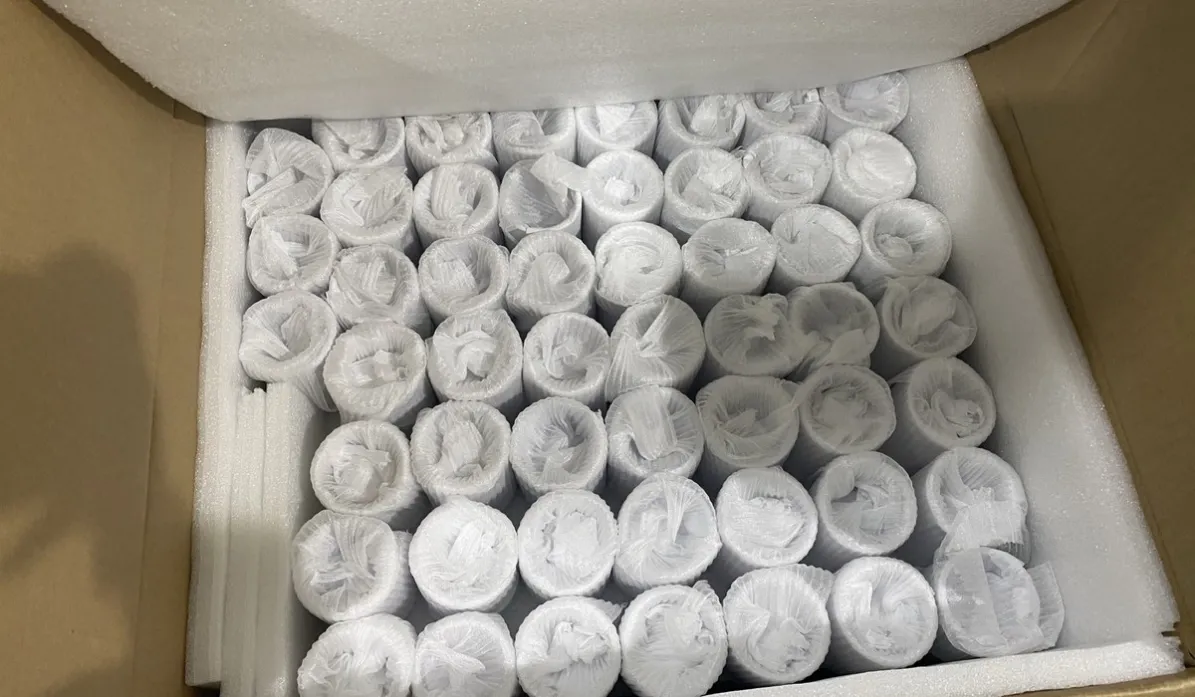
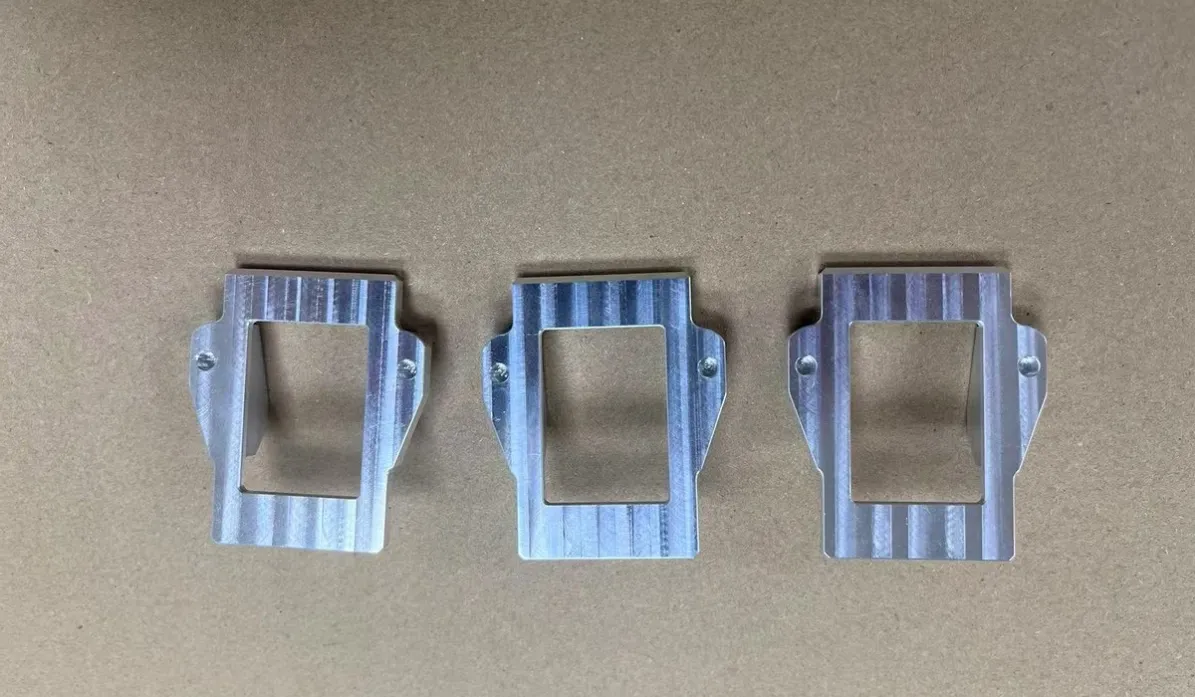
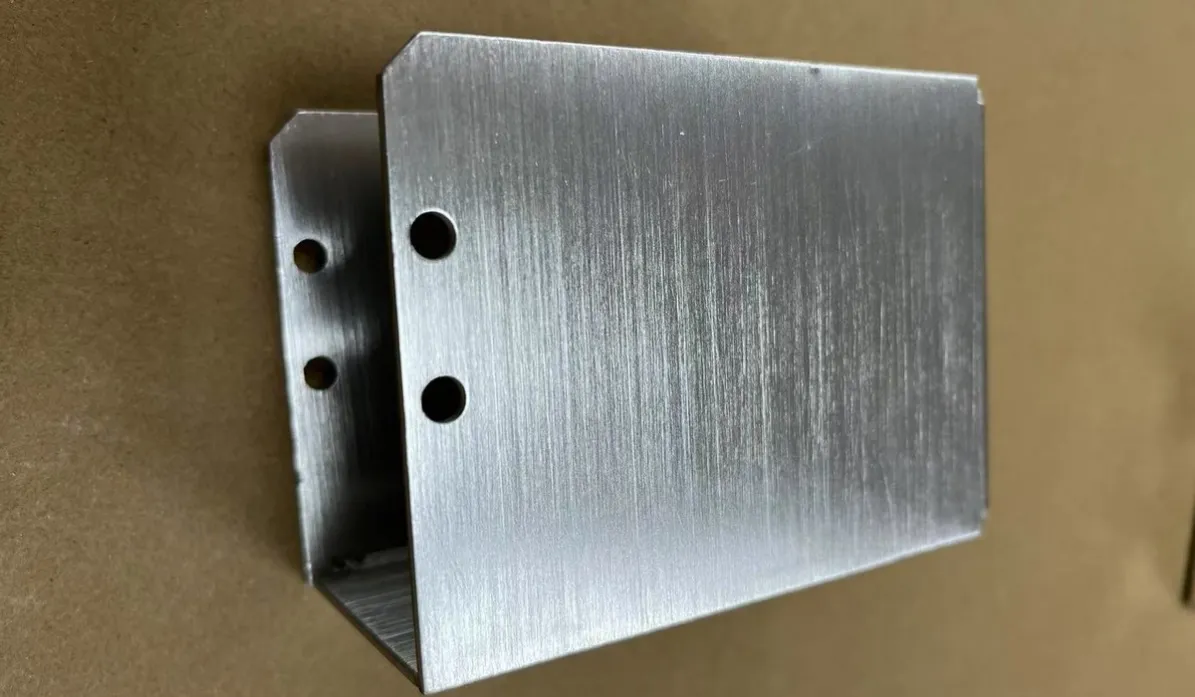
Valve Bodies and Pump Housings: Machined Fluid Components
Machined valve bodies and pump housings in stainless steel and brass: sealing faces at Ra 0.8 µm, clean internal passages, quoted within 24 hours.
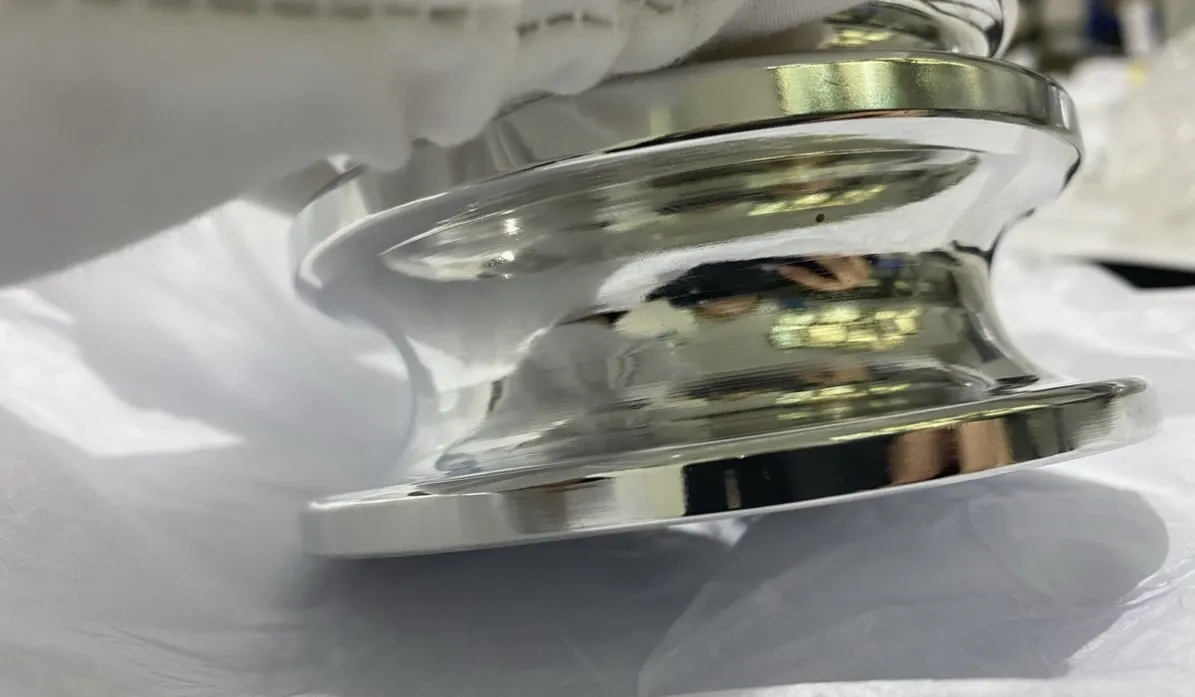
Yes — we machine valve bodies and pump housings: the blocks that carry fluid from one port to another, with the threaded connections, sealing faces and internal passages that make them work. Most are stainless steel or brass, machined from bar or plate in prototype and small-batch quantities. One boundary worth stating up front: we machine and inspect the part. The final pressure and system-level testing happens on your assembled equipment, by you — what we guarantee is that the part leaves here measuring as drawn and clean enough to build with.
Typical parts
- Valve bodies — blocks with inlet and outlet ports, a seat for the valve element and faces for seals or fittings.
- Pump housings — bodies that carry the pumping chamber, shaft opening and port connections.
- Flanged fluid connections — bodies that terminate in a flange face rather than a thread, for bolted joints.
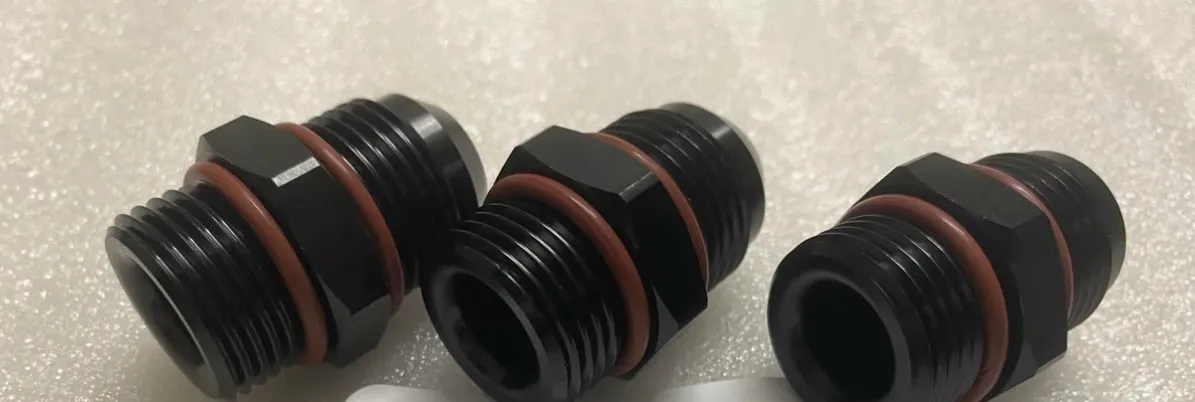
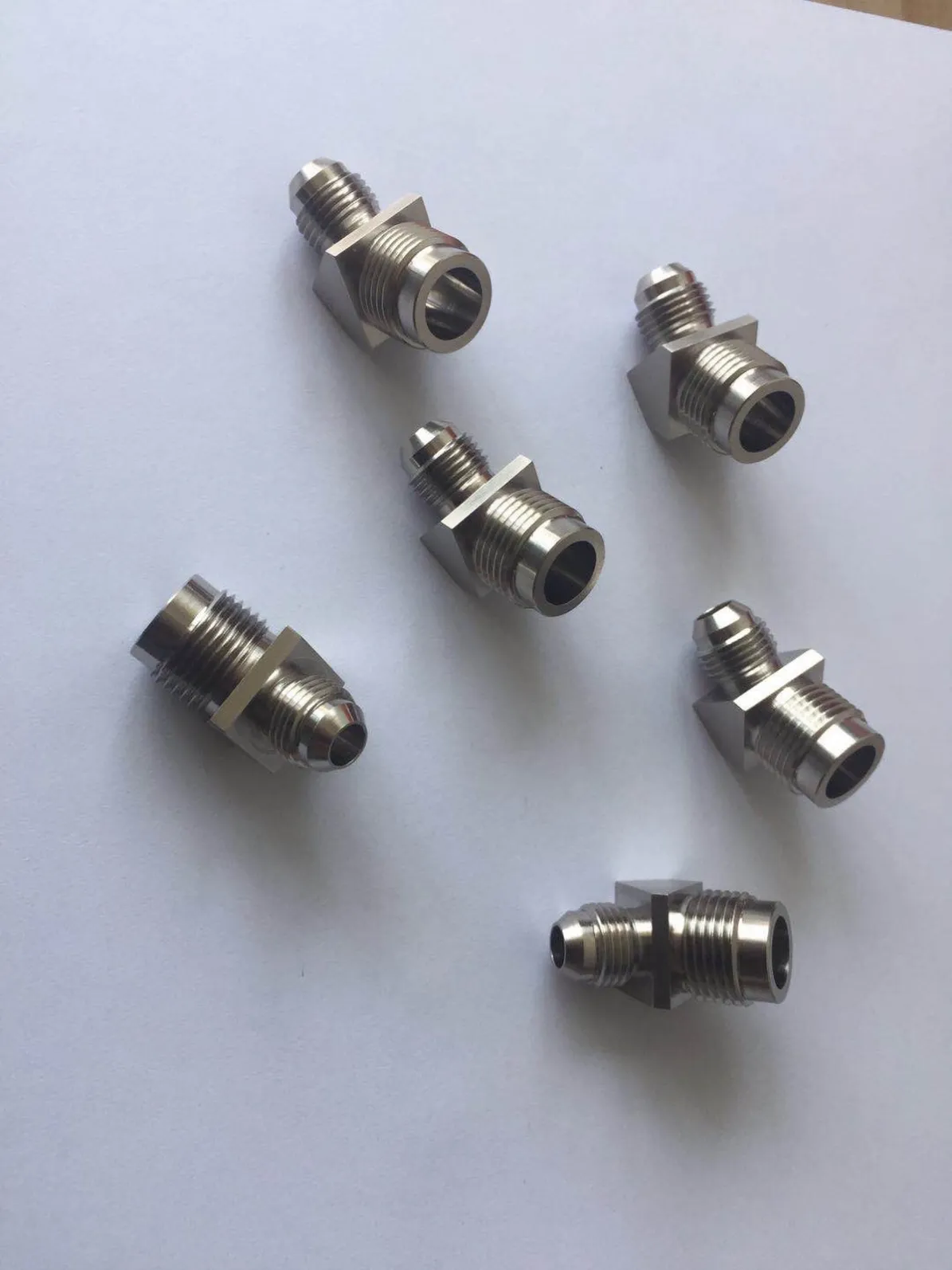
- Port adapters and transition bodies — parts that join one thread standard or port size to another inside a fluid path.
These parts are cousins of the manifold blocks we machine, but the emphasis differs. A manifold is mostly about intersecting drilled passages; a valve body or pump housing is mostly about the faces and bores where things seal, seat and turn.
Materials
316L stainless steel is the usual choice where corrosion resistance matters — water, chemicals, food-adjacent and medical-adjacent equipment. 304 stainless steel covers less aggressive duties at lower cost. Brass, typically C36000 or CZ121, is common on smaller valve bodies and ports: it machines fast, threads cleanly and seals well. Which grade suits a 316L part's finish is a question we work through in passivation vs electropolishing, and our piece on machining 316 stainless steel fittings covers how the material behaves on the machine.
Key requirements
Sealing faces. A sealing face that is rough, scratched across the lay, or out of flat will leak no matter how good the seal is. Sealing faces on valve bodies and pump housings are machined to Ra 0.8 µm (32 µin), with the machining lay running the right way for the seal type — circular on face seals, so there is no radial scratch acting as a leak path. If your drawing specifies a different finish for a specific face, that is what we work to; the drawing governs.
Threads and ports. Ports are machined to the thread standard on the drawing — metric, UNC/UNF, BSP or NPT — and checked with gauges, because a port that will not take its fitting is a failed part however nice the rest looks. Tell us the mating fitting if a port is non-standard; it is far cheaper to match a thread at quote stage than at assembly.
Internal passages: deburred and clean. Where passages intersect inside a body, the crossing leaves burrs that machining cannot reach directly. Those burrs have to come out: a loose burr in a fluid path ends up in a valve seat or a pump chamber. Internal edges are deburred by the methods the geometry allows, and parts are cleaned so passages arrive free of chips and machining residue. If your application has a cleanliness requirement, state it on the enquiry so the cleaning route is planned, not improvised.
Bores and seats. The bore that carries a shaft, a piston or a valve element gets the same treatment as any bearing bore: machined true to its mating faces, and held to ±0.01 mm (±0.0004") where the drawing calls for it, against our standard ±0.1 mm (±0.004") elsewhere.
Surface treatments
Stainless parts are typically passivated after machining to restore the corrosion-resistant surface, per ASTM A967; electropolishing is available where a smoother, easier-clean surface is wanted. Brass parts are usually supplied as machined, or nickel plated where the application calls for it. Threads and sealing faces are protected through finishing so they arrive as machined.
Inspection — what we check, and what we do not
We inspect dimensions and appearance: bores, port threads (gauged), sealing face finish and flatness, and the overall condition of the part against the drawing. First article inspection with measured values is available on request, along with material certificates and a certificate of conformance.
What we do not do is pressure-test or system-test finished valves and pumps. That test only means something on the assembled unit, with your seals, your actuator and your fluid — so it sits with you, and any supplier who offers to "test" a bare body is testing something else. If a specific dimensional check matters to your own test results, tell us and it goes on the inspection list.
What to send for a quote
The drawing or 3D model, the material grade, the thread standards for each port, the finish, and the quantity. Flag the sealing faces and any bore that needs the tight tolerance — that is where the machining and inspection time should go. Enquiries are answered within 8 hours, quotes usually within 24 hours; small batches typically take 3–5 days, and simple parts can ship in 24–48 hours depending on complexity. We can sign an NDA before you send files. Send your drawing / sample for a quote via our contact page.
FAQ
What finish do sealing faces get? Ra 0.8 µm (32 µin) as our standard for sealing faces, with a circular lay on face seals so no radial scratch crosses the seal. If your drawing calls out a different value, we work to the drawing.
Do you pressure-test the finished parts? No. We inspect dimensions, threads and sealing faces against the drawing. Pressure and system testing is done by you on the assembled equipment, where the seals and mating parts are present — that is the only version of the test that means anything.
Which thread standards can you machine? Metric, UNC/UNF, BSP and NPT are all routine. Put the standard and size on the drawing for each port; if a port mates with a specific fitting, tell us which one.
How do you handle burrs inside the passages? Intersecting passages are deburred by the methods the geometry allows and the parts are cleaned before packing, so no loose burr or chip ships inside a body. State any cleanliness requirement at enquiry stage so it is planned into the route.
Can you machine a valve body from our cast blank? No — we do not machine customer-supplied material or blanks. We machine from solid stock we source, with material certificates available on request.