Titanium vs Stainless Steel: How to Choose
Titanium is lighter and shrugs off corrosion; stainless is cheaper, stiffer and easier to machine. Compared by weight, strength, corrosion and cost.
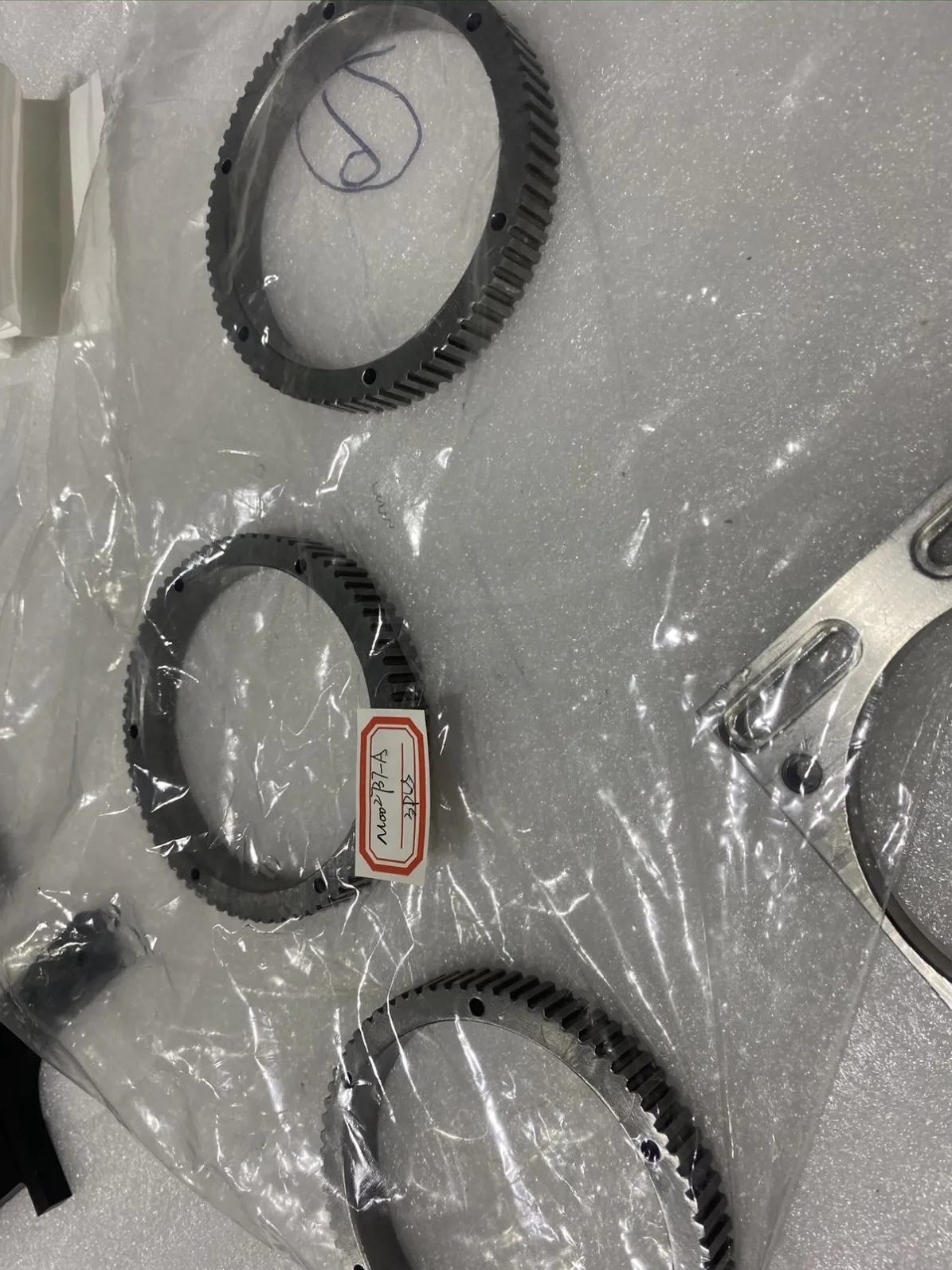
"Should this be titanium or stainless?" usually arrives as a cost question and leaves as an engineering answer. Titanium's advantages are real — roughly 40% lighter than steel at comparable strength, and corrosion resistance that covers most of what 316L handles and more. Stainless answers with stiffness, wear behavior, easy machining and a much lower bill. This article compares the two the way the decision is actually made: property by property, then by application. We machine both — titanium in Grade 2 and Grade 5 (Ti-6Al-4V), stainless across 303, 304, 316, 17-4 PH and more — and we will tell you plainly when titanium is not worth its premium on your part.
The numbers that drive the decision
| Property | Ti Grade 5 (Ti-6Al-4V) | 316 stainless | 17-4 PH (H900) |
|---|---|---|---|
| Density | 4.43 g/cm³ | 7.98 g/cm³ | 7.78 g/cm³ |
| Tensile strength | ~950 MPa | ~515 MPa (annealed) | ~1,170 MPa |
| Stiffness (Young's modulus) | ~114 GPa | ~193 GPa | ~197 GPa |
| Corrosion resistance | Excellent, incl. seawater | Very good; chlorides are its limit | Moderate |
| Machining difficulty | High | Moderate | Moderate (hard after aging) |
| Relative part cost | Highest | Lowest of the three | Middle |
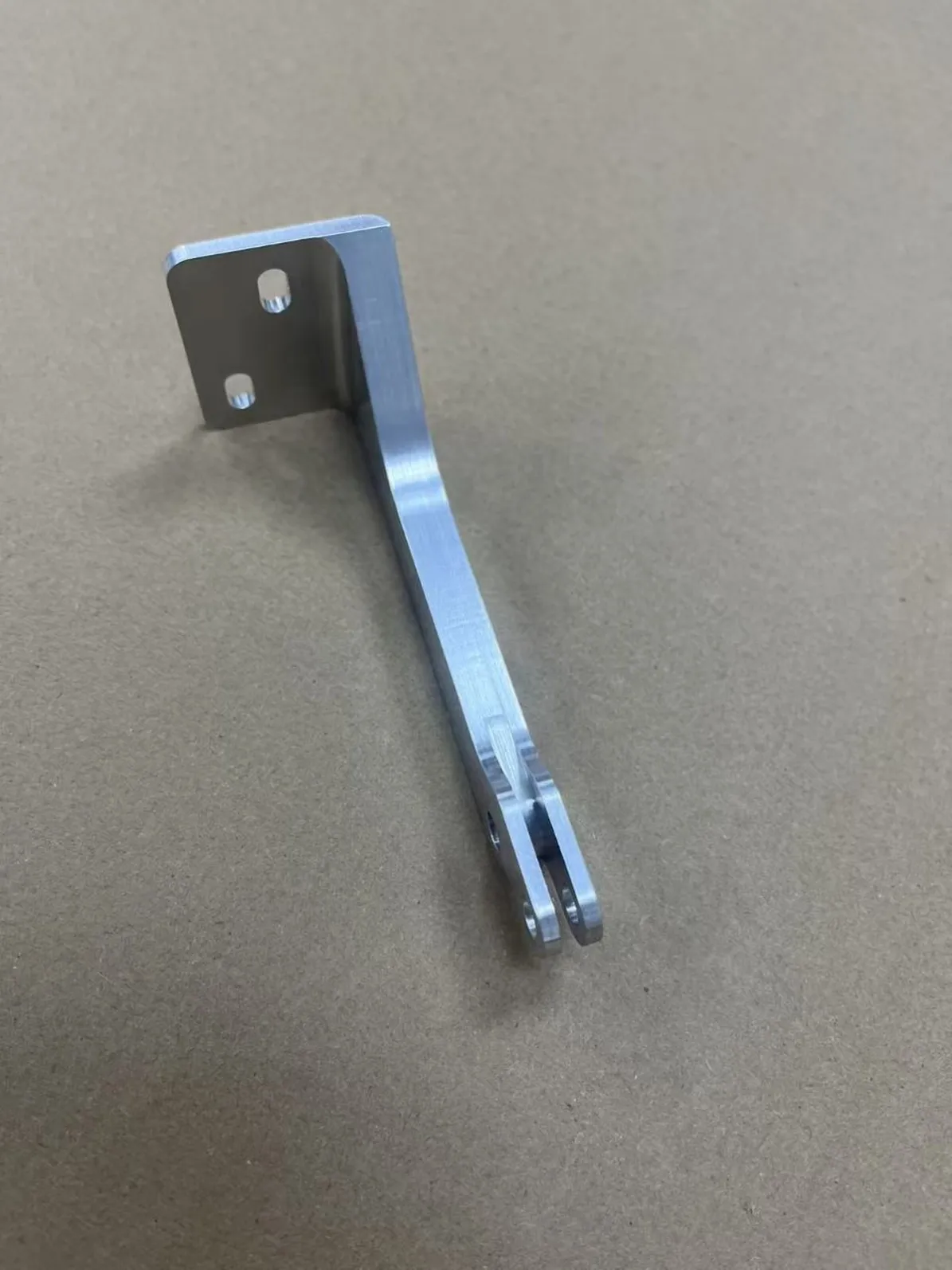
Three rows decide most real choices. Density: a titanium part weighs about 55–57% of the same part in steel — the famous advantage, and it is genuine. Stiffness: titanium is barely more than half as stiff as steel, so a part that must not flex — a shaft, a metrology frame, a long bracket — needs more section in titanium, which eats part of the weight saving. Strength: Grade 5 beats annealed 316 comfortably, but hardened 17-4 PH beats Grade 5 — "titanium is stronger than steel" is only true against some steels.
Corrosion
Titanium's oxide film is exceptionally stable: seawater, wet chlorine, most oxidizing acids and body fluids barely touch it, and it does not pit in chlorides the way 316L can. If the part lives in seawater, a chemical plant, or a medical environment, titanium earns its keep. In ordinary indoor, freshwater or mildly corrosive service, 316L is already more than adequate and the titanium premium buys nothing measurable.
Machining and cost
Titanium is genuinely harder to machine: it conducts heat poorly, so the cutting edge runs hot; it work-hardens and springs; it is chemically eager to weld itself to tooling. Cycle times run longer, tool life runs shorter, and the material itself costs several times more per kilogram than stainless. Combined, a titanium part typically costs two to four times its stainless equivalent — worth knowing before the weight study, not after. Our titanium machining guide covers how those properties shape the process.
Two behavioral notes that catch designers out:
- Galling. Titanium threads gall readily. Titanium fasteners and threaded features need anti-seize practice, generous clearances, or a design that avoids titanium-on-titanium threads.
- Wear. Titanium is a poor bearing and sliding material. A titanium part with a wear face usually needs that face redesigned, coated or bushed in another material.
Choose titanium when
- Weight is a primary requirement — aerospace hardware, motorsport, handheld or moving equipment — and the stiffness penalty can be designed around.
- The corrosion environment beats 316L: seawater immersion, chlorides at temperature, aggressive chemistry.
- The part is small. On small parts the material premium is small too, and machining dominates — titanium's advantages come at their cheapest.
Choose stainless when
- Stiffness, wear resistance or thread behavior matters.
- The environment is ordinary and 304 or 316 stainless steel already covers it.
- The part is large — the material bill scales with volume, and large titanium parts are expensive twice over.
- Budget rules: the same function in stainless frees money for the parts of the product where it actually buys performance.
FAQ
Is titanium stronger than stainless steel? Grade 5 titanium is stronger than annealed 304 or 316 stainless steel. It is not stronger than hardened precipitation grades like 17-4 PH H900. "Titanium vs steel" has no single answer — the grades decide it.
How much lighter is a titanium part, really? About 43–45% lighter than the identical geometry in steel. If the design must grow sections to recover stiffness, the real saving shrinks — sometimes to 25–30%.
Why is titanium machining so much more expensive? Slow cutting speeds, short tool life and expensive material. On small parts the difference is modest; on large parts it multiplies.
Can titanium parts be welded into assemblies? Yes, with proper shielding — titanium welds well under inert gas. We would discuss the assembly at quote stage, as fixturing and shielding drive the approach.
We are not sure which our part needs. Can you advise? Send the drawing and tell us the environment and what the part must not do — flex, corrode, weigh over a limit. We machine both metals and will recommend the one that fits, including when that is the cheaper one.