EMI Shielding in Aluminum Enclosures
An aluminum box only shields if the joints conduct. How seams, finishes and gaskets keep electrical continuity — and where enclosures quietly fail.
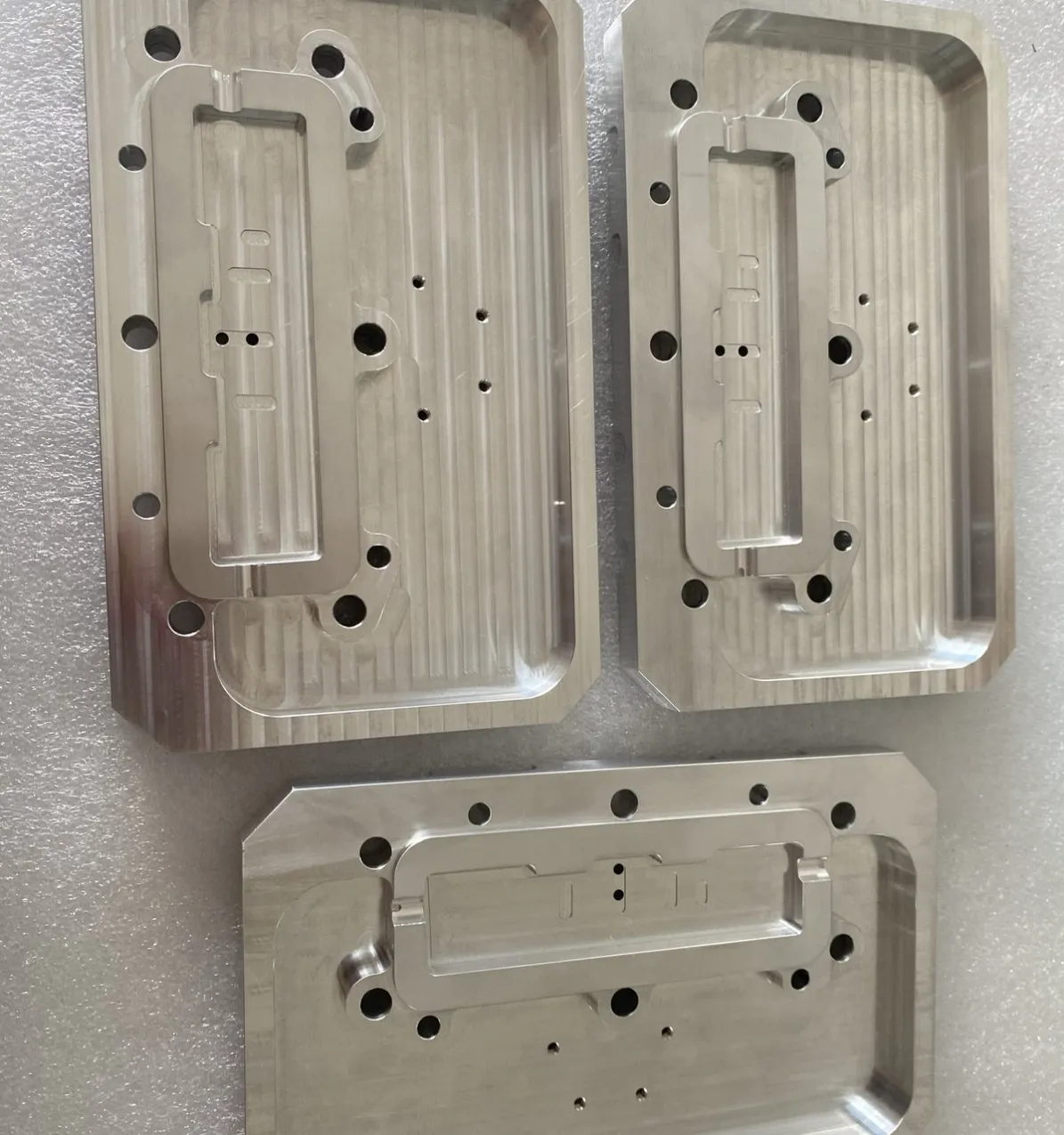
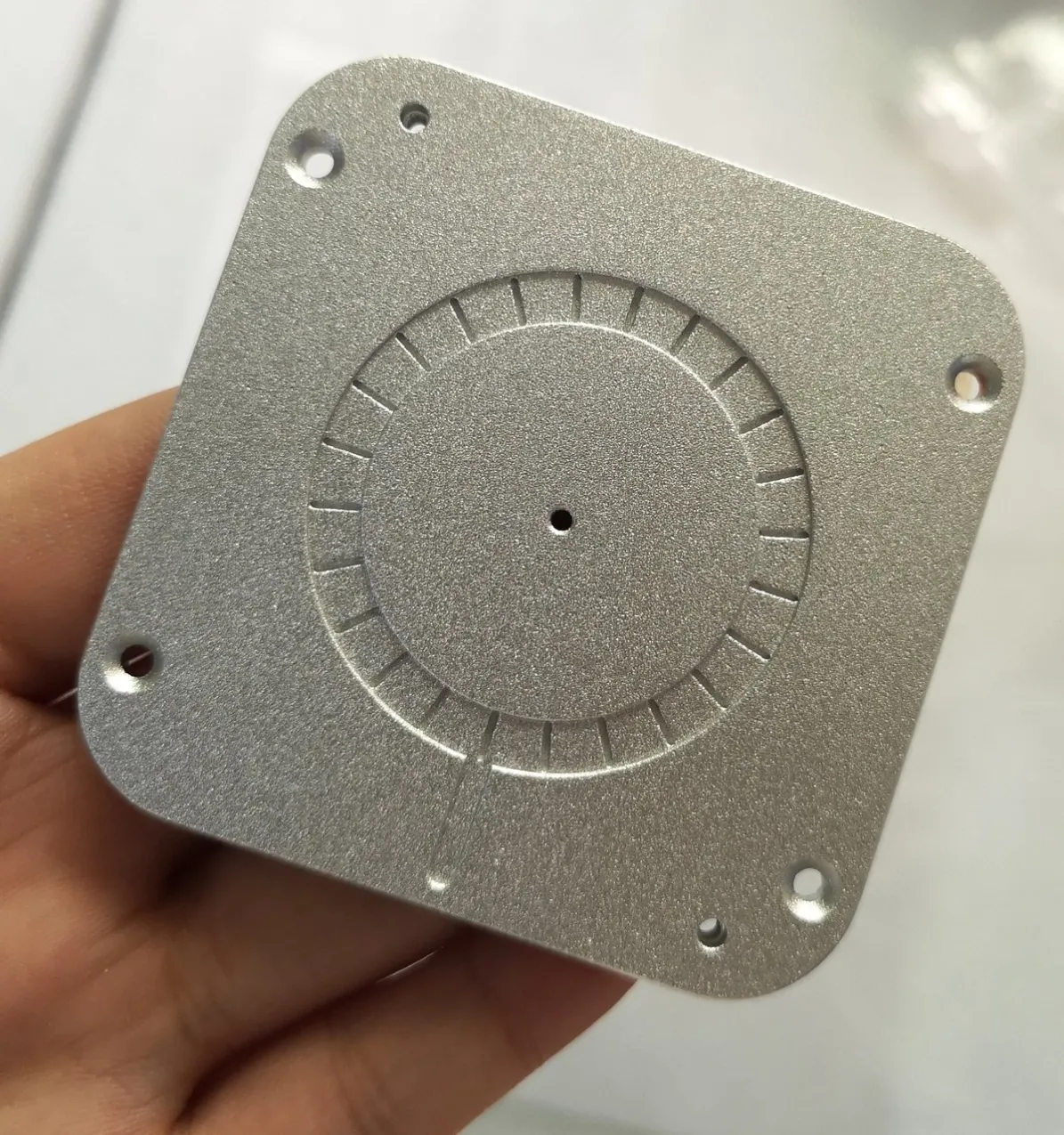
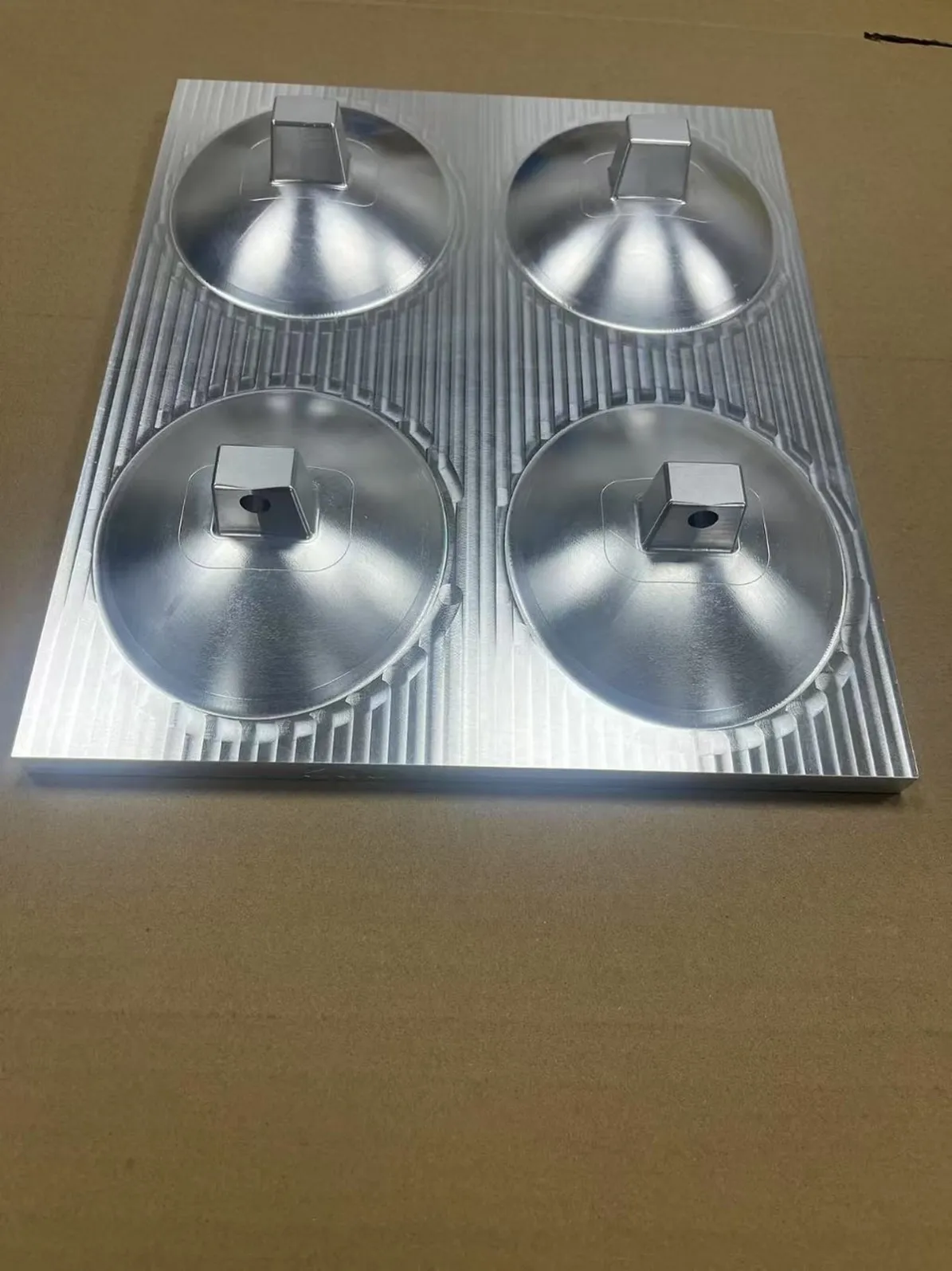
Aluminum is a good shielding material trapped inside a common misunderstanding: buyers expect the metal to do the work, but an enclosure's shielding is decided at its joints. A machined housing with an anodized seam face and a powder-coated lid can measure barely better than a plastic box, because the enclosure is only as conductive as the path around it. This article covers where continuity is lost and how it is kept — the machining and finishing decisions, which are ours, rather than the electronics, which are yours. Send the enclosure drawing and tell us it is a shielding application; the details below are exactly what we will plan around.
Where shielding leaks
- Seams and joints. Every lid, panel and connector opening interrupts the conductive shell. If the mating faces are insulated from each other, the seam behaves like a slot — and slots radiate.
- Finishes. Anodize and powder coat are electrical insulators. A beautifully finished enclosure can be an RF sieve if every mating face is coated. Paint and powder on outside faces are fine; on the faces that meet, they are the problem.
- Apertures. Vent slots, display windows and cable entries are necessary holes in the shield. Their size and shape matter more as frequency rises; long thin slots leak more than the same area in round holes.
- Fasteners. A lid held by four screws at the corners has long unbonded spans between them. The seam closes electrically only near each screw.
Keeping the joints conductive
- Chem film on mating faces. A chemical conversion coating per MIL-DTL-5541 Class 3 is specified for low electrical resistance: it protects the aluminum from corrosion while keeping the face conductive. The standard pattern is finish everywhere else, chem film where faces meet — which means masking, planned before coating, not after.
- Masked bare faces. Where maximum conductivity is needed, mating faces are masked through anodizing or powder coating and left bare, sometimes with a conductive gasket over the joint. Bare aluminum oxidizes slowly in air, so for parts that will be opened and reclosed in service, chem film is usually the more durable answer.
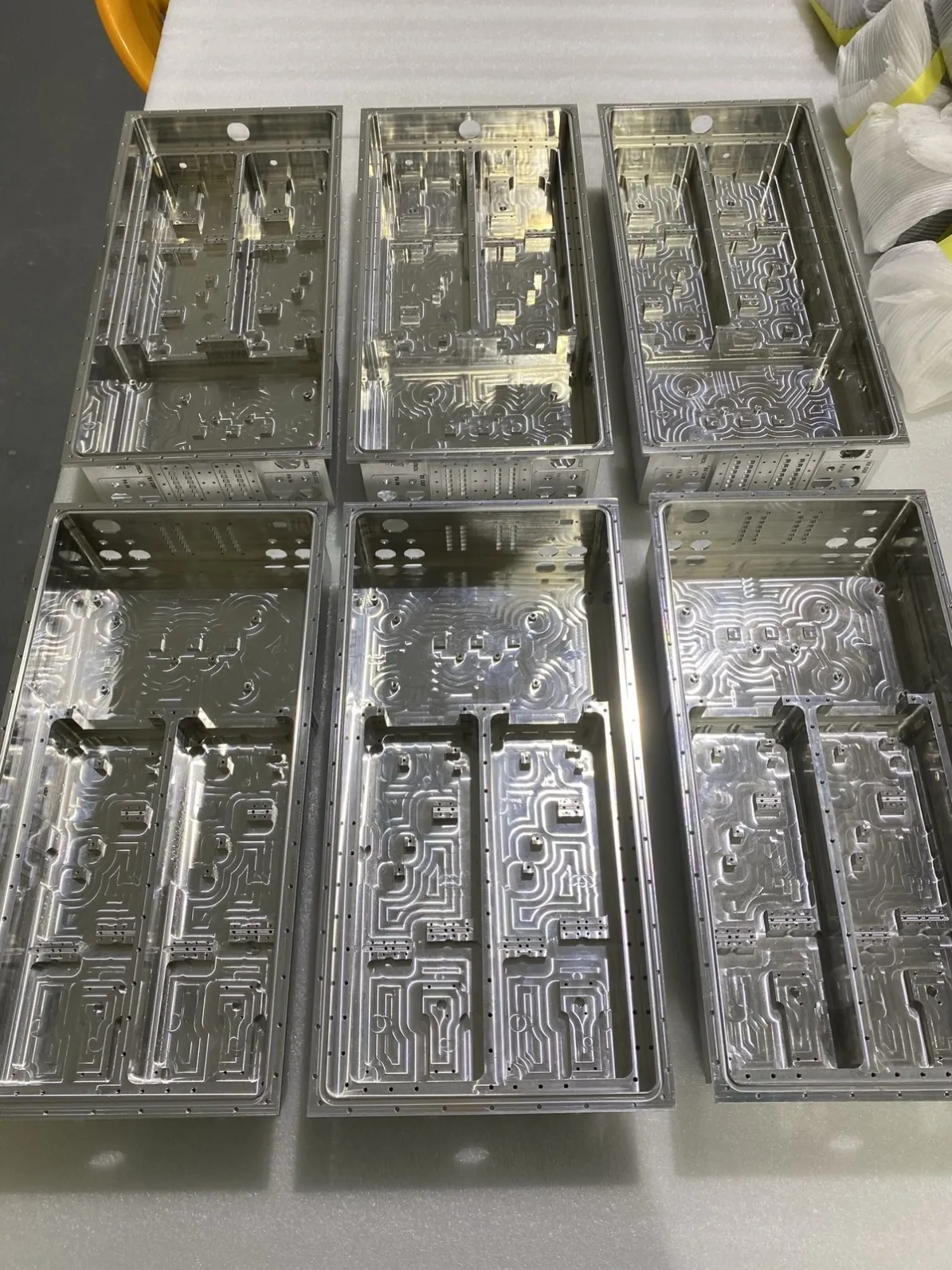
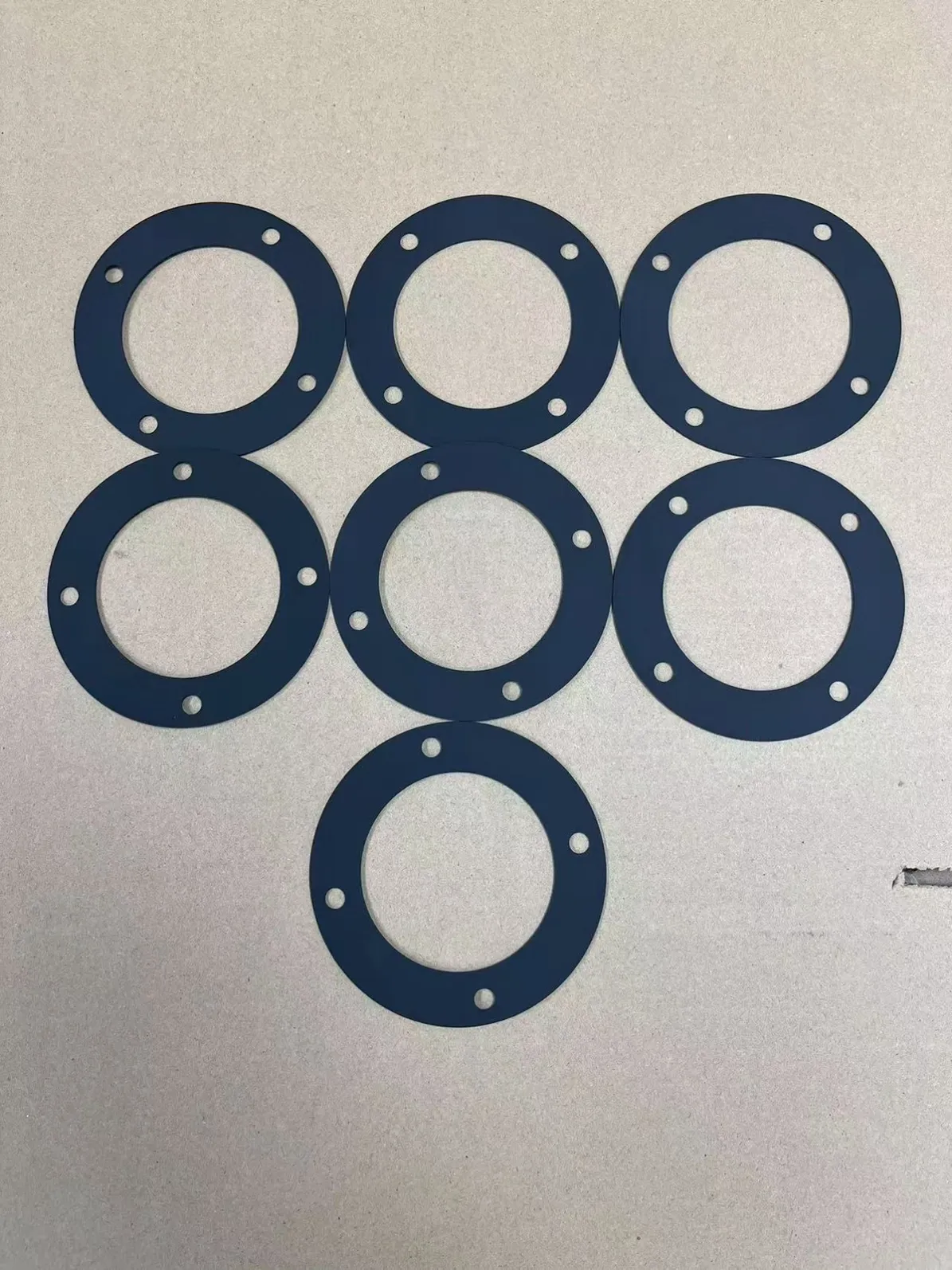
- Conductive gaskets. Metal-filled elastomer or finger-stock gaskets bridge seam gaps and tolerate uneven faces. They need a groove or a defined compression land to sit in — a machining feature, decided on the drawing, not at assembly.
- Fastener spacing. Closer screw spacing along a seam shortens the unbonded spans. On covers we machine, adding screw holes is cheap; adding them after the EMC test fails is not.
- Grounding points. A defined, bare or chem-filmed pad for the ground strap, with a threaded hole or stud, beats a scratched patch of paint every time. Call it out on the drawing so it survives finishing.
What to put on the drawing
- Mark the faces that must stay conductive, and the finish they should get (chem film Class 3, or bare and masked).
- State the gasket type or at least the groove dimensions if a conductive gasket is part of the design.
- Note the faces where coating is purely cosmetic, so nobody "protects" a mating face by coating it.
- If the enclosure has passed or must pass a specific EMC test, tell us at quote stage. We do not certify shielding performance — that is established by testing the assembled product — but knowing the target changes how carefully seams and apertures get planned.
Machined vs sheet metal for shielding
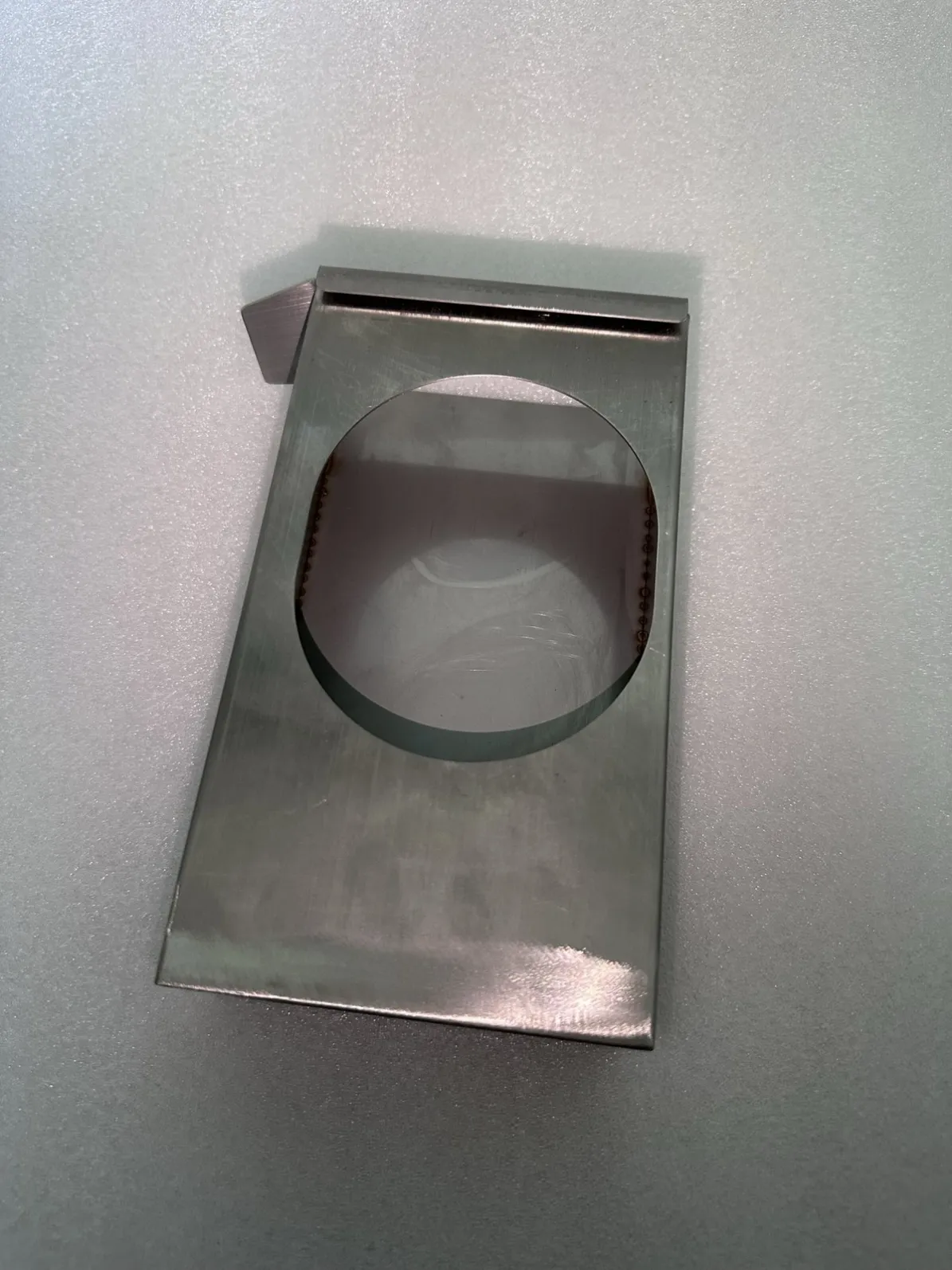
Both work. Machined housings give flat, stiff mating faces that compress gaskets evenly and hold seam gaps small — one reason RF and photonics housings are so often machined from solid. Sheet metal enclosures shield well too, provided the seams are designed for it: folded joints with close fastener spacing, conductive finish on the mating flanges, and gasketed covers where the design needs them. Our custom aluminum enclosures article compares the two constructions in more depth.
FAQ
Does anodizing ruin shielding? On the faces it covers, yes — anodize is an insulator. Anodize the outside, keep the mating faces in chem film or bare and masked, and the enclosure keeps both its finish and its continuity.
What is the difference between chem film Class 1A and Class 3? Class 1A is aimed at corrosion protection; Class 3 is the low-electrical-resistance class, specified where the coating must stay conductive. For shielding joints, Class 3 is the callout.
Can you machine the gasket groove for a conductive gasket? Grooves and compression lands for conductive elastomer gaskets are routine machining. Tell us the gasket section you are designing around, or we will machine the groove to your drawing.
Will you test the enclosure's shielding effectiveness? No — shielding is a property of the assembled, populated product and is verified by EMC testing at your end. What we guarantee is the part as drawn: conductive faces where specified, seam flatness, groove dimensions and finishes as called out.
Our current enclosure fails EMC at the lid seam. What are the usual fixes? In order of how often they work: restore conductivity at the mating faces (chem film or masked bare), add a conductive gasket, then tighten fastener spacing. Aperture changes come after the seam is right.