Deburring and Edge Breaks: How to Specify Them on a Drawing
Deburring and edge breaks explained: what the three common drawing callouts really mean, which edges to break, which to protect, and how we confirm.
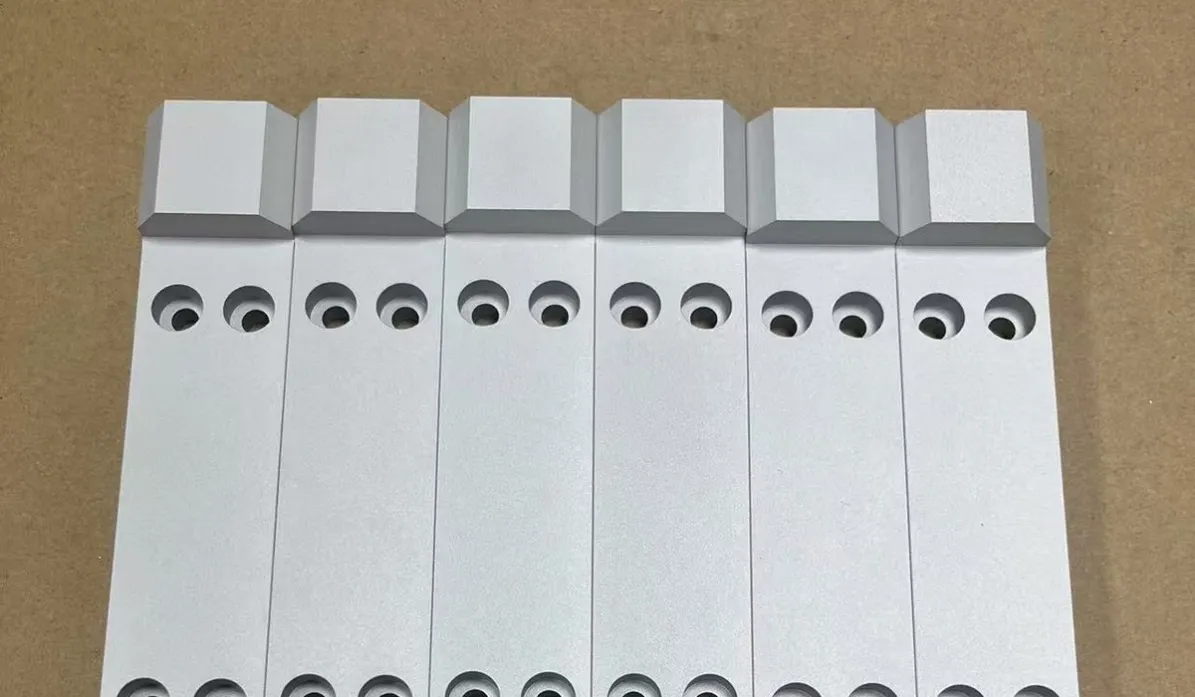
Short answer: every part we ship is deburred as standard — no sharp edges, no loose burrs. What this page is about is the sentence on your drawing that controls how far that goes. "Break all edges" sounds simple, but edge callouts are one of the most common sources of mismatch between what a buyer pictured and what a shop delivered: edges broken that should have stayed sharp, sealing edges rounded that should have stayed crisp, or hours of hand-finishing priced into a part that only needed a basic deburr. Here is what the common callouts actually mean, and how to pick the right one.
Where burrs come from
A burr is the thin fin of material a cutter leaves where it exits an edge — at the rim of a drilled hole, along a milled profile, at the mouth of a cross-drilling. It is not a defect in the sense of a mistake; it is what cutting metal does. What varies is how much it matters. A burr on a hole rim can stop a pin going in. A burr inside a fluid passage can break loose in service. A sharp edge on a housing is a cut waiting for the assembler's hand. So deburring is not cosmetic work that can be trimmed to save money — it is part of making the part usable. The question is only how far the edge treatment goes beyond removing the burr.
The three common callouts, and what each one really means
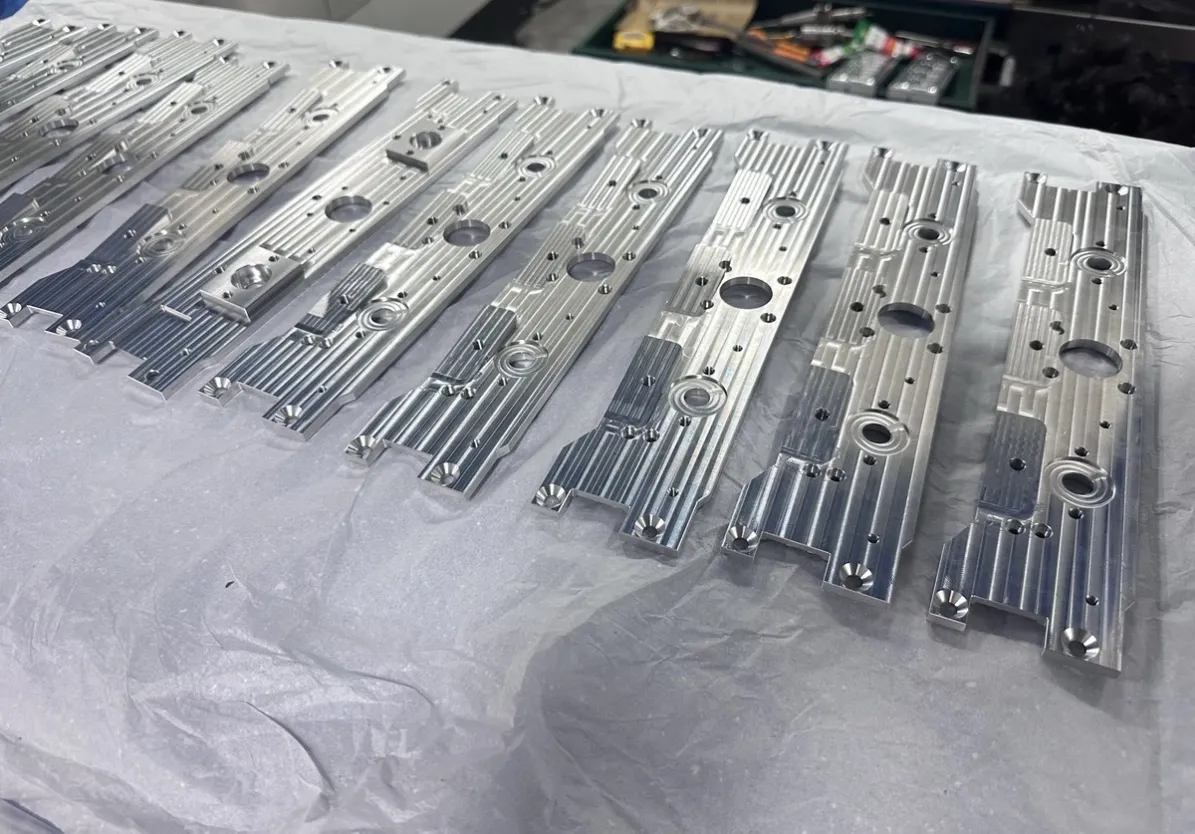
"Break all edges" (or "remove all burrs and sharp edges"). This is the general note, and it means: every edge gets a small break — a tiny chamfer or radius, just enough to remove sharpness — and every burr comes off. This is our default even when a drawing says nothing, and it is the right callout for the great majority of parts. What it does not mean is large, uniform, polished chamfers on every edge; if that is what you pictured, it has to be specified, because it is a different amount of work.
A specific chamfer or radius on named edges. "C 0.5 on outer edges", or a radius dimensioned on a drawing view, means those edges get exactly that chamfer or radius, and it becomes a dimension that gets measured. Use this where the edge does a job: a lead-in that guides a shaft or a seal into a bore, a handling edge on a part operators grip all day, a mating edge that must clear a fillet on the part opposite. Specific callouts cost more than the general note because they are machined and inspected as features — which is exactly why they should be reserved for edges that earn it. Our article on reducing CNC machining cost lists vague and over-specified edge requirements among the quiet cost drivers on a quote.
"Sharp edges to remain" / protected edges. Sometimes an edge must stay sharp or near-sharp: a sealing edge that bites into a gasket, a scraping or cutting edge, a datum edge, the lip of a snap feature. If the drawing is silent, a shop working to "break all edges" may take that edge off in good faith. Marking "do not break" on the specific edge is a one-line note that prevents an expensive misunderstanding.
Choosing by location
The same part usually wants three different treatments in three places:
- Sealing faces and their edges. Keep them crisp and undamaged. Burrs are removed without rounding the edge that meets the seal, and the face itself is protected through every later operation — its finish is specified separately, as our surface roughness guide covers.
- Thread entries and hole mouths. A small chamfer at a thread entry is functional, not cosmetic: it lets the mating screw start without cross-threading and removes the burr that drilling leaves. Cross-drilled intersections inside a part get deburred too, where the geometry allows — those burrs are invisible on the finished part and cause trouble out of proportion to their size.
- Assembly lead-ins. Where a pin, shaft or seal slides in during assembly, a deliberate chamfer is the difference between a line that flows and a line that fights. If you know the assembly direction, dimension the lead-in rather than hoping the general note produces it.
- Outside edges and handling surfaces. The general break is enough — safe to handle, no more.
Metal vs plastic
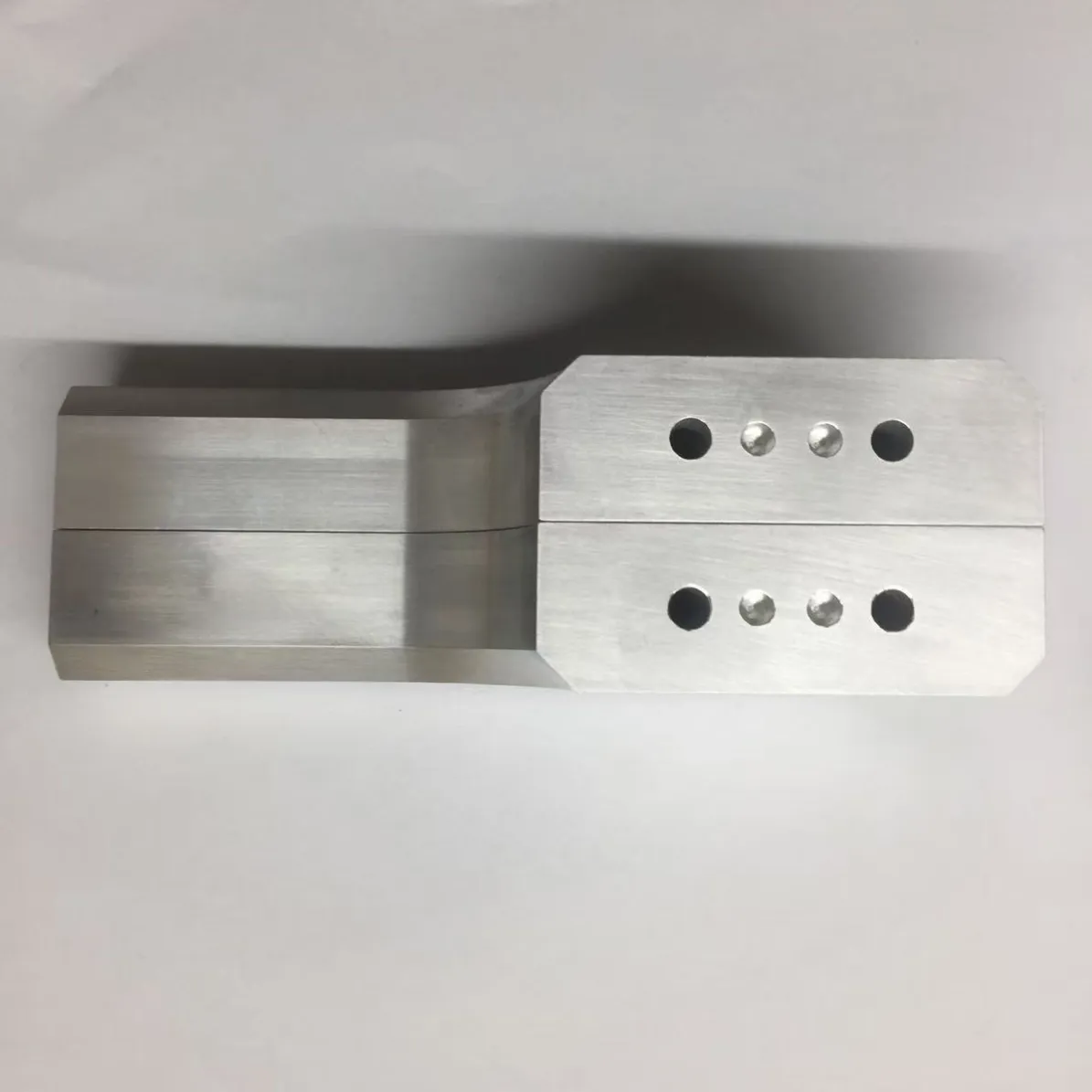
Plastic parts burr differently. POM, nylon and similar materials raise soft, stringy burrs that tear rather than snap, and aggressive deburring can pull at the edge and leave it worse. Plastic edges are finished with methods matched to the material, and thin plastic features need a gentler hand throughout. If a plastic part has an edge that must stay crisp — a sealing lip, a snap-fit catch — say so on the drawing, because the default tidy-up works against it.
Sheet metal is its own case again: there the "edge" question is mostly about cut edges, hole rims and safety, and our sheet metal design tips covers what to expect from laser-cut and bent edges.
When the drawing is unclear, this is what we do
We do not guess on functional edges. If a drawing carries no edge note, parts are deburred to the general standard — burrs off, edges lightly broken, sealing and datum edges left crisp. If a callout is ambiguous in a way that changes the part — a chamfer that would break into a seal groove, a "break all edges" note on a part with an obvious cutting edge — it gets flagged in the manufacturability check that comes back with your quote, before anything is cut. The cheapest time to settle an edge question is at quote stage, in a sentence.
FAQ
Do I pay extra for deburring? Basic deburring — burrs removed, edges lightly broken — is standard on every part and included. What adds cost is specified edge work: dimensioned chamfers or radii on many edges, or a cosmetic requirement that every edge look identical. Specifying only the edges that matter keeps that cost where it belongs.
What does "break all edges" actually get me? A small, safe break on every edge and no burrs anywhere. It does not produce large uniform chamfers — if an edge needs a defined chamfer, dimension it.
Can an edge be left sharp if the part needs it? Yes. Mark it on the drawing — "sharp edge, do not break" — and it will be deburred of loose material without being rounded. Sealing edges and cutting edges are the usual cases.
How are internal burrs handled, at cross-holes and passages? Intersecting holes and passages are deburred by the methods the geometry allows, and parts are cleaned before packing. If internal cleanliness is critical to your application, say so at enquiry stage so it is planned into the route.
Should I specify edge breaks on plastic parts? Yes, where an edge has a job. Plastic burrs behave differently from metal, and a crisp sealing lip or snap feature can be softened by standard deburring unless the drawing protects it.